Key Specifications for Portable Hydraulic Shears

application/portable-hydraulic-shear, application/portable-hydraulic-shear, 
Inquiry
Inquiry

portable hydraulic shear

Portable hydraulic shears are essential tools for industries involved in the recycling of waste materials, particularly metals and cables. These devices enable efficient cutting and processing, allowing for improved material recovery and management. For purchasing managers and engineers, understanding how to evaluate these tools—considering specifications, costs, installation challenges, and performance characteristics—is crucial for making informed decisions. This article will provide insights into the key specifications of portable hydraulic shears, cost factors for bulk purchasing, common installation challenges, quality and performance insights, and the material advantages that can influence your choice.

Cost Factors for Purchasing Portable Hydraulic Shears in Wholesale

The cost of portable hydraulic shears can vary widely based on several factors:

Specifications and Features: Higher capacity and advanced features often come with increased costs. Aspects such as blade material, cutting force, and hydraulic efficiency will influence the price.

Customization Options: If you require specific modifications—such as blade sizes or additional safety features—this can increase the overall cost. Customization might be necessary for specialized applications, so be clear about your requirements when requesting quotes.

Order Volume: Typically, larger bulk orders will yield lower per-unit prices. Manufacturers may offer significant discounts for bulk purchases, which can help you optimize your budget. For example, options like the LX-400C 250-450kg/h Fully Enclosed Copper Wire Granulator could be a valuable addition to increase efficiency.

Shipping and Handling: Depending on your location and the supplier's shipping policies, transportation costs can add to the total expenditure. Be sure to account for these costs when evaluating your budget.

After-sales Services: Consider warranties, maintenance agreements, and training for operators, which may be included in the purchase price or offered as additional services. Investing in these areas can enhance the longevity and performance of your equipment.

By understanding these cost factors, you can better plan your procurement strategy and negotiate effectively with suppliers.

Common Installation Challenges with Portable Hydraulic Shears and Solutions

Installing portable hydraulic shears can present a few challenges, but being aware of these can help mitigate issues:

Space Constraints: Depending on your facility layout, finding an appropriate space for installation may be difficult. Ensure you assess the dimensions of the shear and allow for necessary operational space to avoid hindering workflows.

Power Supply Requirements: Hydraulic shears typically require a substantial power supply. Confirm that your facility can accommodate the equipment's power needs, and consider the implications for electrical installations if upgrades are necessary.

Hydraulic Fluid Management: Ensuring that hydraulic lines are correctly installed and fluid is properly managed is crucial. Leaks can lead to operational inefficiencies and safety hazards. Familiarize your installation team with best practices for hydraulic installations.

Training Staff on Operation: Proper training for operators is essential to ensure safety and efficiency. Schedule training sessions with the supplier or manufacturer to familiarize your team with the equipment and its specific operational requirements.

By anticipating these challenges, you can streamline the installation process and minimize downtime.

Quality and Performance Insights

Quality and performance are critical when selecting portable hydraulic shears. Several aspects should be considered:

Quality Control Processes: Investigate the manufacturer's quality control measures. Reliable suppliers will have rigorous testing protocols to ensure their products meet industry standards.

Performance Metrics: Beyond just cutting ability, consider the shear's operational speed and efficiency. Performance under varying conditions—such as different material types and thicknesses—should also be assessed through real-world testing.

User Feedback: Gathering feedback from existing users can provide insights into the durability and effectiveness of the shear. Look for reviews or testimonials that highlight performance in similar applications.

Maintenance Requirements: Quality shears should require minimal maintenance while still maintaining peak performance. Understanding the maintenance schedule and any common issues encountered can help you prepare for long-term ownership.

By focusing on these quality aspects, you can ensure that you are investing in a reliable tool that meets your operational standards.

Material Advantages of Portable Hydraulic Shears You Should Know

Understanding the materials used in portable hydraulic shears can significantly impact your choice:

Blade Material: As previously mentioned, the blade material plays a crucial role in cutting performance. High-carbon steel, for example, offers excellent hardness and wear resistance, making it suitable for cutting tough materials.

Frame Material: The shear’s frame should be constructed from robust materials to withstand the forces applied during operation. Steel frames are common, providing strength and stability over extended use.

Corrosion Resistance: If the shear will be used in harsh environments, consider options with corrosion-resistant coatings or materials. This can prolong tool life and reduce maintenance needs.

Weight Considerations: The choice of materials also affects the weight of the shear. Lighter materials can enhance portability, but they must still provide the necessary strength and durability for effective cutting.

By considering these material advantages, you can select a portable hydraulic shear that not only fits your operational needs but also offers the best performance and longevity.

Key Specifications to Evaluate Portable Hydraulic Shears for Bulk Orders

When evaluating portable hydraulic shears, a few key specifications are paramount:

Cutting Capacity: This refers to the maximum thickness and type of material the shear can handle. Understanding the shear's cutting force, typically measured in tons, helps you assess its suitability for your specific applications. For instance, a shear designed for cutting thicker metal cables will require a higher cutting force than one intended for lighter materials.

Blade Material: The quality of the blade significantly affects performance and longevity. High-carbon steel or alloy steel blades are commonly used due to their durability and resistance to wear. Consideration should also be given to the heat treatment process used on the blades, as this can enhance hardness and cutting performance.

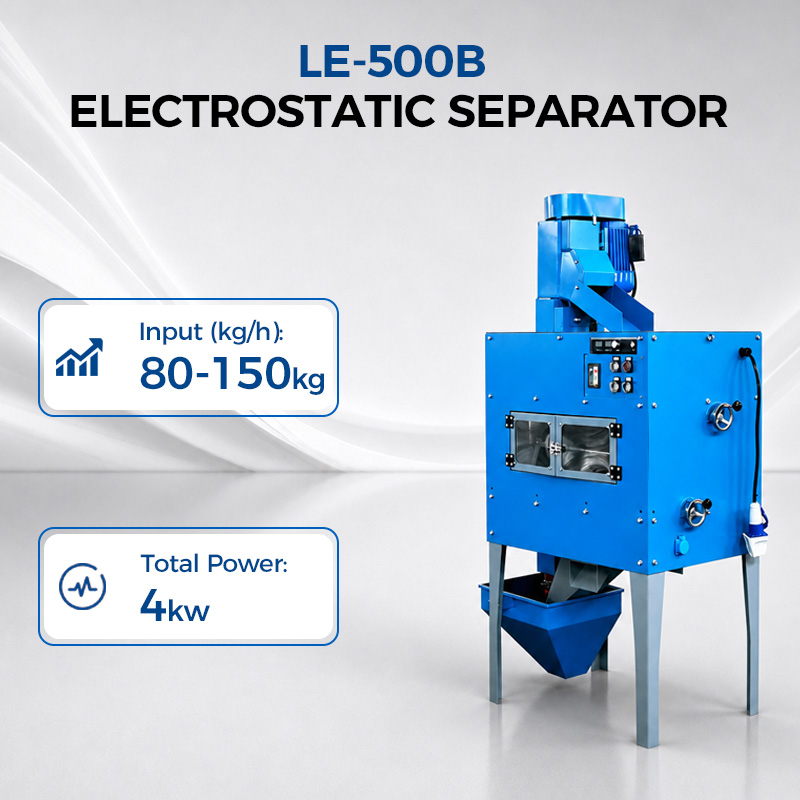
Hydraulic System: The efficiency of the hydraulic system influences operational speed and cutting power. Look for shears with robust hydraulic pumps and systems that can maintain consistent pressure throughout the cutting process. Additionally, equipment such as the LE-500B Electrostatic Separator for Copper and Plastic Recovery can complement your material processing workflow.

Weight and Portability: Since these tools are often used in various locations, their weight and design for easy transport are important. Check for features such as wheels or handles that facilitate movement without sacrificing structural integrity.

Safety Features: Ensure the shears include safety mechanisms like emergency stop buttons, blade guards, and ergonomic designs that minimize the risk of accidents during operation.

Understanding these specifications will help you assess which portable hydraulic shear aligns best with your operational needs.

Get a Free Quote

Tell us about your recycling needs, and our team will recommend the right equipment and solution for your project.
0/1000