Choosing Reliable Shear Hydraulic Suppliers

application/shear-hydraulic, application/shear-hydraulic, 
Inquiry
Inquiry

shear hydraulic

Shear hydraulic machines are essential equipment for recycling operations, particularly in the processing of waste cables and metals. These powerful machines apply force to cut, shear, or compress materials, transforming them into manageable sizes for further processing or disposal. When considering the acquisition of shear hydraulic systems, B2B buyers often have concerns regarding supplier reliability, product specifications, and cost factors. This article aims to provide key insights into choosing the right shear hydraulic supplier, understanding manufacturing processes, evaluating costs, sourcing wholesale solutions, and installation guidance in projects.

How Shear Hydraulic Machines Are Made

Understanding the manufacturing process of shear hydraulic machines can help buyers appreciate the quality and durability of the equipment. The process typically involves several key stages:

Material Selection: High-strength steel and alloy materials are commonly used in the construction of shear hydraulic machines. The choice of material affects the machine's durability and resistance to wear and tear.

Precision Engineering: Advanced CNC (Computer Numerical Control) machining techniques are employed to create precise components, ensuring that all parts fit together seamlessly. This precision is crucial for the machine's overall performance.

Assembly: The components are carefully assembled, and hydraulic systems are integrated into the machine. This includes the hydraulic cylinders, pumps, and control systems that enable the machine to perform effectively.

Testing: Before leaving the factory, shear hydraulic machines undergo rigorous testing to verify their functionality and performance. This includes load testing, operational checks, and safety inspections.

Certification: Depending on the market and application, machines may require certifications that validate their compliance with industry standards, ensuring reliability and safety.

Cost Factors to Consider When Purchasing Shear Hydraulic Systems

The cost of shear hydraulic systems can vary significantly based on several factors:

Machine Specifications: The configuration, cutting capacity, and additional features of the machine directly impact pricing. Higher specifications typically lead to higher costs.

Customization Requirements: Custom-built machines tailored to specific applications may incur higher costs. Buyers should clearly communicate their needs to receive accurate quotes.

Production Quantity: Bulk orders may qualify for discounts. Buyers should consider their production needs and explore options for purchasing multiple units to leverage potential savings.

Shipping and Handling: Shipping costs, which may vary based on destination and packaging requirements, should also be factored into the total cost. Ensure that the supplier provides clear shipping estimates.

After-Sales Costs: Consider the long-term costs associated with maintenance, spare parts, and operational training. A lower initial purchase price may lead to higher operational costs if the machine requires frequent servicing or parts replacement.

Where to Source Reliable Shear Hydraulic Solutions Wholesale

Sourcing reliable shear hydraulic solutions wholesale requires careful research and evaluation:

Industry Trade Shows: Attending industry events can provide opportunities to meet suppliers, view equipment firsthand, and discuss specific requirements. Trade shows often showcase the latest technologies and innovations in the field.

Online Marketplaces: Reputable B2B platforms can connect buyers with manufacturers and suppliers. Look for platforms that feature verified suppliers and user reviews to ensure credibility.

Local Distributors: Engaging with local distributors can facilitate quicker access to equipment and support. Local suppliers might also offer insights into regional market demands and preferences.

Networking: Building relationships with industry peers can lead to recommendations for trustworthy suppliers. Joining industry associations can also provide access to member-exclusive resources and events.

Direct Manufacturer Contact: For the best pricing and customization options, contacting manufacturers directly can be beneficial. This approach often allows for negotiating terms and understanding production capabilities.

Installation Guidance for Shear Hydraulic Machines in Projects

Proper installation of shear hydraulic machines is essential for optimal performance:

Site Preparation: Ensure that the installation site is adequately prepared, with proper foundation support to accommodate the machine's weight and operational vibrations. The area should also provide sufficient space for operation and maintenance.

Hydraulic Connections: Follow the manufacturer’s guidelines for hydraulic connections. Properly connecting hydraulic lines and ensuring that there are no leaks is critical for safe operation.

Calibration: After installation, the machine should be calibrated according to the manufacturer’s specifications. This step ensures that the machine operates within its designed parameters and achieves the desired cutting performance.

Training: Providing comprehensive training for operators is vital. Ensure that operators understand the machine’s functions, safety protocols, and troubleshooting procedures to maximize efficiency and safety.

Regular Maintenance: Establishing a maintenance schedule is key to prolonging the machine's lifespan and ensuring consistent performance. Regular inspections and servicing should be performed as per the manufacturer’s recommendations.

By understanding these facets of shear hydraulic machines, B2B buyers can make informed decisions that align with their operational needs and enhance their recycling capabilities.

What to Consider When Choosing a Shear Hydraulic Supplier

Selecting a reliable shear hydraulic supplier is vital for ensuring the quality and performance of your machinery. Key considerations include:

Manufacturing Capabilities: Assess the supplier's manufacturing facilities, equipment, and technologies. A supplier with advanced manufacturing practices can provide high-quality and efficient machines tailored to your specific needs.

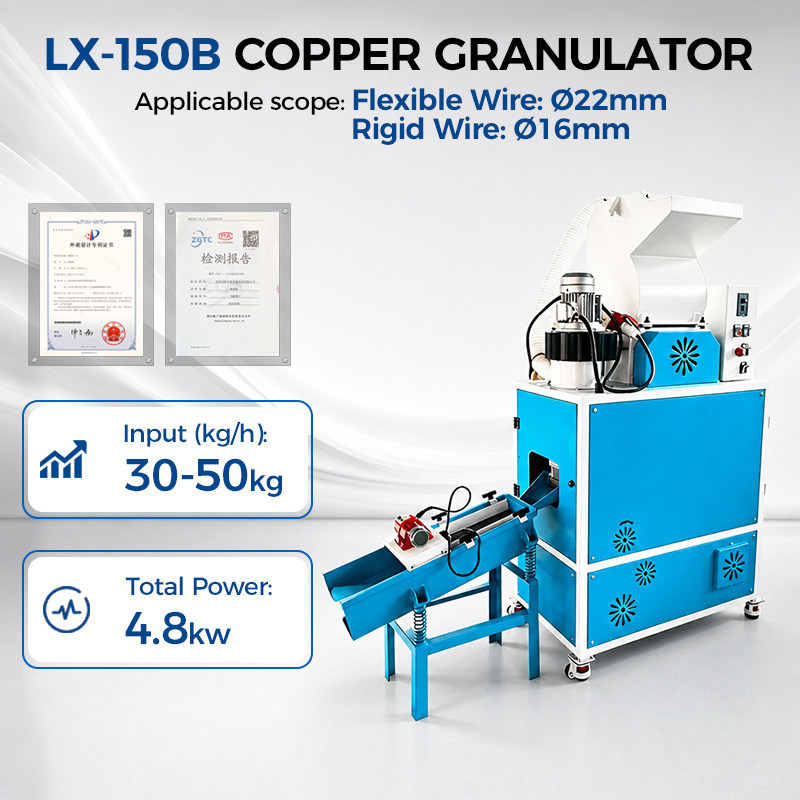
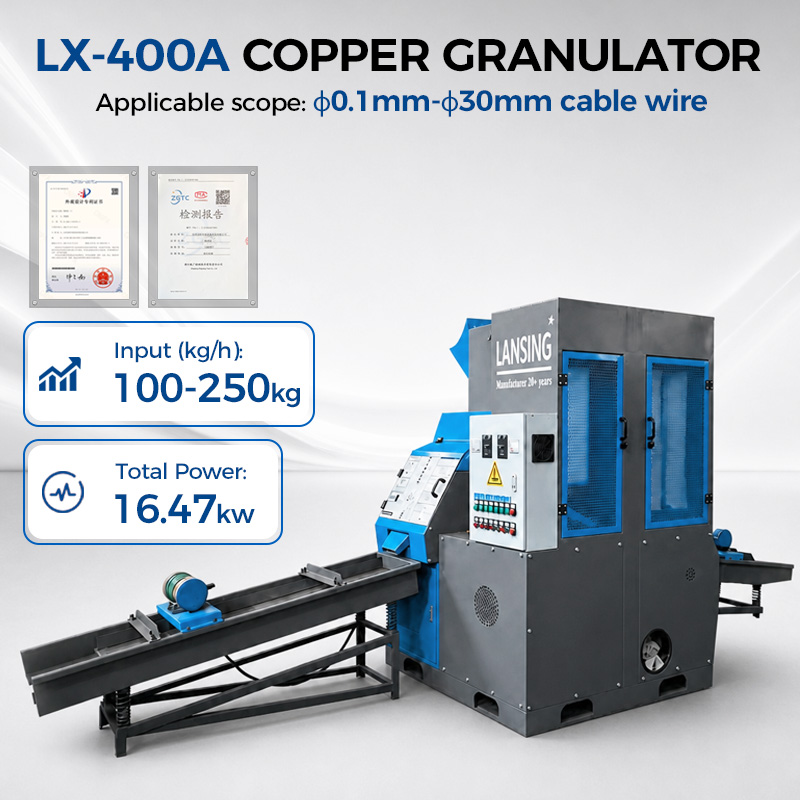
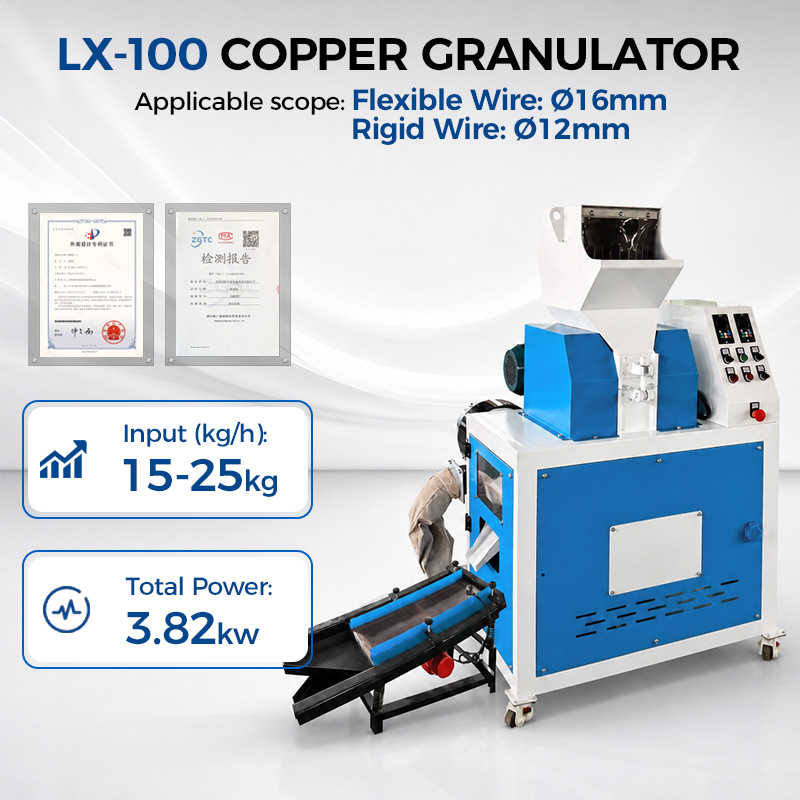
Customization Options: Understand the extent of customization available. Different recycling applications may require unique specifications, such as machine size, cutting capacity, and operational features. Confirm that the supplier can accommodate these requirements, including options for a Copper Granulator if needed.

Quality Control Processes: Inquire about the supplier's quality assurance measures. A reputable manufacturer will have stringent quality control protocols in place to ensure that each machine meets industry standards and performs reliably.

After-Sales Support: Evaluate the level of technical support and after-sales service the supplier provides. Quick access to spare parts, maintenance services, and technical assistance can minimize downtime and enhance operational efficiency.

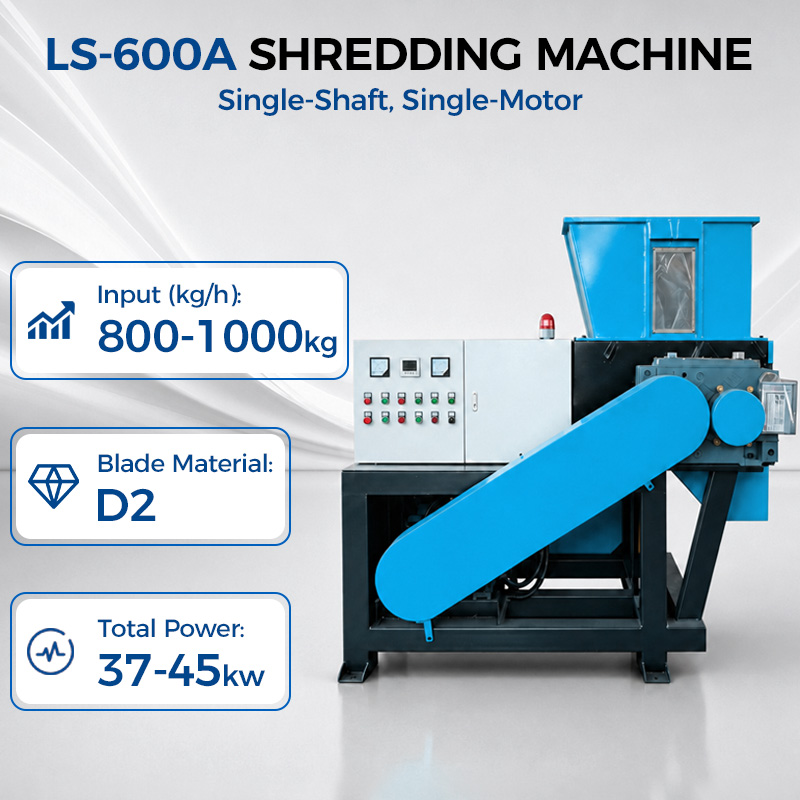
Reputation and References: Research the supplier's reputation in the industry. Look for customer testimonials, case studies, and references from other companies that have successfully utilized their shear hydraulic machines, such as those who have purchased a Shredding Machine.

Get a Free Quote

Tell us about your recycling needs, and our team will recommend the right equipment and solution for your project.
0/1000