Choosing Hydraulic Metal Shears for Your Needs

application/hydraulic-metal-shears, application/hydraulic-metal-shears, 
Inquiry
Inquiry

hydraulic metal shears

Hydraulic metal shears are essential tools in the manufacturing and recycling industries, designed to cut through various metals with precision and efficiency. For B2B buyers, understanding the key features, specifications, and applications of hydraulic metal shears is crucial for making informed purchasing decisions. This article will address common buyer concerns, such as selecting the right model, evaluating suppliers, understanding cost factors, and recognizing the applications of these machines in the manufacturing sector.

Wholesale Purchasing Guide for Hydraulic Metal Shears

When purchasing hydraulic metal shears wholesale, several key considerations can streamline the procurement process:

Requesting Quotes: When reaching out to suppliers, provide specific information, including desired specifications, materials to be cut, expected volumes, and any customization needs. This will enable suppliers to offer accurate quotations.

Minimum Order Quantities (MOQ): Each manufacturer may have different MOQs, which can affect pricing and inventory management. Be sure to clarify these details upfront to avoid any surprises during the purchasing process.

Lead Times: Understand the lead times for production and delivery. Factors such as customization, supplier location, and current order volumes can influence how quickly you can receive your shears.

Payment Terms and Warranty: Discuss payment options and warranty conditions. A warranty can provide peace of mind regarding the machine's performance and durability.

Supplier Evaluation: Assess potential suppliers based on their manufacturing capabilities, customer service, and previous customer feedback. This will help ensure you partner with a reputable source.

Where to Find Reliable Suppliers of Hydraulic Metal Shears

Identifying trustworthy suppliers is critical for a successful purchasing experience. Here are some strategies to locate reliable manufacturers:

Industry Trade Shows: Attending trade shows and exhibitions allows buyers to meet manufacturers face-to-face, view products firsthand, and discuss specific needs and capabilities.

Online Marketplaces: Platforms like Alibaba, ThomasNet, and Global Sources feature a wide range of suppliers. Look for those with verified profiles, positive reviews, and a solid track record.

Industry Associations: Engaging with manufacturing and machinery associations can provide valuable insights into reputable suppliers and industry standards.

Referrals and Recommendations: Speak with industry peers or colleagues who have experience purchasing similar equipment. Their insights can lead to reliable contacts.

Understanding Cost Factors in Hydraulic Metal Shears Procuremen

The cost of hydraulic metal shears can vary significantly depending on various factors. Understanding these can help buyers make informed decisions:

Specifications and Features: Higher specifications, such as cutting capacity, speed, and additional features like programmable controls, often lead to higher prices. Buyers should prioritize features that align with their operational needs.

Material Quality: The quality of materials used in manufacturing the shears can affect durability and performance. Investing in higher-quality components may lead to lower maintenance costs and longer service life.

Customization: Custom-built shears tailored to specific applications may incur additional costs. However, they can offer significant efficiency improvements, making them worth the investment.

Shipping and Handling: Consider transportation costs as they can add to the overall expense. If sourcing from international suppliers, customs duties and import taxes may also apply.

After-Sales Support: Evaluate the level of after-sales support offered, including training, maintenance services, and availability of spare parts. Good support can reduce long-term operational costs.

Applications of Hydraulic Metal Shears in the Manufacturing Industry

Hydraulic metal shears play a vital role in various manufacturing applications, including:

Metal Fabrication: In metalworking shops, hydraulic shears are used for cutting sheets and plates to desired dimensions before further processing, such as bending or welding.

Recycling Operations: In recycling facilities, hydraulic shears are essential for processing scrap metals. They efficiently cut down large metal pieces into manageable sizes for transportation and melting.

Automotive Industry: Manufacturers in the automotive sector use hydraulic shears for cutting various components, ensuring precise dimensions for assembly.

Construction: In construction, hydraulic shears are employed to cut rebar and other metal structures, facilitating easier installation and handling.

Electrical Industries: They are used for cutting cables and conduits, ensuring clean cuts that minimize damage to the insulation and conductor.

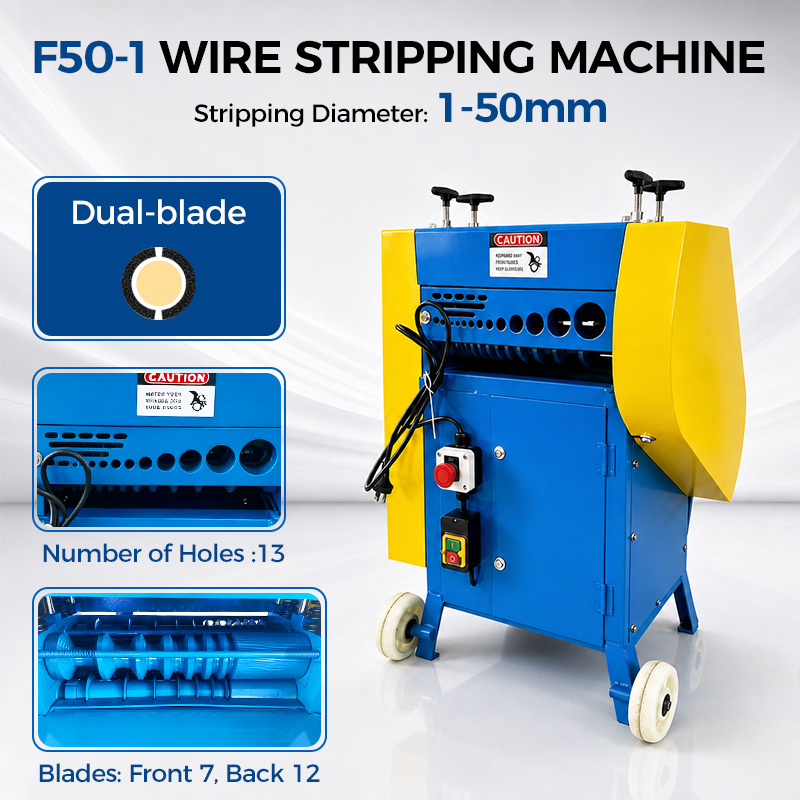
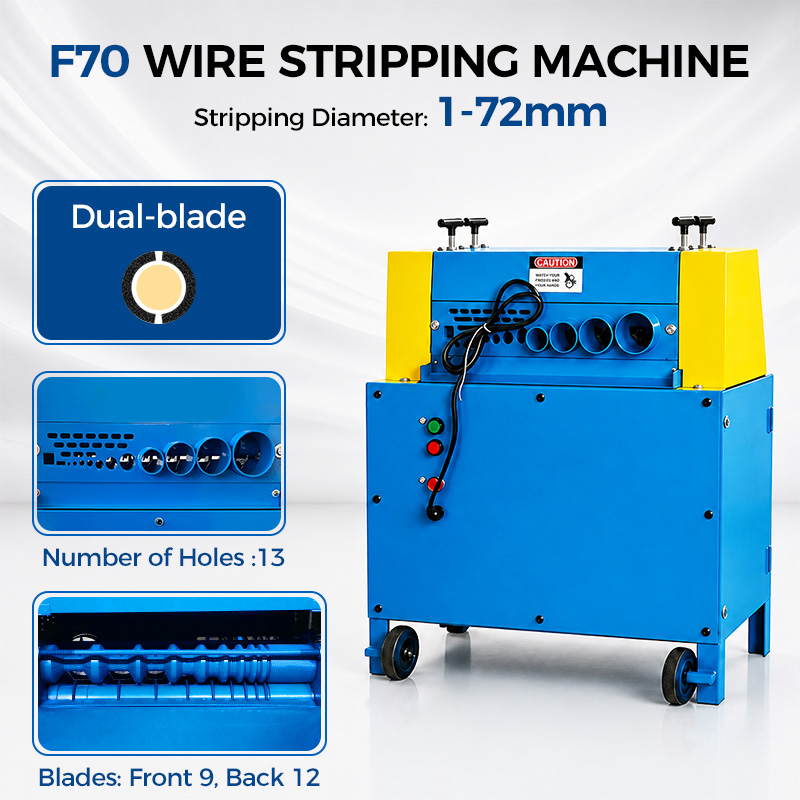
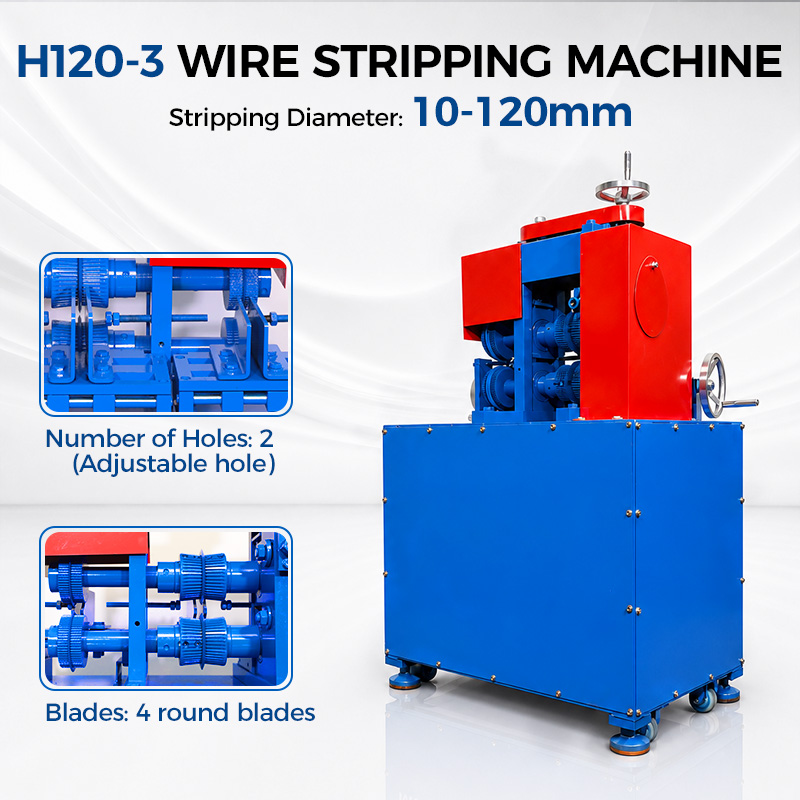
Understanding the intricacies of hydraulic metal shears, from selection and purchasing to their applications, enables buyers to make informed decisions that enhance operational efficiencies and meet project requirements. By utilizing expert guidance and industry knowledge, businesses can invest wisely in these essential tools for their operations, including complementary machines such as the Wire Stripping Machine to optimize their production line.

Choosing the Right Hydraulic Metal Shears for Your Project Needs

Selecting the appropriate hydraulic metal shears involves considering several factors, including the types of materials you'll be cutting, the thickness of the metals, and the specific application requirements. Hydraulic metal shears come in various configurations, including guillotine-style and shear-type shears, each suited for different cutting tasks.

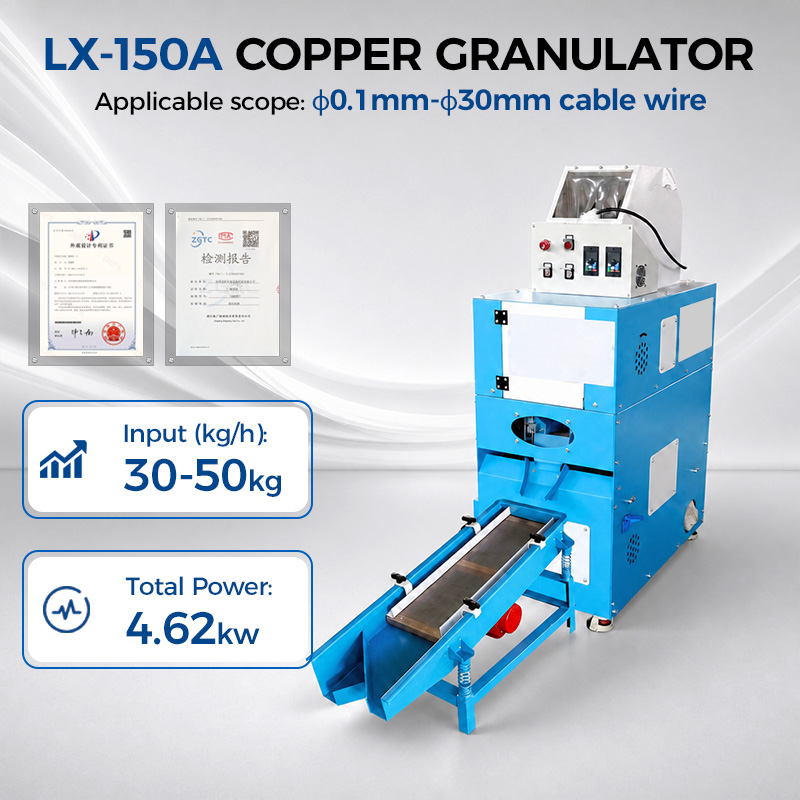
Material Compatibility: Ensure the shears are compatible with the materials you plan to process, such as steel, aluminum, or copper. Each material may require different blade specifications and cutting forces. For example, copper shears can be optimized using a Copper Granulator that complements the cutting process.

Cutting Capacity: This refers to the maximum thickness and width of the material the shears can handle. Common specifications include cutting capacities ranging from 1 mm to over 25 mm for thicker metals. Understanding your project requirements will help you choose a model that meets your needs without over-specifying features that may increase costs unnecessarily.

Power and Efficiency: Hydraulic shears utilize hydraulic systems to generate force, which allows for smoother cuts and reduced operator fatigue. Buyers should look into the horsepower and flow rates of the hydraulic system to ensure they can handle the expected workload efficiently.

Customization Options: Depending on the specific project, customization features such as blade design, cutting angle, and additional attachments may enhance the machine's performance. Discussing these options with the manufacturer can lead to a tailored solution that best fits your operational needs, possibly integrating machines like the Shredding Machine for added efficiency.

Get a Free Quote

Tell us about your recycling needs, and our team will recommend the right equipment and solution for your project.
0/1000