Hydraulic Cutting Shear: Key Specifications and Tips

application/hydraulic-cutting-shear, application/hydraulic-cutting-shear, 
Inquiry
Inquiry

hydraulic cutting shear

Hydraulic cutting shears are essential tools in the industrial and manufacturing sectors, specifically designed for cutting various materials such as metal, cables, and plastics. For B2B buyers like purchasing managers and engineers, sourcing the right hydraulic cutting shear involves understanding key specifications, evaluating quality, and considering common challenges. This article will provide insights into what to look for when selecting hydraulic cutting shears, along with practical advice to help streamline the purchasing process.

Wholesale Purchasing Tips for Quality Hydraulic Cutting Shears

When purchasing hydraulic cutting shears in bulk, ensuring quality while managing costs is crucial. Here are some tips to guide your wholesale purchasing:

Supplier Reputation: Conduct due diligence on potential suppliers. Look for manufacturers with a solid reputation in the industry, positive reviews, and experience in producing hydraulic cutting shears.

Request Samples: Before committing to a large order, request samples to evaluate the shear's performance and quality. Testing a sample under actual operating conditions can reveal potential issues that may not be apparent from specifications alone.

Certification Verification: Check if the shears comply with relevant industry standards and certifications, which can indicate quality and safety assurance. This may include ISO certifications or compliance with local regulatory standards.

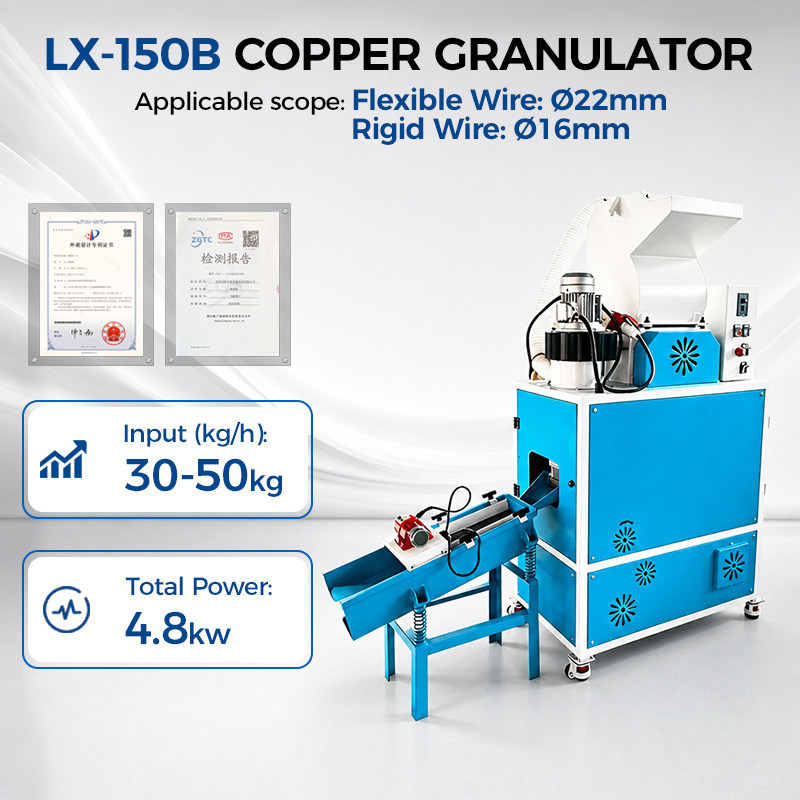
Customization Options: If your operations require specific features, inquire about customization capabilities. A supplier that can tailor the design to meet your needs will often provide a better long-term solution. For instance, if you require a machine capable of handling different types of materials, a Shredding Machine might complement your setup.

Comparison of Quotes: Always compare quotes from multiple suppliers, considering not just the price but also the quality of materials, warranty provisions, and after-sales support.

These steps can help ensure that the hydraulic cutting shears you purchase not only meet quality standards but also offer good value for your investment.

Cost Factors to Evaluate for Hydraulic Cutting Shears in Bulk Orders

Understanding the cost factors associated with hydraulic cutting shears is essential for effective budgeting. Here are the primary elements to consider:

Initial Purchase Price: While looking for the lowest price can be tempting, consider the total cost of ownership, including maintenance and operational costs. Higher-quality shears may have a higher upfront cost but could lead to lower long-term expenses.

Shipping and Handling: Depending on the shear's weight and dimensions, shipping costs can vary significantly. Ensure to factor in these costs when comparing suppliers.

Customization Fees: If your operational needs require custom features, be aware of potential additional costs. Discuss these upfront with the supplier to avoid surprises later.

Maintenance and Repair Costs: Evaluate the expected lifespan of the shears and any associated maintenance costs. Regular maintenance can prevent costly breakdowns and extend the equipment's life.

Warranty and Service Contracts: Consider the warranty terms and availability of service contracts. A longer warranty can mitigate risk and may indicate the manufacturer's confidence in their product.

By carefully evaluating these cost factors, purchasing managers can make more strategic decisions that align with their budget and operational goals.

Common Problems with Hydraulic Cutting Shears and Their Solutions

While hydraulic cutting shears are reliable, they may face common issues that can affect performance. Here are some typical problems and their solutions:

Inconsistent Cutting Performance: This can arise from dull blades or incorrect pressure settings. Regularly inspect and sharpen blades as needed, and ensure that the hydraulic system is properly calibrated to match the material being cut.

Hydraulic Leaks: Leaks can lead to decreased performance and safety hazards. Regularly check hydraulic lines and connections for signs of wear or damage and replace them promptly.

Electrical Failures: If the shear is electrically powered, issues can arise from faulty wiring or components. A qualified technician should perform regular inspections to identify and resolve electrical issues before they lead to failures.

Jamming: Material jamming can occur due to improper feeding or foreign objects. Ensure that operators follow proper feeding procedures and regularly clear any debris from the cutting area.

Overheating: Continuous operation without adequate breaks can lead to overheating. Implement a schedule that allows for cooling periods, especially during heavy use.

Identifying these common problems early and implementing preventive measures can enhance the operational efficiency of your hydraulic cutting shears.

Installation Guidance for Optimal Performance of Hydraulic Cutting Shears

Proper installation is crucial for ensuring the optimal performance of hydraulic cutting shears. Here are some guidelines to follow:

Site Preparation: Ensure the installation site is clean, stable, and adequately sized for the shear. Check for sufficient space to accommodate the shear's dimensions and allow for operator movement.

Hydraulic System Setup: Follow the manufacturer's specifications for connecting the hydraulic system. Ensure that all connections are secure and leak-free. It may also be beneficial to have a qualified technician perform the installation to ensure compliance with safety standards.

Electrical Connections: If the shear is electrically powered, ensure that the electrical system is compatible with the shear's requirements. Use appropriate circuit breakers and fuses to prevent electrical overload.

Operator Training: Provide comprehensive training for operators on the correct use of the shear, including safety protocols and maintenance procedures. Well-trained personnel can significantly reduce the risk of accidents and equipment damage.

Routine Maintenance Schedule: Establish a routine maintenance schedule to inspect and maintain the shear regularly. This should include checking hydraulic fluid levels, inspecting blades, and ensuring safety features are functional.

By following these installation guidelines, you can optimize the performance and longevity of your hydraulic cutting shears, leading to more efficient operations and reduced downtime.

Key Specifications to Consider When Sourcing Hydraulic Cutting Shears

When evaluating hydraulic cutting shears, several key specifications should be considered to ensure the equipment meets your operational requirements:

Cutting Capacity: This refers to the maximum thickness and type of material the shear can cut. Buyers should assess their specific applications to ensure they select a shear with adequate cutting capacity.

Pressure Rating: Hydraulic cutting shears operate under varying pressure levels, typically measured in tons. The pressure rating affects the shear's cutting efficiency and speed. Make sure to match the shear's pressure rating with your material's specifications.

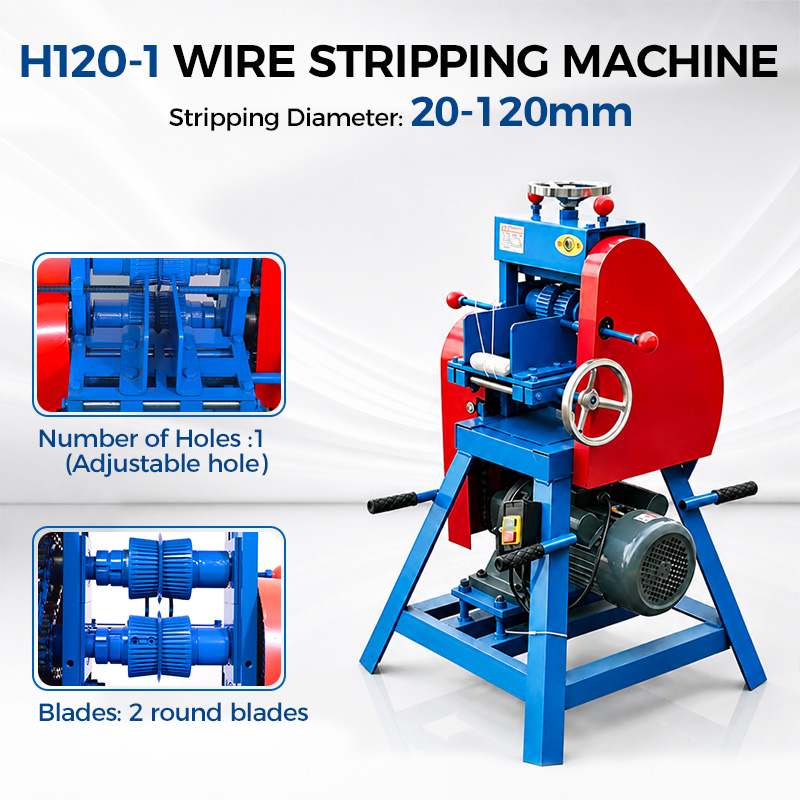
Blade Material and Design: The quality of the blades is crucial for longevity and performance. High-carbon steel blades are common due to their hardness and resistance to wear. Additionally, consider whether the blades are designed for specific materials, as this can impact cutting efficiency. For example, if you are working with cables, you might also want to explore options like the Wire Stripping Machine for more specialized cutting tasks.

Dimensions and Weight: Ensure that the shear's physical dimensions and weight are compatible with your workspace and transportation methods. A compact design may be beneficial for limited spaces.

Safety Features: Look for built-in safety mechanisms, such as emergency stop buttons and protective shields, to minimize workplace hazards.

Understanding these specifications allows buyers to make informed decisions that align with their operational needs and safety standards.

Get a Free Quote

Tell us about your recycling needs, and our team will recommend the right equipment and solution for your project.
0/1000