Choosing the Right Hydraulic Scrap Shear

application/hydraulic-scrap-shear, application/hydraulic-scrap-shear, 
Inquiry
Inquiry

hydraulic scrap shear

In the world of metal recycling, hydraulic scrap shears play a critical role in efficiently processing and cutting various types of scrap metals. As a B2B buyer, understanding the key elements of hydraulic scrap shears is essential for ensuring that you choose the right equipment that meets your operational needs. This article will address common buyer concerns such as specifications, sourcing, cost factors, operational challenges, and applications, providing valuable insights to help you make informed purchasing decisions.

Where to Source Reliable Hydraulic Scrap Shears for Wholesale

When sourcing hydraulic scrap shears for wholesale, it's essential to engage with reputable manufacturers and suppliers known for their reliability and quality. Start by researching manufacturers with a strong track record in the recycling equipment industry. Trade shows, industry conferences, and online B2B marketplaces can provide valuable leads on potential suppliers.

Additionally, consider reaching out to manufacturers like Hangzhou Lansing Machinery Co., Ltd., which specializes in providing customized solutions for waste recycling. A supplier with integrated manufacturing and R&D capabilities can offer tailored equipment that meets specific operational requirements, such as the LX-400A 100-250kg/h Copper Wire Granulator with Dual Screening.

Before finalizing any purchase, request product samples or demonstrations to assess the equipment's performance firsthand. This step can help mitigate risks associated with quality and functionality.

Cost Factors When Purchasing Hydraulic Scrap Shears in Bulk

The cost of hydraulic scrap shears varies significantly based on several factors, including specifications, materials used, and production capabilities. When purchasing in bulk, it's crucial to consider both the upfront costs and long-term operational expenses.

Factors influencing pricing include:

Manufacturing Quality: Higher-quality materials and components typically lead to higher initial costs but can result in lower maintenance and repair expenses over time.Customization: Custom features tailored to specific applications may increase the price, but they can enhance productivity and efficiency.Supplier Relationships: Establishing a good relationship with suppliers can lead to better pricing, especially for larger orders. Negotiate terms and consider loyalty discounts or long-term agreements.

It’s also important to factor in shipping costs, taxes, and potential tariffs, especially if sourcing from international suppliers. Conduct a total cost analysis to ensure that the investment aligns with your budget and financial objectives.

Common Problems with Hydraulic Scrap Shears and Their Solutions

Hydraulic scrap shears, while robust, can encounter several common issues during operation. Recognizing these problems early and understanding their solutions can minimize downtime and maintain productivity.

Hydraulic Fluid Leaks: Over time, seals may wear out, leading to fluid leaks. Regular inspections and timely maintenance, including seal replacements, can prevent major issues.

Blades Dullness: Dull blades can result in improper cuts and increased wear on the machine. Regular blade maintenance, including sharpening or replacement, is essential for optimal performance.

Hydraulic System Failures: Problems in the hydraulic system, such as pump failures or blockages, can hinder operations. Regular system checks and adhering to recommended service intervals can help maintain hydraulic integrity.

Electrical Issues: Electrical components can fail due to wear or environmental conditions. Ensuring proper electrical insulation and routine diagnostics can help identify potential problems before they affect performance.

By implementing a proactive maintenance plan and training operators on common issues, you can enhance the reliability and longevity of your hydraulic scrap shear.

Applications of Hydraulic Scrap Shears in Metal Recycling Projects

Hydraulic scrap shears are versatile tools used in various metal recycling applications. Their primary function is to cut and process scrap metal for recycling, making them invaluable in industries such as automotive, construction, and manufacturing.

Automotive Recycling: In automotive recycling, hydraulic scrap shears are used to process end-of-life vehicles, cutting them into manageable sizes for further recycling. This allows for the efficient recovery of metals like steel and aluminum.

Construction and Demolition: These shears are ideal for cutting structural steel and other metals during demolition projects. They enable quick processing of materials on-site, facilitating better recycling practices.

Industrial Recycling: In industrial settings, hydraulic scrap shears can handle a variety of scrap metals, from heavy machinery components to smaller metal debris. Their ability to quickly reduce large materials into smaller pieces aids in efficient transport and processing.

Cable Recycling: Specialized hydraulic shears can be used to cut and process scrap cables, allowing for the recovery of copper and aluminum conductors, which are valuable in the recycling market. The LX-300B 120-180kg/h Copper Wire Granulator with Air Separation is an excellent example of equipment that enhances cable recycling efficiency.

Understanding the specific applications of hydraulic scrap shears can help buyers determine the right model for their recycling projects, ensuring they meet operational requirements while maximizing material recovery.

How to Choose the Right Hydraulic Scrap Shear for Your Needs

Selecting the right hydraulic scrap shear involves considering several crucial specifications and operational requirements. Key factors include the shear's cutting capacity, which determines the maximum thickness and type of metal it can handle. For example, a shear designed for heavy-duty applications might cut through thicker steel plates, while a lighter model may be suitable for thinner materials like aluminum.

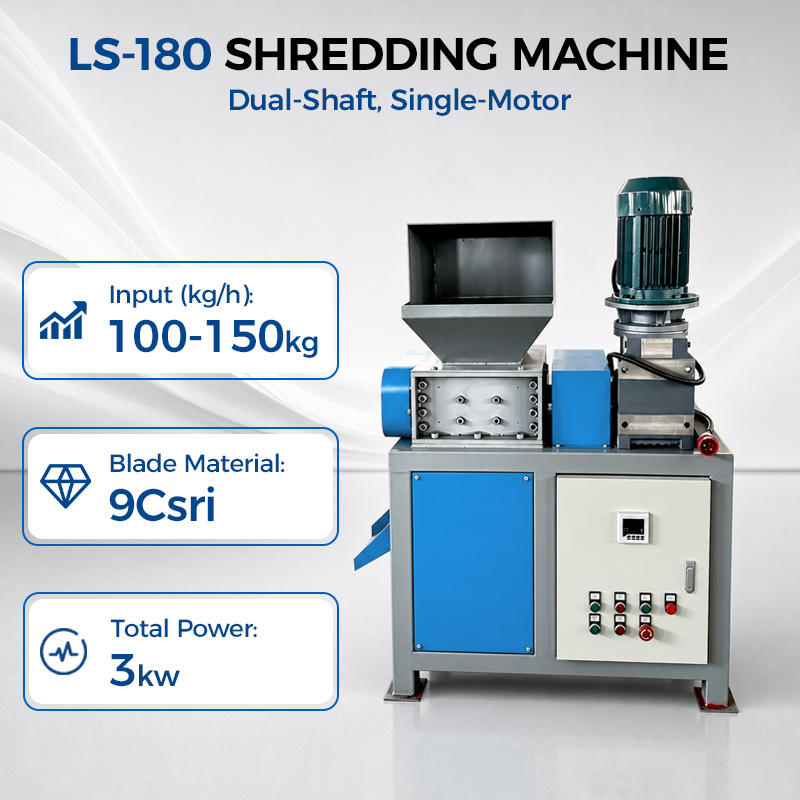
Additionally, the shear's design and construction materials affect its durability and performance. Look for models made from high-strength steel with robust hydraulic systems to ensure longevity and reliability under heavy use. Assessing the machine's cycle time is also important, as a faster cycle time can enhance productivity in high-volume operations. For example, consider the LS-400B 15 kW 750-900Kg/h Twin-Motor Dual-Shaft Shredder for its efficiency in processing various scrap materials.

Buyers should also consider the compatibility of the shear with their existing equipment and workflow. It’s beneficial to evaluate whether the shear can be integrated seamlessly into your recycling process, including any necessary modifications to your current setup.

Get a Free Quote

Tell us about your recycling needs, and our team will recommend the right equipment and solution for your project.
0/1000