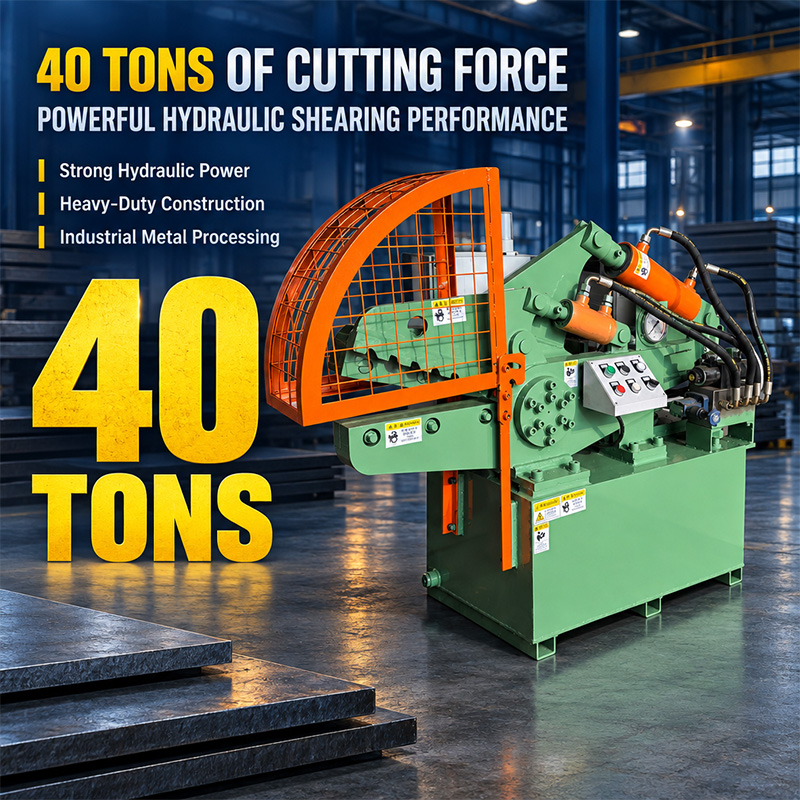
Choosing the Right Hydraulic Shears for Your Needs

application/hydraulic-shears, application/hydraulic-shears, 
Inquiry
Inquiry

hydraulic shears

Hydraulic shears are essential tools in various industrial applications, primarily used for cutting through metal and other tough materials efficiently. When selecting hydraulic shears, B2B buyers often face concerns regarding the right specifications, supplier reliability, and overall cost-effectiveness. This article will guide you through the key factors to consider when choosing hydraulic shears, sourcing them in bulk, understanding cost factors, best practices for use, and their applications across different industries.

Where to Find Reliable Suppliers for Hydraulic Shears in Bulk

Where to Find Reliable Suppliers for Hydraulic Shears in Bulk

Finding a reliable supplier for hydraulic shears is critical for ensuring quality and consistency in your operations. Here are several strategies to locate trustworthy suppliers:

Industry Directories: Utilize online B2B marketplaces and industry-specific directories. These platforms often provide detailed company profiles, customer reviews, and ratings that can help you compare potential suppliers.

Trade Shows and Exhibitions: Attending industry trade shows is a valuable opportunity to meet suppliers in person, see their products, and discuss your specific needs. This face-to-face interaction can help build trust and clarify any concerns.

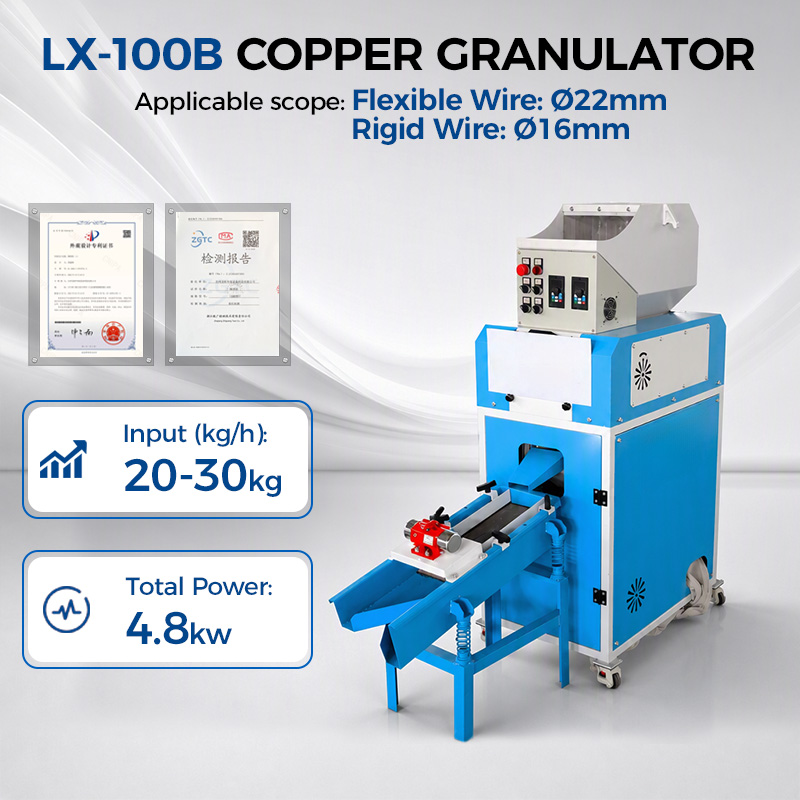
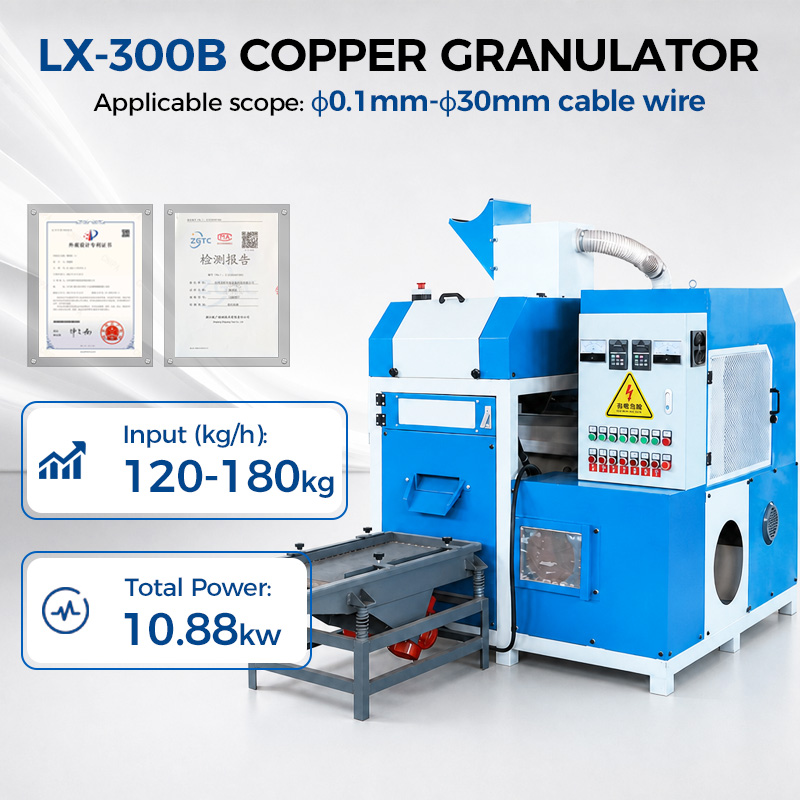
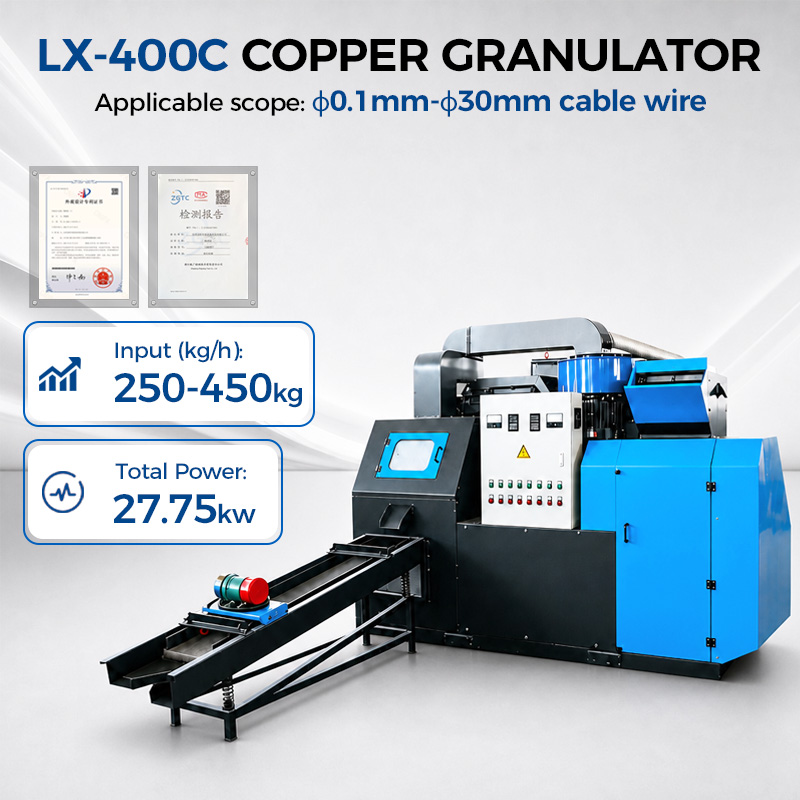
Manufacturer Recommendations: Consider sourcing directly from manufacturers like Hangzhou Lansing Machinery Co., Ltd., which specializes in hydraulic shears and has a reputation for quality and reliability in the recycling equipment sector. Manufacturers often provide better pricing and support for bulk orders, including options like Copper Granulator for your recycling needs.

Referrals from Industry Peers: Networking with other professionals in your industry can provide insights into suppliers they’ve worked with, highlighting those with a proven track record in delivering quality products.

Online Research: Review company websites for information on their manufacturing capabilities, certifications, and customer testimonials. This can give you a clearer picture of their reliability and product offerings.

By utilizing these strategies, you can identify suppliers who not only meet your quality standards but also align with your business needs.

Cost Factors to Consider When Sourcing Hydraulic Shears Wholesale

Cost Factors to Consider When Sourcing Hydraulic Shears Wholesale

When sourcing hydraulic shears wholesale, various cost factors come into play that can significantly affect your overall expenditure:

Material Costs: The type of materials used in manufacturing hydraulic shears directly impacts their price. For example, high-grade steel shears will generally cost more than those made from lower-quality materials due to enhanced durability and performance.

Customization Requirements: If your project demands specific custom features or adaptations, these will likely increase the overall cost. Customization can include modifications to blade design, cutting capacity, or additional safety features.

Shipping and Handling: Consider the logistics of transporting heavy machinery. Shipping costs can vary based on the supplier's location, the distance to your facility, and the method of transportation. Ensure these costs are factored into your budget.

Minimum Order Quantities (MOQ): Suppliers often have a minimum order quantity that can influence your initial investment. Understanding the MOQ and its impact on your cash flow is crucial.

After-Sales Support and Warranty: Evaluate the terms of warranty and after-sales service offered by the supplier. A robust support system can prevent unexpected costs associated with repairs and maintenance in the long run.

By comprehensively assessing these cost factors, you can make informed decisions that align with your financial objectives while ensuring you acquire quality hydraulic shears, including options like Shredding Machine for different applications.

Best Practices Explained

Best Practices Explained

Implementing best practices when using hydraulic shears can enhance performance and extend the lifespan of the equipment. Here are some essential guidelines:

Regular Maintenance: Schedule routine maintenance checks to ensure that all hydraulic components function efficiently. This includes checking hydraulic fluid levels, inspecting hoses and seals, and ensuring that blades are sharp and properly aligned.

Operator Training: Train operators thoroughly on the correct use of hydraulic shears. This training should cover safety protocols, operational procedures, and how to recognize potential issues before they escalate.

Proper Setup: Ensure that the shear is set up correctly before use. This includes adjusting the cutting height and ensuring that the material is securely positioned to prevent slippage during cutting.

Quality Checks: After cutting, inspect the finished product for quality. Look for clean edges and uniform cuts, as these are indicators of effective operation. Regular quality checks can help identify problems early and maintain production standards.

Adherence to Safety Protocols: Always follow safety protocols to protect operators and surrounding personnel. This includes using protective gear, following emergency procedures, and maintaining a clean workspace.

By adhering to these best practices, you can optimize the performance of your hydraulic shears and ensure a safe working environment.

Applications of Hydraulic Shears in Various Industries and Projects

Hydraulic shears have a diverse range of applications across multiple industries, making them a versatile tool for many projects. Here are some common applications:

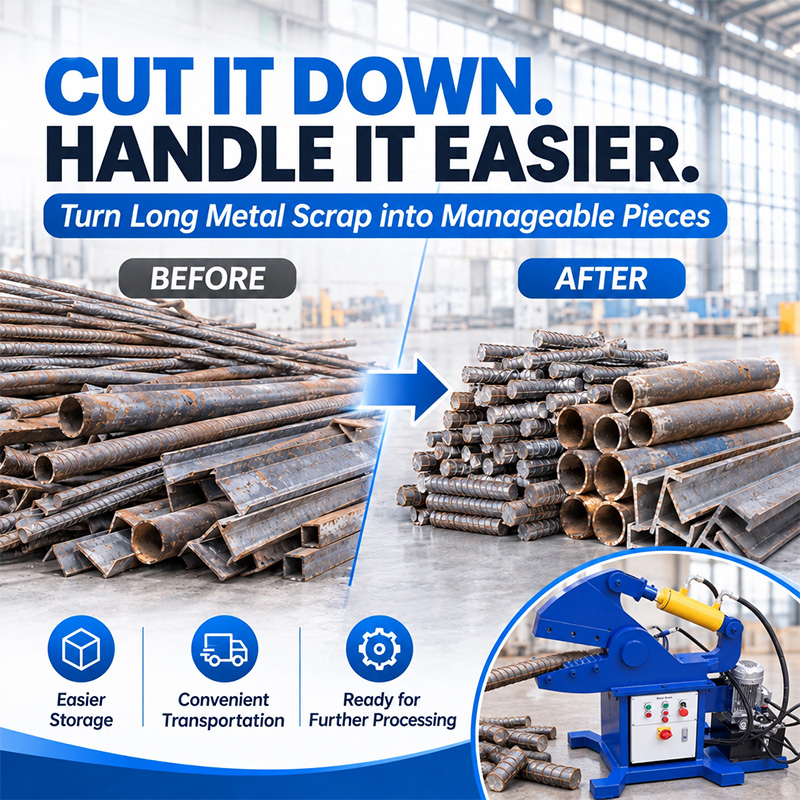
Metal Recycling: Hydraulic shears are extensively used in recycling facilities for cutting scrap metal into manageable sizes. This process facilitates transportation and further processing, making it essential for efficient recycling operations.

Manufacturing: In manufacturing plants, hydraulic shears help cut metal sheets and components to precise dimensions, ensuring that parts fit together correctly in assembly processes.

Construction: Construction companies utilize hydraulic shears to cut rebar and structural steel, which are critical for building frameworks. Their ability to handle heavy-duty materials makes them invaluable in this sector.

Automotive Industry: In automotive manufacturing, hydraulic shears are used for cutting metal components for vehicles, contributing to the production of various parts, including frames and body panels.

Shipbuilding: Hydraulic shears play a crucial role in shipyards for cutting large sheets of metal, which are essential for constructing ship hulls and other structural components.

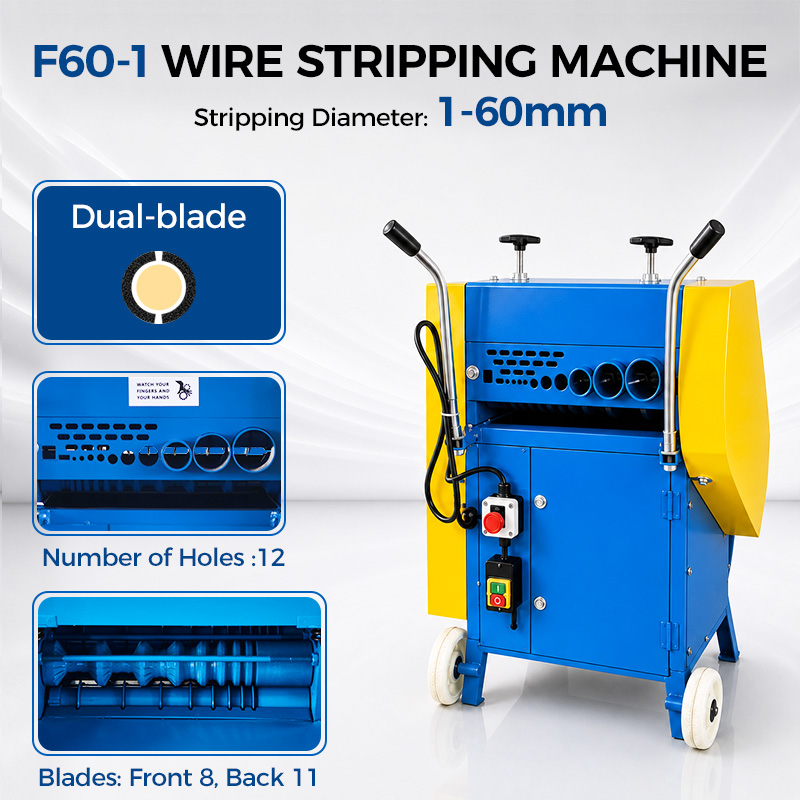
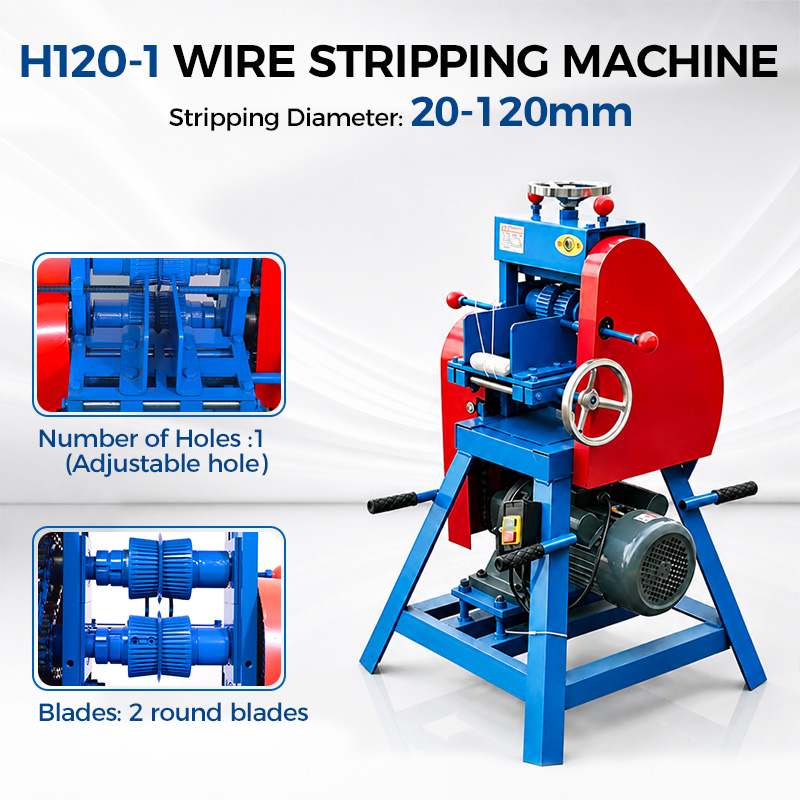
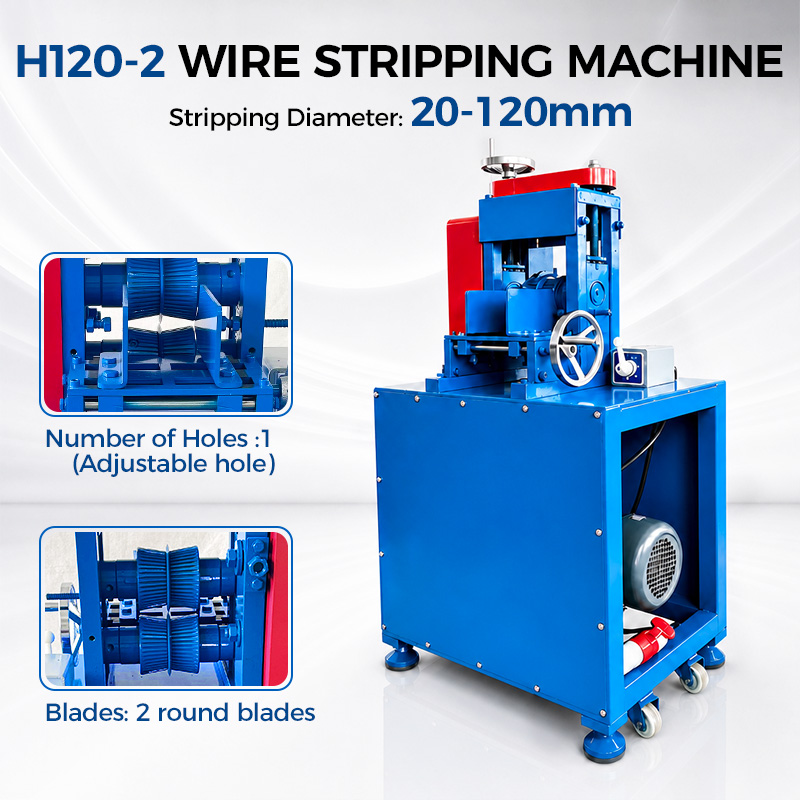
Understanding these applications can help you identify how hydraulic shears might meet specific needs within your own operations or projects, ensuring that you choose the right model for your intended use, especially when considering machines like the Wire Stripping Machine for related tasks.

Choosing the Right Hydraulic Shears for Your Project Needs

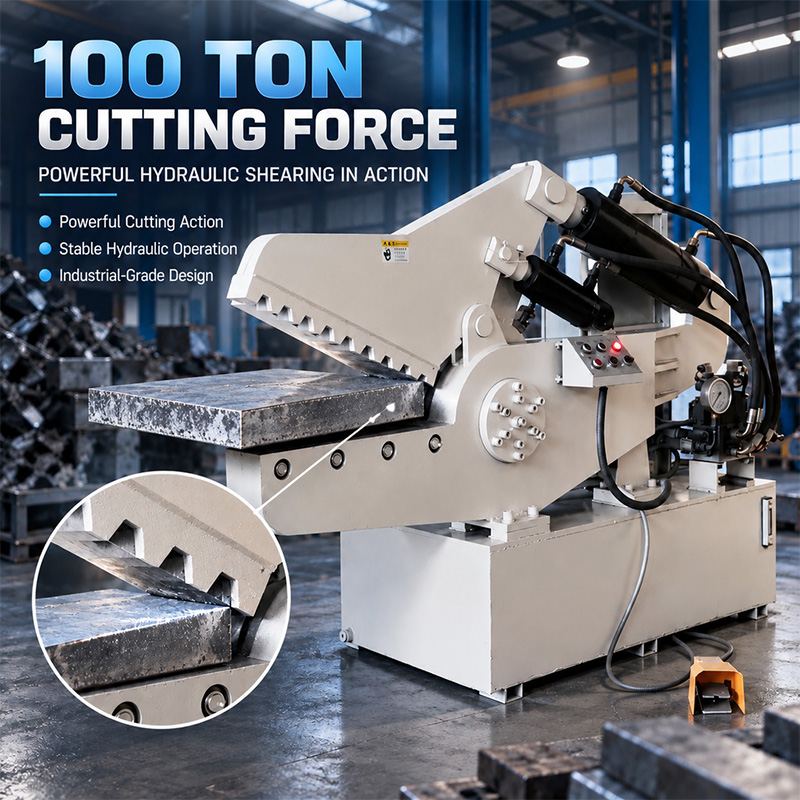
Selecting the right hydraulic shear involves understanding your specific project requirements, including material type, thickness, and cutting capacity. Hydraulic shears are available in various configurations, including guillotine and shearing machines, each suited for different cutting tasks.

When evaluating hydraulic shears, consider the following specifications:

Cutting Capacity: This refers to the maximum thickness of the material that the shear can cut. Ensure the shear can handle the specific materials you plan to work with, whether they are mild steel, stainless steel, or aluminum.

Blade Design and Material: The quality of the blade is crucial for effective cutting. High-carbon steel or alloyed blades typically offer better durability and longevity. The blade angle can also affect the cutting performance, with sharper angles providing cleaner cuts.

Hydraulic Pressure: The shear's hydraulic system should generate sufficient pressure to perform the required cutting task. Verify the machine's pressure rating and whether it can maintain this under continuous operation.

Control Features: Modern hydraulic shears often come with advanced controls for precision cutting, such as programmable settings and automatic shut-off features. Consider whether these enhancements would benefit your operations.

Safety Features: Look for safety mechanisms, such as emergency stop buttons and safety guards, to protect operators during use.

Understanding these specifications helps ensure you select a shear that meets your operational needs and maintains efficiency.

Get a Free Quote

Tell us about your recycling needs, and our team will recommend the right equipment and solution for your project.
0/1000