Choosing Small Hydraulic Shears for Your Needs

application/small-hydraulic-shear, application/small-hydraulic-shear, 
Inquiry
Inquiry

small hydraulic shear

Small hydraulic shears are essential tools in the recycling and manufacturing industries, designed to cut through materials such as metals and cables with precision and efficiency. Buyers often seek reliable and high-quality equipment that meets their specific project requirements, while also considering factors such as durability, cost, and supplier credibility. This article will guide you through the key considerations for selecting a small hydraulic shear, including sourcing, pricing factors, and material advantages, helping you make informed purchasing decisions.

Where to Source Quality Small Hydraulic Shears for Wholesale Orders

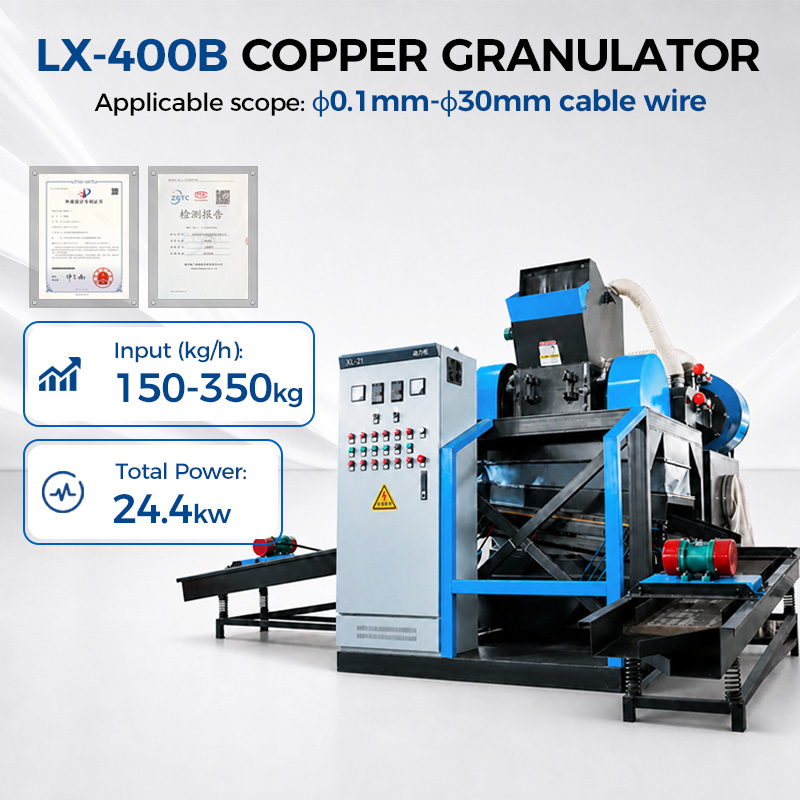
Finding a reliable supplier for small hydraulic shears is essential for consistent quality and service. Look for manufacturers with a proven track record in the recycling equipment industry, such as Hangzhou Lansing Machinery Co., Ltd., known for its integration of manufacturing and R&D capabilities. Suppliers that also offer products like Copper Granulators can provide a more extensive range of solutions for your recycling needs.

When sourcing, consider suppliers that offer comprehensive support, including design consultation, technical assistance, and robust after-sales service. It's beneficial to work with suppliers who can provide customization options tailored to your specific needs. Also, verify their production capacity and lead times to ensure they can meet your ordering and delivery schedules.

Trade shows and industry exhibitions can be excellent opportunities to meet suppliers, see equipment in action, and discuss your requirements. Online platforms that focus on B2B transactions can also connect you with reputable manufacturers and distributors, facilitating competitive pricing and better negotiation opportunities.

A Buyeru2019s Guide

When preparing to purchase a small hydraulic shear, compile critical information to streamline the quoting process. Key details to include are:

Product Type: Specify the model or type of shear needed.Material Specifications: Provide details about the materials you will be cutting, including thickness and type.Performance Requirements: Outline any specific performance metrics, such as cutting speed and precision.Customization Needs: Indicate if you require custom features or modifications.Quantity and Lead Time: State the quantity you wish to order and any expected delivery timelines.Packaging and Shipping: Discuss preferred packaging methods to ensure safe transit.

By providing clear and comprehensive information, you ensure that suppliers can offer accurate quotes and tailored solutions. Additionally, request samples when possible to evaluate quality and performance against your expectations.

Understanding the Cost Factors of Small Hydraulic Shears for Bulk Orders

The cost of small hydraulic shears can vary widely based on several factors. Key considerations include:

Material Costs: The quality of materials used in the shear's construction affects pricing. Higher quality materials may incur a higher initial cost but can lead to better durability and lower maintenance expenses in the long run.Manufacturing Complexity: The production process and the complexity of design will influence costs. Custom features or advanced technologies may increase the price.Order Volume: Purchasing in bulk often leads to price breaks, but minimum order quantities (MOQs) can vary by supplier. Understanding these thresholds is crucial for budgeting.Shipping and Handling: Consider costs associated with transporting the equipment, including customs duties if importing. Efficient logistics can help minimize these expenses.

It's advisable to request detailed quotations from multiple suppliers to compare not just base prices but also the total cost of ownership, including maintenance and potential downtime.

Material Advantages of Small Hydraulic Shears for Effective Cutting

The choice of materials for small hydraulic shears significantly impacts their cutting effectiveness and longevity. Common materials used in construction include hardened steel for blades, which provide sharpness and resilience against wear. The heat treatment process applied to these blades enhances their durability, allowing them to maintain performance over extended periods.

Additionally, consider the shear's overall design and construction. A robust frame can withstand higher operational stresses, which is particularly important for high-volume applications. Depending on the material being processed, special coatings or treatments may be applied to prevent corrosion and enhance performance in harsh environments.

Moreover, understanding the compatibility of the shear with various types of materials will help in selecting the right tool for your operations. For example, if handling non-ferrous metals, a shear with specific blade geometries designed for those materials can optimize cutting efficiency and reduce operational wear.

In summary, selecting the right small hydraulic shear involves careful consideration of your project requirements, sourcing from reputable suppliers, understanding cost factors, and recognizing the material advantages that contribute to effective cutting. By following these guidelines, you can ensure that your investment in hydraulic shears meets your operational needs and enhances your overall productivity.

Choosing the Right Small Hydraulic Shear for Your Project Needs

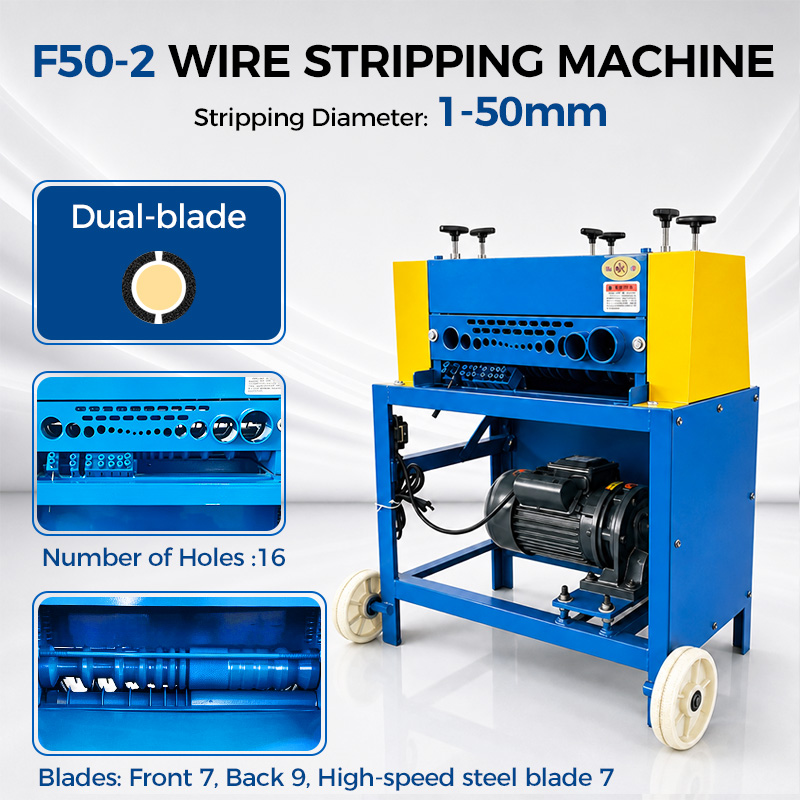
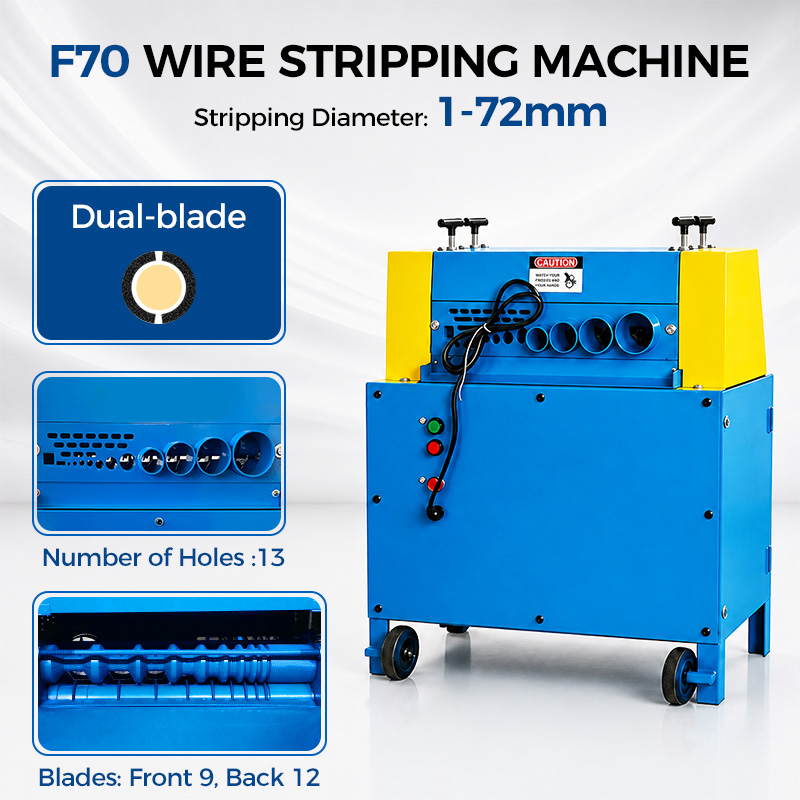
When selecting a small hydraulic shear, consider the specific requirements of your project. Key factors include the type of material you'll be cutting, the thickness of the material, and the shear capacity. For instance, aluminum and steel have different properties, which can affect cutting performance. A shear designed for light gauge metal may not perform well with thicker steel, so understanding the material properties is crucial. If you're also dealing with electrical materials, a Wire Stripping Machine can be a complementary tool for your operations.

Another important consideration is the shear's cutting speed and cycle time, which can significantly impact productivity. Evaluate the machine's hydraulic system specifications; those with higher pressure ratings typically offer better cutting efficiency. Additionally, think about the shear's footprint and weight—especially if space is limited in your facility. Customization options, such as blade types and sizes, can also enhance performance for specific applications.

Get a Free Quote

Tell us about your recycling needs, and our team will recommend the right equipment and solution for your project.
0/1000