Choosing the Right Hydraulic Shear Machine

application/hydraulic-shear-machine, application/hydraulic-shear-machine, 
Inquiry
Inquiry

hydraulic shear machine

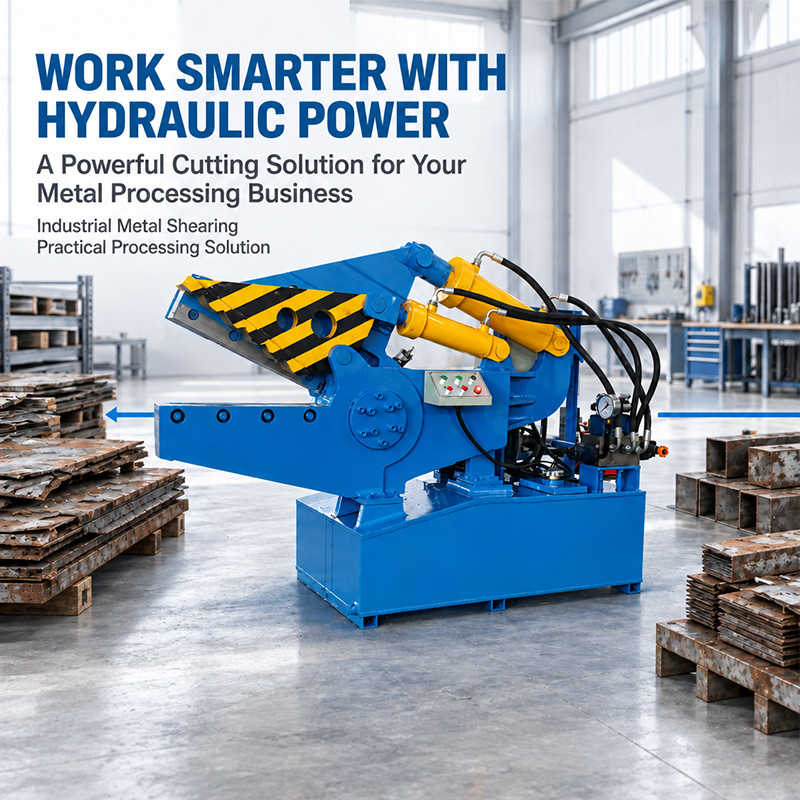
Hydraulic shear machines are vital tools in the manufacturing and recycling industries, primarily used for cutting and shearing metals and other materials. For businesses involved in recycling waste cables and metals, selecting the right hydraulic shear machine is crucial to ensuring optimal operation, efficiency, and cost-effectiveness. This article addresses key buyer concerns such as performance evaluation, cost implications, best practices, common issues, and reliable sourcing options for hydraulic shear machines.

Cost Factors to Consider for Bulk Orders of Hydraulic Shear Machines

Cost Factors to Consider for Bulk Orders of Hydraulic Shear Machines

When considering bulk orders of hydraulic shear machines, several cost factors come into play that can significantly impact the overall budget:

Base Price: The initial cost of the machines is obviously a primary concern. However, it’s worthwhile to compare the base prices across different manufacturers while considering the quality of materials and components used.

Customization Requirements: If specific machine customizations are necessary to meet unique operational needs, this can add to the cost. Custom features might include specialized blade designs or modifications to hydraulic systems.

Shipping and Handling Fees: These can vary significantly based on the supplier's location and the buyer's destination. Understanding shipping costs upfront can help avoid surprises later in the purchasing process.

Volume Discounts: Many manufacturers, including Hangzhou Lansing Machinery Co., Ltd., may offer discounts for bulk orders. Engaging in negotiations can lead to better pricing.

Maintenance and Operational Costs: It’s also important to factor in the long-term costs associated with maintenance, parts replacement, and potential downtime. Machines that are easier to maintain and have readily available parts may lead to lower operational costs over time. Consider options like the LX-400C 250-450kg/h Fully Enclosed Copper Wire Granulator for effective operational cost management.

By thoroughly evaluating these cost factors, businesses can make informed decisions that align with their financial and operational objectives.

Best Practices

Best Practices

To maximize the efficiency and lifespan of hydraulic shear machines, implementing best practices is essential:

Regular Maintenance: Establish a routine maintenance schedule that includes checking hydraulic fluid levels, inspecting blade sharpness, and ensuring all components are functioning correctly. Regular maintenance can prevent costly breakdowns and extend the machine's life.

Proper Training: Ensure that operators are trained not only in the operation of the machine but also in safety protocols. Well-trained personnel can minimize risks and enhance productivity.

Material Handling: Proper handling of materials before they enter the shear can reduce wear on blades and improve cutting efficiency. Avoiding materials with embedded contaminants can also protect the machine from damage.

Quality Control: Implementing a quality control process after cutting can help identify issues early, preventing rework and waste. Regular assessments of cut materials ensure they meet industry standards.

By adhering to these best practices, businesses can optimize their hydraulic shear machine performance and minimize operational disruptions.

Common Problems with Hydraulic Shear Machines and Effective Solutions

Common Problems with Hydraulic Shear Machines and Effective Solutions

Even with the best practices in place, users may encounter several common issues with hydraulic shear machines. Understanding these problems and their solutions can help maintain operational efficiency:

Blunt Blades: Over time, blades can become dull, leading to poor cut quality and increased strain on the machine. Regularly scheduled sharpening or replacement of blades is essential. Operators should be trained to recognize the signs of dull blades early.

Hydraulic Leaks: Leaks in the hydraulic system can lead to loss of pressure and performance. Regular inspections can help identify leaks early. Utilizing high-quality seals and connections can mitigate this issue.

Electrical Failures: Problems with electrical components can cause operational delays. Keeping spare parts on hand for critical electrical components can reduce downtime significantly.

Material Jamming: Inadequately prepared materials can cause jams. Ensuring that materials are cut to the appropriate size and free from contaminants can help minimize this risk.

By addressing these common problems proactively, businesses can maintain smoother operations and reduce the likelihood of unexpected downtime.

Where to Source Reliable Hydraulic Shear Machines for Your Business

Sourcing hydraulic shear machines requires careful consideration of potential suppliers. Here are some steps to ensure reliable procurement:

Evaluate Manufacturer Reputation: Research manufacturers with a proven track record in the industry. Look for customer reviews, case studies, and testimonials that can provide insight into product quality and support services.

Assess Customization Capabilities: If your business requires specific modifications, ensure that potential suppliers can accommodate these needs. Engaging with manufacturers that offer tailored solutions can enhance operational effectiveness.

Check for After-Sales Support: Reliable after-sales service, including maintenance support and replacement parts availability, is critical. Establishing a relationship with manufacturers who offer comprehensive support can lead to long-term benefits.

Visit Production Facilities: If possible, visiting the manufacturer’s facilities can provide a deeper understanding of their production processes and quality control measures. This firsthand experience can build confidence in the supplier’s capabilities.

Engage in Detailed Discussions: Before finalizing any purchases, engage in in-depth discussions with potential suppliers about your specific needs and expectations. This communication can clarify any uncertainties and help establish a solid working relationship.

By following these sourcing strategies, businesses can find reliable hydraulic shear machines that meet their operational needs and support their goals for efficiency and productivity. For instance, integrating a model like the LS-600B 22 kW Dual-Shaft Shredder for Waste Pre-Processing could significantly enhance their operational capabilities.

How to Compare Hydraulic Shear Machines for Optimal Performance

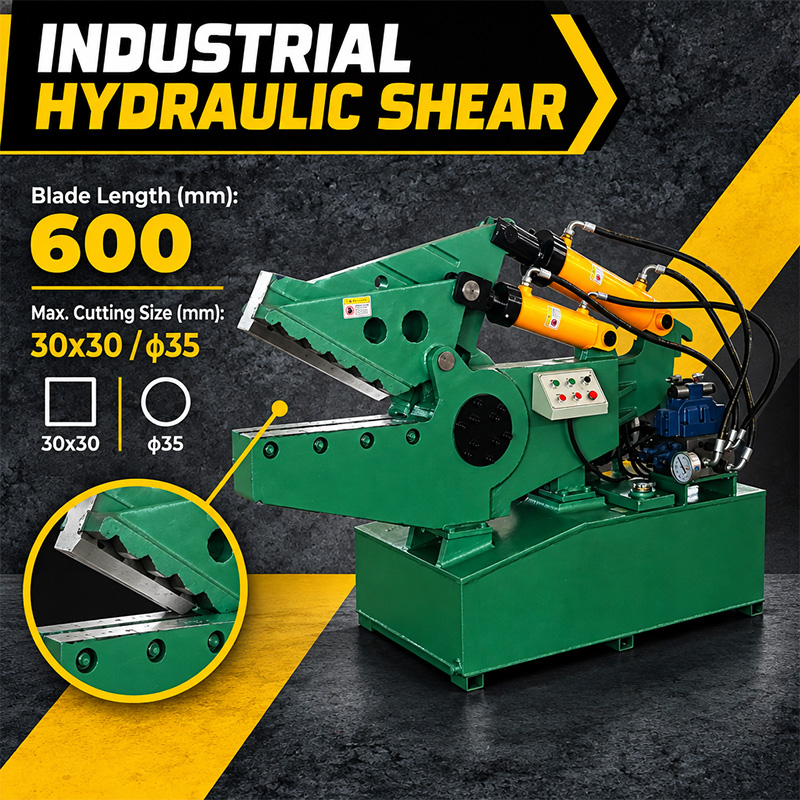
When evaluating hydraulic shear machines, several performance parameters should be prioritized. Key specifications include cutting capacity, blade material, and hydraulic pressure.

Cutting Capacity: This is typically defined by the maximum thickness and type of material the machine can handle. For example, a shear designed for thick steel will need a different configuration compared to one used for lighter materials. Buyers should assess their specific material requirements to select an appropriate model.

Blade Material and Design: The durability and sharpness of the blades directly affect cutting efficiency and maintenance needs. High-carbon steel blades, for instance, may offer better longevity and precision for heavy-duty applications.

Hydraulic Pressure: The operating pressure of the hydraulic system is crucial. Higher pressure usually translates to better cutting performance but may also necessitate more robust components and maintenance. It’s essential to match the machine's hydraulic specifications with the intended application.

Cycle Time: This refers to the speed at which the machine can perform cuts. A faster cycle time increases productivity but may also lead to higher operational wear if not managed properly.

Buyers should compile a checklist of these factors and prioritize them based on their specific operational needs to ensure they choose a machine that aligns with their production goals. For example, those looking for high-performance options may consider the LE-500B Electrostatic Separator for Copper and Plastic Recovery.

Get a Free Quote

Tell us about your recycling needs, and our team will recommend the right equipment and solution for your project.
0/1000