Choosing the Right Hydraulic Shears for Your Needs

application/hydrolic-shears, application/hydrolic-shears, 
Inquiry
Inquiry

hydrolic shears

Choosing the right hydraulic shears is crucial for businesses involved in recycling waste cables and metals. These tools play a vital role in efficiently processing materials, and understanding their specifications and quality is paramount for purchasing managers and engineers alike. This article outlines key considerations for selecting hydraulic shears, ensuring you make informed decisions that align with your operational needs.

Key Specifications of Hydraulic Shears for Bulk Purchases

Key Specifications of Hydraulic Shears for Bulk Purchases

When considering bulk purchases of hydraulic shears, it is essential to focus on specific technical specifications that will impact their performance and longevity in your operations.

Cutting Force: This is typically measured in tons and indicates the maximum force the shear can exert. Ensure that the cutting force aligns with the materials you intend to process.

Blade Material and Design: The blades should be made from high-quality, wear-resistant materials. Common choices include hardened steel or alloy blades, which offer durability and longevity. Additionally, if you are looking to break down larger materials, a Shredding Machine might be necessary to prepare them for cutting.

Dimensions and Weight: The overall dimensions, including blade length and weight, should be suitable for your intended applications. These factors will influence both operational efficiency and ease of handling.

Cycle Time: This refers to how quickly the shear can complete a cutting operation. A shorter cycle time can lead to increased productivity, making this a vital specification for high-volume operations.

Maintenance Requirements: Understanding the maintenance needs of the hydraulic shears will help in planning operational downtime. Look for models with easy access to components that require regular maintenance.

How to Evaluate the Quality of Hydraulic Shears for Reliability

How to Evaluate the Quality of Hydraulic Shears for Reliability

Evaluating the quality of hydraulic shears is critical for ensuring they will perform reliably under the demands of your operations. Here are key aspects to consider:

Manufacturer Reputation: Research the manufacturer’s history and reputation in the industry. Companies like Hangzhou Lansing Machinery Co., Ltd., known for providing reliable recycling equipment, have established credibility through quality products and customer service.

Quality Control Processes: Inquire about the quality control measures in place during manufacturing. A rigorous quality assurance process can help ensure that each shear meets specified performance standards.

Certifications: While this information wasn't provided, generally, look for products that adhere to industry standards and certifications, which can indicate a commitment to quality and safety.

User Reviews and Case Studies: Seek out testimonials or case studies from other businesses that have used the hydraulic shears. Real-world feedback can provide insights into reliability and performance.

Warranty and Support: Check the warranty terms and after-sales support offered by the manufacturer. A strong warranty can provide peace of mind regarding the longevity and performance of the product.

Steps and Best Practices

Steps and Best Practices

To ensure a successful purchase and implementation of hydraulic shears, following certain steps and best practices is advisable:

Define Your Requirements: Clearly outline your cutting needs, including the types of materials, thicknesses, and production volume. This will help narrow down the options.

Request Prototypes or Samples: Before making a bulk order, request samples or prototypes. Testing these in your operational environment can reveal how well they perform under actual working conditions.

Evaluate Supplier Capabilities: Assess the manufacturing capabilities of your potential suppliers. Companies with integrated manufacturing and R&D, like Hangzhou Lansing, often provide more reliable products and support.

Confirm Specifications: Double-check all specifications before finalizing your order. This includes confirming dimensions, materials, and any customization options required for your specific applications.

Plan for Training and Maintenance: Prepare your team for the operation of new hydraulic shears by planning training sessions. Additionally, establish a maintenance schedule to ensure the longevity and reliability of the equipment.

Why Quality Hydraulic Shears Matter for Your Business

Investing in quality hydraulic shears has significant implications for your business operations. High-quality shears can lead to:

Increased Efficiency: Reliable equipment reduces downtime and increases productivity, allowing for smoother operations and quicker turnaround times.

Cost Savings: While the initial investment may be higher for quality shears, the long-term savings from reduced maintenance costs and fewer replacements can outweigh these costs.

Enhanced Safety: Quality shears that meet safety standards help create a safer work environment, reducing the risk of accidents and injuries.

Consistent Performance: Quality shears provide consistent cutting results, which is crucial for maintaining the integrity of the materials processed and ensuring compliance with industry standards.

Customer Satisfaction: Ultimately, the efficiency and reliability of your operations can lead to better service delivery and improved customer satisfaction, which is vital for repeat business.

By focusing on these considerations and best practices, you can choose hydraulic shears that align with your operational needs and contribute to the success of your recycling efforts.

What to Consider When Choosing Hydraulic Shears for Your Projects

When selecting hydraulic shears, several factors must be taken into account to ensure optimal performance and suitability for your specific applications.

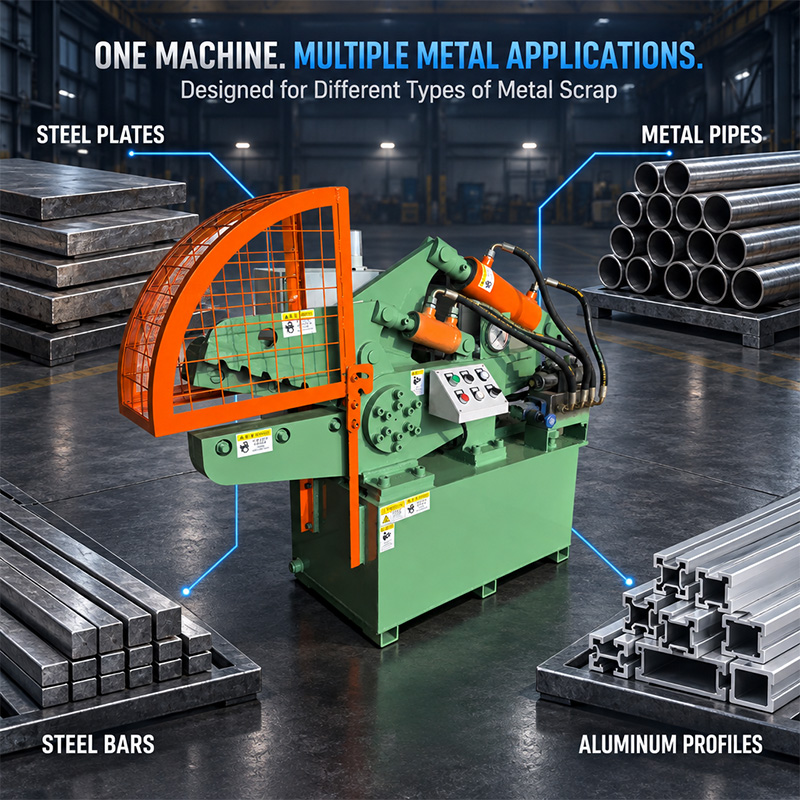
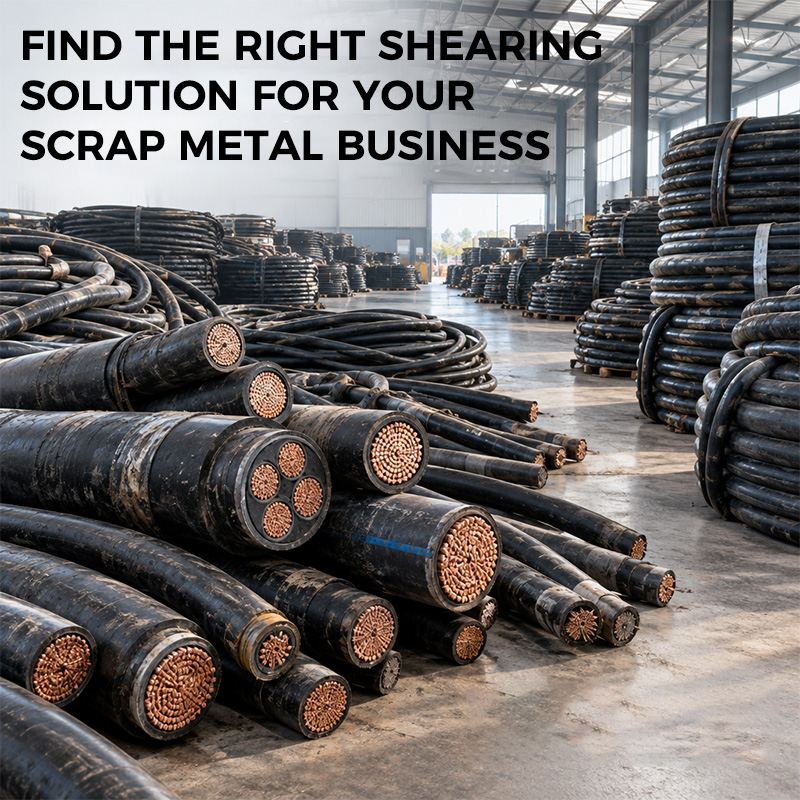
Material Compatibility: Assess the types of materials you will be processing, such as different grades of metal or various cable types. The shear should be compatible with these materials to avoid damage or inefficiency.

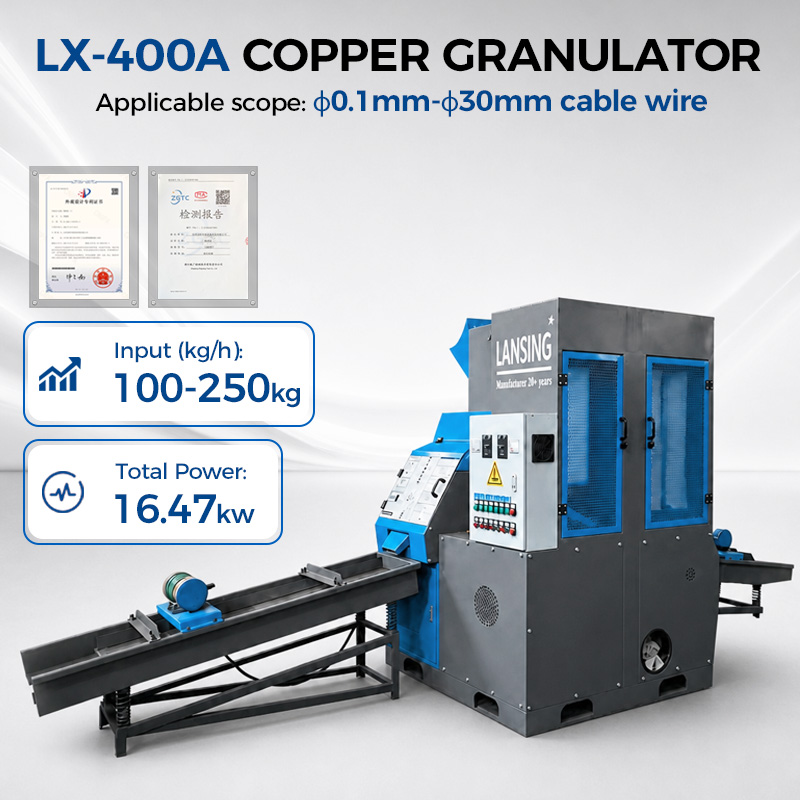
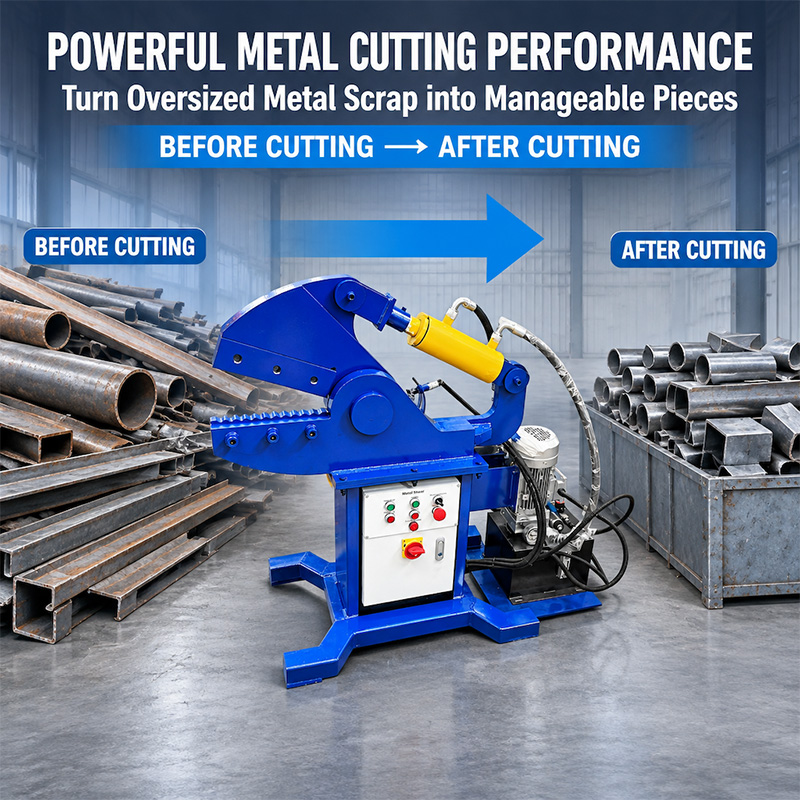
Cutting Capabilities: Consider the thickness and hardness of the materials to be cut. Hydraulic shears come in various sizes and cutting capacities, so it’s important to choose a model that meets your project requirements. For example, a Copper Granulator can complement the use of hydraulic shears when processing copper cables.

Hydraulic System: Examine the hydraulic pressure range and system design. Shears that operate at higher pressures can typically handle tougher materials, but they also require robust hydraulic systems.

Portability and Size: Depending on your operational setup, you may need portable shears or stationary models. Evaluate the space available in your facility and the mobility requirements for various jobs.

Safety Features: Ensure that the hydraulic shears come equipped with safety mechanisms. Features like automatic shut-off, emergency stops, and safety guards can prevent workplace accidents.

Get a Free Quote

Tell us about your recycling needs, and our team will recommend the right equipment and solution for your project.
0/1000