Hydraulic Sheet Shearing Machine Buying Guide

application/hydraulic-sheet-shearing-machine, application/hydraulic-sheet-shearing-machine, 
Inquiry
Inquiry

hydraulic sheet shearing machine

Hydraulic sheet shearing machines are essential tools in various manufacturing processes, particularly for cutting metal sheets into desired sizes and shapes. As a potential buyer, understanding the specifications, selection criteria, cost implications, common issues, and best practices associated with these machines is crucial. This article aims to guide purchasing managers, engineers, and product managers through the complexities of hydraulic sheet shearing machines, enabling informed decision-making for reliable and efficient operations.

How to Choose the Right Hydraulic Sheet Shearing Machine for Your Needs

Selecting the appropriate hydraulic sheet shearing machine involves assessing your specific cutting needs and production environment. Start by determining the materials you will process and their average thickness. This information will guide you in selecting a machine with adequate cutting capacity.

Consider the machine's speed and efficiency. If your operation requires high throughput, look for machines with faster cycle times. Additionally, evaluate the machine's ease of use. Features such as digital controls and automated settings can enhance productivity and reduce operator training time.

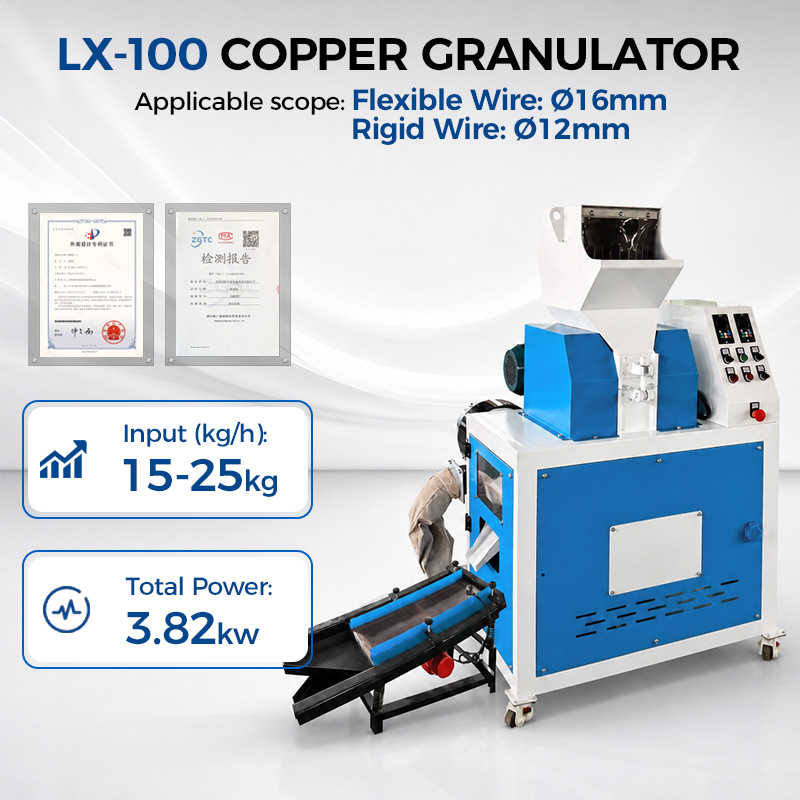
Customization capabilities also play a critical role. Many manufacturers offer machines tailored to specific applications, such as programmable cut lengths or multi-material capabilities. Discussing your unique requirements with suppliers can reveal options that may not be immediately apparent. For instance, you might consider integrating a Copper Granulator for processing materials more efficiently.

Lastly, consider after-sales support and warranty terms from manufacturers. Reliable customer service and technical support can significantly affect your operational efficiency, especially during installation and maintenance phases.

Cost Considerations When Sourcing Hydraulic Sheet Shearing Machines

The cost of hydraulic sheet shearing machines varies based on specifications, features, and manufacturer reputation. Key factors influencing the price include:

Machine Specifications: Higher cutting capacities and advanced features such as automation or enhanced safety measures typically command higher prices. It is essential to balance these features against your budget and operational needs.

Customization: Customized machines may incur additional costs, but they can provide significant efficiency and productivity gains in specific applications. Weigh these costs against potential operational efficiencies. Machines like the Shredding Machine can also be considered for specific tasks.

Maintenance and Operating Costs: Consider ongoing costs related to machine maintenance, blade replacements, and hydraulic fluid. A machine that appears less expensive upfront may incur higher costs over its operational life if it requires frequent maintenance or parts replacements.

Supplier Reputation: Established manufacturers like Hangzhou Lansing Machinery Co., Ltd. often provide more reliable products backed by comprehensive warranties and support services, which can mitigate risks associated with cheaper, less reliable options.

Common Problems with Hydraulic Sheet Shearing Machines and Solutions

Despite their utility, hydraulic sheet shearing machines can encounter several common issues:

Inconsistent Cuts: This may result from dull blades, improper alignment, or material inconsistencies. Regular blade maintenance and precise machine setup can alleviate these problems.

Hydraulic Leaks: Leaks in the hydraulic system can lead to reduced efficiency and increased maintenance costs. Regular inspections and prompt repairs of seals and hoses are vital for maintaining system integrity.

Electrical Failures: Electrical issues can arise from wear and aging. Regular inspections and maintaining updated electrical systems can reduce downtime caused by failures.

Operator Errors: Inexperienced operators may misconfigure settings, leading to operational inefficiencies. Comprehensive training and clear operational guidelines can help mitigate these errors.

Best Practices

To maximize the efficiency and longevity of hydraulic sheet shearing machines, consider the following best practices:

Regular Maintenance: Implement a scheduled maintenance program that includes inspections, cleaning, and timely replacement of worn components. This proactive approach can prevent costly downtime.

Operator Training: Ensure that all operators are adequately trained on machine operation, safety protocols, and maintenance procedures. A well-informed workforce can operate machines more efficiently and safely.

Quality Material Sourcing: Use high-quality materials suited to your machine’s specifications. Subpar materials can lead to increased wear and tear on the machine and affect the quality of the cuts.

Sampling and Testing: Before committing to large production runs, conduct sample tests to validate machine performance and adjust settings as necessary. This not only confirms machine capabilities but also helps in fine-tuning operational parameters.

Documentation and Reporting: Keep a record of operational data, maintenance activities, and any issues encountered. This documentation aids in tracking machine performance and planning for future upgrades or replacements.

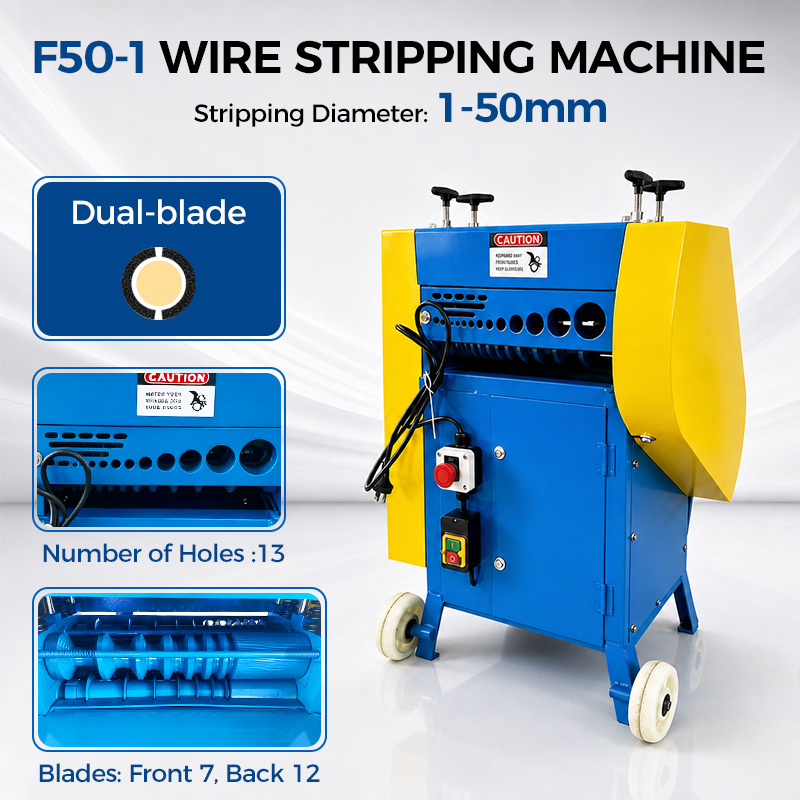
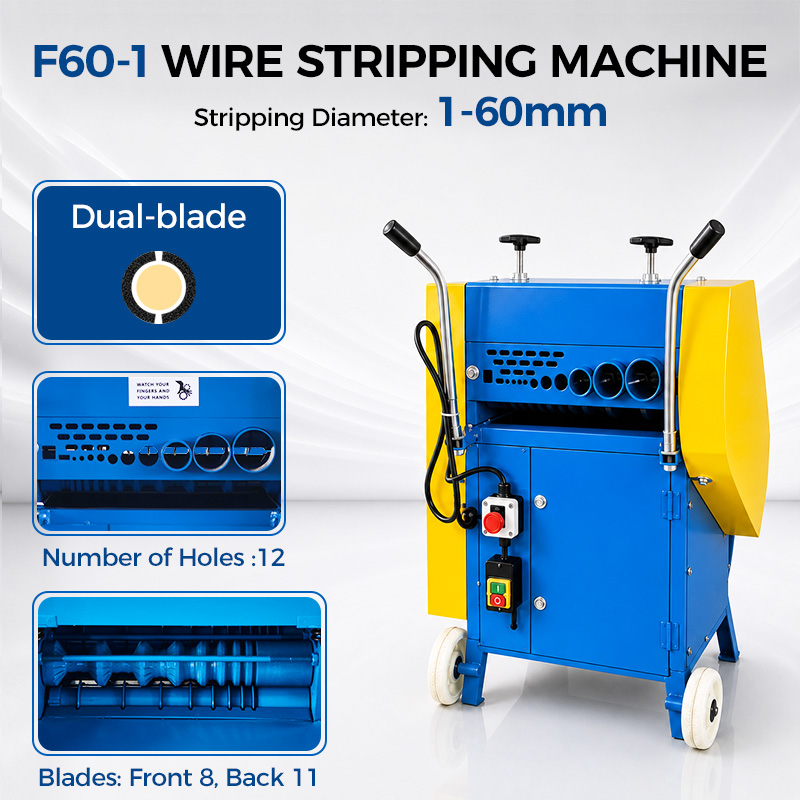
By understanding hydraulic sheet shearing machines' specifications, selection criteria, cost factors, common issues, and best practices, B2B buyers can make informed decisions that enhance their manufacturing capabilities and operational efficiency. As a leading provider, Hangzhou Lansing Machinery Co., Ltd. is equipped to support buyers through every step, from selection to after-sales service, ensuring a seamless integration of quality recycling equipment, such as the Wire Stripping Machine, into their operations.

Understanding Hydraulic Sheet Shearing Machine Specifications for Buyers

When evaluating hydraulic sheet shearing machines, buyers should focus on several key specifications. These include cutting capacity, shear blade material, maximum sheet thickness, and machine dimensions.

Cutting Capacity: This refers to the maximum thickness and type of material the machine can cut. It’s essential to match this with your production requirements; for instance, a machine designed for cutting mild steel may not perform adequately with harder materials.

Shear Blade Material: The durability of the blades directly impacts the quality and precision of cuts. High-speed steel (HSS) and carbide-tipped blades are common options, each offering distinct advantages regarding longevity and performance. Understanding wear rates and replacement costs can help manage long-term operational expenses.

Machine Dimensions: The footprint of the hydraulic sheet shearing machine is vital, particularly for facilities with limited space. Ensure the dimensions fit your operational layout while allowing for proper maintenance access.

Hydraulic System Specifications: The hydraulic pressure and flow rate are critical for performance. Higher pressure generally translates to more robust cutting capabilities, but this must be balanced with operational costs and energy consumption.

Get a Free Quote

Tell us about your recycling needs, and our team will recommend the right equipment and solution for your project.
0/1000