Choosing the Right Heavy Duty Hydraulic Shear

application/heavy-duty-hydraulic-shear, application/heavy-duty-hydraulic-shear, 
Inquiry
Inquiry

heavy duty hydraulic shear

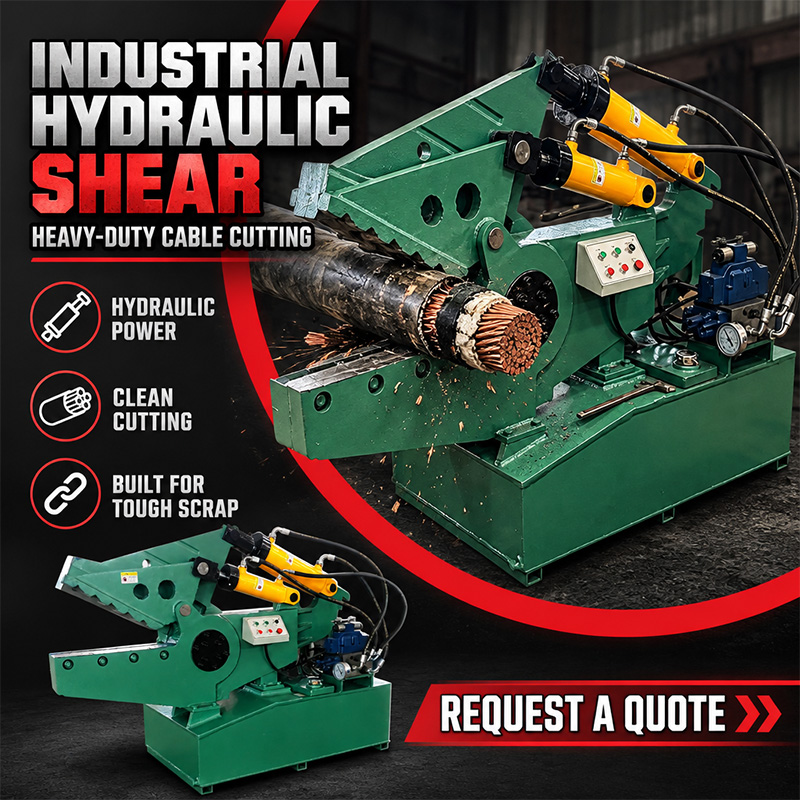
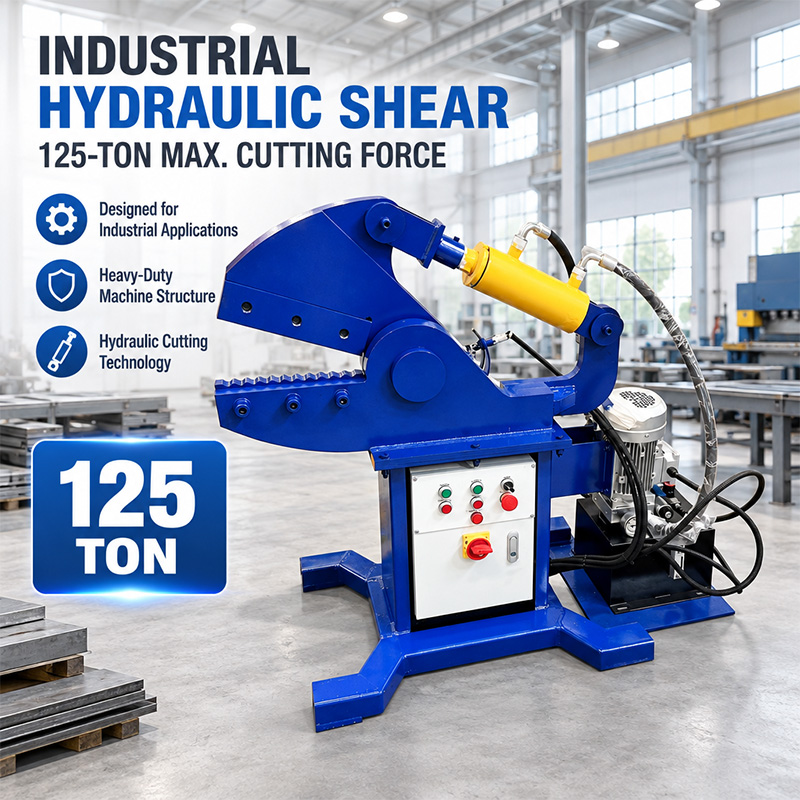
Choosing the right heavy duty hydraulic shear is essential for industries involved in metal recycling and fabrication. These machines are designed to cut through thick materials with precision and efficiency, making them a critical asset for manufacturing and recycling operations. , we will address key considerations for selecting a hydraulic shear, evaluate various options, explain important technical specifications, discuss applications across multiple industries, and provide installation guidance to ensure optimal performance.

Evaluating Your Heavy Duty Hydraulic Shear Options

Evaluating Your Heavy Duty Hydraulic Shear Options

To make an informed decision, it’s essential to evaluate various hydraulic shear models based on their specifications and features. Start by comparing blade types, as they can significantly affect cutting performance. Shears may feature different blade geometries, such as straight or inclined edges, which can influence the quality of the cut and the material's deformation.

Another important consideration is the shear's construction quality. Robust materials and advanced engineering can enhance durability and reliability. Look for features such as reinforced frames and wear-resistant blades, which can withstand the rigors of continuous operation.

It’s also advisable to review the manufacturer's reputation in the industry. A company like Hangzhou Lansing Machinery Co., Ltd., known for its integrated manufacturing and research capabilities, can provide insights into the machine's performance and after-sales support. Checking customer reviews and testimonials can further aid in assessing the reliability and effectiveness of the equipment.

Technical Specifications for Heavy Duty Hydraulic Shears Explained

Technical Specifications for Heavy Duty Hydraulic Shears Explained

Understanding the technical specifications of heavy duty hydraulic shears is vital for making the right choice. Key specifications to consider include:

Cutting Capacity: This is typically measured in millimeters and denotes the maximum thickness of material the shear can handle. It's important to choose a shear that exceeds your maximum expected cutting needs.

Blade Length: The length of the blades affects the width of the material that can be cut in one pass. Longer blades can reduce the need for multiple cuts, enhancing efficiency.

Stroke Length and Speed: These determine how quickly the shear can operate and how effectively it can cut through different materials. A longer stroke can be advantageous for thicker materials.

Hydraulic Pressure: Measured in bar or psi, this indicates the force exerted by the hydraulic system. Higher pressure ratings generally equate to better cutting capabilities but also require robust construction to handle the stress.

Weight and Dimensions: The overall weight and size of the shear can impact installation and operational requirements. Ensure that your facility can accommodate the machine’s footprint and weight.

Familiarity with these specifications allows buyers to select the right machine tailored to their specific operational needs.

Applications of Heavy Duty Hydraulic Shears in Various Industries

Applications of Heavy Duty Hydraulic Shears in Various Industries

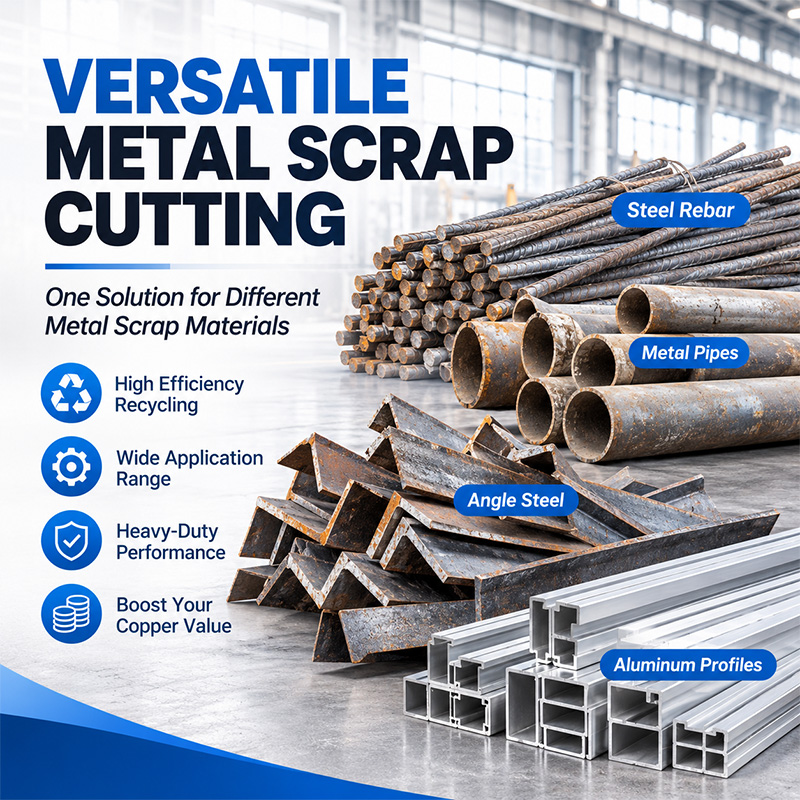
Heavy duty hydraulic shears find applications across diverse industries, owing to their versatility and efficiency. In the metal recycling sector, these machines are indispensable for cutting scrap metals into manageable sizes for processing. This not only facilitates recycling but also optimizes transportation logistics.

In manufacturing, hydraulic shears are used for producing parts and components for automotive, aerospace, and construction applications. They enable the precise cutting of sheets and plates to custom dimensions, ensuring that components fit perfectly into assembly lines.

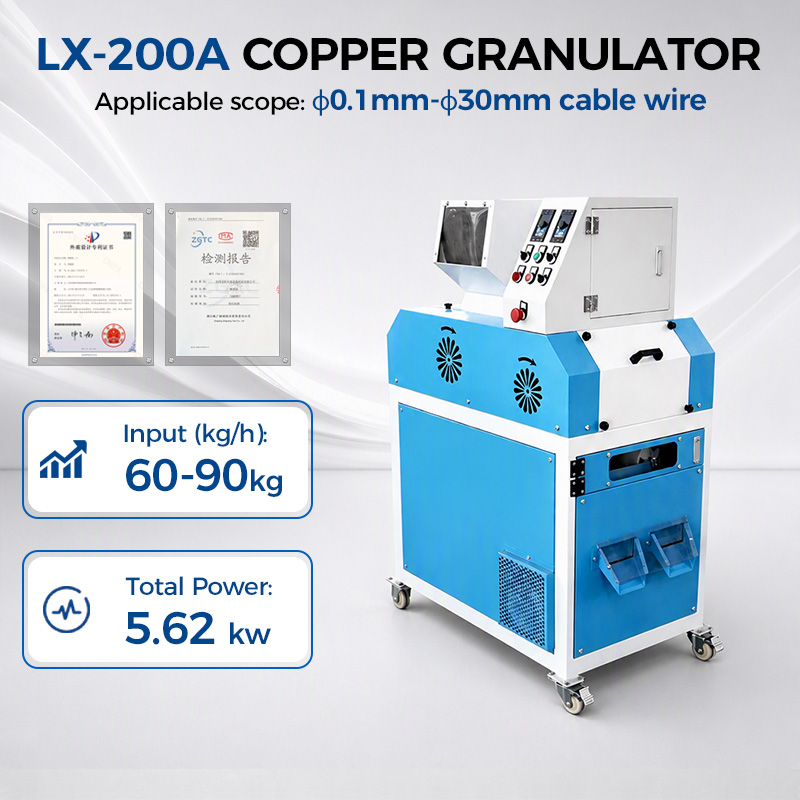
In the electrical industry, heavy duty hydraulic shears assist in the processing of waste cables, allowing for the easy separation of copper and aluminum for recycling. This application is particularly relevant for companies focusing on sustainable practices and waste reduction. For example, using specialized equipment like the LX-300B 120-180kg/h Copper Wire Granulator with Air Separation can enhance efficiency in cable recycling.

Installation Guidance for Your New Heavy Duty Hydraulic Shear

Proper installation of a heavy duty hydraulic shear is critical for optimal performance and safety. Here are essential guidelines to consider:

Site Preparation: Ensure the installation site is level and capable of supporting the shear's weight. Consider the layout for efficient workflow and access for maintenance.

Hydraulic Connections: Follow the manufacturer's guidelines for connecting the hydraulic system. Ensure that hoses and fittings are securely attached to prevent leaks and maintain pressure.

Calibration and Testing: After installation, calibrate the machine according to the manufacturer's specifications. Conduct test runs with the intended materials to ensure all settings are correct, and adjust as necessary.

Safety Measures: Install necessary safety features such as emergency stop buttons, safety guards, and warning signage. Training operators on safe handling practices is essential to prevent accidents.

Regular Maintenance: Schedule routine inspections and maintenance to ensure the shear operates efficiently over time. This includes checking hydraulic fluid levels, inspecting blades, and cleaning the machine to prevent debris buildup.

Following these installation guidelines can help ensure that your heavy duty hydraulic shear operates reliably and efficiently for years to come.

By considering these factors and following best practices, buyers can make a well-informed decision when selecting a heavy duty hydraulic shear that best fits their operational needs.

What to Consider When Choosing a Heavy Duty Hydraulic Shear

When selecting a heavy duty hydraulic shear, buyers should prioritize several key factors. First, assess the maximum cutting capacity, which is influenced by the thickness and type of material being processed. For instance, shear blades designed for cutting steel will differ significantly from those intended for aluminum or copper. Understanding material compatibility is crucial for ensuring efficient cutting and prolonging the shear's lifespan.

Next, consider the shear's cycle time and operational speed, as these can impact productivity. A machine with a quicker cutting cycle can reduce downtime and improve overall efficiency. Additionally, evaluate the hydraulic system's power source and pressure rating, as these specifications will determine the shear's effectiveness when handling demanding tasks.

Customization options can also play a significant role. Some manufacturers, such as Hangzhou Lansing Machinery Co., Ltd., offer tailored solutions that meet specific operational requirements. Ensure that the shear can be adapted to your unique production processes and material types. For instance, options like the LE-500B Electrostatic Separator for Copper and Plastic Recovery demonstrate how tailored machinery can enhance recycling processes.

Get a Free Quote

Tell us about your recycling needs, and our team will recommend the right equipment and solution for your project.
0/1000