Evaluating Industrial Hydraulic Shears for Purchase

application/industrial-hydraulic-shears, application/industrial-hydraulic-shears, 
Inquiry
Inquiry

industrial hydraulic shears

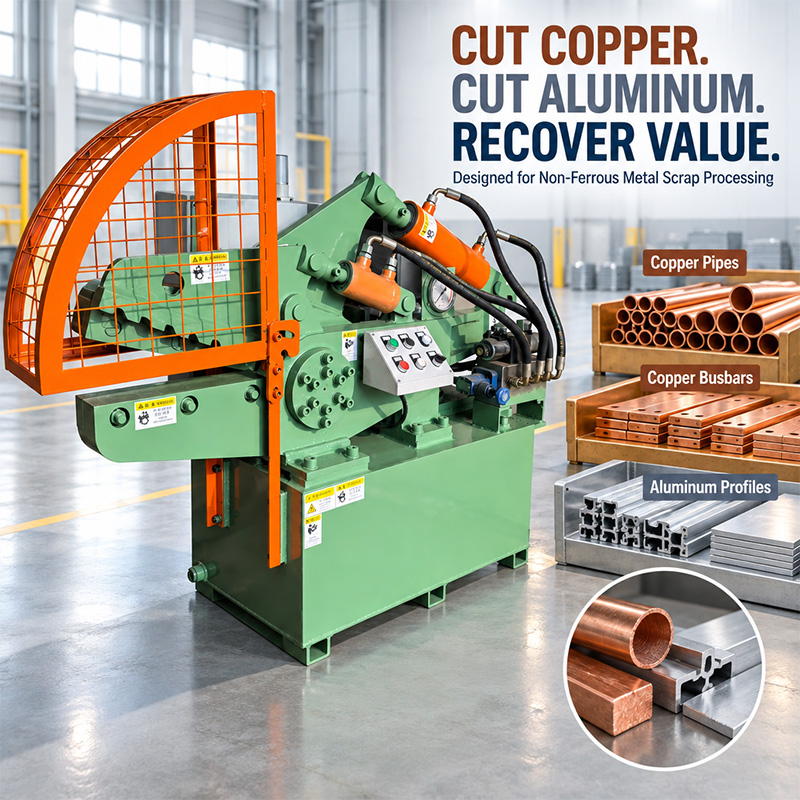
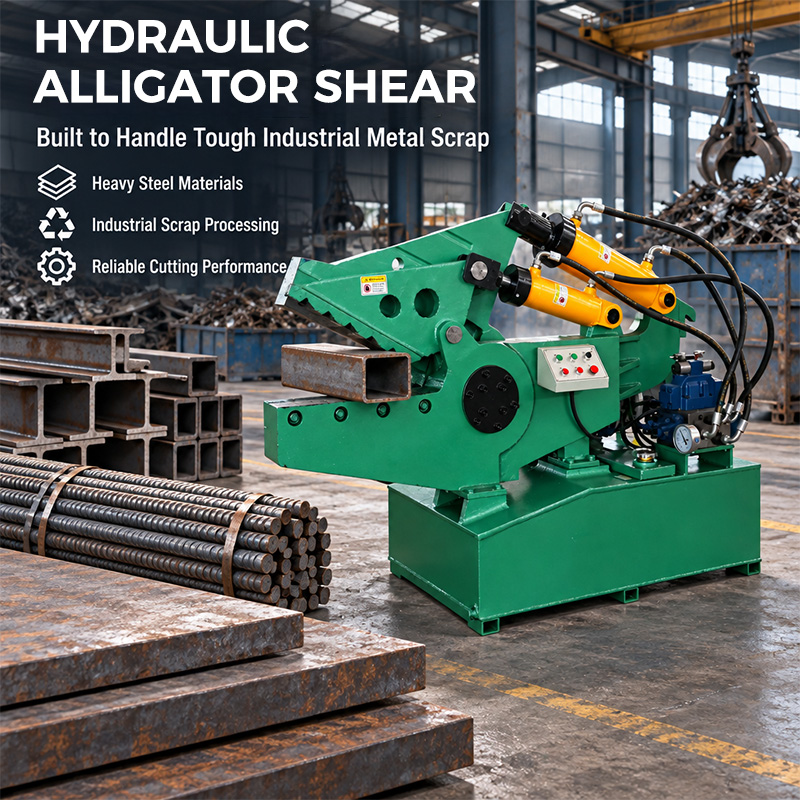
Industrial hydraulic shears are essential tools for cutting various materials, including metals and cables, in industrial settings. These machines are critical for recycling operations, enabling efficient processing and transformation of waste into reusable materials. B2B buyers often have concerns about quality, performance, and suitability for specific applications. This article will guide you through evaluating industrial hydraulic shears, focusing on key factors that influence their purchase and operational efficiency.

Industrial Hydraulic Shears for Bulk Orders

Industrial Hydraulic Shears for Bulk Orders

When considering bulk orders of industrial hydraulic shears, several factors come into play:

Minimum Order Quantities (MOQ): Understand the MOQ set by the manufacturer. This will affect your purchasing strategy, especially if you're looking to scale operations or require multiple units.

Customization Options: Many manufacturers offer customization for bulk orders. This can include specific dimensions, cutting capacities, and additional features tailored to your operational needs. For instance, pairing these shears with a Shredding Machine may provide additional processing capabilities.

Pricing Structures: Bulk orders often come with discounts. Discuss pricing options with your supplier to find competitive rates that align with your budgetary constraints.

Lead Time: Inquire about lead times for bulk orders. Manufacturing and delivery schedules can vary, so it’s essential to align these timelines with your operational plans.

Shipping and Packaging: Ensure that the manufacturer provides suitable packaging to prevent damage during transit. Discuss shipping methods and costs upfront to avoid unexpected fees.

Understanding these elements will help streamline the purchasing process and ensure you secure the best deal for your company.

Best Practices

Best Practices

To maximize the efficiency and lifespan of industrial hydraulic shears, consider the following best practices:

Regular Maintenance: Implement a routine maintenance schedule to ensure optimal performance. This includes checking hydraulic fluids, inspecting cutting blades, and cleaning components to prevent buildup.

Operator Training: Ensure that operators are well-trained in the use of the shears. Proper training can reduce the risk of accidents and enhance productivity by ensuring machines are used correctly.

Monitoring Performance: Keep track of the shear's performance metrics over time. This helps identify any degradation in cutting quality or operational efficiency, allowing for timely interventions.

Safety Protocols: Establish and enforce safety protocols to protect operators and other employees. This includes wearing appropriate safety gear and ensuring emergency stop mechanisms function correctly.

Supplier Communication: Maintain open lines of communication with your supplier for support and guidance on best practices. This relationship can be vital for troubleshooting and accessing replacement parts when needed.

These best practices can significantly enhance the performance and reliability of industrial hydraulic shears in your operations.

Common Problems with Industrial Hydraulic Shears and Their Solutions

Common Problems with Industrial Hydraulic Shears and Their Solutions

Despite their robust design, industrial hydraulic shears can encounter several common issues:

Hydraulic Fluid Leaks: Leaks can occur due to worn seals or damaged hoses. Regular inspection and timely replacement of parts can mitigate this issue.

Blunt Cutting Blades: Over time, blades may dull, leading to compromised cutting performance. Establish a routine to sharpen or replace blades to maintain cutting efficiency.

Electrical Failures: Electrical components can fail due to wear or poor maintenance. Regularly inspect and test these components to ensure they are functioning correctly.

Inconsistent Cutting Quality: This may arise from improper settings or equipment malfunction. Ensure that operators are trained to calibrate settings accurately and conduct regular maintenance checks.

Overheating: Extended operation without adequate cooling can cause overheating. Ensure that the machine's cooling systems are functioning effectively and allow for breaks during prolonged use.

By addressing these common problems proactively, you can enhance the reliability and efficiency of your industrial hydraulic shears.

Applications of Industrial Hydraulic Shears in Various Industries

Industrial hydraulic shears find applications across multiple sectors, thanks to their versatility and efficiency:

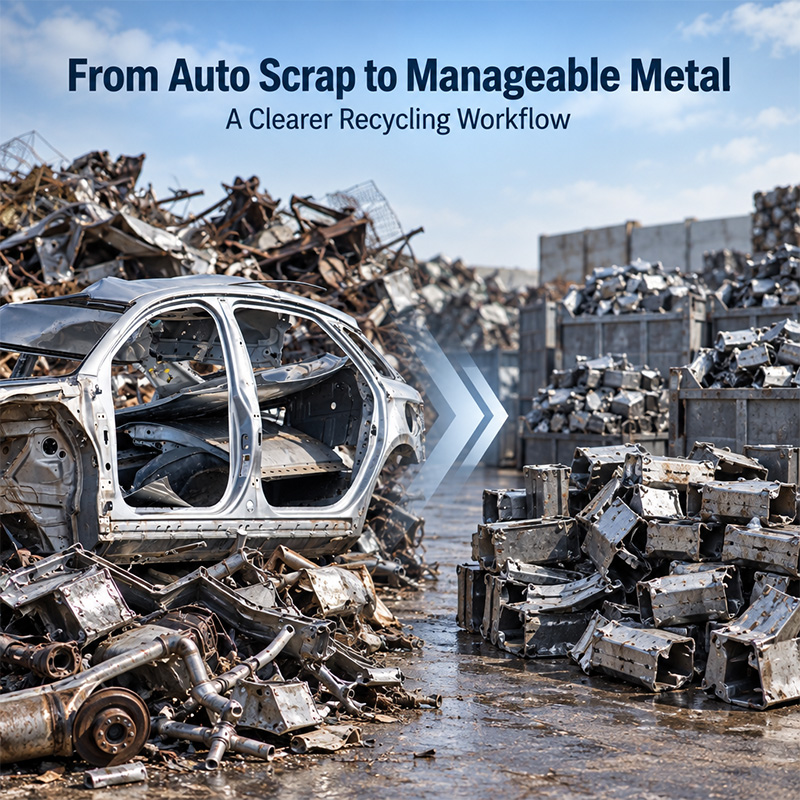
Metal Recycling: In the recycling industry, these shears are crucial for processing scrap metal. They efficiently cut down large metal pieces into manageable sizes for further processing.

Cable Recycling: For businesses involved in cable recycling, hydraulic shears are essential for cutting and processing waste cables, enabling the recovery of valuable metals within them.

Manufacturing: In manufacturing, these shears are used to cut materials to precise dimensions, ensuring high-quality production standards in various products, from automotive parts to construction materials.

Construction: Hydraulic shears are also utilized in the construction industry for cutting metal frameworks and other materials, ensuring accurate and efficient assembly.

Waste Management: Waste management facilities use these machines to process various types of waste, reducing volume and facilitating recycling efforts.

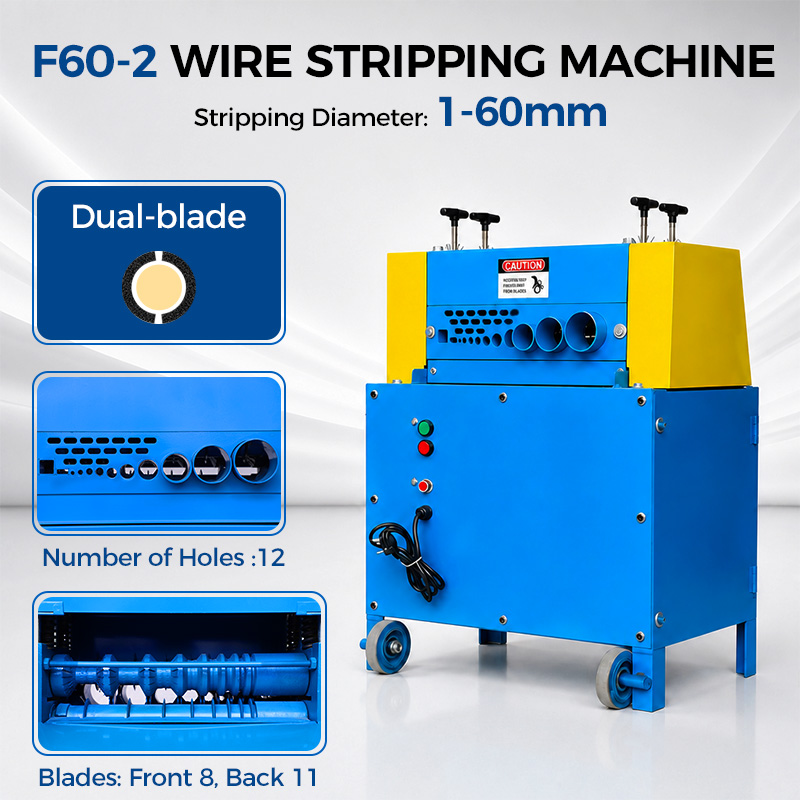
Understanding the applications of industrial hydraulic shears can help buyers choose the right equipment based on their industry needs and operational goals. Considering products like the Wire Stripping Machine can further enhance operational efficiency.

By considering these critical aspects, buyers can confidently navigate the purchasing process for industrial hydraulic shears, ensuring they select the right equipment for their specific applications and operational requirements.

How to Evaluate the Quality of Industrial Hydraulic Shears for Purchase

When purchasing industrial hydraulic shears, buyers should assess several key quality indicators:

Material and Design: The construction materials significantly impact durability and performance. Look for shears made from high-strength steel or alloy materials designed to withstand high operational stress. The design should facilitate ease of maintenance and operation.

Cutting Capacity and Specifications: Evaluate the shear's cutting capacity, including the maximum thickness and type of materials it can handle. This information is crucial for ensuring the shear meets your specific operational needs.

Manufacturing Standards and Certifications: Verify whether the shears comply with relevant industry standards and certifications. This can indicate a commitment to quality and safety, ensuring reliable operation in your facility.

Quality Control Processes: Inquire about the manufacturer’s quality assurance protocols. A robust quality control process during manufacturing can prevent defects and ensure consistent performance.

Performance Testing: Request information about any performance testing conducted on the equipment. This includes load testing and operational trials that confirm the shears meet specified performance metrics.

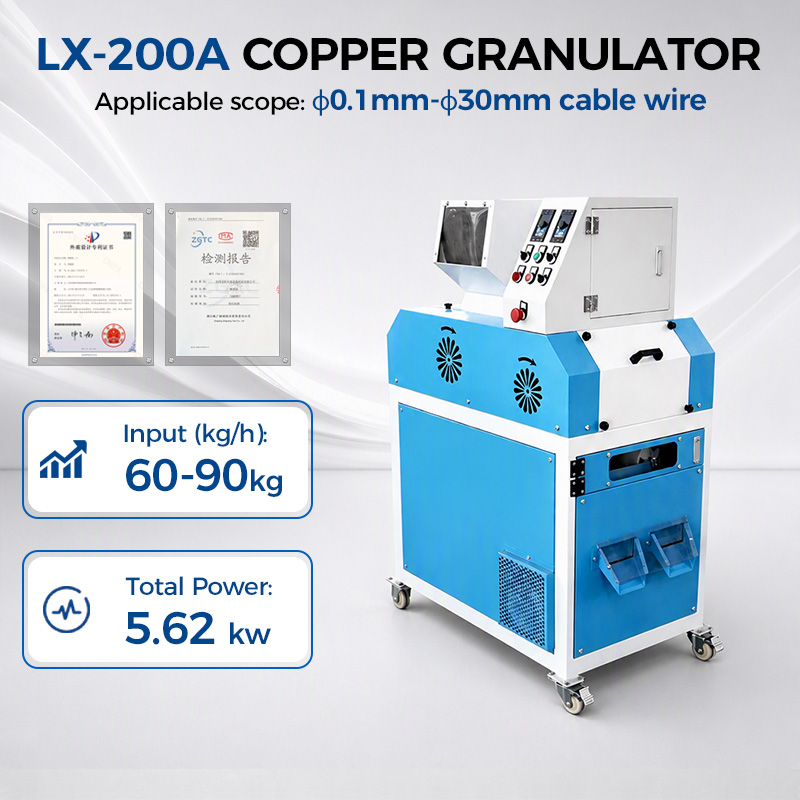
By focusing on these factors, buyers can make informed decisions that align with their operational requirements. Additionally, considering the integration of a Copper Granulator can enhance the overall recycling process.

Get a Free Quote

Tell us about your recycling needs, and our team will recommend the right equipment and solution for your project.
0/1000