Choosing the Best Small Hydraulic Metal Shear

application/small-hydraulic-metal-shear, application/small-hydraulic-metal-shear, 
Inquiry
Inquiry

small hydraulic metal shear

Choosing the right small hydraulic metal shear can significantly enhance your operations in metal recycling and fabrication. These machines are designed to cut through various metals with precision, efficiency, and minimal waste. For purchasing managers and engineers, understanding the capabilities, specifications, and potential issues associated with small hydraulic metal shears is essential for making informed decisions. This article aims to provide valuable insights into selecting, evaluating, and utilizing small hydraulic metal shears to maximize productivity and quality in your manufacturing processes.

Evaluating Quality Standards in Small Hydraulic Metal Shears

Evaluating Quality Standards in Small Hydraulic Metal Shears

Quality standards are paramount when it comes to selecting a small hydraulic metal shear. Buyers should look for equipment that meets or exceeds industry certifications, which often indicate adherence to safety and performance benchmarks. Common certifications include ISO 9001, which addresses quality management systems, and CE marking for compliance with European safety directives.

Material selection is another critical aspect influencing quality. High-grade steel components and robust hydraulic systems contribute to the shear's longevity and reliability. Ensure that the manufacturer provides detailed information about the materials used in the construction of the shear, as this will directly impact its performance and durability.

Furthermore, inquire about the manufacturer's quality control processes. A rigorous quality assurance program should encompass various stages, from raw material inspection to final testing of the finished product. Understanding these processes can help you gauge the consistency and reliability of the equipment you are considering.

Common Problems with Small Hydraulic Metal Shears and Their Solutions

Common Problems with Small Hydraulic Metal Shears and Their Solutions

Despite their efficiency, small hydraulic metal shears can experience common issues that affect performance. One frequent problem is blade wear, which can lead to compromised cutting precision and increased scrap. Regular maintenance and timely replacement of blades are essential to mitigate this issue. Establishing a maintenance schedule based on usage frequency can help maintain cutting quality over time.

Hydraulic system failures can also occur, often due to leaks or inadequate pressure. It's crucial to regularly inspect hydraulic lines and connections for signs of wear or damage. Implementing a routine check-up of hydraulic fluid levels and system pressure can enhance the operational reliability of the shear.

Lastly, misalignment can cause uneven cuts and increased stress on the machine. To prevent misalignment, ensure proper installation and alignment of the shear during setup. Utilizing laser alignment tools can aid in achieving the correct positioning, thus enhancing cutting accuracy and extending the machine's lifespan.

Applications of Small Hydraulic Metal Shears in Various Industries

Applications of Small Hydraulic Metal Shears in Various Industries

Small hydraulic metal shears are versatile tools utilized across numerous industries, including automotive, construction, and recycling. In the automotive sector, these shears are commonly used to cut metal components during vehicle assembly, helping manufacturers achieve precise dimensions for parts like chassis and body panels.

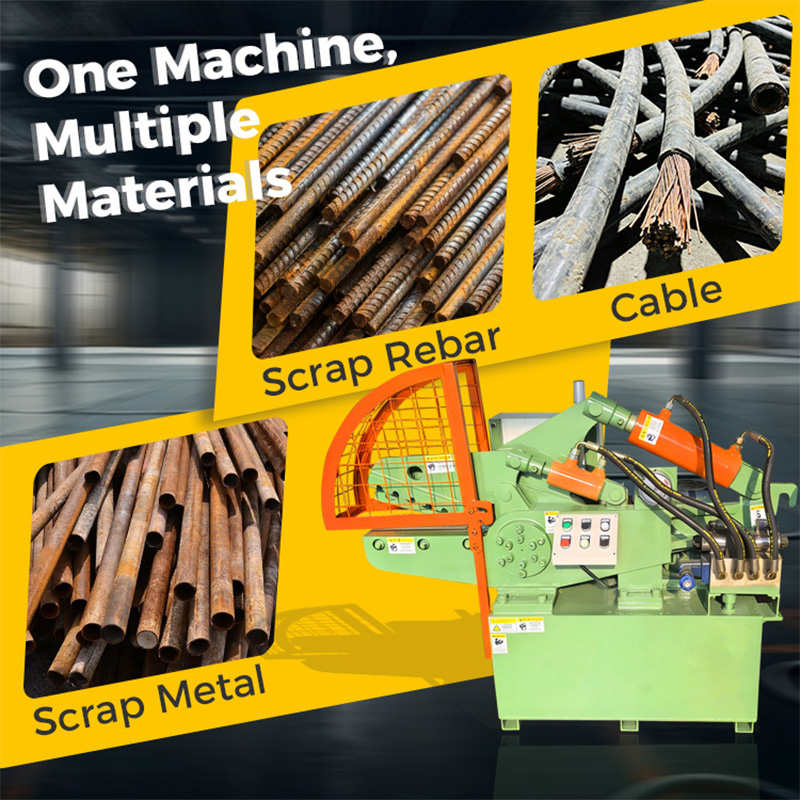
The construction industry also benefits from small hydraulic shears for cutting rebar and other metal reinforcements. Their ability to handle various metal types makes them ideal for fabricating materials needed for structural integrity.

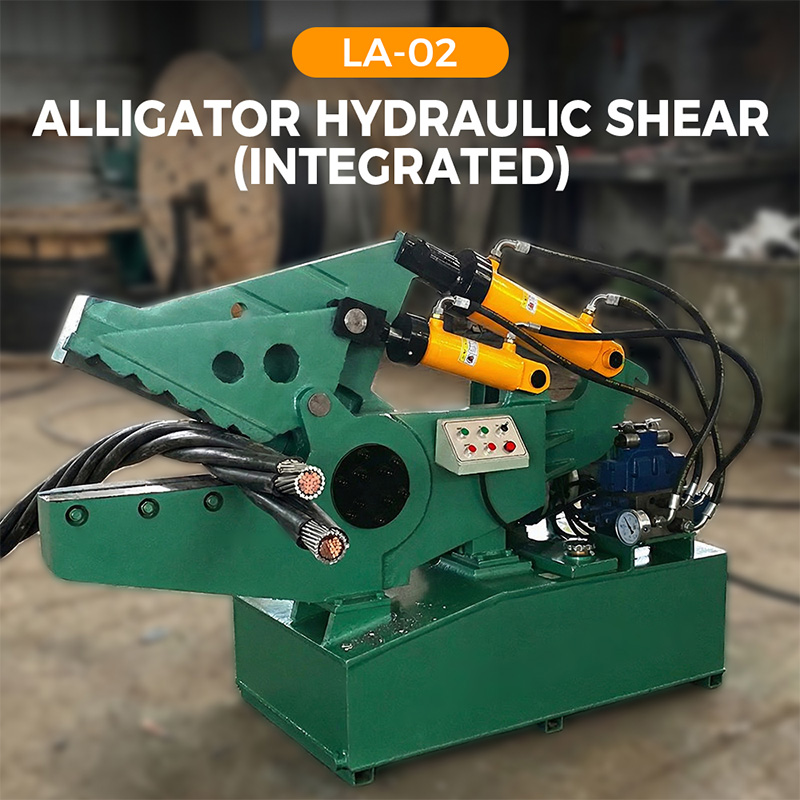
In the recycling sector, small hydraulic metal shears play a crucial role in processing scrap metals. By efficiently cutting down large pieces of scrap into manageable sizes, these machines facilitate easier transportation and further processing, making them invaluable in recycling operations. For instance, the LX-400A 100-250kg/h Copper Wire Granulator with Dual Screening can be an excellent addition to your recycling setup.

How to Compare Small Hydraulic Metal Shears for Bulk Orders

When considering bulk orders of small hydraulic metal shears, several factors should be evaluated to ensure you receive the best value and quality. Begin by comparing specifications such as cutting capacity, speed, and the range of materials that can be processed. It is essential to align these specifications with your operational needs to avoid over- or under-investing in capability.

Next, assess pricing structures and minimum order quantities (MOQ). Some manufacturers may offer discounts for larger orders, which could significantly impact your overall expenditure. Ensure you understand the terms of these offers, including lead times and shipping costs, to budget effectively.

Additionally, consider the manufacturer's reputation and customer service. Engaging with suppliers who have a proven track record of delivering high-quality products and responsive support can lead to a smoother purchasing experience. Checking customer testimonials and case studies can provide insights into the supplier's reliability.

Finally, don’t hesitate to request sample units before finalizing your bulk order. Evaluating a sample shear in real-world conditions can help confirm that the equipment meets your performance expectations, ensuring satisfaction with your investment.

Choosing the Right Small Hydraulic Metal Shear for Your Needs

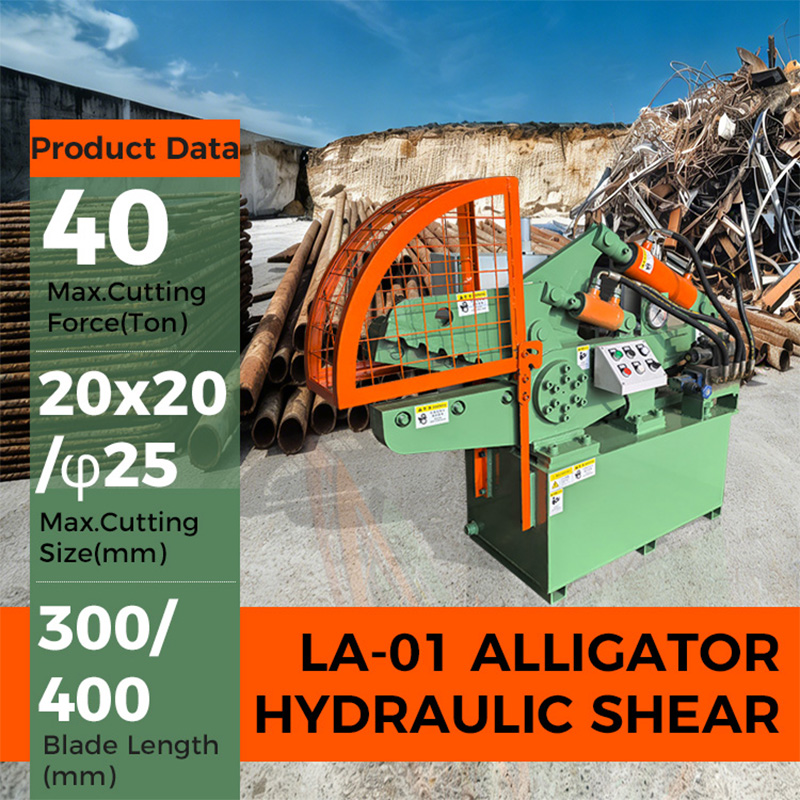
When selecting a small hydraulic metal shear, it is crucial to consider several key specifications that align with your operational requirements. First, assess the maximum cutting capacity, which typically depends on the thickness and type of metal you intend to work with. For instance, if your operations involve cutting thicker steel sheets, ensure the shear can handle the required tonnage. You may also explore models such as the LS-600B 22 kW Dual-Shaft Shredder for Waste Pre-Processing that can complement your metal cutting needs.

Another important factor is the cutting speed. While faster cutting speeds can enhance productivity, they should not compromise the quality of the cut. Look for shears that strike a balance between speed and precision to avoid burrs and jagged edges.

Customization options also play a vital role. If your projects require specific dimensions or unique features, opt for manufacturers that provide tailored solutions. Hangzhou Lansing Machinery Co., Ltd., for instance, specializes in customizing equipment to meet specific customer needs, ensuring optimal performance in diverse applications.

Lastly, evaluate the machine’s overall footprint and ease of integration into your existing workflow. A compact design can save space and streamline operations, while versatility in handling different materials can enhance the shear's functionality. For example, consider the LX-300B 120-180kg/h Copper Wire Granulator with Air Separation for additional processing capabilities.

Get a Free Quote

Tell us about your recycling needs, and our team will recommend the right equipment and solution for your project.
0/1000