Choosing the Right Scrap Metal Recycling Machine

application/scrap-metal-recycling-machine, application/scrap-metal-recycling-machine, 
Inquiry
Inquiry

scrap metal recycling machine

When considering a scrap metal recycling machine for your business, it is essential to understand what options are available and which specifications best suit your operational needs. Scrap metal recycling machines play a crucial role in processing and reusing metal materials, contributing to sustainability and cost-efficiency. This article aims to guide B2B buyers—such as purchasing managers, engineers, and product managers—through the selection process, installation guidance, common issues, and industry applications of scrap metal recycling machines.

What to Look for in Recycling Machines

What to Look for in Recycling Machines

When evaluating scrap metal recycling machines, several crucial specifications and features should guide your decision:

Material Specifications: Ensure the machine's construction materials can withstand the operational pressures and environmental conditions. For example, high-strength steel components are preferable for durability.

Power Requirements: Understand the power requirements of the machine and ensure compatibility with your facility’s electrical system. This includes evaluating voltage, phase, and energy efficiency ratings.

Safety Features: Safety should be a top priority. Look for machines equipped with emergency stop buttons, safety guards, and automatic shut-off systems to protect operators during operation.

Maintenance Requirements: Consider machines that are designed for easy maintenance. Features like accessible components for cleaning and servicing will reduce downtime and operational disruptions.

User-Friendliness: Advanced control systems that are intuitive and easy to operate can significantly enhance productivity. Look for machines with clear displays and easy-to-understand controls.

Installation Guidance for Efficient Scrap Metal Recycling Systems

Installation Guidance for Efficient Scrap Metal Recycling Systems

Proper installation of scrap metal recycling machines is vital to ensure optimal performance. Here are some key steps to follow:

Site Preparation: Before installation, ensure that the site meets the machine's spatial and environmental requirements. This includes adequate flooring, ventilation, and access for maintenance.

Professional Installation: It is advisable to engage professional technicians for installation. They can ensure that the machine is assembled correctly, calibrated, and integrated with existing systems.

Testing and Calibration: After installation, conduct thorough testing to ensure that the machine operates as intended. Calibration of settings such as feed rates and separation efficiencies is crucial for optimal performance.

Operator Training: Provide comprehensive training for operators to ensure they understand how to use the machine safely and efficiently. This should cover routine checks, emergency procedures, and maintenance practices.

Common Problems with Scrap Metal Recycling Machines and Solutions

Common Problems with Scrap Metal Recycling Machines and Solutions

Despite their robust design, scrap metal recycling machines may encounter issues during operation. Here are some common problems and their solutions:

Jamming: This is a frequent issue caused by improper loading or foreign objects in the feed. To mitigate this, ensure operators are trained in proper loading techniques and perform regular inspections of the feed material.

Wear and Tear: Components such as blades and belts may wear down over time, affecting efficiency. Regular maintenance checks and timely replacement of worn parts can help avoid longer-term mechanical failures.

Electrical Failures: Electrical issues can arise from power surges or component malfunctions. Ensuring that the machine is properly grounded and implementing a regular inspection schedule can minimize these risks.

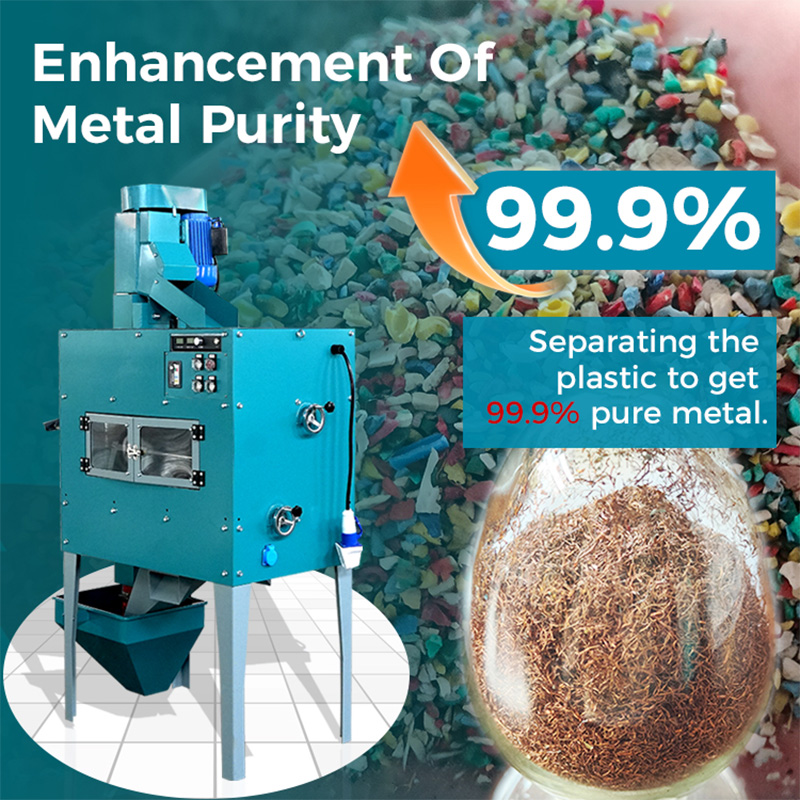
Inefficient Separation: If the machine fails to separate materials effectively, it may be due to incorrect settings or component failures. Regular calibration and maintenance checks are necessary to maintain optimal performance.

Exploring Applications of Scrap Metal Recycling Machines in Industry

Scrap metal recycling machines are utilized across various industries, each benefiting from efficient metal recovery processes. Some prominent applications include:

Automotive Industry: Recycling machines are critical in processing scrap from old vehicles, such as metal components and wiring harnesses, promoting sustainability in automotive manufacturing.

Construction Sector: Construction sites often generate significant metal waste, including steel beams and aluminum frames. Recycling machines help recover these materials, reducing landfill waste and promoting circular economy practices.

Manufacturing Plants: Many manufacturing facilities generate scrap metal from production processes. Implementing recycling machines allows for the recovery of valuable metals, contributing to overall production efficiency.

Electronics Recycling: Electronic waste contains valuable metals like copper and gold. Specialized machines designed for electronics recycling are essential for extracting these materials safely and efficiently. For example, incorporating an Wire Stripping Machine can enhance the recovery of valuable wiring materials.

Selecting the right scrap metal recycling machine involves careful consideration of your specific needs, including material type, machine capabilities, and operational requirements. By understanding the features to look for, installation best practices, common issues, and industry applications, you can make informed decisions that enhance your recycling operations and contribute to a more sustainable future.

How to Choose the Right Scrap Metal Recycling Machine for Your Needs

Choosing the right scrap metal recycling machine involves assessing your specific requirements based on the type and volume of materials you handle. Key considerations include:

Material Type: Different machines are designed for different types of metal, such as ferrous and non-ferrous materials. Understanding the nature of the scrap you will process—whether copper, aluminum, steel, or mixed metals—will help in selecting an appropriate machine. For instance, a Copper Granulator is ideal for efficiently recycling copper materials.

Capacity and Throughput: Evaluate the volume of scrap metal your operation generates. Machines come in various sizes and capacities, which influence the efficiency and speed of processing. Ensure the machine can handle your expected throughput without compromising quality.

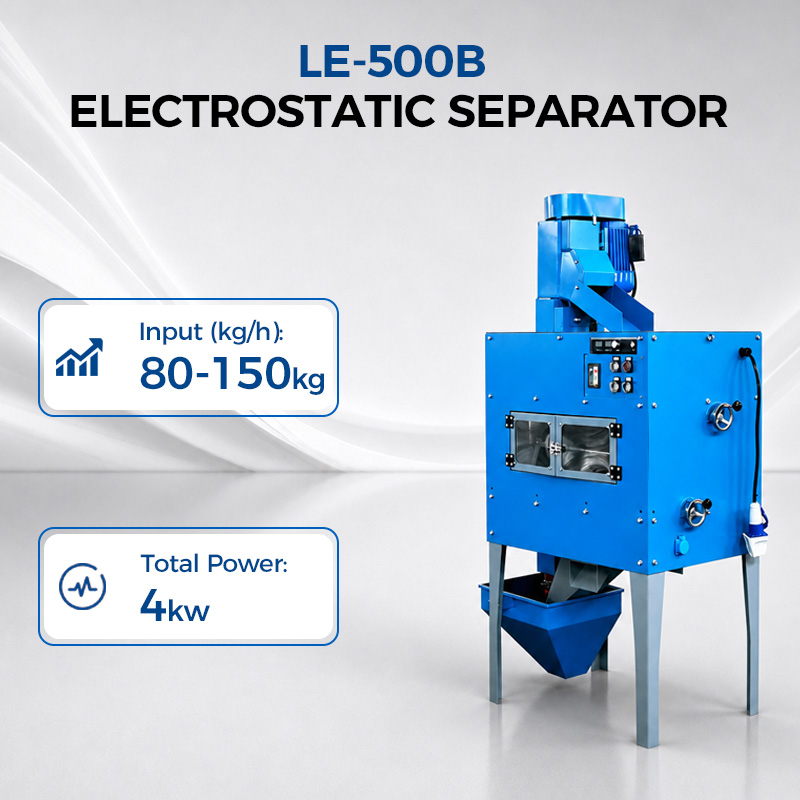
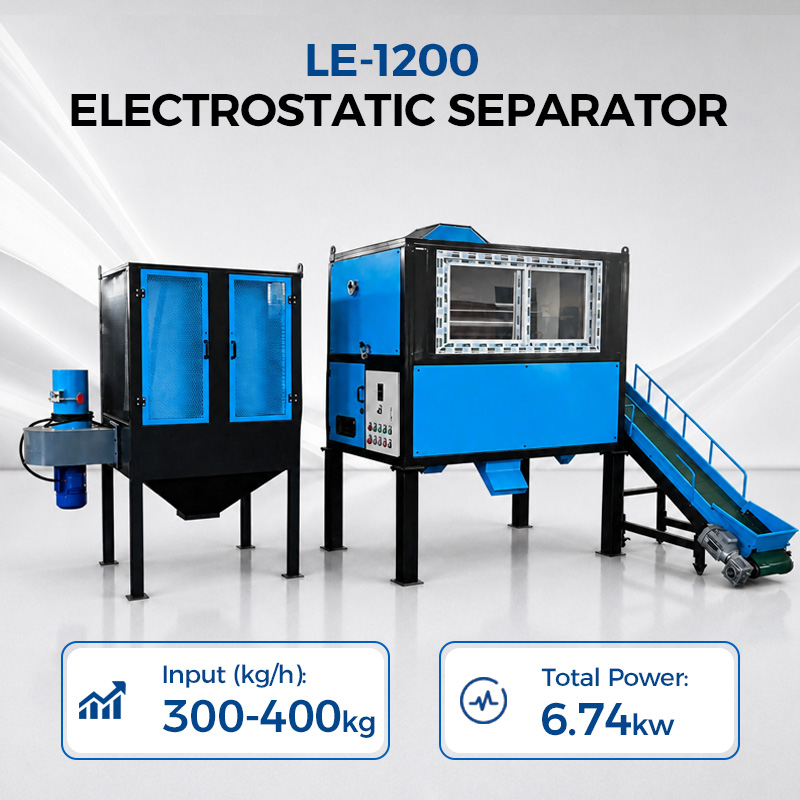
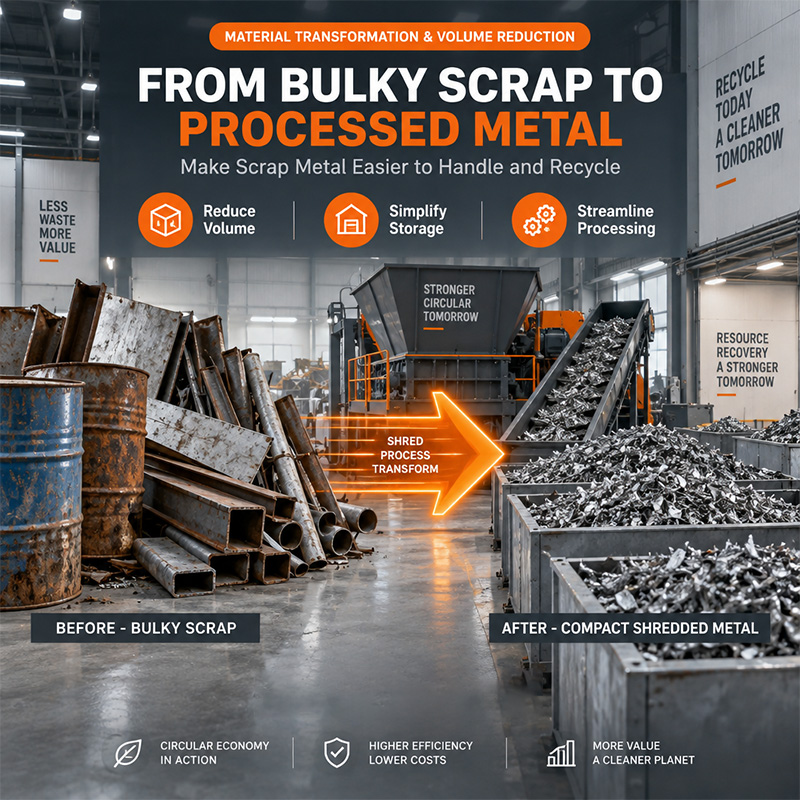
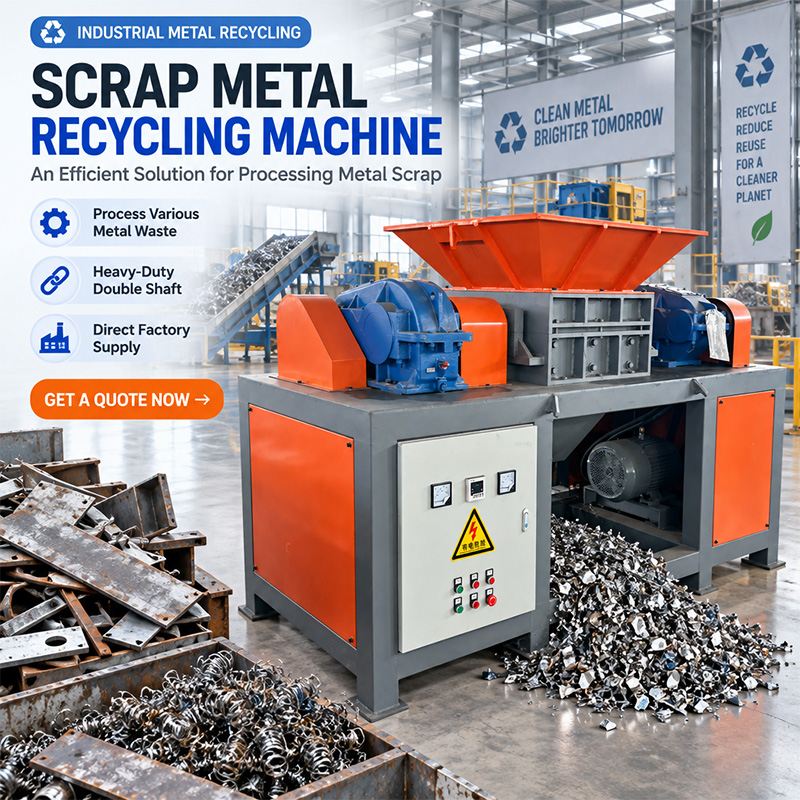
Technology and Features: Look for machines equipped with advanced technology such as shredders, balers, and separators, which can enhance the efficiency of the recycling process. Features like automation and user-friendly controls can also improve operational efficiency. A Shredding Machine can significantly improve the initial processing stage by breaking down larger materials.

Customization Options: Some manufacturers, like Hangzhou Lansing Machinery Co., Ltd., offer customization options to tailor machines to specific operational environments or production requirements. Consider whether you need features like specialized feeding mechanisms or additional safety systems.

Cost Considerations: Assess your budget, including initial purchase price, maintenance costs, and operational costs. Remember that while a lower initial cost may be appealing, it’s essential to consider the machine's long-term efficiency and durability.

Get a Free Quote

Tell us about your recycling needs, and our team will recommend the right equipment and solution for your project.
0/1000