Guide to Metal Recycling Machines for Businesses

application/metal-recycling-machine, application/metal-recycling-machine, 
Inquiry
Inquiry

metal recycling machine

In the evolving landscape of recycling initiatives, investing in a metal recycling machine is a strategic move for manufacturers and businesses looking to streamline waste management and enhance sustainability. However, potential buyers often face concerns regarding quality, efficiency, and application suitability. This article aims to provide a comprehensive guide for evaluating metal recycling machines, ensuring that purchasing managers and engineers make informed decisions that align with their operational needs.

Key Specifications to Review for Efficient Metal Recycling Equipmen

Key Specifications to Review for Efficient Metal Recycling Equipmen

When selecting a metal recycling machine, specific technical specifications must be reviewed to ensure efficiency and suitability for intended applications. Key specifications include:

Processing Capacity: Measured in tons per hour, this indicates how much material the machine can handle. For businesses with high volumes of scrap metal, a higher capacity is essential to maintain productivity.

Power Consumption: Efficient machines use less energy, leading to reduced operational costs. Buyers should compare the kilowatt ratings of different models to assess their energy efficiency.

Dimensions and Weight: Understanding the machine’s size is crucial for installation and integration into existing workflows. Ensure that the machine fits within the designated space and can be easily accessed for maintenance.

Safety Features: Look for machines equipped with emergency stop buttons, safety guards, and overload protection systems to safeguard operators and enhance workplace safety.

Material Compatibility: Different machines are designed to process specific types of metals. Verify that the machine can handle the grades and types of metal your business typically recycles, such as copper with a Copper Granulator.

By thoroughly reviewing these specifications, buyers can ensure they select a machine that meets their operational requirements and maximizes efficiency.

Understanding Cost Factors for Bulk Orders of Metal Recycling Machines

Understanding Cost Factors for Bulk Orders of Metal Recycling Machines

Pricing for metal recycling machines can vary significantly based on several factors, especially when placing bulk orders. Key cost considerations include:

Order Volume: Larger orders often come with discounts. Manufacturers may offer tiered pricing based on the quantity ordered, so it’s beneficial to assess how many machines are needed for your operations.

Customization Options: Custom features, such as specialized shredding capabilities or integration with existing systems, can increase costs. Discuss customization needs upfront to receive accurate quotes.

Shipping and Logistics: The cost of shipping can add significantly to the overall price, especially for large or heavy machines. Consider freight costs, potential tariffs, and delivery timelines when budgeting.

Installation Services: Some manufacturers provide installation as part of the purchase agreement, while others may charge separately. Clarify these costs to avoid unexpected expenses.

Maintenance and Warranty: Evaluate the warranty terms and maintenance options. A comprehensive warranty may indicate higher upfront costs but can save money in the long run through reduced repair expenses.

By understanding these cost factors, buyers can more accurately budget for their investments in metal recycling equipment.

Common Installation Challenges with Metal Recycling Machines and Solutions

Common Installation Challenges with Metal Recycling Machines and Solutions

Installing a metal recycling machine can present several challenges that buyers should be prepared to address:

Space Constraints: Ensuring adequate space for the machine and its operational requirements is vital. Buyers should conduct a thorough site assessment before installation, considering both the machine's footprint and necessary clearance for operation and maintenance.

Power Supply Compatibility: Different machines may require different power configurations. It’s essential to verify that your facility's electrical systems can support the machine’s requirements, which may involve upgrading existing infrastructure.

Integration with Existing Systems: If the new machine will be used alongside existing recycling equipment, compatibility issues may arise. Buyers should work closely with the manufacturer to ensure seamless integration.

Training for Operators: Proper installation also includes training for personnel who will operate the machine. Ensure the manufacturer provides adequate training resources and support to help staff become familiar with the equipment.

By anticipating these challenges and preparing solutions in advance, businesses can facilitate a smoother installation process and minimize downtime.

Applications of Metal Recycling Machines in Various Industries Explained

Metal recycling machines are versatile and find applications across multiple industries, enhancing sustainability and operational efficiency:

Manufacturing: Industries that produce metal waste, such as automotive or electronics manufacturing, can utilize metal recycling machines to process scrap materials, recovering valuable metals and reducing waste disposal costs.

Construction: Construction sites often generate significant amounts of metal waste from structures and equipment. Metal recycling machines help in efficiently processing this waste, allowing for the recovery of steel and other metals.

Electronics: With the rising demand for electronic recycling, specialized metal recycling machines can effectively handle e-waste, extracting precious metals while ensuring environmentally responsible disposal of hazardous materials. This includes machines like the Wire Stripping Machine that are designed for specific tasks.

Automotive: The automotive sector utilizes metal recycling machines to process end-of-life vehicles, which contain valuable metals like aluminum and steel. This not only recovers resources but also reduces the environmental impact of vehicle disposal.

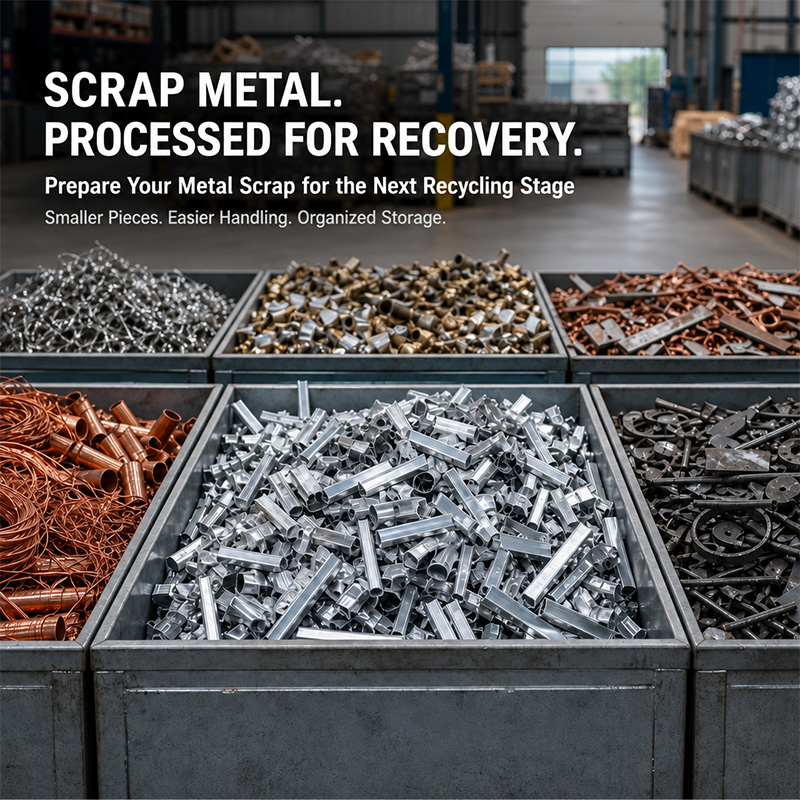
Scrap Yards: Scrap metal processors rely on efficient recycling machines to sort and process various metal grades, enhancing the economic viability of their operations.

Understanding these applications allows potential buyers to assess how a metal recycling machine can benefit their specific industry and operational goals.

By addressing these critical areas, buyers will be better equipped to navigate the complexities of selecting and implementing metal recycling machines, ensuring that their investments yield optimal returns and contribute to sustainable practices in their industries.

How to Evaluate the Quality of Metal Recycling Machines Before Purchase

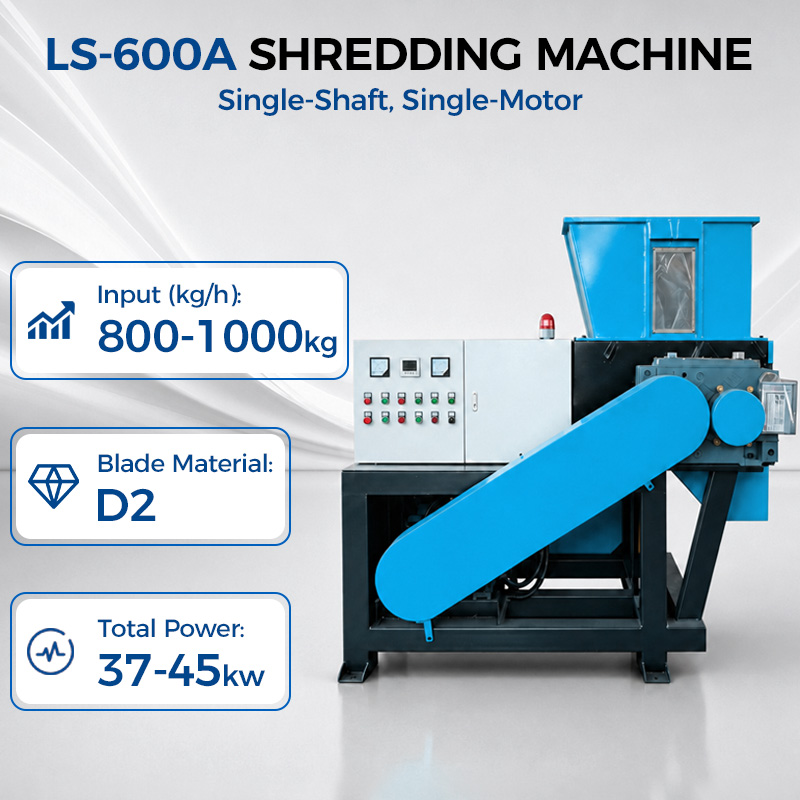
When assessing the quality of metal recycling machines, several key factors should be considered. First, examine the construction materials; robust and durable frameworks made from high-quality steel can significantly impact the machine's longevity and resistance to wear. Buyers should also look for machines with advanced technology, such as efficient shredding capabilities like those found in a Shredding Machine and intelligent sorting systems that enhance processing accuracy.

Additionally, the manufacturer's reputation plays a crucial role in evaluating quality. Look for established companies like Hangzhou Lansing Machinery Co., Ltd., which offers reliable recycling equipment backed by integrated manufacturing and R&D. Reviews and case studies from previous customers can provide insights into the machine's performance and reliability in real-world applications.

Lastly, ensure that any metal recycling machine comes with adequate certifications that comply with industry standards. This not only assures buyers of quality but also mitigates risks associated with operational safety and environmental compliance.

Get a Free Quote

Tell us about your recycling needs, and our team will recommend the right equipment and solution for your project.
0/1000

Related product categories