How to Choose the Right Scrap Metal Shredder Machine

application/scrap-metal-shredder-machine, application/scrap-metal-shredder-machine, 
Inquiry
Inquiry

scrap metal shredder machine

Choosing the right scrap metal shredder machine is crucial for businesses involved in recycling metal waste. With various options available, B2B buyers, including purchasing managers and engineers, must consider factors such as machine capabilities, efficiency, and application suitability. This article aims to guide you through the selection process, highlight key specifications, discuss the importance of quality, examine cost considerations, and address common operational issues associated with scrap metal shredders.

Key Specifications to Evaluate When Sourcing Scrap Metal Shredder Machines

When evaluating scrap metal shredder machines, several key specifications should be prioritized:

Motor Power: The motor's horsepower affects the shredder's ability to handle different materials. A higher motor power typically allows for shredding tougher metals and larger volumes.

Cutting Chamber Size: The dimensions of the cutting chamber should align with the size of materials you plan to process. A larger chamber may be necessary for bulky items, while a smaller one can suffice for standard scrap.

Cutting Tools: The design and material of the cutting tools significantly impact shredding performance. Tools made from high-speed steel or carbide are more durable and effective for metal shredding.

Output Size: Buyers should specify the desired output size for their shredded materials, as this will determine the type of machine needed and the potential for subsequent processing.

Safety Features: Safety is paramount in industrial environments. Look for machines equipped with emergency stop buttons, overload protection, and safety guards to minimize operational risks.

Maintenance Requirements: Understanding the maintenance demands of the shredder can help avoid unexpected downtime. Machines that allow for easy access to components for cleaning and maintenance can save time and costs in the long run.

These specifications should be carefully reviewed and discussed with suppliers to ensure that the selected shredder meets operational demands effectively. Additionally, considering options like the LS-600B 22 kW Dual-Shaft Shredder for Waste Pre-Processing may enhance your operations.

Why It Matters When Purchasing Shredder Machines

Purchasing the right scrap metal shredder machine is not just about initial investment; it directly impacts operational efficiency and profitability. A poorly chosen shredder can lead to increased operational costs, including higher energy consumption, frequent breakdowns, and reduced processing capacity.

Moreover, selecting a machine that aligns with your processing needs can enhance recycling rates and improve the quality of the end product, making it more marketable. A well-functioning shredder also minimizes labor costs by automating processes and reducing the manual handling of materials.

Investing in a reputable manufacturer like Hangzhou Lansing Machinery Co., Ltd. ensures that you receive comprehensive support, from the design phase through to after-sales service. This partnership can lead to long-term benefits, including access to ongoing technical support and maintenance resources.

Cost Factors of Scrap Metal Shredder Machines for Bulk Orders

The cost of scrap metal shredder machines is influenced by various factors, especially when ordering in bulk. Key considerations include:

Machine Specifications: Higher specifications often translate to higher costs. Buyers should weigh the importance of features against their budget and operational needs.

Customization: If your operation requires custom features or modifications, this can add to the overall cost. It's crucial to discuss these needs upfront with suppliers.

Quantities Ordered: Bulk orders may qualify for volume discounts, which can significantly reduce the per-unit cost. It’s advisable to negotiate terms with manufacturers for larger quantities to maximize savings.

Shipping and Installation: Costs associated with transportation and installation should be factored into the total investment. Ensure that the supplier provides clear information on these costs and any potential hidden fees.

Operating Costs: Beyond the initial purchase price, consider the ongoing costs of operation, including energy consumption, maintenance, and potential downtime. A more efficient machine may have a higher upfront cost but could save money over time.

Understanding these cost factors will help you budget appropriately and make informed purchasing decisions.

Common Problems with Scrap Metal Shredders and Effective Solutions

Despite their robustness, scrap metal shredders can encounter several common problems. Being aware of these issues and their solutions can help maintain operational efficiency:

Clogging: This often occurs when oversized or inappropriate materials are fed into the shredder. Implementing a pre-shredding process to remove unsuitable items can help prevent this issue.

Blades Dulling: Over time, the cutting tools can dull, impacting shredding performance. Regular inspections and timely blade replacements are essential for maintaining efficiency.

Vibration and Noise: Excessive vibration can indicate misalignment or imbalance within the machine. Periodic maintenance checks can help identify and rectify these issues before they lead to significant damage.

Electrical Failures: Electrical issues may arise from power surges or faulty wiring. Ensuring that the machine is installed correctly and protected from electrical fluctuations can mitigate this risk.

Overheating: Prolonged operation without breaks can lead to overheating, particularly in high-demand environments. Implementing a cooling system or scheduling regular breaks during operation can help manage temperature levels effectively.

By addressing these common problems proactively, businesses can enhance the longevity and efficiency of their scrap metal shredder machines, leading to smoother operations and reduced costs.

Incorporating these insights will help you make informed decisions about purchasing and maintaining scrap metal shredders, ensuring that your operations run smoothly and efficiently.

How to Choose the Right Scrap Metal Shredder Machine for Your Needs

Selecting the appropriate scrap metal shredder machine involves understanding your specific requirements, including the types of materials you will shred, the desired output size, and the production capacity. Buyers should evaluate whether their operation requires a single-shaft, double-shaft, or granulator shredder, as each type serves different purposes.

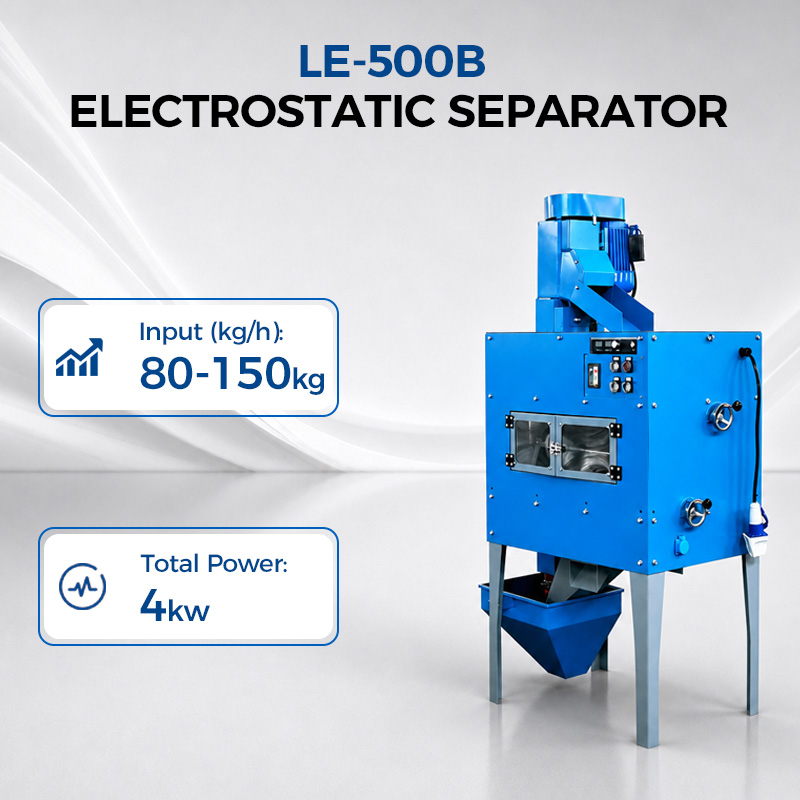
For instance, single-shaft shredders are ideal for processing large volumes of softer materials, while double-shaft shredders are better suited for tougher metals and can produce a more uniform output size. It’s essential to consider factors such as the machine's horsepower, feed width, and the integration of additional features like magnetic separators or dust collection systems for enhanced efficiency and safety. If you're looking for an efficient solution, consider the LE-1200 Electrostatic Copper-Plastic Separator with Dust Collection.

Before committing to a purchase, it’s advisable for buyers to conduct a thorough needs assessment, which includes considering production rates, space constraints in your facility, and the potential for future scalability. Consulting with manufacturers like Hangzhou Lansing Machinery Co., Ltd., which specializes in providing customized solutions, can also help ensure you find the right machine tailored to your operations.

Get a Free Quote

Tell us about your recycling needs, and our team will recommend the right equipment and solution for your project.
0/1000