Evaluating Scrap Metal Recycling Equipment Quality

application/scrap-metal-recycling-equipment, application/scrap-metal-recycling-equipment, 
Inquiry
Inquiry

scrap metal recycling equipment

When considering scrap metal recycling equipment, buyers face the challenge of selecting machinery that is efficient, reliable, and tailored to their specific recycling needs. This equipment plays a crucial role in the recycling process, allowing businesses to recover valuable metals from waste materials. , we’ll explore how to evaluate the quality of scrap metal recycling equipment, identify reliable suppliers, understand cost factors, address common problems, and examine the various applications of this essential machinery.

Where to Find Reliable Suppliers for Bulk Recycling Equipment Orders

Where to Find Reliable Suppliers for Bulk Recycling Equipment Orders

Finding reliable suppliers for bulk orders of scrap metal recycling equipment is crucial for ensuring consistent quality and service. Start by researching industry-specific trade shows and exhibitions where reputable manufacturers often showcase their latest technologies. This provides an opportunity to interact with suppliers directly, ask questions, and see the equipment in action.

Online directories and platforms dedicated to industrial equipment can also be valuable resources. Look for suppliers with positive customer reviews, verified credentials, and a strong track record in the recycling industry. Engaging with industry associations can lead to recommendations for trusted suppliers as well.

It’s also advisable to request sample equipment or demonstrations before placing large orders. This allows you to evaluate the machine’s performance firsthand and ensure it meets your operational requirements. Establishing a good relationship with suppliers through open communication about your needs and expectations can foster long-term partnerships.

Understanding the Cost Factors for Scrap Metal Recycling Solutions

Understanding the Cost Factors for Scrap Metal Recycling Solutions

The cost of scrap metal recycling equipment is influenced by various factors, including the type of machinery, its specifications, and the level of customization required. For example, specialized equipment designed for processing specific types of metals may come at a higher price point due to advanced technology and materials used in production. The LX-400C 250-450kg/h Fully Enclosed Copper Wire Granulator is an excellent example of advanced technology in this area.

Other cost considerations include production capacity and the potential for scalability. Machines capable of handling larger volumes typically carry a higher upfront investment but can lead to lower operational costs per unit processed over time.

Buyers should also factor in shipping and installation costs, which can vary based on the equipment’s size and weight. Don’t forget to consider long-term operational costs such as maintenance, energy consumption, and potential repair expenses. Engaging suppliers in discussions about warranty options and service agreements can provide insights into the total cost of ownership over the equipment’s lifespan.

Common Problems in Scrap Metal Recycling and Their Solutions

Common Problems in Scrap Metal Recycling and Their Solutions

While scrap metal recycling equipment is essential, it can encounter several common problems that may hinder operations. One frequent issue is equipment jams, which can occur if the scrap material is not properly sorted or if oversized items are fed into the machine. Implementing a robust pre-processing system that includes shredding or cutting materials to appropriate sizes can mitigate this issue.

Another challenge is wear and tear on machine components, leading to downtime and costly repairs. Regular maintenance schedules, including routine inspections and replacement of worn parts, can enhance the longevity of the equipment.

Sometimes, machines may not operate at their intended efficiency due to inadequate power supply or environmental factors. Ensuring that the equipment is installed in a suitable environment with adequate power sources and ventilation can improve performance. Operators should also be trained to recognize early signs of malfunction and address them promptly to minimize disruptions.

Exploring Applications of Scrap Metal Recycling Equipment in Industry

Scrap metal recycling equipment serves various industries, showcasing its versatility and importance. In the automotive industry, for example, these machines are used to reclaim metals from end-of-life vehicles, reducing waste and promoting resource recovery. Similarly, in the construction sector, they facilitate the recycling of steel and aluminum from deconstructed buildings, contributing to sustainable practices.

The electronics sector also benefits from specialized recycling equipment designed to extract valuable metals from waste electronics, such as circuit boards and cables. This not only recovers precious metals but also ensures that hazardous materials are handled safely and in compliance with regulations.

Additionally, industries involved in manufacturing can utilize scrap metal recycling equipment to process scrap generated during production, leading to reduced raw material costs and a smaller environmental footprint. Understanding the specific applications and benefits of these machines across various sectors can help buyers select the right equipment tailored to their operational requirements.

By taking these considerations into account, buyers can make informed decisions about scrap metal recycling equipment, ensuring they choose reliable solutions that meet their needs while maximizing efficiency and sustainability.

How to Evaluate the Quality of Scrap Metal Recycling Equipmen

Evaluating the quality of scrap metal recycling equipment involves several key considerations. First, assess the material construction of the machine. High-quality equipment should be made from durable materials that can withstand heavy use and exposure to harsh conditions. Look for machines made from high-strength steel or other robust alloys that offer longevity and reliability.

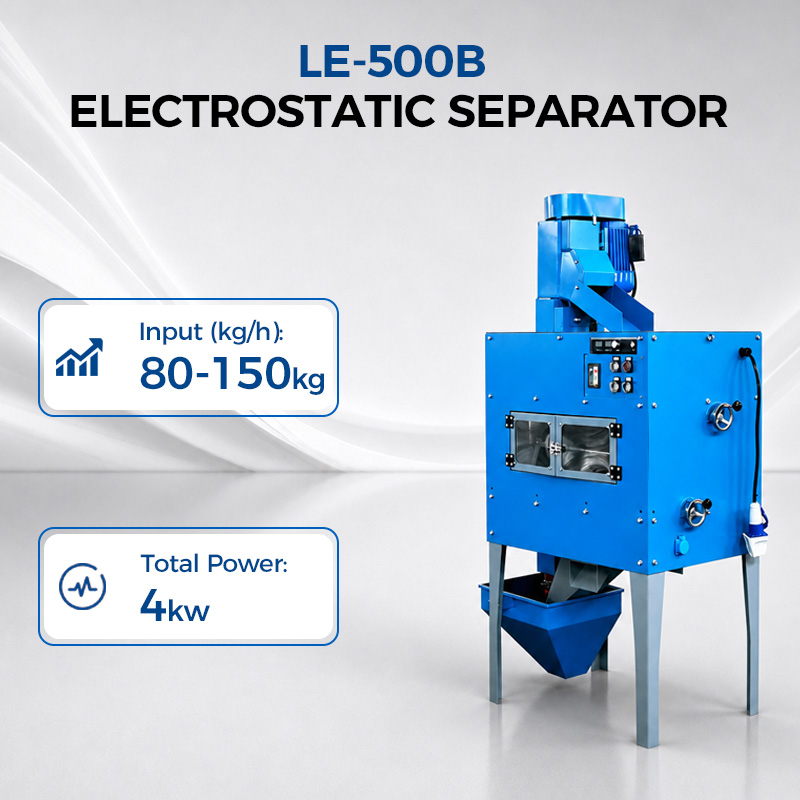
Next, consider performance specifications such as processing capacity, throughput speed, and energy efficiency. For instance, a machine that processes a higher volume of scrap per hour can significantly improve productivity. Additionally, energy-efficient models can help reduce operational costs over time. For example, the LE-500B Electrostatic Separator for Copper and Plastic Recovery is designed to enhance processing efficiency.

Don’t overlook the importance of certifications and compliance with industry standards. Equipment that meets recognized safety and quality standards demonstrates reliability and can enhance the operational safety of your recycling facility. Finally, reviewing quality control processes employed by the manufacturer will provide insights into their commitment to producing reliable machinery.

Get a Free Quote

Tell us about your recycling needs, and our team will recommend the right equipment and solution for your project.
0/1000