Choosing the Right Scrap Metal Shredder

application/scrap-metal-shredder, application/scrap-metal-shredder, 
Inquiry
Inquiry

scrap metal shredder

Scrap metal shredders are essential recycling machines used to process various types of metal waste. They play a crucial role in the metal recycling industry by reducing the size of scrap metal, making it easier to transport and process. For B2B buyers, understanding how to choose the right shredder, evaluating key specifications, finding reliable suppliers, and addressing common problems is vital for efficient operations. This article will guide you through these critical aspects of scrap metal shredders, ensuring you make informed purchasing decisions.

Key Specifications to Evaluate in Scrap Metal Shredders

When evaluating scrap metal shredders, several key specifications will influence their performance and suitability for your needs:

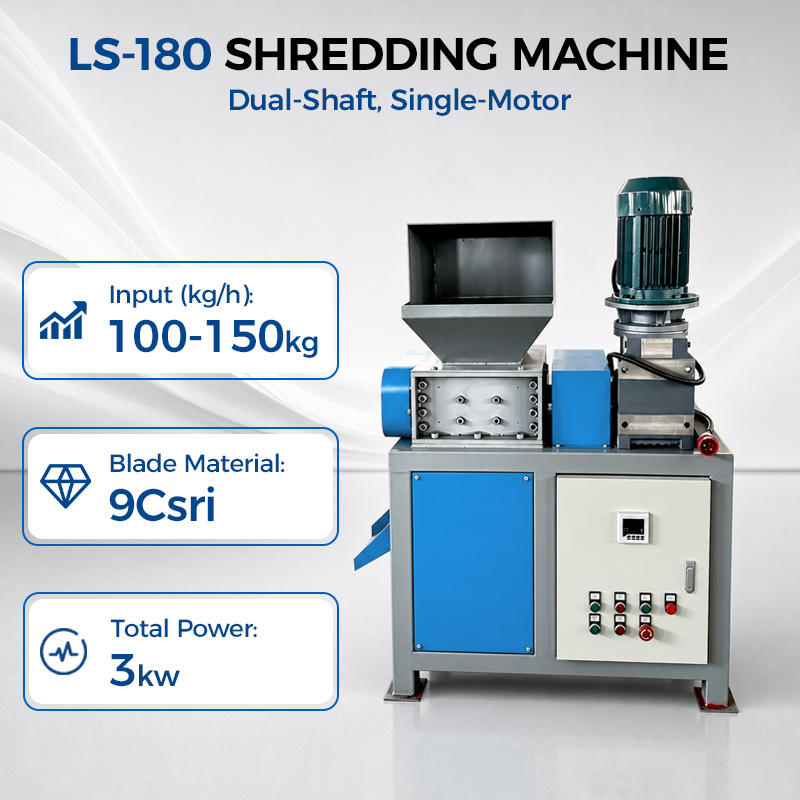
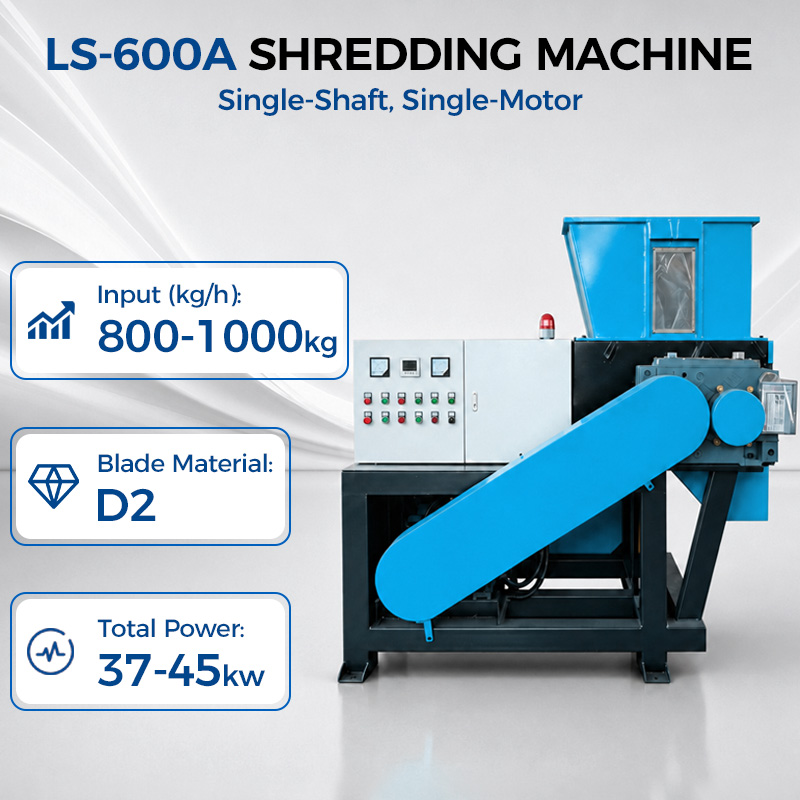
Motor Power: The motor’s horsepower directly affects the shredder’s efficiency and ability to process tougher materials. Higher horsepower is generally more effective for thicker or denser metals.

Cutting Mechanism: Different shredders utilize various cutting technologies, such as single-shaft, double-shaft, or multi-shaft systems. Each has its advantages depending on the type of metal and the desired particle size.

Capacity: Measured in tons per hour, capacity indicates how much material can be processed within a specific period. Consider your production goals when assessing capacity.

Blade Material and Design: The quality of the blades, including their material and design, impacts durability and shredding efficiency. Harder materials, such as alloy steel, are preferable for long-term use.

Dimensions and Weight: Ensure the shredder fits within your operational space and can be easily integrated into your existing workflow.

Understanding these specifications allows you to assess different models effectively and select one that aligns with your operational requirements.

Where to Find Reliable Suppliers for Scrap Metal Shredders

Finding dependable suppliers for scrap metal shredders is crucial for ensuring quality and support. Start by researching manufacturers that specialize in recycling equipment. Look for companies with a proven track record in the industry, such as Hangzhou Lansing Machinery Co., Ltd., which offers tailored solutions for various recycling needs, including the LE-1200 Electrostatic Copper-Plastic Separator with Dust Collection.

Attend industry trade shows and exhibitions to meet suppliers and see their products firsthand. These events provide an excellent opportunity to ask questions and assess the equipment's capabilities.

Online platforms and trade directories can also connect you with reputable suppliers. Be sure to check reviews and testimonials to gauge their reliability, after-sales support, and service quality. Direct communication with potential suppliers will help clarify lead times, customization options, and warranty terms.

Common Problems with Scrap Metal Shredders and Their Solutions

Despite their robust design, scrap metal shredders can encounter several common issues that may affect performance:

Clogging: This often occurs when materials are not fed correctly or when oversized materials are introduced. Regularly inspect input materials and ensure they meet the shredder’s specifications.

Blade Wear: Over time, blades can wear down, reducing shredding efficiency. Implementing a routine maintenance schedule, including blade sharpening or replacement, can help maintain optimal performance.

Motor Overheating: Continuous operation without adequate cooling can lead to overheating. Ensure that the shredder’s cooling system is functioning correctly and consider allowing for cooling periods during heavy use.

Electrical Issues: Frequent electrical problems may indicate inadequate wiring or power supply issues. Regular inspections and adherence to electrical safety standards can help mitigate this.

By proactively addressing these problems through proper maintenance and operational practices, you can enhance the lifespan and efficiency of your shredding equipment.

Installation Guidance for Efficient Scrap Metal Shredder Use

Proper installation of your scrap metal shredder is crucial for optimal performance. Start by selecting a location that allows for sufficient space around the unit for maintenance and operation. Ensure that the area is well-ventilated to prevent overheating and that it meets the electrical requirements specified by the manufacturer.

During installation, follow the manufacturer's guidelines closely. Securely mount the shredder to minimize vibrations during operation, which can lead to mechanical issues over time.

Additionally, consider integrating the shredder into an automated system for feeding materials. This setup can improve efficiency and reduce labor costs. Finally, conduct a trial run to ensure that all systems are functioning correctly before moving into full production.

By following these installation guidelines, you can maximize the performance and reliability of your scrap metal shredder, ultimately supporting your recycling operations effectively.

How to Choose the Right Scrap Metal Shredder for Your Needs

Selecting the appropriate scrap metal shredder requires careful consideration of several factors, including the type of metal being processed, the desired output size, and the production capacity required. First, assess the materials you will be shredding—ferrous metals like steel and non-ferrous metals like aluminum may require different shredding technologies.

Next, determine your throughput requirements. A higher production capacity shredder may be necessary for larger operations, while smaller facilities may opt for a more compact model, such as the LS-300B Compact Dual-Shaft Shredder for Cable and Plastic Recycling. Additionally, consider the shredder’s design and whether it offers features like adjustable output size or multiple shredding modes, which can enhance versatility.

Finally, evaluate the shredder’s energy efficiency and maintenance needs. An energy-efficient machine can significantly reduce operating costs over time, while easy maintenance ensures minimal downtime in your production schedule.

Get a Free Quote

Tell us about your recycling needs, and our team will recommend the right equipment and solution for your project.
0/1000