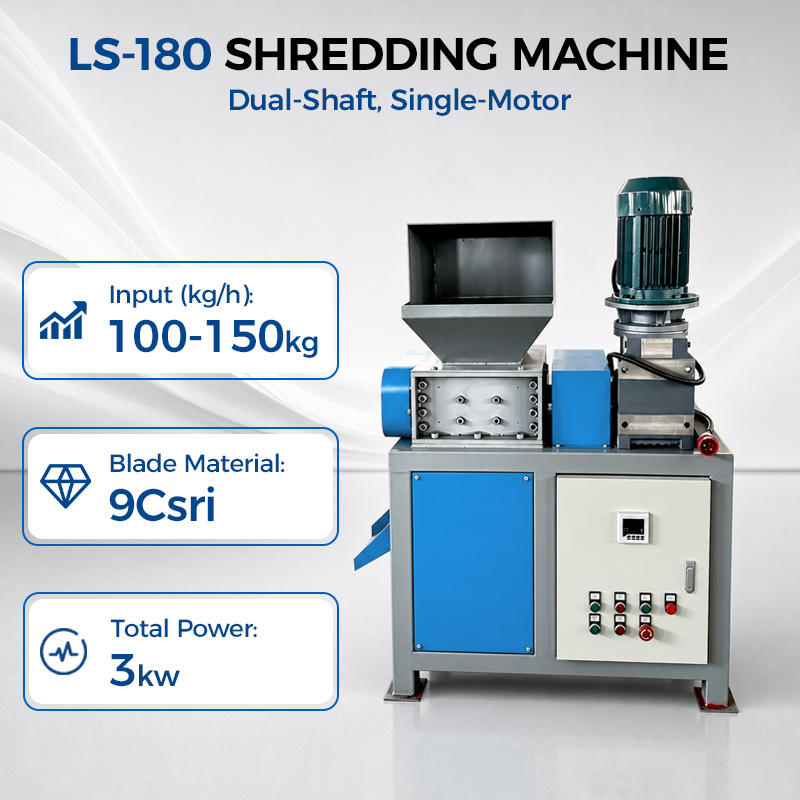
Choosing the Right Scrap Shredder Machine

application/scrap-shredder-machine, application/scrap-shredder-machine, 
Inquiry
Inquiry

scrap shredder machine

When considering a scrap shredder machine for your recycling operations, understanding the various aspects of the equipment is crucial for making an informed decision. A scrap shredder machine is designed to efficiently process waste materials, particularly metals and cables, into smaller, manageable pieces for recycling purposes. As a B2B buyer, you may have concerns regarding machine specifications, reliability, and the efficiency of the shredding process. This article will guide you through essential factors to consider, specifications to evaluate, sourcing options, installation guidelines, and common issues that may arise with scrap shredder machines.

Key Specifications of Scrap Shredder Machines for Bulk Orders

When evaluating scrap shredder machines for bulk orders, certain specifications are critical to ensure the equipment meets your operational requirements. Key specifications include:

Blade Design: The design and material of the blades play a significant role in shredding efficiency. High-quality, durable blades can withstand heavy use and reduce maintenance needs.

Motor Power: The power of the motor directly influences the shredding capacity and efficiency. A higher horsepower motor can handle tougher materials and larger volumes.

Shredding Configuration: Machines may come with single-shaft, double-shaft, or multi-shaft configurations. Each type offers different advantages regarding material handling and shredding precision.

Control Systems: Advanced control systems can enhance operational efficiency, allowing for automated adjustments based on material input and machine performance.

Safety Features: Look for machines equipped with safety mechanisms, such as emergency stop buttons and protective covers, to ensure operator safety during operation.

Before placing a bulk order, it's wise to request detailed specifications from the manufacturer and confirm that the equipment aligns with your processing needs, such as those found in a Electrostatic Separator.

Where to Source Reliable Scrap Shredder Machines for Wholesale

Sourcing reliable scrap shredder machines for wholesale requires thorough research and due diligence. Here are some strategies to find credible suppliers:

Industry Trade Shows: Attending trade shows focused on recycling and manufacturing can provide valuable insights into the latest technologies and connect you with reputable manufacturers.

Online Marketplaces: Platforms like Alibaba or specialized industrial equipment websites can offer a variety of options. However, ensure to vet suppliers by checking reviews and ratings.

Direct Manufacturer Engagement: Engaging directly with manufacturers like Hangzhou Lansing Machinery Co., Ltd. can provide insights into their capabilities, certifications, and after-sales support.

Networking: Leverage industry contacts or join relevant associations to gain recommendations for reliable suppliers. First-hand referrals can often lead to trustworthy purchasing decisions.

Requesting References: Once you've identified potential suppliers, request references from previous clients to gauge their reliability and customer service quality.

Finding the right supplier is crucial for ensuring that the scrap shredder machine meets quality standards and operational expectations.

Installation Guidelines for Efficient Scrap Shredder Operation

Proper installation of a scrap shredder machine is vital for optimal performance and longevity. Here are key guidelines to follow:

Site Preparation: Ensure that the installation site is clear, level, and capable of supporting the machine’s weight. Adequate space for maintenance access is also essential.

Electrical Requirements: Confirm that the electrical supply matches the machine’s power requirements. Engage a qualified electrician to handle any necessary installations.

Safety Protocols: Implement safety measures during installation, including emergency stops and protective barriers to safeguard operators.

Calibration and Testing: After installation, conduct thorough testing to calibrate the machine. This includes adjusting settings for shredding speed and blade alignment to ensure optimal performance.

Training for Operators: Train your personnel on the proper operation and maintenance of the machine. Understanding how to operate the shredder safely and efficiently is crucial for minimizing downtime.

Following these installation guidelines can help you achieve a smooth startup and maintain the operational efficiency of your scrap shredder machine.

Common Problems with Scrap Shredder Machines and Their Solutions

Despite their robust design, scrap shredder machines may encounter issues during operation. Here are some common problems and recommended solutions:

Jamming: Material blockages can occur if the input material exceeds the machine's capacity. Regularly monitor the feed rate and adjust it according to the machine’s specifications to prevent jamming.

Blade Wear: Over time, blades may dull or become damaged, affecting shredding efficiency. Schedule routine maintenance checks and blade replacements to ensure optimal performance.

Electrical Failures: Power supply issues can lead to operational disruptions. Regularly inspect electrical connections and conduct preventive maintenance to minimize risks.

Vibration and Noise: Excessive vibration or noise may indicate loose components or misalignment. Conduct regular inspections and tighten or realign parts as necessary to maintain smooth operation.

Software Glitches: If the shredder has an electronic control system, occasional software issues may arise. Ensure that the software is updated regularly and consult the manufacturer for troubleshooting assistance when needed.

By being aware of these common problems and implementing proactive maintenance strategies, you can enhance the reliability and efficiency of your scrap shredder machine, such as those offered by a Copper Granulator.

What to Consider When Choosing a Scrap Shredder Machine for Your Needs

Selecting the right scrap shredder machine involves assessing your specific needs, including the types of materials you will be processing and the volume of scrap generated. Consider the following factors:

Material Type: Different machines are designed to handle various materials. For instance, shredders suitable for metal recycling may differ from those intended for plastic or rubber. Make sure the machine you choose can efficiently process the materials you handle.

Shredding Capacity: Evaluate the machine's throughput capacity, which is typically measured in tons per hour. This will help you determine if the shredder can meet your operational demands.

Machine Size and Footprint: Ensure that the physical dimensions of the machine fit within your facility's layout. A larger shredder may require more space and could impact workflow.

Power Requirements: Different machines have varying power needs, which can affect operating costs. Assess your facility's electrical capacity to ensure compatibility.

Customization Options: Some manufacturers offer customizable solutions tailored to specific applications and materials. Inquire about modifications that may enhance efficiency for your unique recycling processes. For instance, a Shredding Machine may come with various features that cater to different material types.

Understanding these aspects can help streamline your decision-making process and ensure that the scrap shredder machine aligns with your operational goals.

Get a Free Quote

Tell us about your recycling needs, and our team will recommend the right equipment and solution for your project.
0/1000