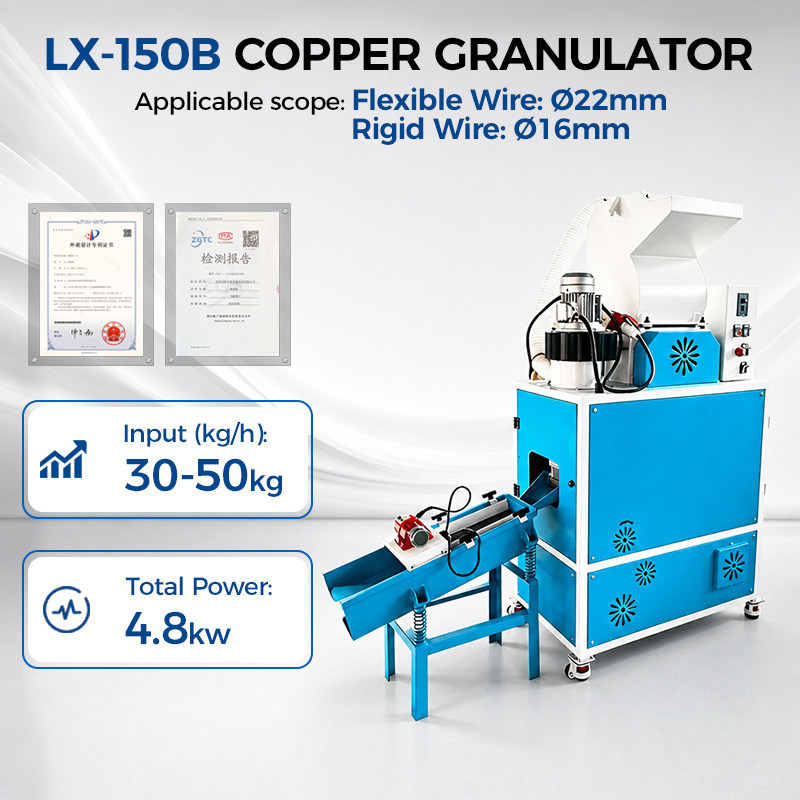
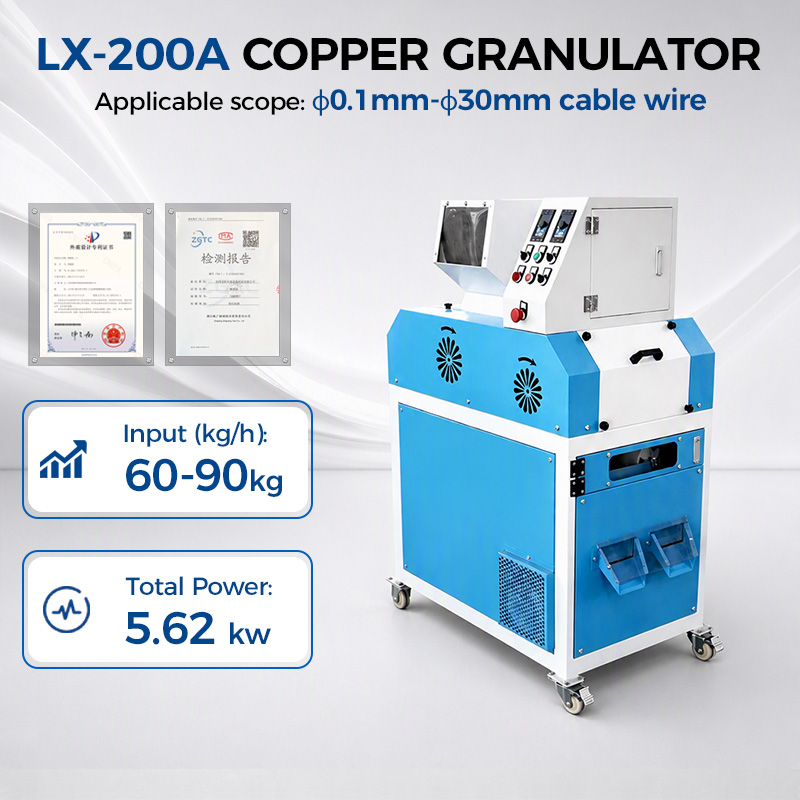
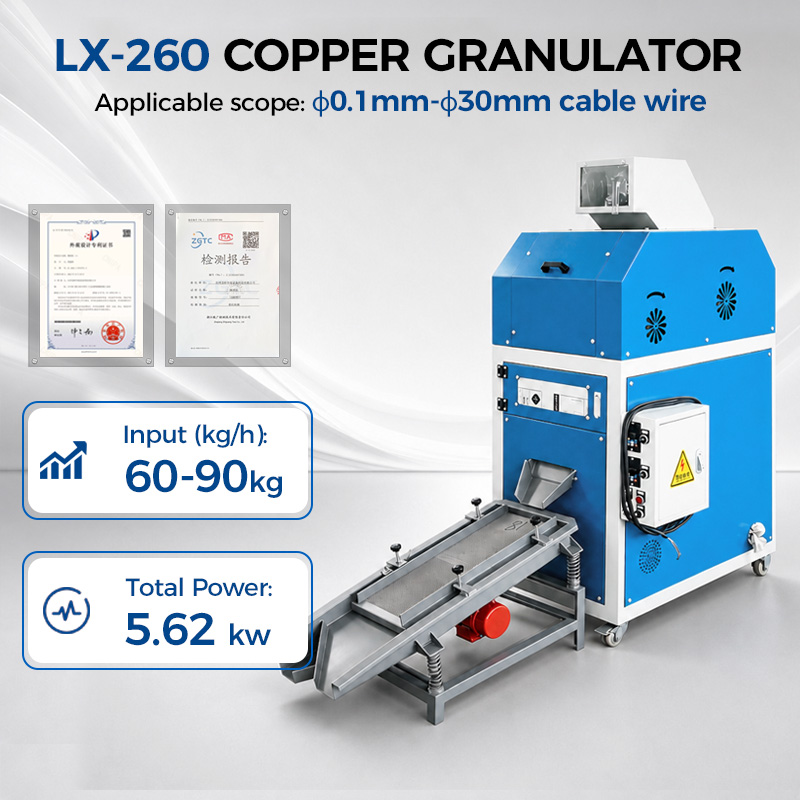
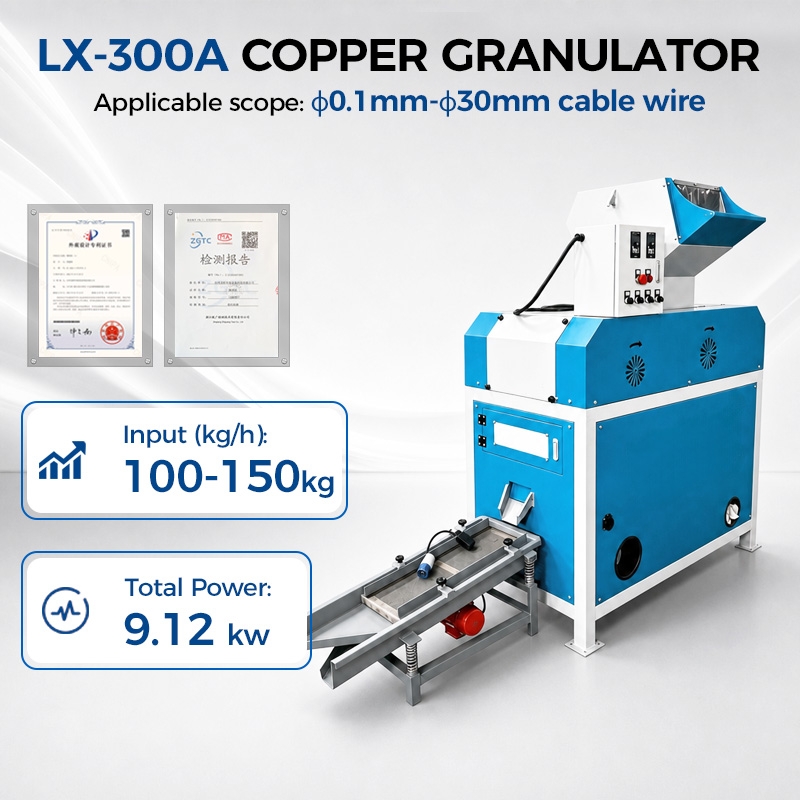
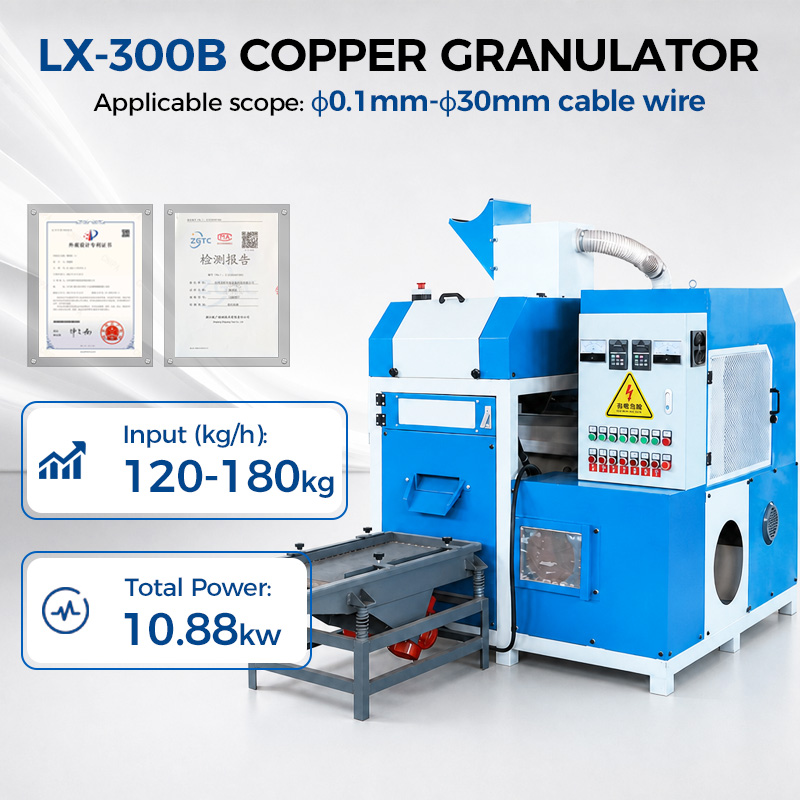
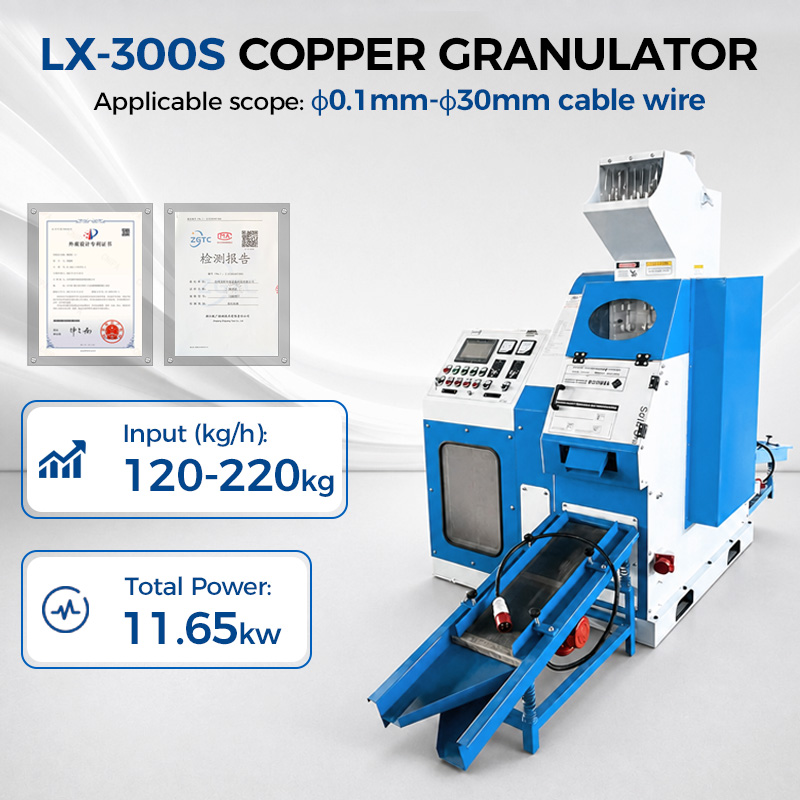
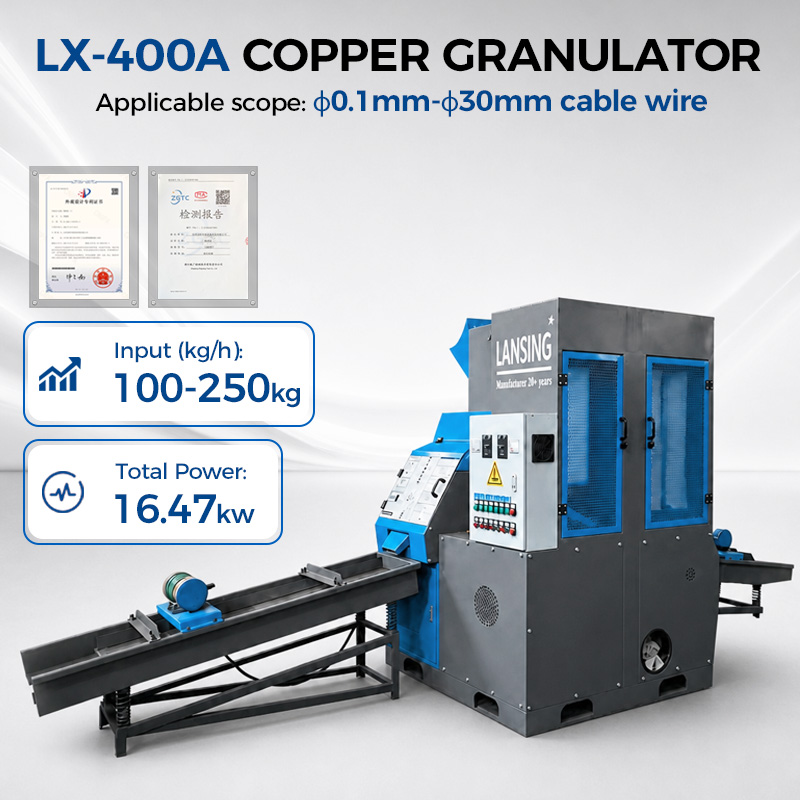
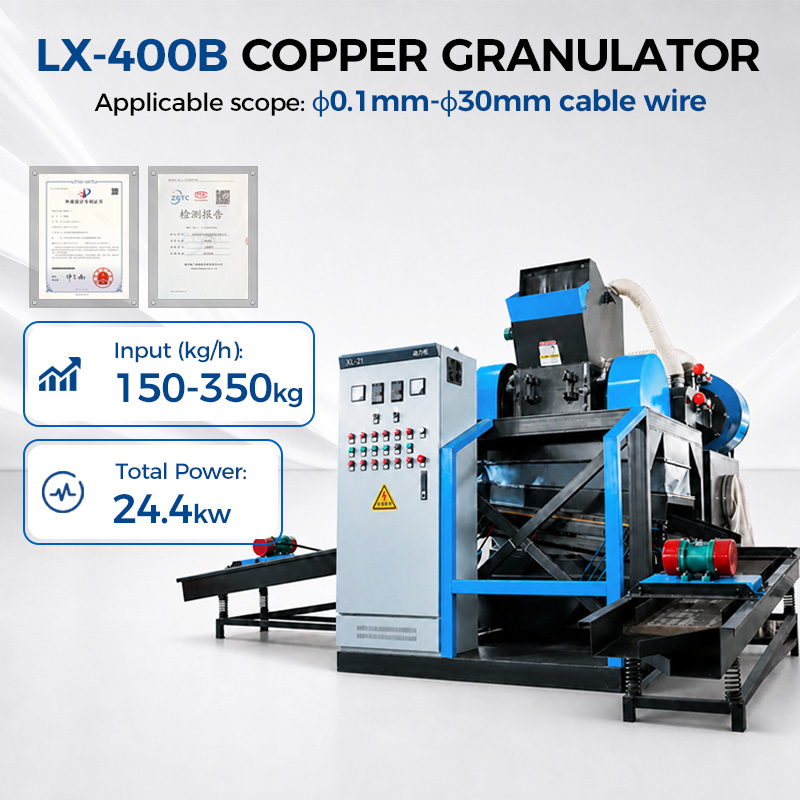
Scrap Copper Wire Recycling Machine Overview

application/scrap-copper-wire-recycling-machine, application/scrap-copper-wire-recycling-machine, 
Inquiry
Inquiry

scrap copper wire recycling machine

Understanding and choosing the right scrap copper wire recycling machine is essential for businesses looking to efficiently process waste cables and metals. This equipment plays a crucial role in recycling operations, impacting profitability and sustainability. B2B buyers often seek information on specifications, quality evaluation, installation challenges, applications, and common issues to ensure they make informed purchasing decisions. This article will guide you through these critical aspects of scrap copper wire recycling machines.

How to Evaluate the Quality of Scrap Copper Wire Recycling Equipmen

Quality evaluation of scrap copper wire recycling machines involves assessing materials, manufacturing processes, and certifications.

Materials: The durability of components such as blades and frames is critical. High-quality steel or specialized alloys can enhance the longevity of the machine, reducing maintenance needs and downtime.

Manufacturing Processes: Understanding the production methods used can reveal a lot about the machine's reliability. Machines manufactured using advanced techniques, like precision machining and robotic assembly, often exhibit better performance and consistency.

Certifications: Certifications like CE, ISO, or others relevant to industry standards can serve as indicators of quality. These certifications often require manufacturers to meet stringent quality control processes and safety standards.

Buyers should request detailed information about the materials used and the manufacturing processes, as well as any certifications the equipment holds, to ensure they are investing in a reliable product.

Common Installation Challenges for Scrap Copper Wire Recycling Equipmen

Installing scrap copper wire recycling machines can present several challenges. A common issue is ensuring proper alignment and connectivity with existing systems. Misalignment can lead to operational inefficiencies and increased wear on components.

Space Constraints: Often, facilities may not have adequate space for the equipment. It’s essential to assess not only the machine's footprint but also the space required for maintenance access.

Electrical Requirements: Different machines have varied power needs. Ensuring that the facility can accommodate these requirements, including the voltage and phase needed, is crucial to avoid operational disruptions.

Training Requirements: Proper installation might also require staff training to ensure they understand the operating procedures and maintenance needs of the machine. Training on the operation of specialized machines like the Shredding Machine can also be beneficial for the team.

Addressing these challenges during the planning phase can help avoid costly delays and ensure a smoother installation process.

Applications of Scrap Copper Wire Recycling Machines in Various Industries

Scrap copper wire recycling machines have diverse applications across multiple industries, including construction, electronics, and automotive.

Construction: Waste copper wiring from construction sites can be recycled efficiently, reducing the environmental impact and generating revenue from scrap.

Electronics: As electronics become more prevalent, the need for efficient recycling of copper from old electronics is critical. These machines can handle various types of insulated wires, making them suitable for processing electronic waste.

Automotive: The automotive industry generates significant amounts of scrap copper wiring. Recycling machines can quickly process wiring harnesses, contributing to sustainability goals within the industry.

Understanding these applications can help businesses identify opportunities for recycling operations that align with their core activities, potentially enhancing profit margins.

Solutions to Common Problems with Scrap Copper Wire Recycling Machines

Common problems with scrap copper wire recycling machines may include operational inefficiencies and maintenance issues.

Operational Inefficiencies: These can arise from improper settings or malfunctions. Regular maintenance checks and adhering to operational guidelines can help mitigate such issues. Buyers should consider machines with built-in diagnostic features that alert operators to potential problems before they become significant.

Material Blockages: Blockages can occur if the machine is overloaded or if improper materials are introduced. Clear procedures for material input and regular checks can help prevent these issues, ensuring smooth operation.

Wear and Tear: Components such as blades will eventually wear down. Buyers should inquire about the availability of replacement parts and the ease of maintenance when evaluating machines.

By understanding these potential issues, buyers can select machines that not only meet their processing needs but also support long-term operational efficiency through good design and reliable service. Additionally, exploring options like a Wire Stripping Machine can further enhance processing capabilities.

By focusing on these key areas, businesses can ensure that they choose the right scrap copper wire recycling machine, optimizing their recycling operations and contributing to sustainability efforts within their industries.

Understanding Specifications for Scrap Copper Wire Recycling Machines

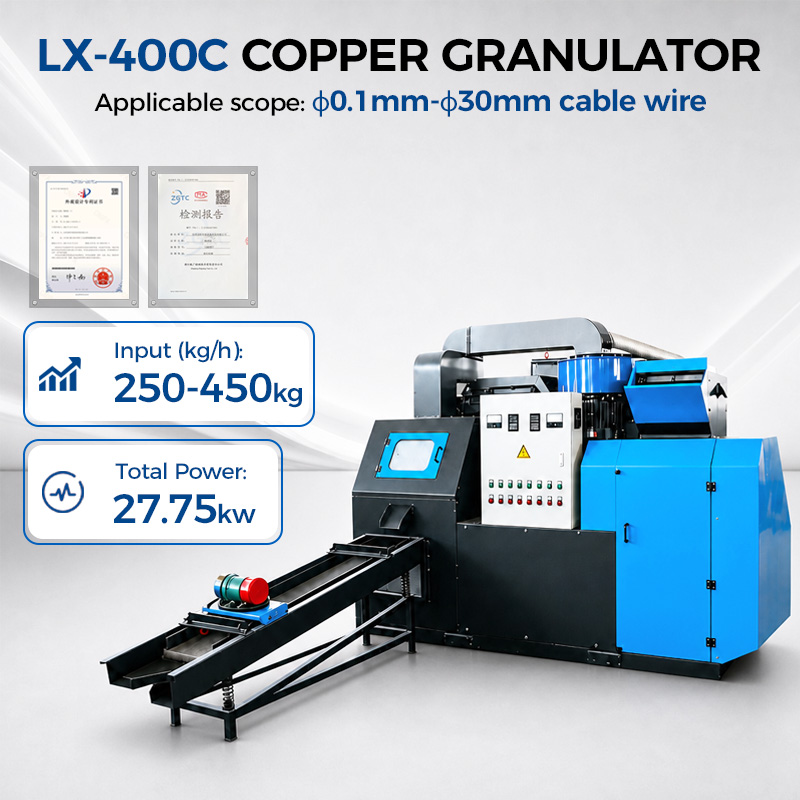
When evaluating scrap copper wire recycling machines, key specifications to consider include processing capacity, power consumption, and separation efficiency.

Processing Capacity: Measured in kilograms per hour, this indicates how much material the machine can handle. A higher capacity is crucial for larger operations, ensuring that processing meets demand without bottlenecks.

Power Consumption: Understanding the machine's energy requirements is essential for calculating operational costs. Machines that are energy-efficient can significantly reduce long-term expenses.

Separation Efficiency: This refers to the machine's ability to effectively separate copper from insulation and other materials. A high separation efficiency not only increases material recovery but also reduces contamination, which is vital for achieving higher prices for recycled copper. For enhanced separation processes, consider integrating an Electrostatic Separator to improve the efficiency of your operations.

Buyers should verify these specifications based on their specific operational needs and the types of materials they process. An understanding of these technical parameters can lead to a machine that meets both current and future demands.

Get a Free Quote

Tell us about your recycling needs, and our team will recommend the right equipment and solution for your project.
0/1000