Choosing the Right Industrial Metal Shears

application/industrial-metal-shears, application/industrial-metal-shears, 
Inquiry
Inquiry

industrial metal shears

Industrial metal shears are essential tools for cutting and processing various types of metals in manufacturing and recycling applications. These machines are designed to handle different thicknesses and materials, making them indispensable for industries involved in metal fabrication, recycling, and construction. As a purchasing manager or engineer, it's crucial to understand the specifications and capabilities of these machines to ensure they meet your project needs. This article will guide you through selecting the right industrial metal shears, the cost factors involved in bulk purchases, their applications across industries, and best practices for optimal use.


Cost Factors to Consider When Buying Industrial Metal Shears in Bulk

Cost Factors to Consider When Buying Industrial Metal Shears in Bulk

When purchasing industrial metal shears in bulk, several cost factors come into play. The initial price of the machine is just one element; buyers should also consider long-term operational costs. Maintenance and repair expenses can vary significantly based on the shear's design and the materials being processed.

Another crucial aspect is the total cost of ownership, which includes energy consumption and the availability of replacement parts. Hydraulic systems may have higher initial costs but can be more cost-effective in the long run due to their durability and lower energy consumption. For those looking at shredding options, products like the MINI LS-400 Dual-Shaft Cable and Scrap Shredder can be a valuable addition.

Volume discounts are another factor to consider when buying in bulk. Suppliers often provide better pricing structures for larger orders, which can significantly reduce the unit price. Additionally, consider the potential need for training or additional support services, which can also impact your overall budget.

Understanding these cost factors will enable you to make more informed decisions, ensuring that your investment in industrial metal shears aligns with your operational needs and financial constraints.

Applications of Industrial Metal Shears in Different Industries

Applications of Industrial Metal Shears in Different Industries

Industrial metal shears find application across various sectors, each with unique requirements. In the manufacturing industry, these machines are essential for producing parts that require precise metal cutting, such as automotive components and machinery parts. Their ability to handle various thicknesses and types of metals makes them versatile tools in this sector.

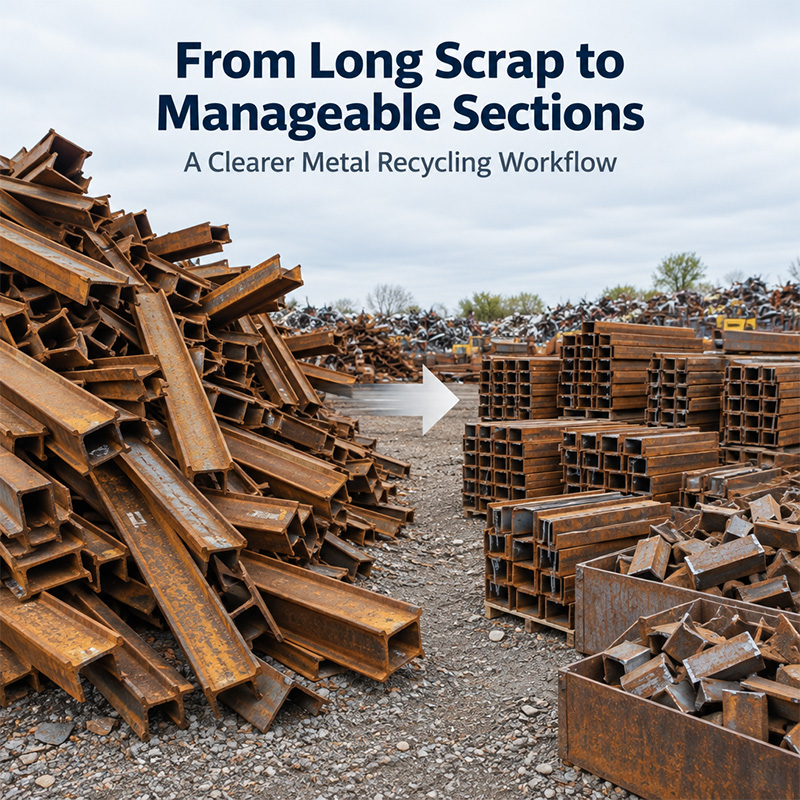
In the recycling industry, industrial metal shears are used to process scrap metals, enabling efficient recycling and resource recovery. These shears help reduce the size of scrap, making it easier to transport and process further.

Construction companies also utilize metal shears for cutting rebar and steel sheets, which are fundamental materials in building structures. The speed and efficiency of industrial shears enhance productivity on construction sites, ensuring timely project completion.

Each industry has specific requirements regarding cutting precision, speed, and material compatibility, making it essential to choose the right industrial metal shears that can meet those demands.

Comparing Features of Leading Industrial Metal Shears on the Marke

Comparing Features of Leading Industrial Metal Shears on the Marke

When evaluating industrial metal shears, it's important to compare the features offered by various models. Key features to consider include:

Cutting Capacity: Different models have varying maximum cutting thicknesses and widths. Ensure that the shear you choose can handle your specific material dimensions.Power Source: Shears can be powered by hydraulic systems, electric motors, or pneumatic systems. Each power source has its advantages and suitability depending on the application.Safety Features: Look for models equipped with safety guards and emergency stop buttons, which are essential for minimizing accidents in the workplace.Programmability: Advanced models may offer programmable controls for automated cutting processes, enhancing efficiency and reducing manual labor.

By comparing these features, buyers can identify which industrial metal shears best align with their operational needs and budget constraints.

Best Practices

To maximize the performance and longevity of industrial metal shears, adhering to best practices is essential. First, regular maintenance is crucial. This includes routine inspections, blade sharpening, and lubrication of moving parts to prevent wear and tear.

Second, ensure that operators are adequately trained to use the equipment safely and effectively. Proper training minimizes the risk of accidents and ensures that the machine operates at optimal efficiency.

Third, always adhere to the manufacturer's guidelines regarding material specifications and cutting settings. Using materials outside the recommended specifications can lead to equipment damage and safety hazards.

Finally, consider implementing a quality control process to regularly check the precision of cuts and the condition of the blades. This proactive approach can prevent costly downtime and maintain production quality.

By following these best practices, organizations can ensure that their investment in industrial metal shears yields maximum returns in productivity and safety.

How to Choose the Right Industrial Metal Shears for Your Projects

Selecting the right industrial metal shears involves evaluating several key factors. First, consider the type of metal you will be cutting, as different shears are designed for various materials such as aluminum, stainless steel, or copper. The thickness of the metal is also critical; shears have specific cutting capacities that must align with your requirements. For instance, if you're dealing with copper materials, you might consider the LE-500B Electrostatic Separator for Copper and Plastic Recovery for effective processing.

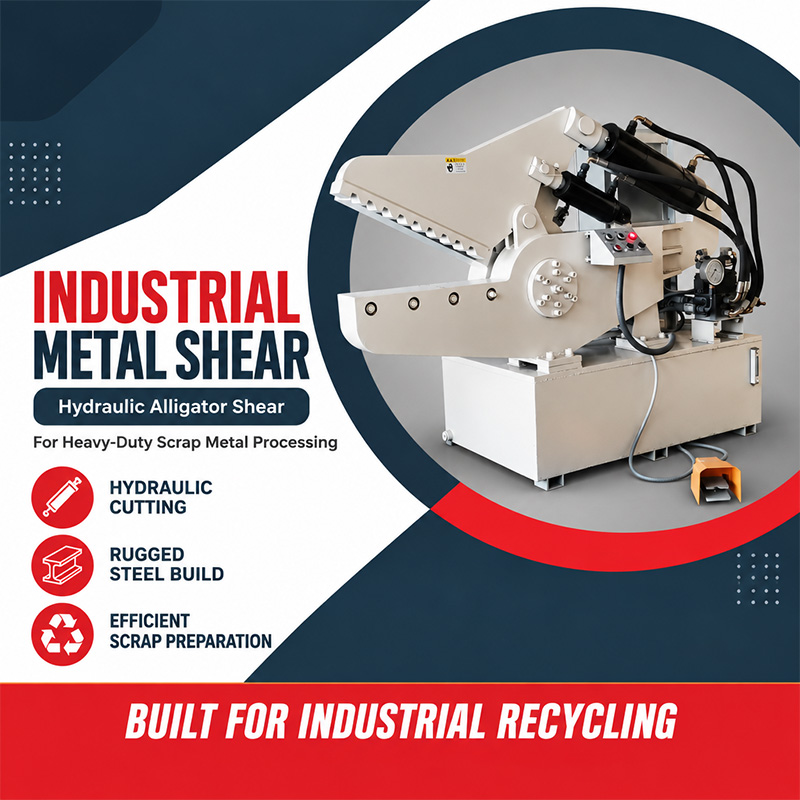
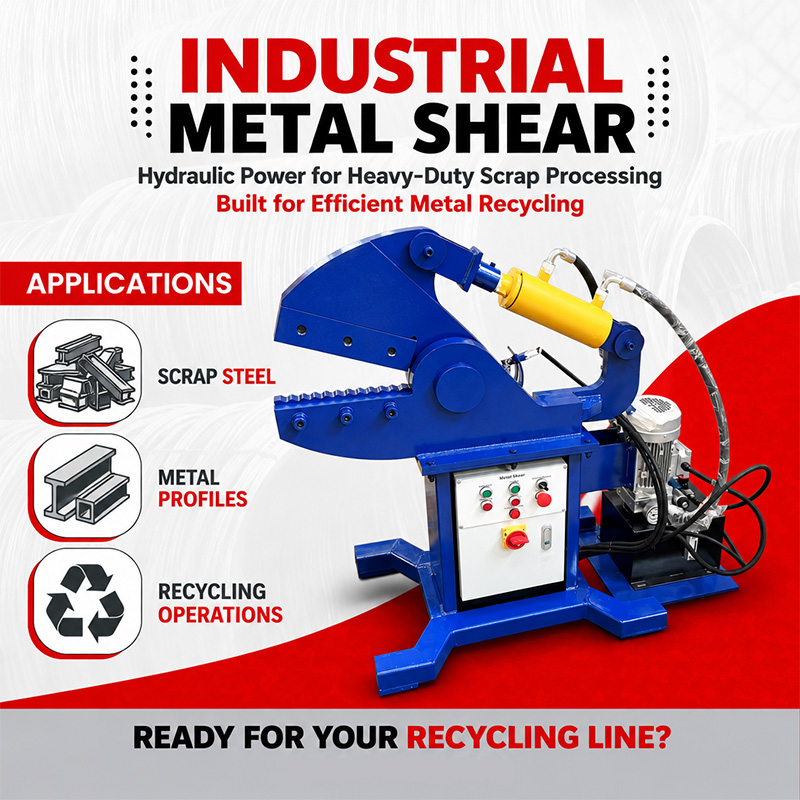
Next, assess the shearing mechanism. There are two main types: hydraulic and mechanical. Hydraulic shears generally provide more power and precision, making them suitable for thicker materials, while mechanical shears are often better for lighter applications due to their speed and efficiency.

Additionally, look at the machine's cutting speed and blade quality. A faster cutting speed can improve productivity, but it should not sacrifice precision. High-quality blades, often made of hardened steel or alloy, ensure longevity and consistent performance.

Finally, consider customization options that may be necessary for your specific applications, such as adjustable cutting angles or programmable features for automated operations. Understanding these factors will help you choose the most suitable industrial metal shears for your projects.

Get a Free Quote

Tell us about your recycling needs, and our team will recommend the right equipment and solution for your project.
0/1000