Choosing the Right Industrial Metal Shredder Machine

application/industrial-metal-shredder-machine, application/industrial-metal-shredder-machine, 
Inquiry
Inquiry

industrial metal shredder machine

Industrial metal shredder machines are essential tools in the recycling and waste management industries. They efficiently process various metals, ensuring that materials are properly reduced for reuse or disposal. For B2B buyers, such as purchasing managers and engineers, selecting the right shredder involves understanding specifications, operational capabilities, and potential applications. This article will guide you through key factors to consider when choosing an industrial metal shredder machine, sourcing reliable suppliers, understanding cost factors, and addressing common challenges.

Where to Find Reliable Suppliers of Industrial Metal Shredders

Where to Find Reliable Suppliers of Industrial Metal Shredders

Finding a trustworthy supplier for industrial metal shredders can be achieved through various channels. Start by researching established manufacturers with a solid reputation in the recycling equipment industry. Companies like Hangzhou Lansing Machinery Co., Ltd. often provide extensive catalogs of shredders and related equipment, showcasing their capabilities and product offerings.

Trade shows and industry conferences are also excellent venues for networking with suppliers. They allow potential buyers to see the machinery in action and ask manufacturers directly about specifications and custom solutions. Additionally, online platforms and industry forums can provide insights into supplier reliability through user reviews and testimonials.

Before finalizing a supplier, request references from current customers and inquire about their experiences with the product and support services. Assessing a supplier's after-sales service and maintenance support is equally important, as these factors significantly impact your operational efficiency and machine longevity. It's worthwhile to consider suppliers who also offer complementary equipment, such as a Copper Granulator, which can enhance your metal recycling operations.

Understanding Cost Factors for Bulk Orders of Metal Shredders

Understanding Cost Factors for Bulk Orders of Metal Shredders

The cost of industrial metal shredders can vary widely based on several factors. When purchasing in bulk, it is essential to understand how pricing structures work. Volume discounts are often available, and negotiating terms can lead to significant savings. However, it’s crucial to compare not only the unit prices but also the total cost of ownership, which includes installation, maintenance, and potential operational costs.

Consider the specifications that affect pricing, such as motor size, blade quality, and additional features like automation capabilities. Higher-end models may incur a higher upfront cost but can lead to lower operational costs due to increased efficiency and reduced maintenance.

Additionally, shipping and handling fees, especially for larger machines, can impact pricing. Ensure to clarify these costs with your supplier and factor them into your overall budget. Finally, inquire about warranty options and service agreements, as these can provide long-term value and protection against unexpected expenses.

Key Applications for Industrial Metal Shredder Machines in Manufacturing

Key Applications for Industrial Metal Shredder Machines in Manufacturing

Industrial metal shredders serve several critical applications in manufacturing and recycling sectors. One of the primary uses is in the processing of scrap metal, which can include anything from old machinery to rejected components. Shredding these materials makes it easier to transport and recycle, often yielding high-quality raw materials for new products.

Another significant application is in the production of metal chips from machining processes. By shredding the chips, manufacturers can reclaim valuable metal and reduce waste disposal costs. Moreover, metal shredders are also utilized in the automotive industry for end-of-life vehicles, allowing for efficient dismantling and recycling of materials.

In addition to recycling, industrial metal shredders can enhance the supply chain by reducing storage needs. Smaller, shredded materials require less space and can be more easily managed within warehouses or production facilities. Understanding these applications helps buyers assess whether an industrial metal shredder aligns with their operational needs and sustainability goals.

Common Problems with Metal Shredder Machines and Their Solutions

Like any industrial equipment, metal shredders can experience issues that affect performance. One common problem is blade wear and tear, which can reduce shredding efficiency. Regular maintenance, including timely blade sharpening or replacement, is crucial to ensure optimal functioning. Manufacturers often provide guidelines on maintenance schedules, which should be strictly followed.

Another issue is material jamming, which can occur if the material being fed into the shredder is too large or contains foreign objects that disrupt the shredding process. To mitigate this risk, operators should implement a thorough pre-shredding inspection process and ensure that only suitable materials are processed.

Additionally, electrical or mechanical failures can occur due to improper use or lack of maintenance. Buyers should ensure that operators are well-trained in the machine's operation and conduct routine checks on electrical components and connections. Having a reliable support system from the supplier for troubleshooting and spare parts availability can significantly minimize downtime. In cases of complex issues, having access to suppliers who also provide equipment like the Wire Stripping Machine can help create a more integrated approach to maintenance and support.

By understanding these common challenges and their solutions, buyers can make informed decisions about maintenance practices and supplier support, ultimately ensuring the longevity and efficiency of their industrial metal shredders.

What to Consider When Choosing an Industrial Metal Shredder Machine

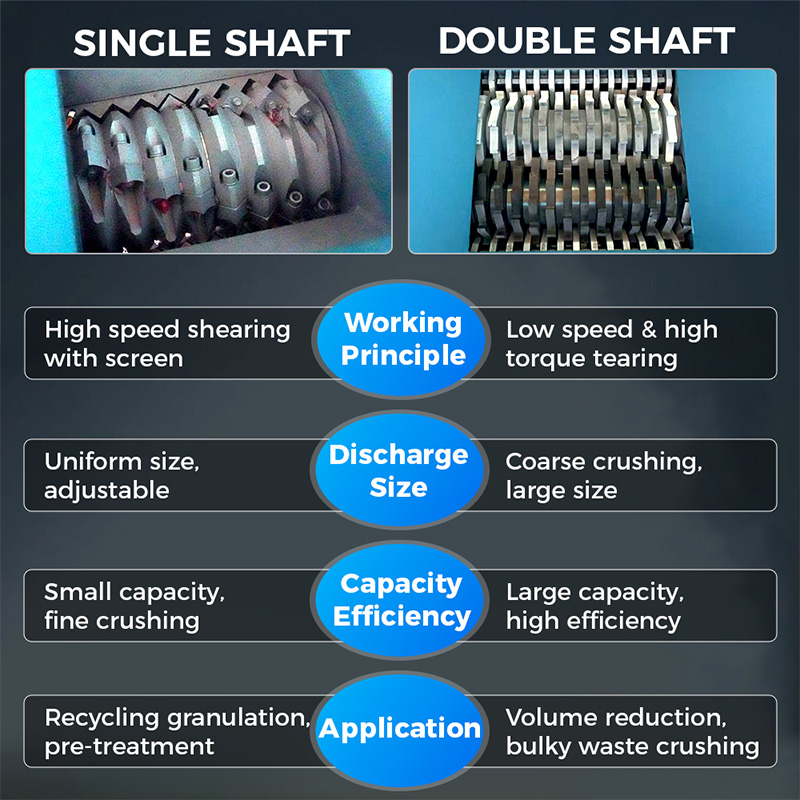
When selecting an industrial metal shredder machine, several critical factors need to be assessed. First, consider the type of materials you will be processing. Different shredders are designed for specific materials, such as aluminum, steel, or mixed metals. Understanding the feedstock characteristics, such as size, thickness, and composition, is essential as it influences the shredding method and required power.

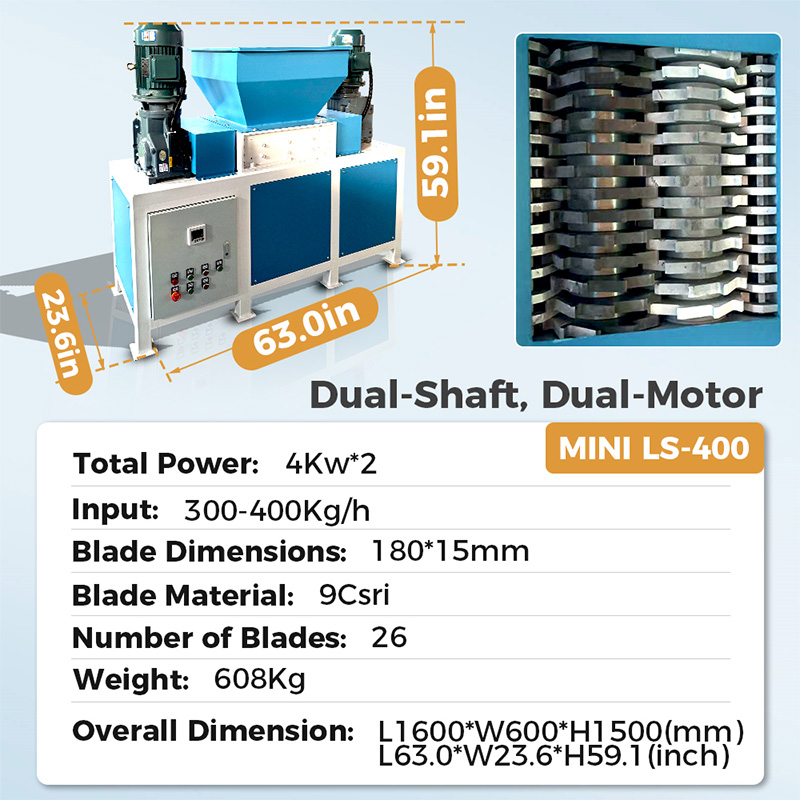
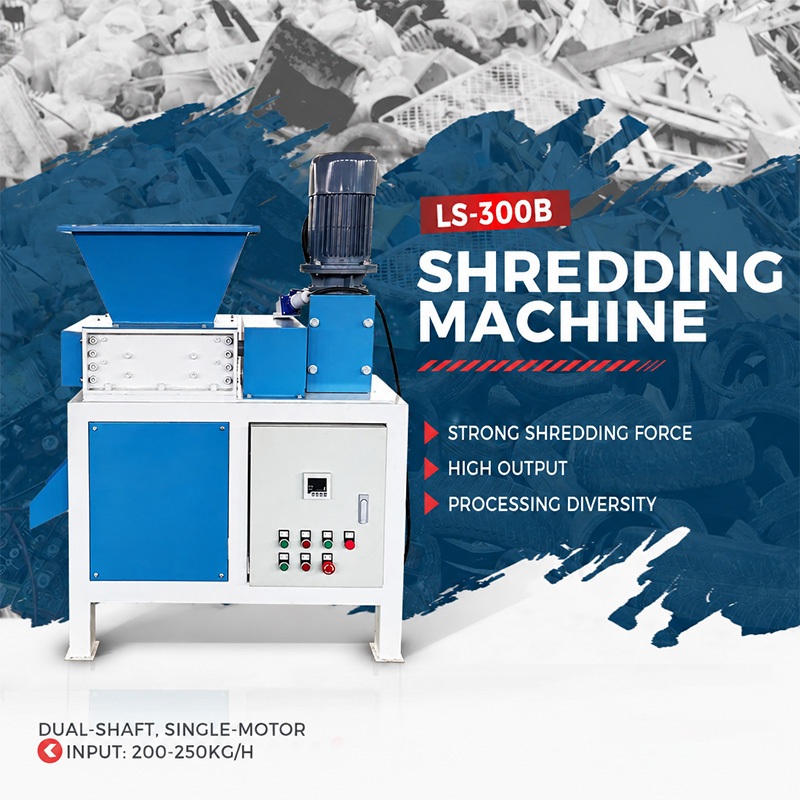
Next, examine the shredder's specifications, including motor power, cutting chamber size, and blade configuration. A machine with a robust motor capacity will handle tougher materials more effectively, while the cutting chamber size determines how much material can be shredded at once. Additionally, check for features like adjustable blade settings to customize processing based on the material type and desired output size. For example, a Shredding Machine might offer specific configurations that enhance its efficiency for certain materials.

Another consideration is the machine's throughput capacity, which indicates how much material can be processed over a specific timeframe. This metric is crucial for meeting production demands and operational efficiency. Finally, evaluate the machine’s ease of maintenance and availability of parts, as this can significantly affect downtime and overall productivity.

Get a Free Quote

Tell us about your recycling needs, and our team will recommend the right equipment and solution for your project.
0/1000