Choosing the Best Electric Wire Recycling Machine

application/electric-wire-recycling-machine, application/electric-wire-recycling-machine, 
Inquiry
Inquiry

electric wire recycling machine

Electric wire recycling machines are essential tools in the recycling industry, designed to efficiently process waste electric wires and cables to recover valuable materials such as copper and aluminum. For B2B buyers, key concerns include machine efficiency, operational costs, and the overall quality of the output material. This article aims to provide a comprehensive guide on selecting the right electric wire recycling machine, detailing purchasing considerations, installation guidance, and various industrial applications.

Wholesale Purchasing Guide for Electric Wire Recycling Equipmen

When purchasing electric wire recycling machines wholesale, buyers should focus on several critical aspects:

Supplier Evaluation: Research potential suppliers, considering their manufacturing capabilities and reputation in the industry. Look for suppliers like Hangzhou Lansing Machinery Co., Ltd., known for their integrated manufacturing and global sales support.

Request for Quotation (RFQ): Prepare a detailed RFQ that includes specifications such as machine type, capacity, and any customization requirements. Include your intended application and expected throughput to help suppliers provide accurate pricing.

Minimum Order Quantity (MOQ): Understand the MOQ set by suppliers. If you're a smaller operation, inquire if they offer flexibility on MOQs or if they have options for smaller machines like the Shredding Machine.

Pricing Factors: Be aware that pricing can vary based on specifications, customization, and order volume. Discuss any factors that could impact final costs, such as materials and required performance standards.

Lead Time and Delivery: Confirm lead times and shipping methods. Ensure that the supplier can meet your timeline, especially if you have specific project deadlines.

Evaluating the Quality of Electric Wire Recycling Machines

Quality is a paramount consideration when investing in electric wire recycling machines. Here’s how to evaluate it:

Certifications and Standards: Verify that the machine meets relevant industry certifications and standards. Certifications can indicate compliance with safety and environmental regulations, ensuring the machine operates efficiently and safely.

Material and Build Quality: Inspect the materials used in construction. Machines made from high-grade steel and durable components will typically last longer and require less maintenance.

Operational Testing: If possible, request a demonstration or trial period to assess the machine's performance. This will allow you to see the recovery rate and efficiency in real-time.

Warranty and Support: Understand the warranty offered by the manufacturer. A robust warranty and responsive customer support can save costs in the long run if issues arise.

User Reviews and Case Studies: Look for reviews or case studies from other buyers. Real-world experiences can provide insights into the machine's performance and reliability.

Installation Guidance for Electric Wire Recycling Machines

Proper installation is crucial for optimal machine performance. Follow these guidelines:

Site Preparation: Ensure the installation site is clean, dry, and adequately prepared to accommodate the machine's dimensions and operational requirements.

Electrical and Mechanical Setup: Verify that the electrical supply meets the machine's requirements. Engage qualified professionals for installation to ensure proper connections and compliance with safety standards.

Initial Calibration: After installation, calibrate the machine according to the manufacturer’s specifications. This step is essential to ensure optimal performance and efficiency.

Operator Training: Provide thorough training for operators on machine operation and safety protocols. Well-trained operators can significantly reduce the risk of operational issues and accidents.

Regular Maintenance Schedule: Establish a maintenance plan to ensure the machine operates efficiently over time. Regular checks can prevent unexpected downtime and prolong the machine's lifespan.

Applications of Electric Wire Recycling Machines in Various Industries

Electric wire recycling machines have diverse applications across multiple industries:

Electrical and Electronics Manufacturing: These machines are essential for recycling off-cuts and defective wires in the manufacturing process, allowing companies to recover valuable materials and reduce waste.

Construction Industry: Construction sites often generate large quantities of scrap wires. Recycling machines can process this waste on-site, contributing to sustainable construction practices.

Automotive Sector: The automotive industry generates significant wire waste from production and scrapping old vehicles. Electric wire recycling machines can help recover metals from these wires, benefiting both the environment and the bottom line.

Telecommunications: With the rapid expansion of telecommunication networks, there is an increasing amount of scrap wire generated. Recycling machines help telecom companies manage this waste effectively.

General Manufacturing: Any manufacturing process that involves electrical components can benefit from using electric wire recycling machines. They help streamline waste management and enhance sustainability efforts.

By understanding the right machine for your needs, effectively navigating the purchasing process, ensuring quality, facilitating proper installation, and recognizing the machine's applications, buyers can make informed decisions that enhance their operations and sustainability efforts.

How to Choose the Right Electric Wire Recycling Machine for Your Needs

When selecting an electric wire recycling machine, consider the following factors:

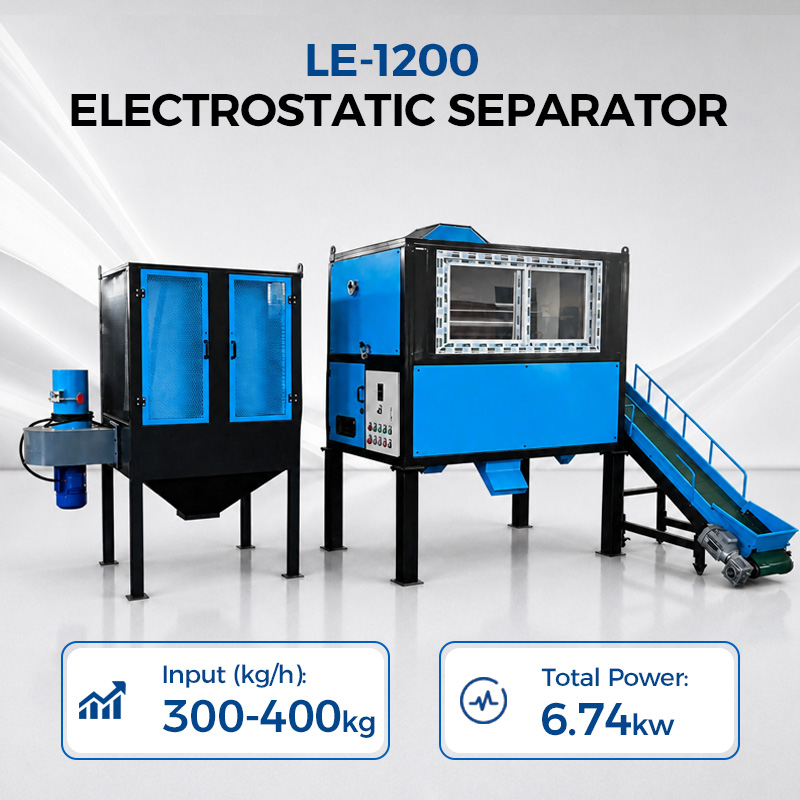
Capacity and Throughput: Assess the volume of wires you plan to process. Machines vary in capacity, so choose one that aligns with your operational needs. A higher throughput machine may be necessary for larger operations to ensure efficiency.

Material Compatibility: Different machines are designed to handle various wire types. Ensure the machine you select can process the specific types of wires you have, whether they are insulated, non-insulated, or contain multiple materials.

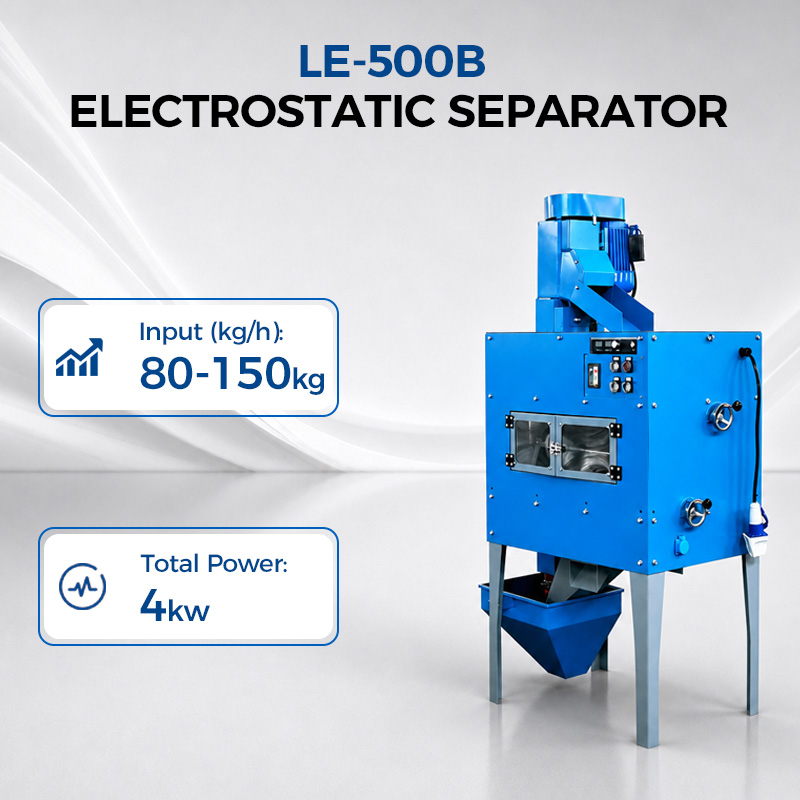
Recovery Rate: Look for machines with high recovery rates for valuable materials. A machine that efficiently separates insulation from metal will yield more copper or aluminum, impacting your profit margins. Machines like the Copper Granulator can significantly enhance recovery rates.

Automation Level: Fully automated machines require less manual intervention and can increase operational efficiency. However, they may come at a higher cost. Assess your workforce capabilities and budget to determine the right balance.

Space Requirements: Evaluate the space available in your facility. Some machines require more room for operation and maintenance. Ensure you have adequate space for installation and future expansion.

Get a Free Quote

Tell us about your recycling needs, and our team will recommend the right equipment and solution for your project.
0/1000