Key Considerations for Copper Wire Recycling Equipment

application/copper-wire-recycling-equipment, application/copper-wire-recycling-equipment, 
Inquiry
Inquiry

copper wire recycling equipment

Copper wire recycling equipment is essential for businesses involved in the recycling of waste cables and metals. As industries increasingly recognize the value of recycling for both environmental and economic benefits, sourcing the right equipment becomes a critical concern for purchasing managers and engineers. This article aims to address key specifications to consider when selecting copper wire recycling machines, the cost factors influencing purchases, common operational challenges, ways to evaluate supplier reliability, and strategies to enhance your recycling process.

Understanding the Cost Factors of Copper Wire Recycling Equipment Purchases

The cost of copper wire recycling equipment can vary significantly based on several factors. Understanding these can aid in making a more informed purchasing decision.

Initial Purchase Price: This is the most straightforward cost but can be misleading. While a lower purchase price might seem attractive, it may not reflect the total cost of ownership. Consider the machine's efficiency, durability, and maintenance requirements.

Operating Costs: Ongoing expenses such as electricity, labor, and maintenance should be factored into the total cost. Energy-efficient machines may have higher initial costs but can save money in the long run through lower utility bills.

Maintenance and Repairs: Regular maintenance is essential for keeping machinery in good working order. Some manufacturers offer extended warranties or service packages that can mitigate unexpected repair costs. It’s wise to inquire about these options before making a purchase.

Customization: If your operation requires specific modifications, such as tailored processing capabilities or unique features, be prepared for additional costs associated with customization. Discussing your needs with the manufacturer can help clarify whether these modifications are viable and what they might cost.

Shipping and Installation: Don’t overlook these logistical costs. Shipping can add significantly to the overall price, especially for larger machines or those requiring special handling. Additionally, installation services may be necessary to ensure proper setup and operation.

Common Problems in Copper Wire Recycling and Effective Solutions

Even the best copper wire recycling equipment can encounter issues. Being aware of common problems and their solutions can help maintain operational efficiency.

Jamming: This is a frequent issue caused by oversized materials or improper feeding techniques. Ensure that operators are trained to feed the machine correctly and that oversized materials are processed separately.

Inefficient Separation: If the separation process is not achieving the desired purity levels, it may be due to incorrect settings or equipment wear. Regular maintenance and calibration checks can help ensure the machinery operates effectively. Additionally, investing in high-quality separation technology such as our Shredding Machine can improve output quality.

Wear and Tear: Frequent use can lead to wear on blades and other components. Implementing a regular maintenance schedule can prolong the life of the equipment and reduce downtime.

Operator Error: Insufficient training can lead to operational errors. Providing comprehensive training for all operators can mitigate this risk and enhance overall productivity.

Environmental Compliance: Adhering to environmental regulations is crucial. Make sure your equipment meets local waste management and recycling standards to avoid potential fines and operational disruptions.

Evaluating Supplier Reliability for Copper Wire Recycling Equipment

Choosing a reliable supplier is as important as selecting the right equipment. Here are key factors to consider:

Reputation: Research the supplier’s reputation in the industry. Look for reviews, testimonials, and case studies that demonstrate their track record of delivering quality products and services.

Experience: A supplier with extensive experience in the recycling equipment sector will better understand your needs and can provide tailored solutions. Their expertise can also assist with troubleshooting and support.

After-Sales Support: Reliable support after the sale is critical. Evaluate the supplier’s commitment to customer service, including warranty provisions, maintenance services, and available training programs for operating the machinery.

Customization Options: Suppliers that offer customization can better meet your specific operational needs. Discuss your requirements upfront to understand how flexible the supplier can be in adapting their products.

Certifications: Check for relevant industry certifications that demonstrate the supplier’s commitment to quality and compliance with safety standards. This can provide additional assurance of the machinery’s reliability and performance.

Enhancing Your Copper Wire Recycling Process

To optimize your copper wire recycling operations, consider the following strategies:

Regular Training: Ensuring that your personnel are well-trained in operating the equipment and understanding the recycling process can significantly enhance efficiency and safety. Regularly scheduled training sessions can keep staff updated on best practices and new technologies.

Process Monitoring: Implementing monitoring systems can help track the performance of your recycling process. This allows for quick identification of bottlenecks or inefficiencies, enabling timely corrective actions.

Quality Control: Establishing quality control measures throughout the recycling process can ensure that the output meets your standards. This might include regular sampling and testing of recycled materials to assess purity and quality.

Research and Development: Staying informed about advancements in recycling technology can provide insights into new methods and equipment that could enhance your operations. Consider partnerships with manufacturers like Hangzhou Lansing Machinery Co., Ltd., which specialize in developing innovative recycling solutions, including options like the Wire Stripping Machine.

Sustainability Practices: Incorporating sustainable practices into your recycling process not only benefits the environment but can also improve your marketability. Customers increasingly prefer to work with businesses that prioritize sustainability, and adopting eco-friendly practices can help differentiate your operation in a competitive market.

By carefully considering these factors when sourcing copper wire recycling equipment and developing your processes, you can enhance efficiency, reduce costs, and contribute positively to environmental sustainability.

Key Specifications to Consider When Sourcing Copper Wire Recycling Machines

When selecting copper wire recycling equipment, several technical specifications are crucial for ensuring optimal performance and efficiency.

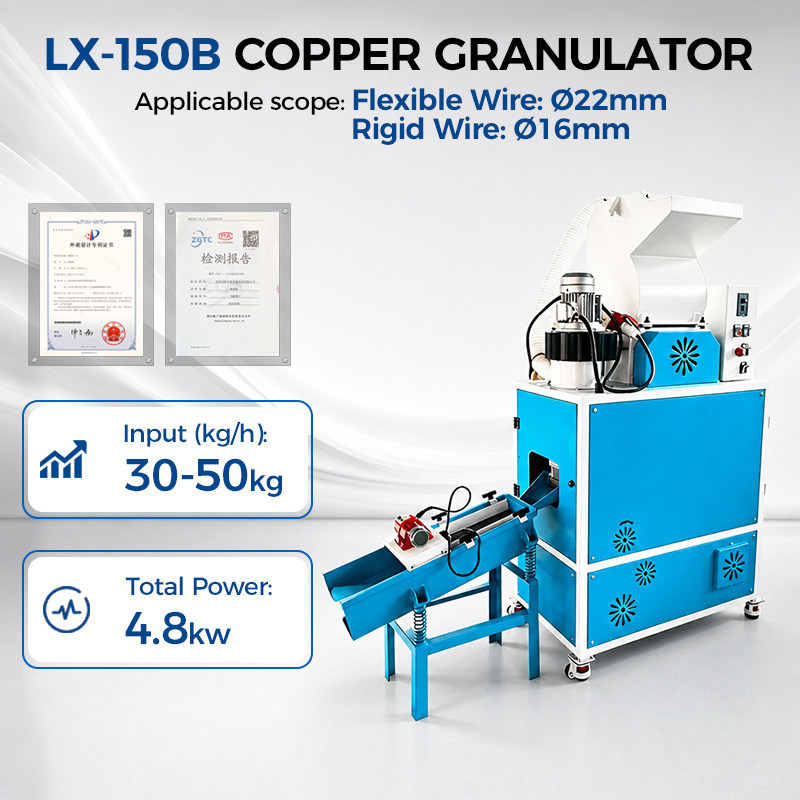
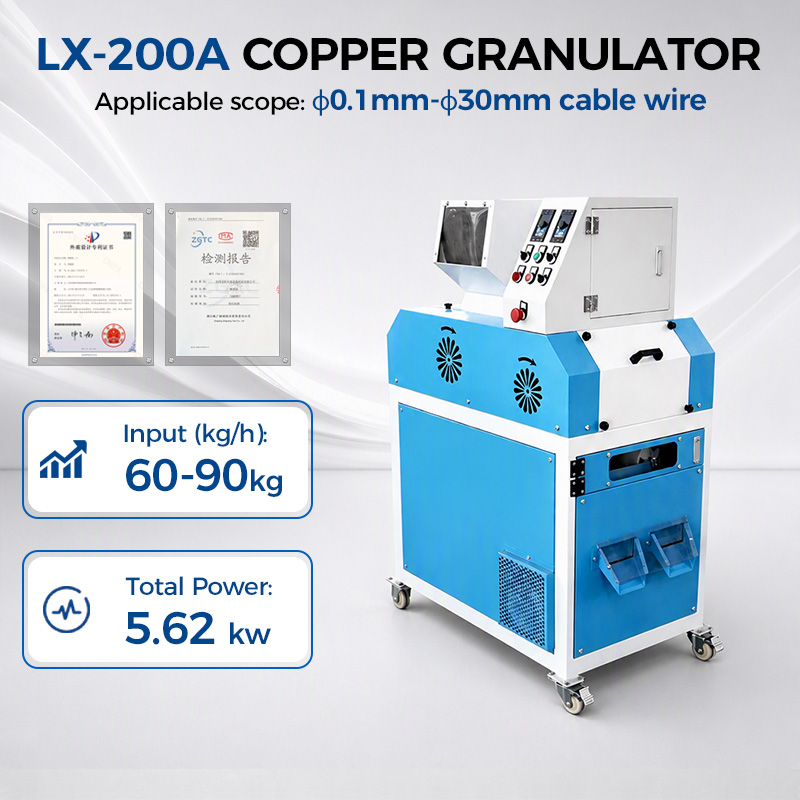
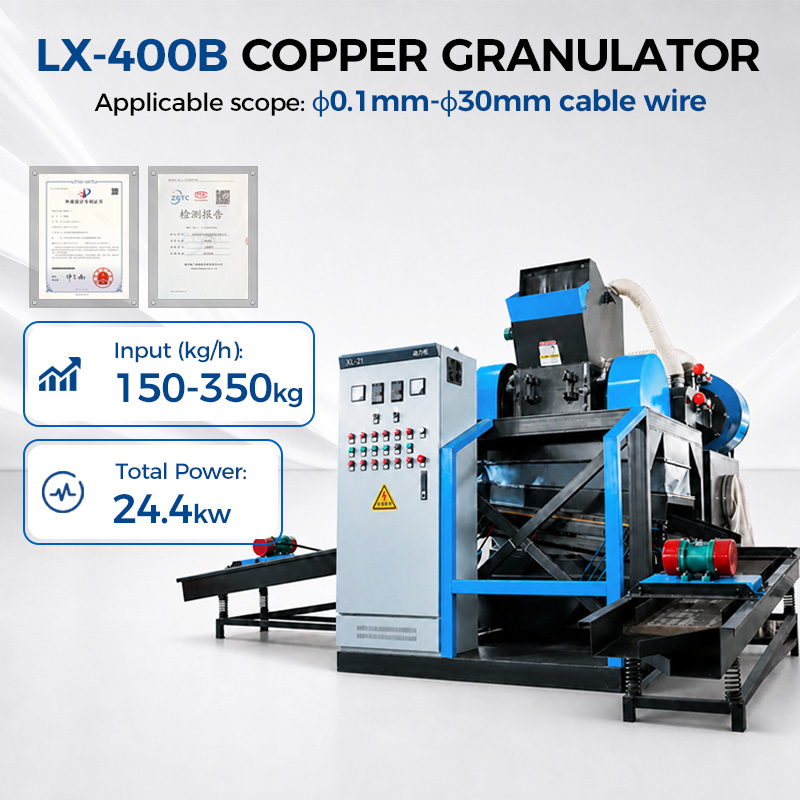
Processing Capacity: This refers to the amount of material the machine can handle in a given timeframe. Typically measured in kilograms per hour, understanding your operational needs will help you choose a unit that aligns with your production goals. A machine with a higher capacity may be more efficient for larger operations but could also entail higher initial costs.

Separation Method: The effectiveness of the recycling process largely depends on the separation method employed. Common methods include mechanical shredding, air separation, and magnetic separation. Each method has its advantages and is suited for different types of copper wire. For instance, air separation is effective for lighter materials, while magnetic separation can efficiently remove ferrous contaminants. If you're interested in exploring advanced techniques, consider our Electrostatic Separator for enhanced separation capabilities.

Material Compatibility: Ensure the machine is capable of processing the specific types of copper wire you handle, such as insulated wire, bare copper, or mixed metals. Some machines are designed with adjustable settings to accommodate various wire types, which can enhance their versatility.

Energy Efficiency: Look for equipment that provides high energy efficiency ratings. This not only reduces operational costs but also minimizes your environmental footprint. Energy-efficient machines may have a higher upfront cost but can lead to significant savings over time.

Safety Features: Safety should always be a priority in industrial equipment. Look for machines that include safety guards, emergency stop buttons, and other protective features to ensure safe operation for your personnel.

Get a Free Quote

Tell us about your recycling needs, and our team will recommend the right equipment and solution for your project.
0/1000