Choosing the Right Waste Copper Wire Recycling Machine

application/waste-copper-wire-recycling-machine, application/waste-copper-wire-recycling-machine, 
Inquiry
Inquiry

waste copper wire recycling machine

Waste copper wire recycling machines are essential for businesses looking to efficiently process and reclaim valuable copper from discarded cables. For purchasing managers, distributors, and engineers, understanding how to choose the right machine, evaluate its quality, and address common recycling challenges is crucial. This article will guide you through the key considerations for selecting a waste copper wire recycling machine that suits your operational needs, ensuring optimal performance and cost-effectiveness.

How to Evaluate the Quality of Copper Wire Recycling Machines

Evaluating the quality of copper wire recycling machines requires an understanding of specific performance indicators. Start by examining the materials used in the machine’s construction. High-quality machines are typically made from durable materials that resist wear and tear, ensuring longevity and consistent performance.

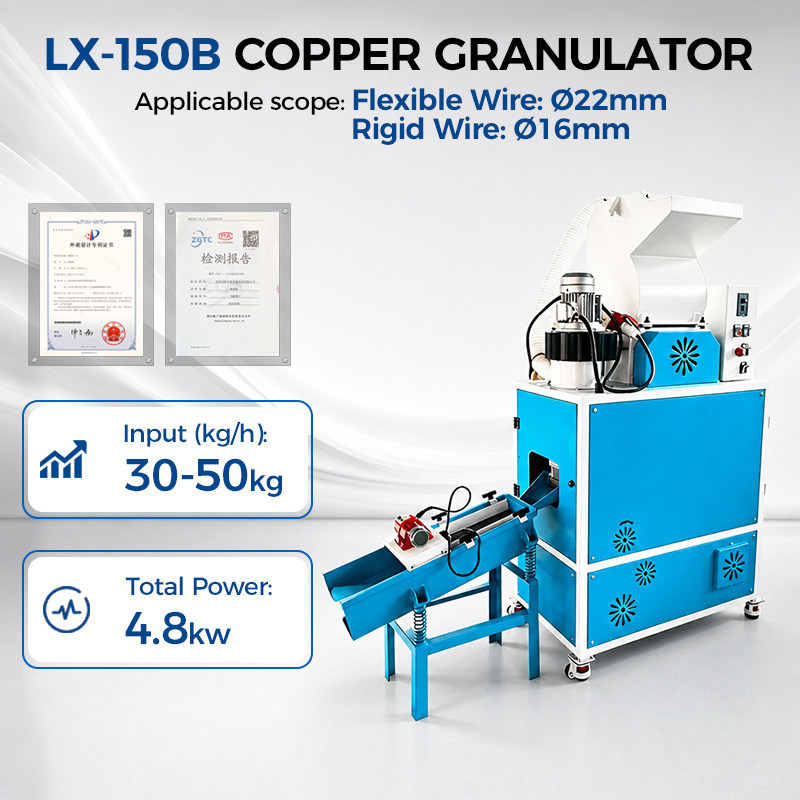
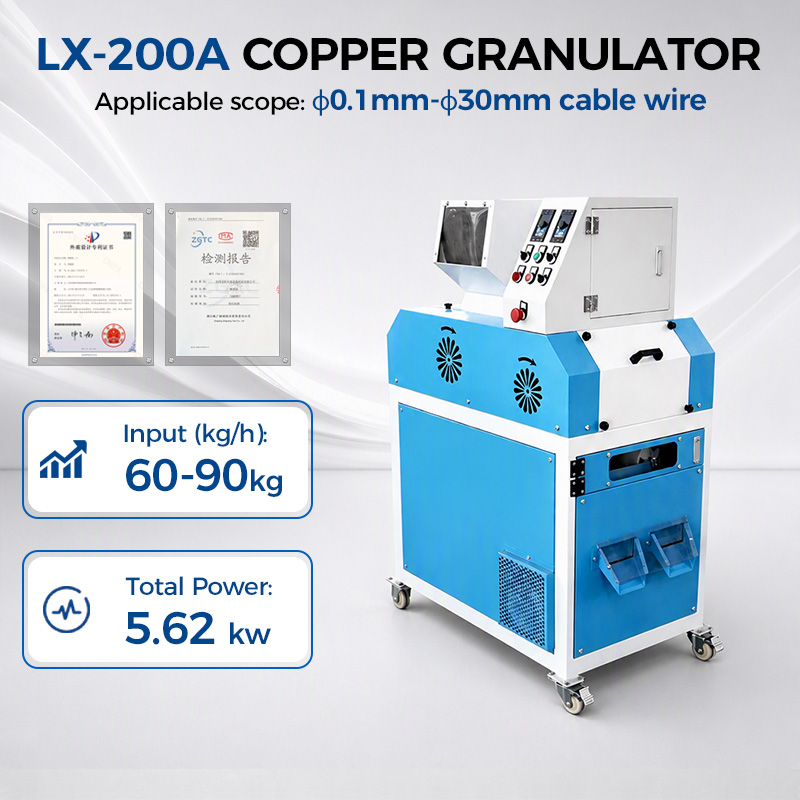
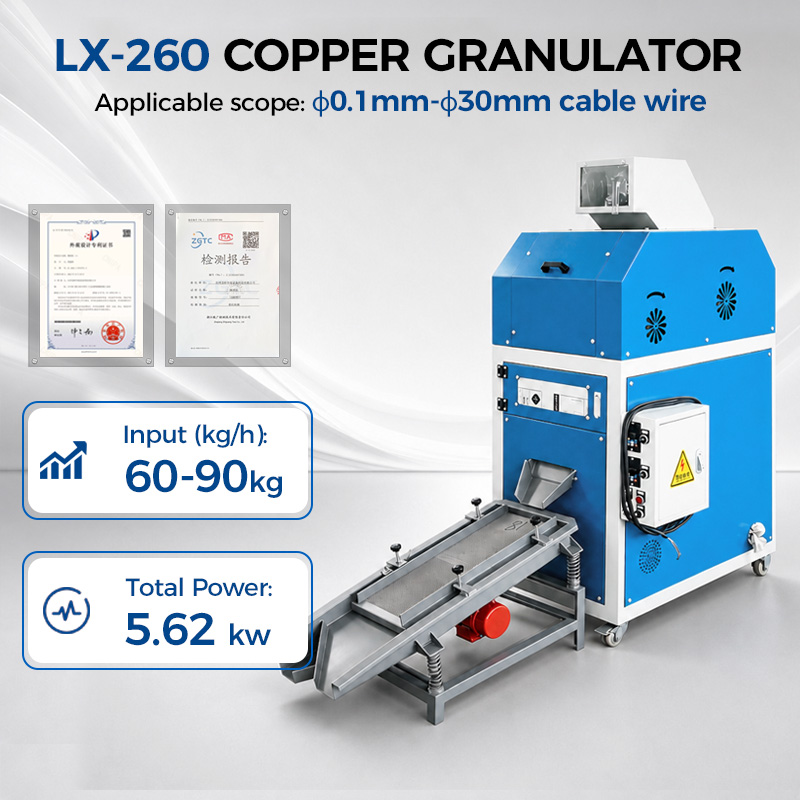
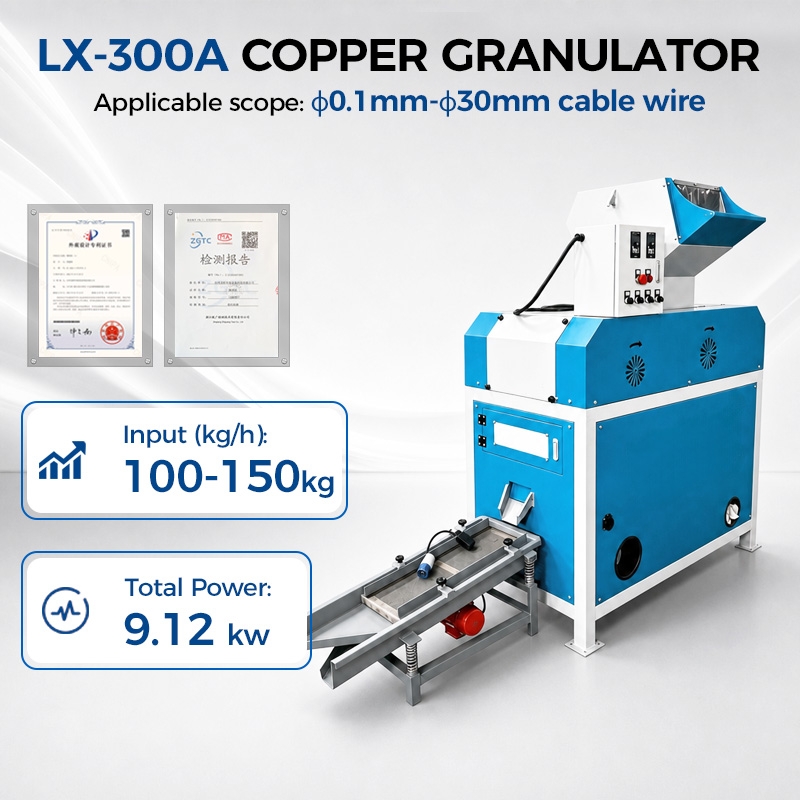
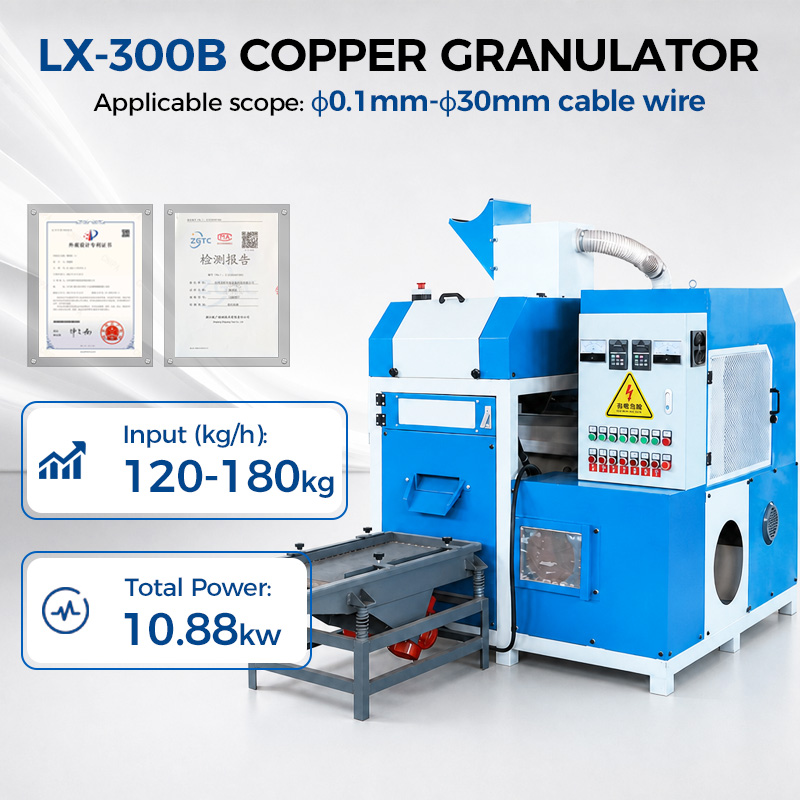
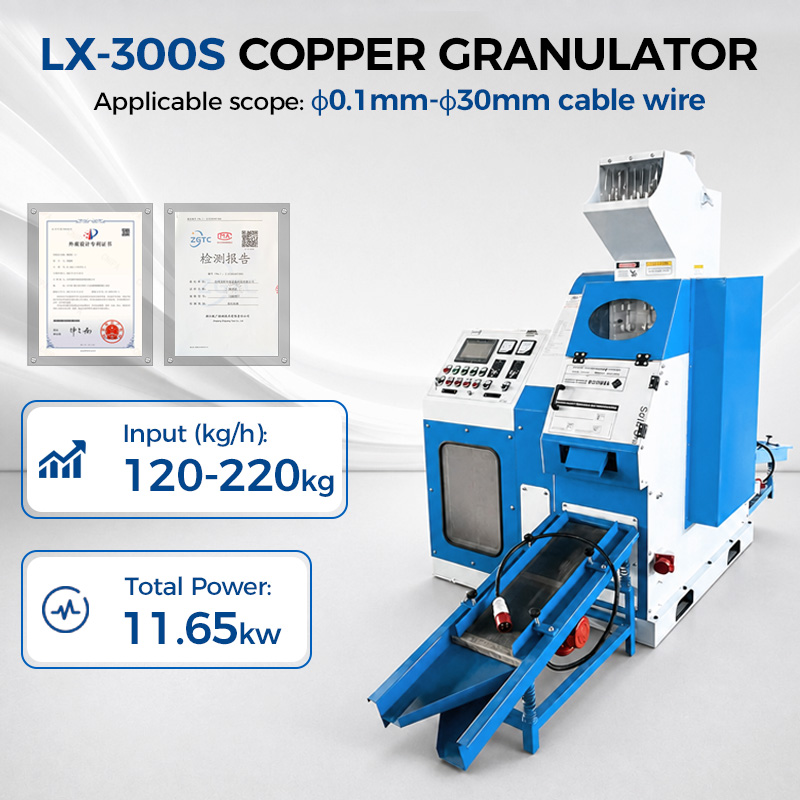
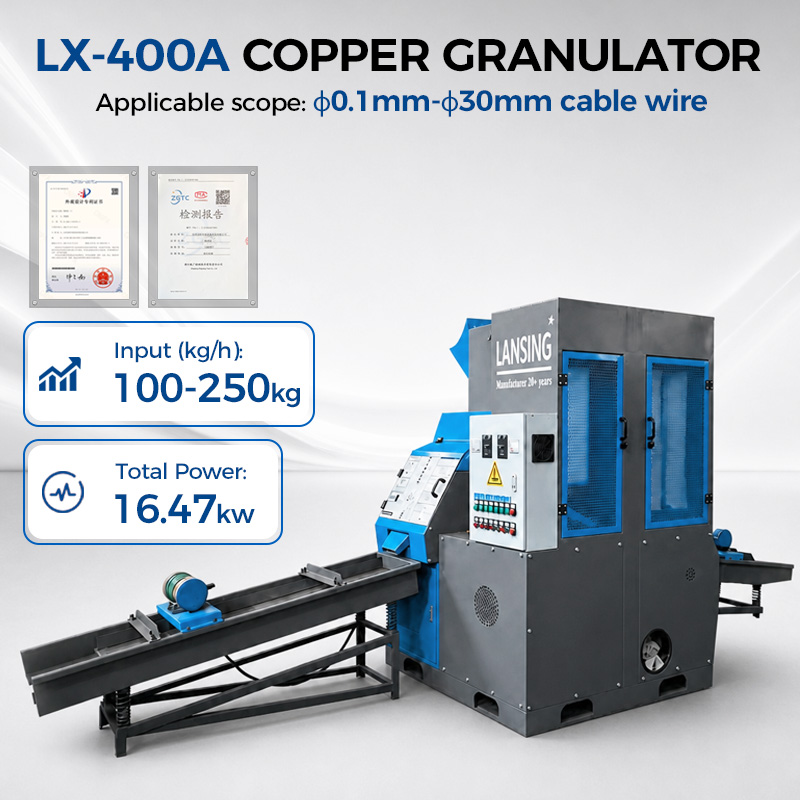
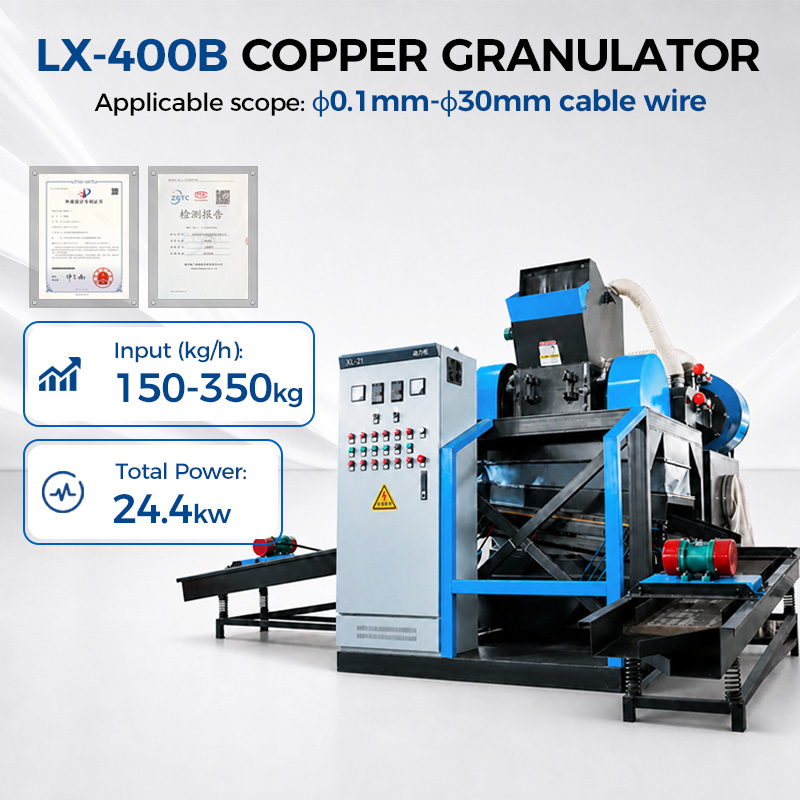
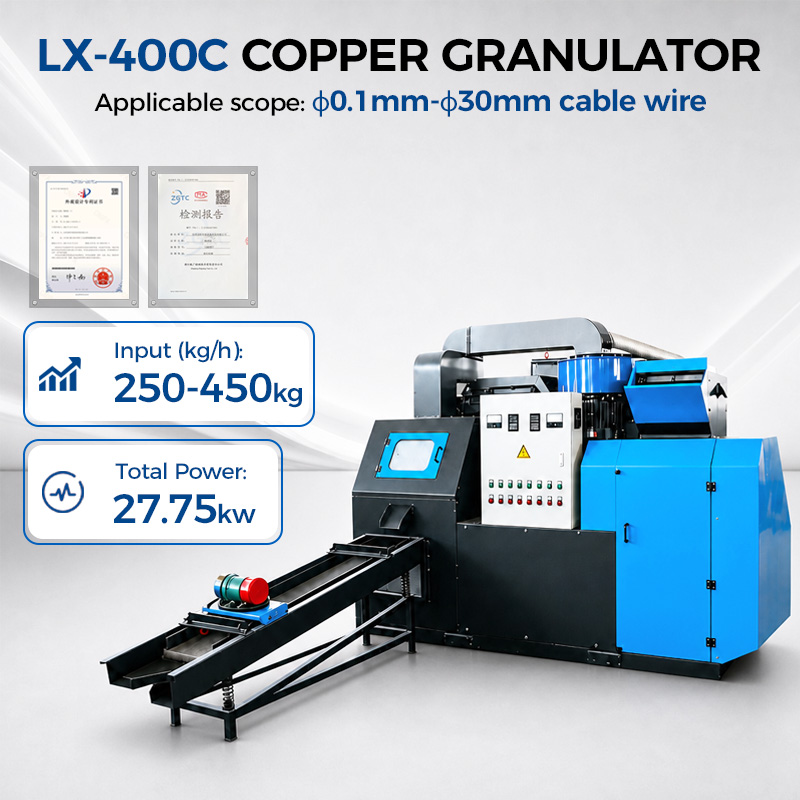
Next, review the machine’s processing capabilities. Look for specifications such as the maximum wire diameter it can handle, the separation efficiency, and the recovery rate of copper. A higher recovery rate indicates better efficiency, which can significantly impact your bottom line. For example, a Copper Granulator is known for its high recovery rates, making it a valuable investment for your operations.

Customer reviews and testimonials can also provide valuable insights into the machine's reliability and performance in real-world applications. Additionally, consider the availability of after-sales support and maintenance services, as this can affect your operational efficiency over time.

Lastly, inquire about any certifications or quality control processes the manufacturer has in place. This can provide assurance that the machine meets industry standards and is built to perform effectively.

Understanding the Technical Specifications of Copper Wire Recycling Machines

When evaluating copper wire recycling machines, it's essential to understand various technical specifications that impact their performance. Here are key specifications to consider:

Processing Capacity: Measured in kilograms per hour (kg/h), this indicates how much material the machine can process in a specific timeframe. Choose a capacity that aligns with your operational needs to avoid bottlenecks.

Copper Recovery Rate: This percentage indicates how much copper can be recovered from the processed material. A higher recovery rate means better efficiency and profitability.

Separation Technology: Different machines utilize various separation technologies (e.g., air separation, water separation). Understanding these methods can help you determine which machine best fits your material types and desired outcomes.

Power Consumption: Look for machines that offer optimal energy efficiency, as this can significantly impact your operational costs.

Dimensions and Weight: Ensure the machine fits within your facility and that you have adequate support for its weight, especially if it requires installation on a dedicated platform.

Common Problems in Waste Copper Wire Recycling and Their Solutions

Despite the efficiency of modern waste copper wire recycling machines, several common issues can arise during operation. Here are some typical challenges and their solutions:

Jamming: This can occur if the wire is not fed correctly or if the machine is processing incompatible materials. Regular maintenance and proper operator training can help minimize this issue.

Low Recovery Rates: If the recovery rate is lower than expected, it may indicate that the machine isn't operating optimally. Regular calibration and maintenance checks, as well as ensuring the right processing parameters, can address this.

Wear and Tear: Over time, components may wear out, affecting the machine's efficiency. Implementing a proactive maintenance schedule can help identify and replace worn parts before they lead to significant downtime.

Dust and Debris: Dust from processed materials can impact air quality and machine performance. Investing in a dust collection system can mitigate this problem and enhance overall operational efficiency.

Key Features to Look For

When selecting a waste copper wire recycling machine, certain features can enhance performance and usability. Key features to consider include:

Automated Operation: Machines with automated functions can reduce the need for manual labor and minimize human error, improving overall efficiency.

Safety Features: Look for machines equipped with safety mechanisms, such as emergency stop buttons and protective guards, to ensure operator safety.

User-Friendly Controls: An intuitive control panel can simplify operation and allow for quick adjustments during processing.

Flexible Processing Options: Machines that can handle a variety of materials and offer adjustable settings can provide greater versatility for your recycling operations.

Energy Efficiency: Investing in machines designed for lower power consumption can lead to significant long-term savings on energy costs.

By understanding these features, purchasing managers can make informed decisions that align with their operational goals and budget constraints, ensuring that the chosen machine meets their specific needs for waste copper wire recycling.

Choosing the Right Waste Copper Wire Recycling Machine for Your Needs

Selecting the appropriate waste copper wire recycling machine involves evaluating several factors tailored to your business requirements. First, consider the volume of waste copper wire you generate regularly. Machines are available in various capacities, so it’s important to choose one that can handle your specific throughput efficiently.

Next, assess the types of cables you will be processing. Different machines are designed to handle various wire sizes and types, including single-core, multi-core, and insulated cables. Ensure the machine you select accommodates the kind of materials you'll be working with. For instance, a Wire Stripping Machine can effectively handle insulated cables, ensuring you get the best results.

Customizability is another important aspect. Some manufacturers, like Hangzhou Lansing Machinery Co., Ltd., offer tailored solutions that can be adjusted according to specific operational needs. This may include modifications to processing speed, separation techniques, or additional features like dust collection systems.

Lastly, consider the space and power requirements of the machine. Ensure that your facility can accommodate the machinery and that you have the necessary power supply to operate it efficiently.

Get a Free Quote

Tell us about your recycling needs, and our team will recommend the right equipment and solution for your project.
0/1000