Essential Guide to Cable Wire Recycling Machines

application/cable-wire-recycling-machine, application/cable-wire-recycling-machine, 
Inquiry
Inquiry

cable wire recycling machine

Cable wire recycling machines are essential tools for the efficient processing of waste cables, allowing manufacturers and recyclers to reclaim valuable materials while contributing to environmental sustainability. As a B2B buyer, your main concerns typically include the machine's specifications, installation requirements, common operational issues, and potential applications across various industries. This article will provide insights into these areas, helping you make informed decisions when purchasing a cable wire recycling machine.

Installation Guidance for Your Cable Wire Recycling Machine

Installation Guidance for Your Cable Wire Recycling Machine

Proper installation of your cable wire recycling machine is crucial for optimal performance and longevity. Start by ensuring the installation site has adequate space and infrastructure to support the machine. Key installation considerations include:

Foundation Requirements: The machine should be placed on a stable foundation that can support its weight and minimize vibration during operation. This prevents damage and improves processing accuracy.

Electrical and Water Supply: Ensure that the necessary electrical connections meet the machine's specifications. Some machines may also require water for cooling or cleaning, so verify the availability of a suitable water supply.

Ventilation: Adequate ventilation is necessary to prevent overheating and ensure a safe working environment. Check the manufacturer's recommendations for airflow and cooling requirements.

Once installed, conduct a thorough inspection and trial run to identify any potential issues before full-scale operation. This proactive approach helps avoid downtime and costly repairs.

Common Problems with Cable Wire Recycling Machines and Solutions

Common Problems with Cable Wire Recycling Machines and Solutions

Despite their robust design, cable wire recycling machines can encounter common issues. Here are some typical problems and their solutions:

Jamming: Cables can sometimes jam in the feed area, especially if they are improperly prepared. Regularly check and maintain the feed mechanism to ensure smooth operation. Educating operators on proper cable preparation techniques can also help reduce jamming incidents.

Wear and Tear on Blades: The cutting blades can wear down over time, affecting the machine's efficiency. Schedule regular maintenance checks to inspect and replace blades as needed. Using high-quality materials for the blades can extend their lifespan. For example, the LS-600A Single-Shaft Industrial Shredder with D2 Blades is known for its durable blades.

Electrical Failures: Electrical issues can arise due to power fluctuations or faulty connections. Ensure that all electrical components are regularly inspected and that the installation adheres to safety standards. Implementing surge protectors can also safeguard the machine against electrical surges.

By addressing these common problems proactively, you can improve the machine's reliability and performance, ultimately enhancing your recycling operations.

Applications of Cable Wire Recycling Machines in Various Industries

Applications of Cable Wire Recycling Machines in Various Industries

Cable wire recycling machines find applications across multiple industries, enabling businesses to reclaim valuable materials and improve sustainability. Some key sectors include:

Electrical and Electronics Manufacturing: These industries generate significant amounts of waste cables and wires, making recycling machines essential for reclaiming metals and reducing waste.

Construction: Construction sites often dispose of large volumes of electrical wiring. Recycling machines help contractors manage this waste efficiently, allowing them to recover valuable materials for reuse.

Automotive: The automotive industry uses a variety of cables and wires, particularly in electrical systems. Recycling allows manufacturers to recover metals for new vehicle production, contributing to a circular economy.

Telecommunications: With the rapid evolution of technology, telecommunications generate considerable waste in the form of outdated cables. Recycling machines facilitate the recovery of metals from these cables, ensuring responsible disposal and material recovery.

Understanding the specific applications of cable wire recycling machines can help buyers tailor their purchasing decisions to align with their industry needs.

Benefits of Bulk Ordering Cable Wire Recycling Machines for Wholesalers

For wholesalers, bulk ordering cable wire recycling machines presents several key advantages:

Cost Savings: Purchasing in bulk often leads to significant cost reductions per unit, making it an economical choice for wholesalers looking to maximize profit margins.

Streamlined Logistics: Ordering multiple machines at once simplifies logistics and shipping, reducing costs and time associated with multiple smaller orders.

Consistency in Quality: Bulk orders allow for a consistent supply of machines, ensuring that all units meet the same quality standards. This consistency is crucial for wholesalers who offer machinery to various end users.

Customization Options: When ordering in bulk, buyers may have the opportunity to negotiate customization options, allowing them to cater to specific market needs or preferences.

Wholesalers should consider their market demand and operational capacity before placing bulk orders to ensure that they can effectively manage inventory and meet customer needs.

By understanding these aspects of cable wire recycling machines, you can make informed decisions that enhance your operations and contribute to sustainable practices in your industry.

Key Specifications to Evaluate in Cable Wire Recycling Machines

When evaluating cable wire recycling machines, key specifications to consider include processing capacity, material compatibility, and energy efficiency.

Processing Capacity: This refers to the amount of cable the machine can handle in a given timeframe, often measured in kilograms per hour. A higher capacity is essential for large-scale operations, while smaller businesses might prioritize a machine that fits their processing needs without excessive overhead.

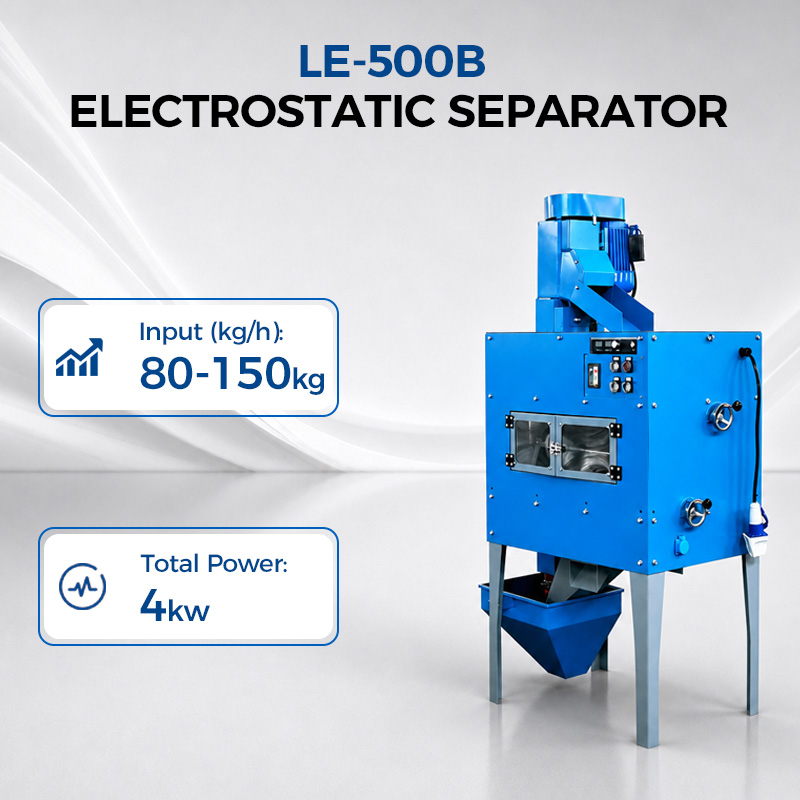
Material Compatibility: Different machines are designed for specific cable types, such as copper, aluminum, or mixed cables. Ensure the machine can handle the types of materials you typically process, as this impacts both efficiency and yield. For instance, the LE-500B Electrostatic Separator for Copper and Plastic Recovery is a great option for those focusing on copper and plastic.

Energy Efficiency: Look for machines that consume less energy while maintaining performance. This not only reduces operational costs but also aligns with sustainability goals. Machines with energy-efficient motors and components should be prioritized.

Additionally, consider the machine's size and footprint, which can impact installation and operational space. Buyers should confirm the technical parameters and performance metrics with the manufacturer to ensure the machine meets their specific requirements.

Get a Free Quote

Tell us about your recycling needs, and our team will recommend the right equipment and solution for your project.
0/1000