Choosing the Right Copper Wire Recycling Machine

application/copper-wire-recycling-machine, application/copper-wire-recycling-machine, 
Inquiry
Inquiry

copper wire recycling machine

A copper wire recycling machine is a specialized piece of equipment designed to process scrap copper and recover valuable copper wire from waste materials. For purchasing managers, distributors, and engineers, selecting the right machine involves understanding various technical specifications, installation requirements, and potential operational challenges. This article will guide you through the critical considerations for choosing a copper wire recycling machine, ensuring you make an informed decision that meets your business needs.

Key Specifications of Copper Wire Recycling Machines for Buyers

Understanding the key specifications of copper wire recycling machines can help buyers make an informed choice. Here are some essential specifications to look for:

Motor Power: The motor's power rating affects the machine's ability to handle different wire sizes and types. A more powerful motor often translates to better performance in processing thicker wires.

Cutting Capacity: This specification indicates the diameter of wire the machine can cut. Ensure the cutting capacity matches the size of the scrap wire you typically handle.

Separation Efficiency: Look for machines with high separation efficiency ratings, which indicate how effectively the machine can isolate copper from insulation and other materials.

Weight and Dimensions: The size and weight of the machine can influence installation requirements and mobility. Ensure you have adequate space and infrastructure for your chosen model.

Noise Level: For operations where noise reduction is a priority, consider machines designed to operate at lower decibel levels.

Safety Features: Safety is paramount in any industrial setting. Check for features such as emergency stops, protective covers, and safety interlocks to ensure operator safety.

Wholesale Purchasing Guide for Copper Wire Recycling Equipmen

When purchasing copper wire recycling machines wholesale, it's essential to follow a structured approach to ensure you obtain the best value. Here are steps to consider:

Request Quotations: Collect quotes from multiple suppliers, detailing the specifications, pricing, and lead times. Ensure each quote includes terms regarding warranties and after-sales support.

Evaluate Supplier Credentials: Investigate the manufacturer's reputation, experience, and client feedback. A supplier like Hangzhou Lansing Machinery Co., Ltd., known for its reliable recycling equipment and customized solutions, can be a trusted choice. They offer various options, including machines like the Shredding Machine, which may be beneficial for your needs.

Confirm Minimum Order Quantity (MOQ): Understand the minimum order quantity required by each supplier. This will help in budgeting and planning your inventory.

Negotiate Terms: Don’t hesitate to negotiate pricing, payment terms, and delivery schedules. Establishing a good relationship with your supplier can lead to better terms in the future.

Assess Customization Options: If your operation requires specific features or modifications, inquire about customization capabilities. A supplier with flexible manufacturing options can better meet your unique needs.

Installation Guidance for Your Copper Wire Recycling Machine

Proper installation of your copper wire recycling machine is critical for optimal performance. Here are some key steps to ensure a successful setup:

Site Preparation: Ensure the installation site is level and can support the machine's weight. Adequate space for operation and maintenance is also crucial.

Power Supply: Verify that the electrical supply meets the machine’s requirements. Improper voltage or insufficient amperage can lead to operational issues.

Safety Compliance: Follow all safety guidelines provided by the manufacturer during installation. This includes securing any protective covers and ensuring emergency stops are operational.

Testing: Once installed, conduct a thorough test run to ensure all components function correctly. This is an opportunity to identify any potential issues before full-scale operation begins.

Training: Provide training for operators to familiarize them with the machine's features and safety protocols. Proper training can help prevent accidents and improve operational efficiency.

Common Problems with Copper Wire Recycling Machines and Their Solutions

While copper wire recycling machines are robust, users may encounter several common problems. Here are some issues and their solutions:

Reduced Separation Efficiency: If the machine is not effectively separating copper from insulation, check for worn blades or improper settings. Regular maintenance and blade replacement can often resolve this issue.

Overheating: Machines may overheat due to prolonged use or insufficient ventilation. Ensure that the machine has adequate airflow and consider scheduled breaks during operation.

Material Jams: Jamming can occur if the wire is too thick or if non-metal materials are introduced. Regularly inspect the input material for suitability and adjust the feed rate to prevent jams.

Electrical Issues: If the machine fails to start or stops unexpectedly, check the electrical connections and fuses. Regularly inspect the power supply and ensure compliance with electrical specifications.

Noise and Vibration: Excessive noise or vibration may indicate loose components or misalignment. Conduct routine inspections to secure any loose parts and ensure alignment is correct.

By understanding these common challenges and their solutions, operators can maintain optimal machine performance and reduce downtime.

By following these guidelines, manufacturers and buyers alike can navigate the complexities of selecting and operating copper wire recycling machines, ultimately leading to more efficient recycling processes and better returns on investment.

What to Consider When Choosing a Copper Wire Recycling Machine

When selecting a copper wire recycling machine, several factors come into play. First, assess the material you will be processing. Different machines are designed for specific types of wire and insulation. Understanding the composition of your scrap materials is crucial for determining the right model.

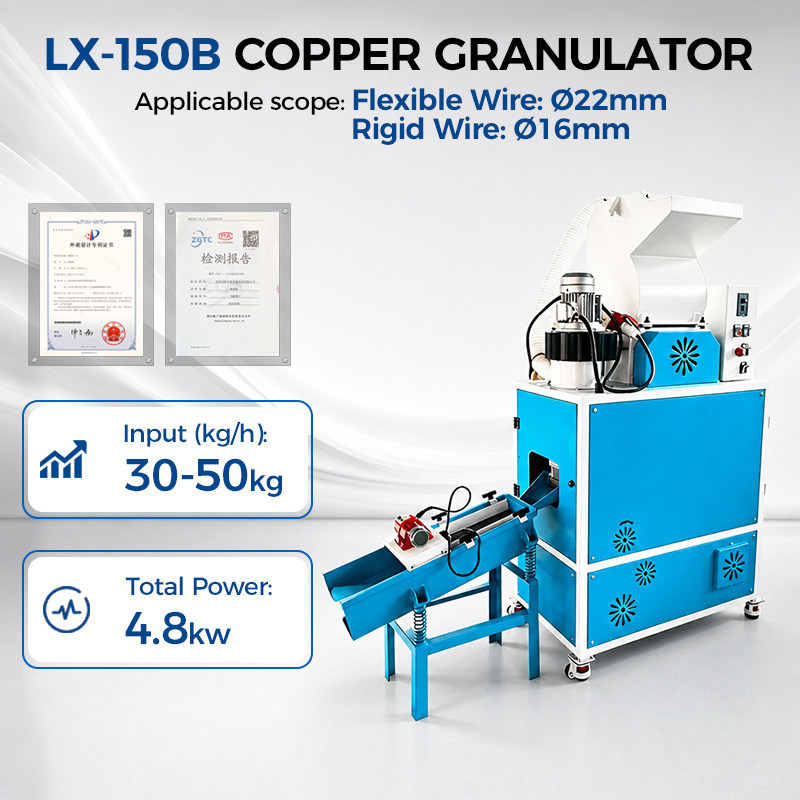
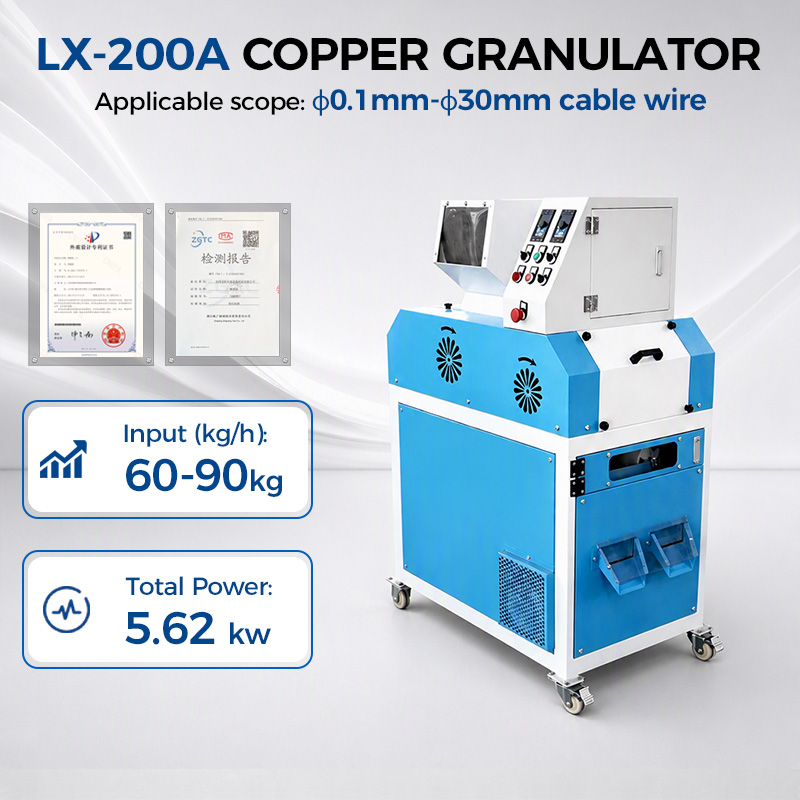
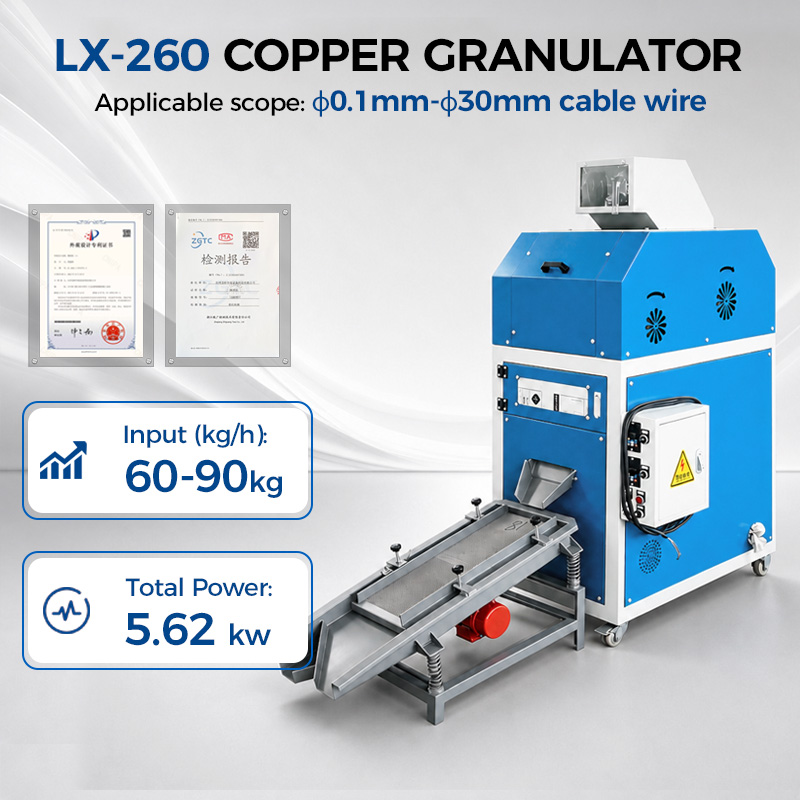
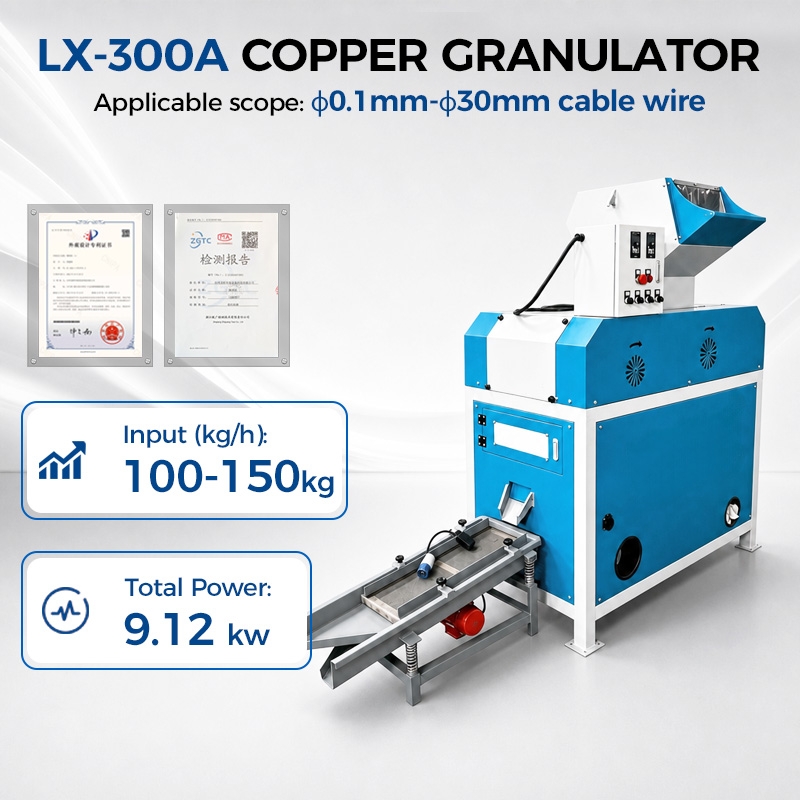
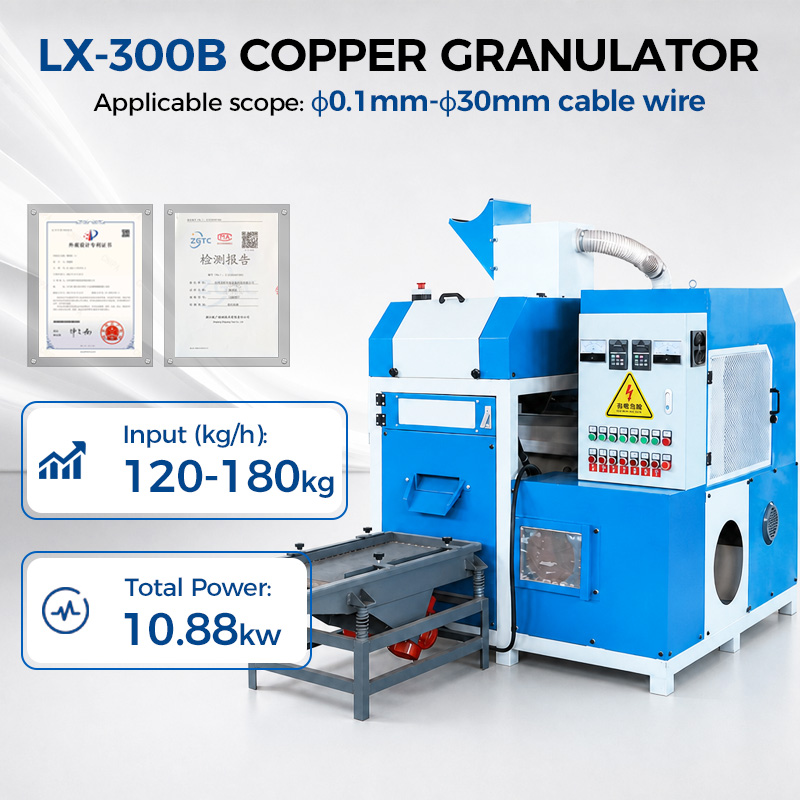
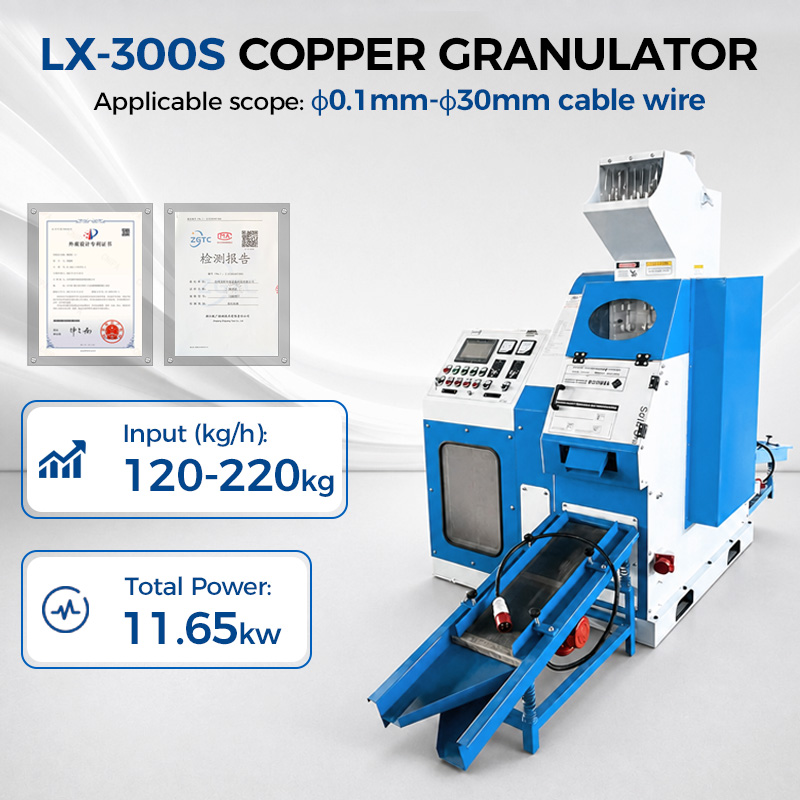
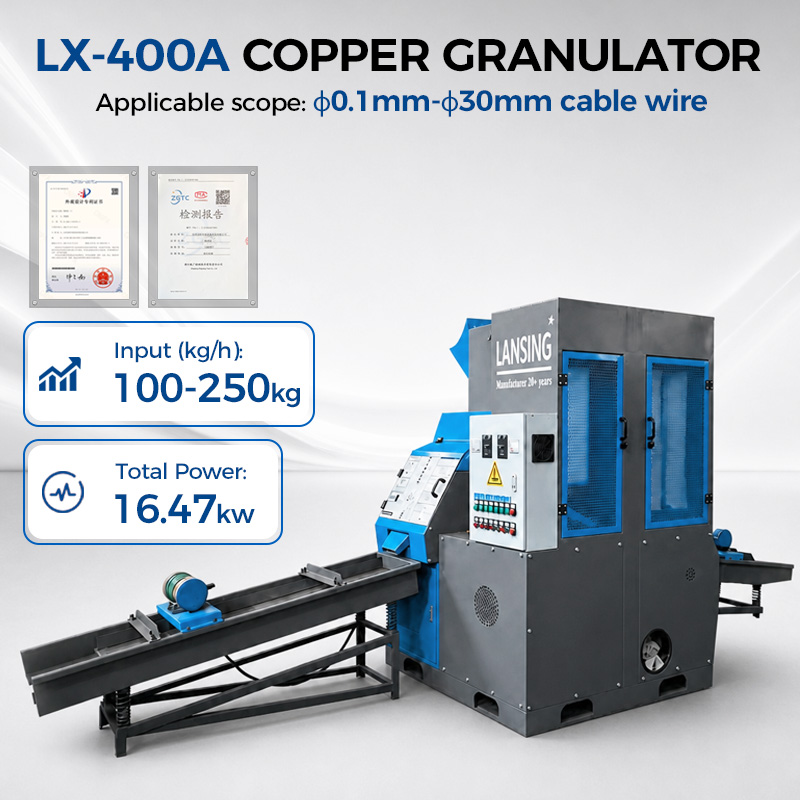
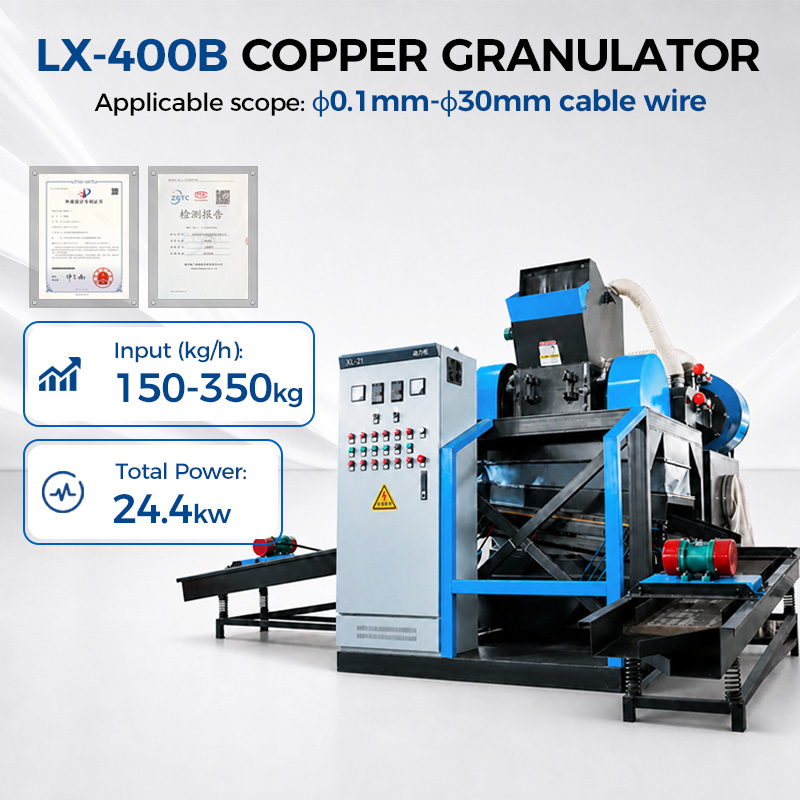
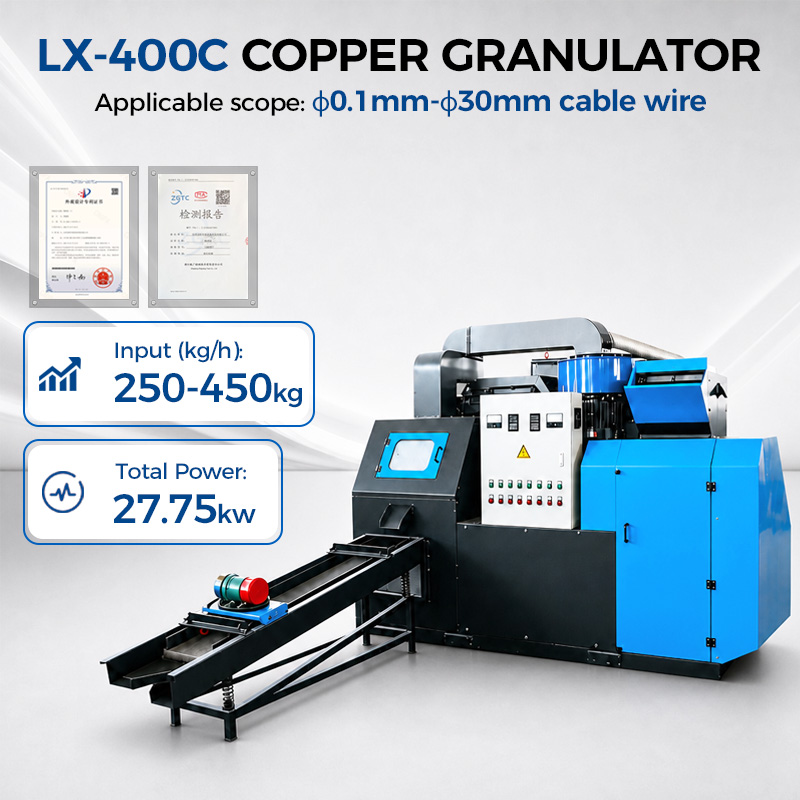
Next, consider the machine's throughput capacity. This refers to how much material the machine can process within a given time frame. A higher throughput capacity may be necessary for larger operations, while smaller businesses might opt for machines with lower capacities. Evaluating your production volume will help you select a machine that aligns with your operational goals. For instance, a Copper Granulator may be ideal for those handling larger volumes of copper wire.

Another vital consideration is the machine's efficiency in separating copper from insulation. Look for models that utilize advanced technology, such as air separation and granulation, to maximize copper recovery rates while minimizing waste. Additionally, consider the machine's energy consumption and maintenance requirements, as these factors can significantly impact operational costs and downtime.

Get a Free Quote

Tell us about your recycling needs, and our team will recommend the right equipment and solution for your project.
0/1000