Tire Shredder for Sale: Your Guide to Selection

application/tire-shredder-for-sale, application/tire-shredder-for-sale, 
Inquiry
Inquiry

tire shredder for sale

When considering a tire shredder for sale, it is essential to understand the various options available to meet your business needs. Tire shredders play a crucial role in the recycling process by breaking down used tires into manageable pieces for further processing or disposal. As a B2B buyer, your main concerns will likely revolve around selecting the right model, understanding the specifications, evaluating manufacturers, and considering cost factors. This article aims to provide practical insights into these areas, helping you make an informed decision when purchasing a tire shredder.

Finding Trustworthy Tire Shredder Manufacturers

Finding Trustworthy Tire Shredder Manufacturers

When searching for tire shredders for sale, the reputation of the manufacturer is crucial. Look for companies with a strong history in the recycling equipment industry. Established manufacturers like Hangzhou Lansing Machinery Co., Ltd. often have proven track records and offer comprehensive support, from design to after-sales service.

Start by reviewing customer testimonials and case studies that highlight the manufacturer's experience and product reliability. Additionally, explore their production capabilities and quality control processes to ensure they can meet your specific requirements. Manufacturers with certifications in quality management systems often demonstrate a commitment to maintaining high standards, which can be a significant advantage.

Engaging with a manufacturer who provides custom solutions can also be beneficial, as they may offer tailored designs to meet your unique processing needs. Don't hesitate to ask for references or case studies from current customers to validate their claims.

Key Factors to Consider

Key Factors to Consider

Several key factors should be evaluated when purchasing a tire shredder. These include:

Specifications and Features: Look for features like blade design, horsepower, and energy efficiency. A shredder with durable blades can reduce maintenance costs and extend service life.

Performance Metrics: Understand the throughput rates, which indicate how many tires can be processed per hour. This will help you choose a model that aligns with your operational needs.

Maintenance and Support: Inquire about the manufacturer's service support and warranty options. A reliable warranty can save costs in case of equipment failure, making it an essential aspect of your purchasing decision.

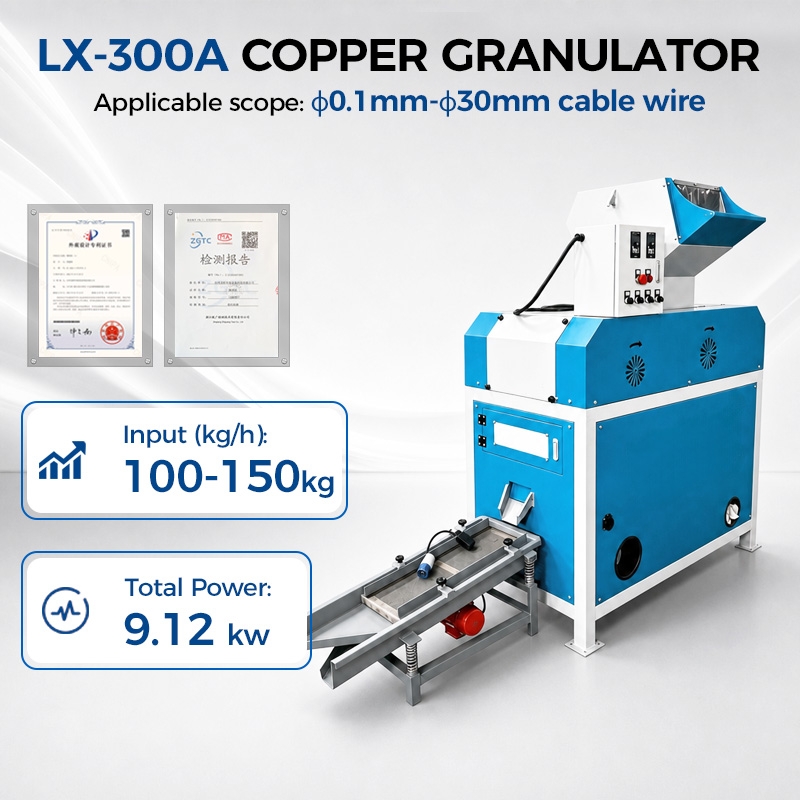
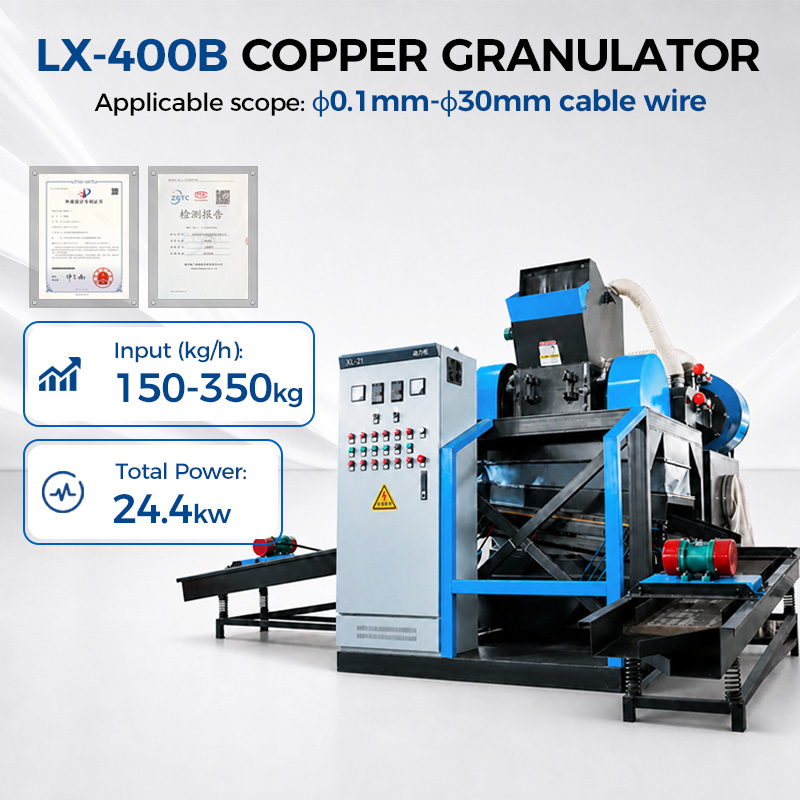
Cost of Ownership: Consider not only the initial purchase price but also ongoing operational costs, such as energy consumption and maintenance expenses. Choosing a more efficient model may result in lower long-term costs, particularly if you are considering options like a Copper Granulator for integrated recycling solutions.

Compliance and Safety: Ensure that the shredder meets local regulations regarding noise, emissions, and safety standards. This will help prevent any legal issues down the line.

By weighing these factors, you can select a shredder that offers the best value for your investment.

Cost Considerations When Purchasing Tire Shredders in Bulk

Cost Considerations When Purchasing Tire Shredders in Bulk

When buying tire shredders in bulk, cost considerations become paramount. The price per unit typically decreases with larger orders, but it is essential to factor in additional costs such as shipping, installation, and potential customization.

Bulk purchases may also influence payment terms, so negotiating favorable terms can lead to significant savings. Inquire about financing options or leasing arrangements if upfront costs are a concern, as these can provide flexibility in managing cash flow.

Additionally, investigate the total cost of ownership, including maintenance and operational expenses, to understand the long-term financial implications of your purchase. A shredder that seems affordable initially may result in higher costs due to inefficiency or frequent repairs.

Finally, don't forget to consider the potential for value-added services, such as operator training or extended warranties, which can enhance the overall value of your investment.

Common Problems with Tire Shredders and Practical Solutions

Tire shredders, while robust, can experience a range of common issues. Understanding these problems and their solutions can facilitate smoother operations:

Blade Wear: Over time, blades can dull or become damaged, affecting performance. Regular maintenance, including sharpening or replacing blades, is crucial. Establishing a routine maintenance schedule can help mitigate this issue.

Jamming: Improper feeding of materials can lead to jams. Operators should be trained on correct loading procedures and monitor the feed rate to prevent this issue.

Electrical Failures: Electrical components may fail due to wear or environmental factors. Implementing a preventive maintenance program and conducting regular inspections can catch issues before they result in equipment downtime.

Overheating: Continuous operation can lead to overheating, particularly if the shredder is not adequately cooled. Ensure your machine has proper ventilation and consider using a cooling system if necessary.

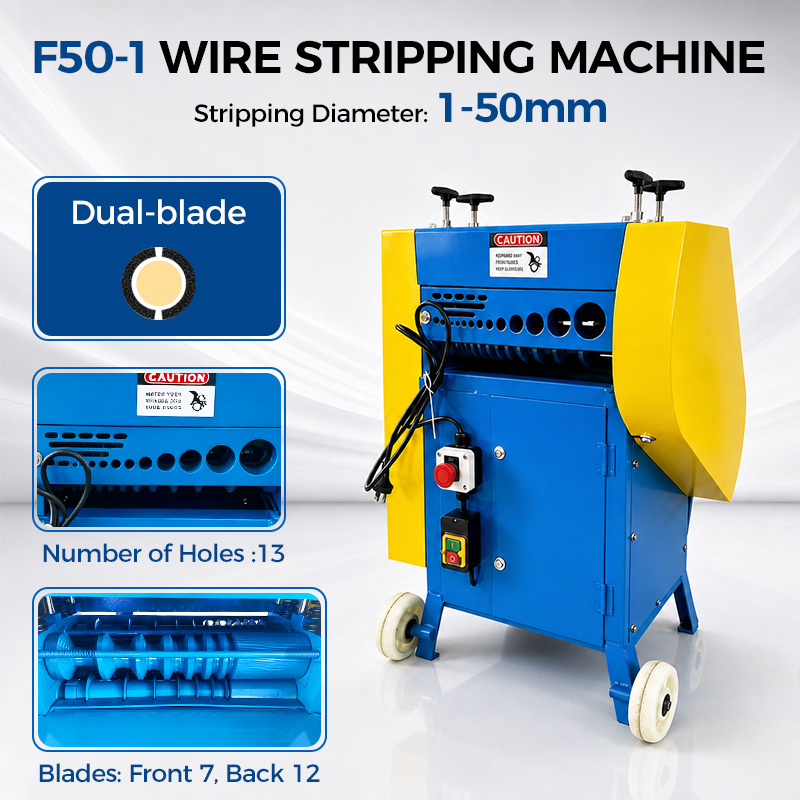
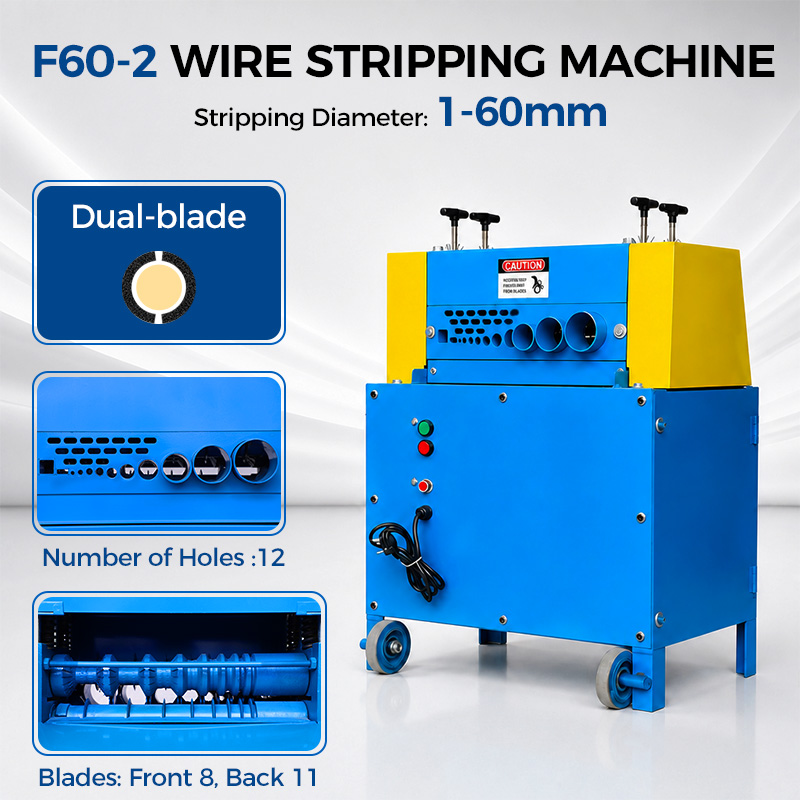
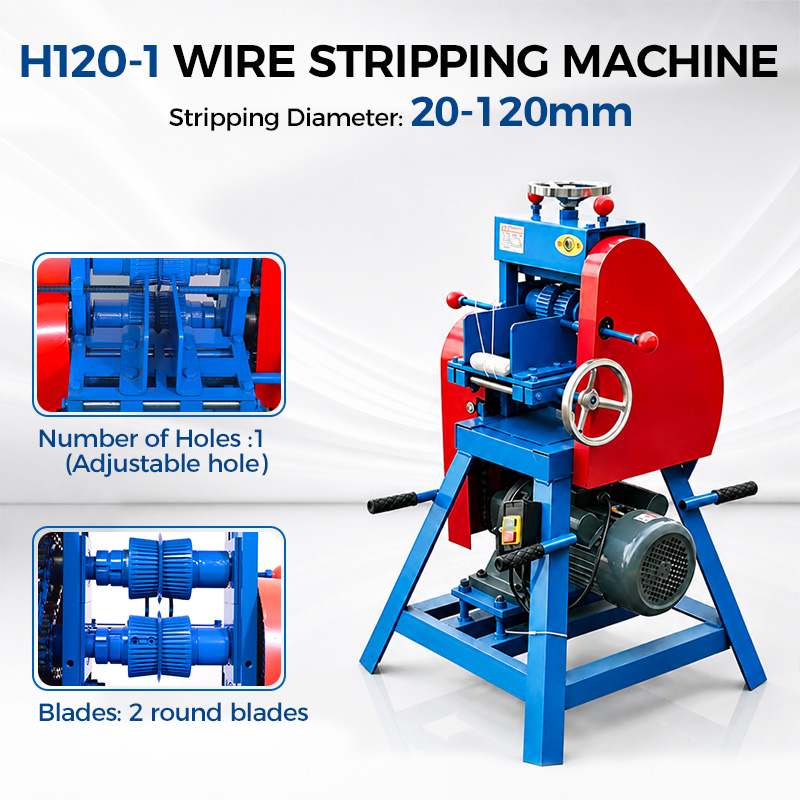
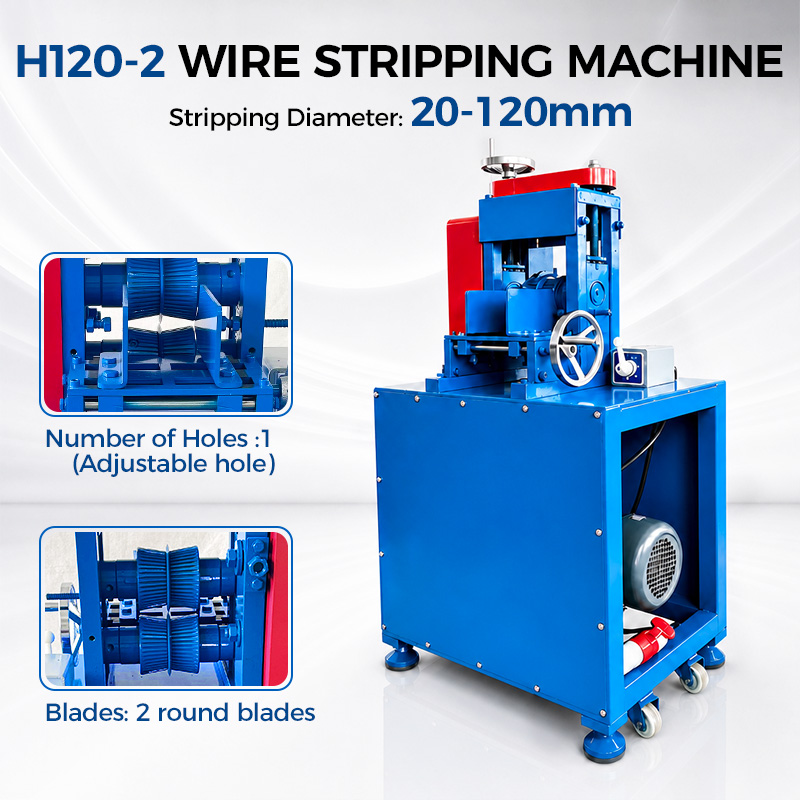
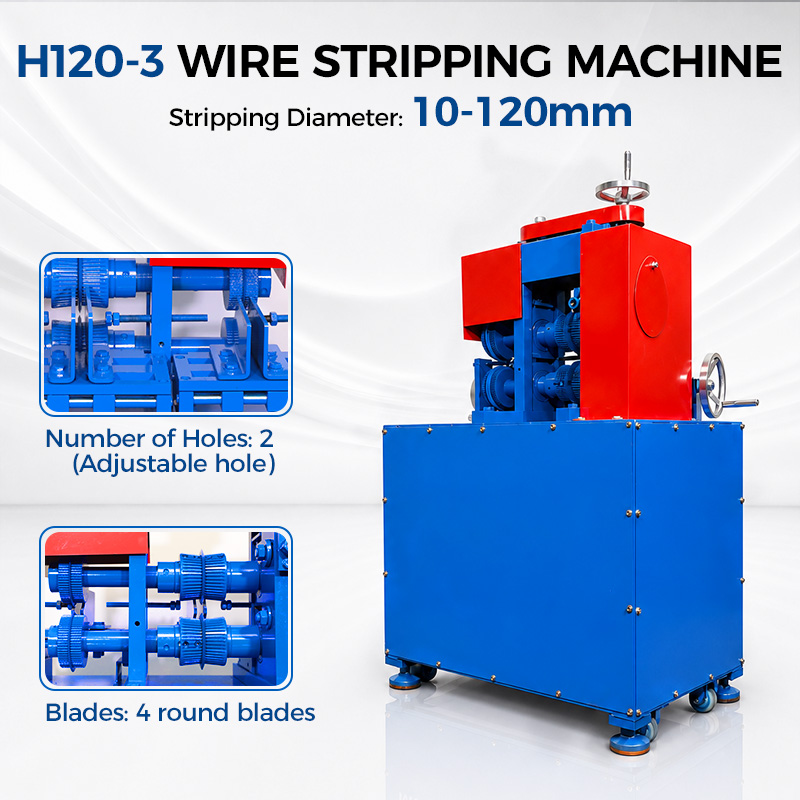
By identifying these common problems and adopting proactive measures, you can enhance the operational efficiency of your tire shredding equipment and reduce costly downtime. Additionally, consider integrating equipment like a Wire Stripping Machine for a comprehensive recycling solution.

When considering a tire shredder for sale, it is essential to conduct thorough research and evaluation. By focusing on your specific needs, selecting reputable manufacturers, and understanding key factors and potential issues, you can make an informed decision that supports your recycling operations effectively.

How to Choose the Right Tire Shredder for Your Business Needs

Selecting the appropriate tire shredder for your business involves several considerations. First, assess the volume of tires you need to process. Small operations may require a compact shredder, while larger facilities may benefit from industrial models that can handle higher capacities. Additionally, a Shredding Machine may be an option to explore for various shredding needs.

Next, consider the output size of the shredded material. Different applications may require specific particle sizes. For example, if your goal is to produce crumb rubber for manufacturing new products, a shredder with adjustable settings may be necessary.

Additionally, evaluate the types of tires you will be shredding. Passenger car tires differ from truck or industrial tires in terms of material composition and size, which can affect the choice of shredder.

Finally, think about the operational environment. If space is limited, a mobile shredder might be ideal, while a stationary unit could be better suited for a large processing facility with ample space. Each of these factors will help tailor your selection to your specific business needs.

Get a Free Quote

Tell us about your recycling needs, and our team will recommend the right equipment and solution for your project.
0/1000