Choosing the Right Tire Shredding Machine

application/tire-shredding-machine, application/tire-shredding-machine, 
Inquiry
Inquiry

tire shredding machine

A tire shredding machine is a vital piece of recycling equipment used to process tires into smaller pieces for further recycling or disposal. As a B2B buyer, understanding the specifications, quality, and application of tire shredding machines is crucial for making an informed purchasing decision. This article will guide purchasing managers and engineers through essential considerations when selecting a tire shredding machine, evaluating its quality, finding reliable suppliers, and understanding its practical applications in the recycling industry.

How to Evaluate the Quality of Tire Shredding Machines

How to Evaluate the Quality of Tire Shredding Machines

Evaluating the quality of tire shredding machines involves several critical steps:

Supplier Reputation: Research the supplier’s reputation in the industry. Look for customer reviews, case studies, and testimonials that highlight their reliability and the performance of their machines.

Certifications: Check if the machines have relevant industry certifications, such as ISO standards, which indicate adherence to quality management principles. These certifications provide assurance that the machine meets safety and performance standards.

Testing and Demonstrations: Request to see the machine in action or ask for a demonstration. Observing the shredding process and the output quality can help you gauge its effectiveness.

Post-Sale Support: Quality does not end with the purchase. Investigate the after-sales support offered by the manufacturer, including maintenance services, spare parts availability, and technical assistance.

Warranty and Insurance: A solid warranty can reflect the manufacturer’s confidence in their product. Ensure you understand the warranty terms and what is covered in the event of a malfunction.

By taking these steps, you can confidently assess the quality of tire shredding machines and ensure that your investment will meet your operational needs.

Reliable Suppliers for Tire Shredding Equipment

Reliable Suppliers for Tire Shredding Equipment

Finding a reliable supplier for tire shredding equipment is crucial for ensuring quality and support. When searching for suppliers, consider the following:

Industry Experience: Choose suppliers with a proven track record in the manufacturing and supply of recycling equipment. Companies like Hangzhou Lansing Machinery Co., Ltd., known for their integration of manufacturing and R&D, can offer valuable insights and custom solutions.

Global Reach: Suppliers with international experience are often better equipped to handle diverse market needs and can provide support regardless of your location.

Customization Capabilities: Look for suppliers that can tailor machines to your specific requirements. This flexibility can lead to better performance and efficiency in your operations.

After-Sales Services: Reliable suppliers should offer comprehensive after-sales services, including installation support, training, and ongoing maintenance.

Transparency in Communication: A trustworthy supplier will be transparent in their communication regarding pricing, lead times, and product specifications. Ensure they are willing to answer your questions thoroughly.

By carefully evaluating potential suppliers, you can establish a partnership that enhances your recycling operations.

Installation Guidance for Efficient Tire Shredding Operations

Installation Guidance for Efficient Tire Shredding Operations

Proper installation of a tire shredding machine is critical for maximizing efficiency and safety. Follow these guidelines to ensure a successful setup:

Site Preparation: Ensure the installation site is adequately prepared, including the necessary electrical supply, drainage, and space for maintenance access. The machine should be positioned to facilitate material feed and output.

Professional Installation: If possible, engage the manufacturer's installation team to set up the machine. Their expertise can help avoid common pitfalls and ensure that the machine operates correctly from the start.

Calibration and Testing: Once installed, calibrate the machine according to the manufacturer's specifications. Conduct test runs with scrap tires to verify performance and make adjustments as needed.

Training for Operators: Provide thorough training for operators on machine operation, safety procedures, and routine maintenance. Well-trained staff can significantly reduce the risk of accidents and enhance productivity.

Regular Maintenance Schedule: Establish a maintenance schedule to keep the machine in optimal condition. Regular inspections and timely repairs can prevent unexpected downtime.

By following these installation guidelines, you can ensure a smooth transition to using your tire shredding machine and optimize its performance for your recycling operations.

Applications of Tire Shredding Machines in the Recycling Industry

Tire shredding machines play a pivotal role in the recycling industry, with various applications that extend beyond mere size reduction. Here are some key applications:

Material Recovery: Shredded tires can be processed to recover valuable materials, such as rubber, steel, and fiber. These materials can then be reintroduced into manufacturing processes, promoting sustainability.

Alternative Fuel Production: Shredded tires can be used as an alternative fuel source in cement kilns and energy recovery facilities. The high calorific value of rubber makes it an attractive option for reducing fossil fuel reliance.

Civil Engineering: Crumb rubber derived from shredded tires can be employed in civil engineering applications, such as road construction and embankment fills. This application not only utilizes waste material but can also enhance the performance of construction materials.

Playgrounds and Sports Surfaces: Shredded tires are often used as a safety surface in playgrounds and sports fields, providing cushioning and reducing the risk of injuries.

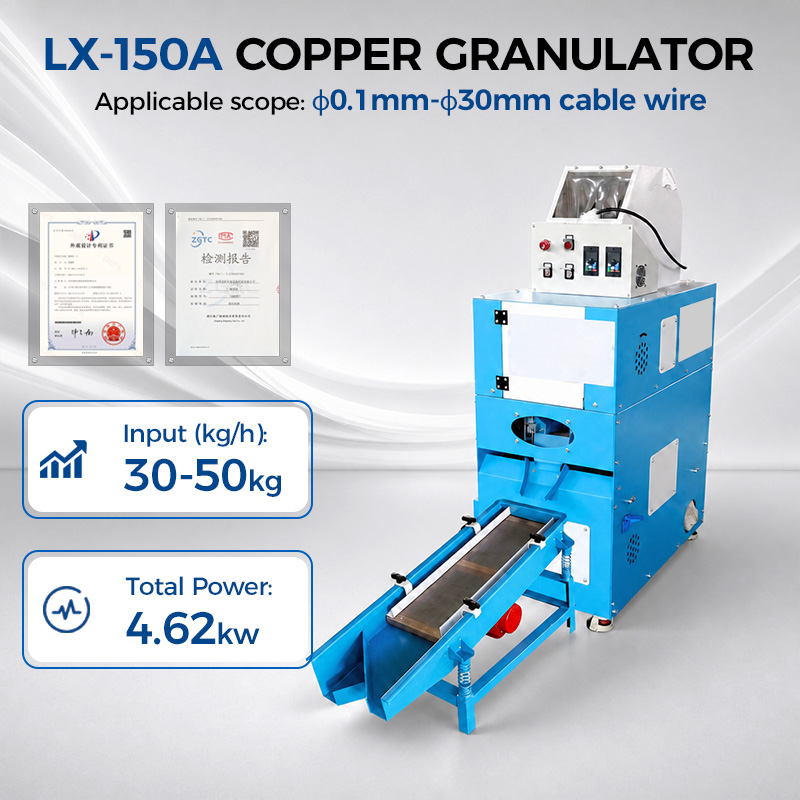
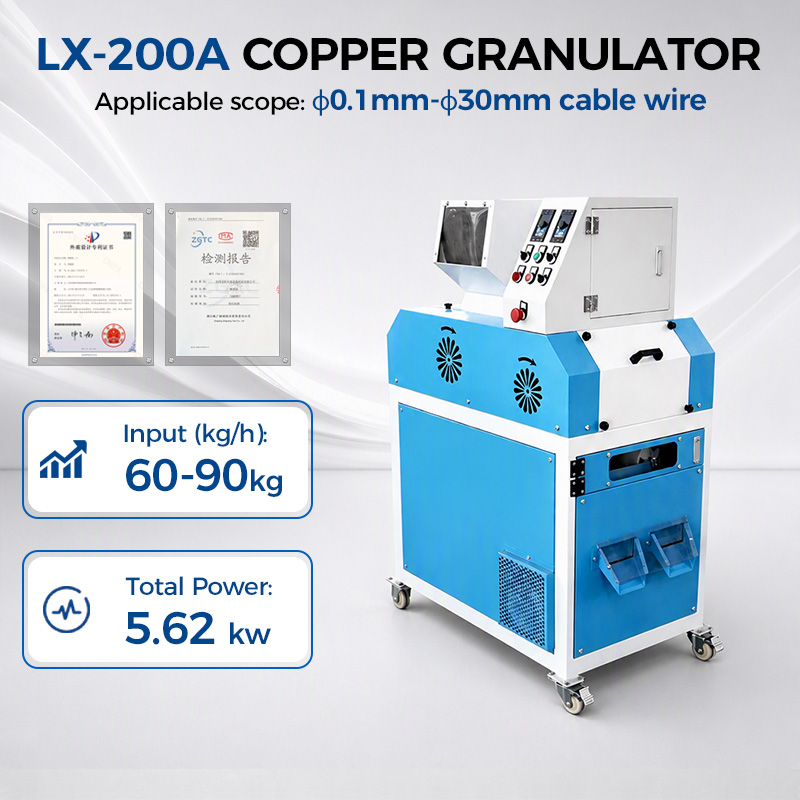
Environmental Benefits: By recycling tires through shredding, companies can minimize landfill waste and contribute to a circular economy, where materials are continually reused and repurposed. Investing in a Copper Granulator can further enhance material recovery efforts.

Understanding these applications can help buyers recognize the value of investing in tire shredding machines and their potential impact on sustainability and operational efficiency in the recycling industry.

What Specifications to Look for in a Tire Shredding Machine

When selecting a tire shredding machine, several specifications should be prioritized to ensure optimal performance and suitability for your application. Key specifications include:

Capacity: This refers to the volume of tires the machine can process within a specific timeframe, often measured in tons per hour. Depending on your operation's scale, a higher capacity may be necessary to meet production demands.

Cutting Mechanism: Tire shredders typically utilize rotary blades or granulators. The cutting mechanism affects the size of the output material and the energy consumption of the machine. Ensure the chosen method aligns with your desired end-product specifications. For example, a Shredding Machine may offer various cutting capabilities to suit different materials.

Power Requirements: Consider the power consumption of the machine, typically measured in kilowatts (kW). Efficient energy usage can lead to lower operational costs over time.

Durability and Materials: The quality of materials used in the construction of the machine impacts its longevity and maintenance needs. Look for machines made from high-strength steel to withstand the rigors of continuous operation.

Safety Features: Safety should be a top priority. Ensure the machine includes features such as emergency stop buttons, guards, and overload protection to minimize the risk of accidents during operation.

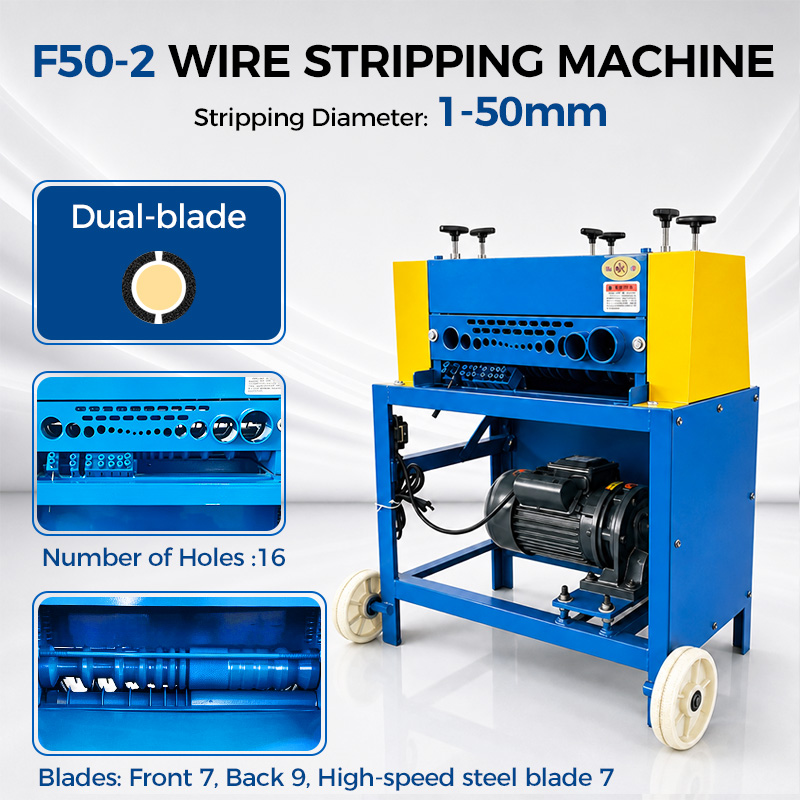
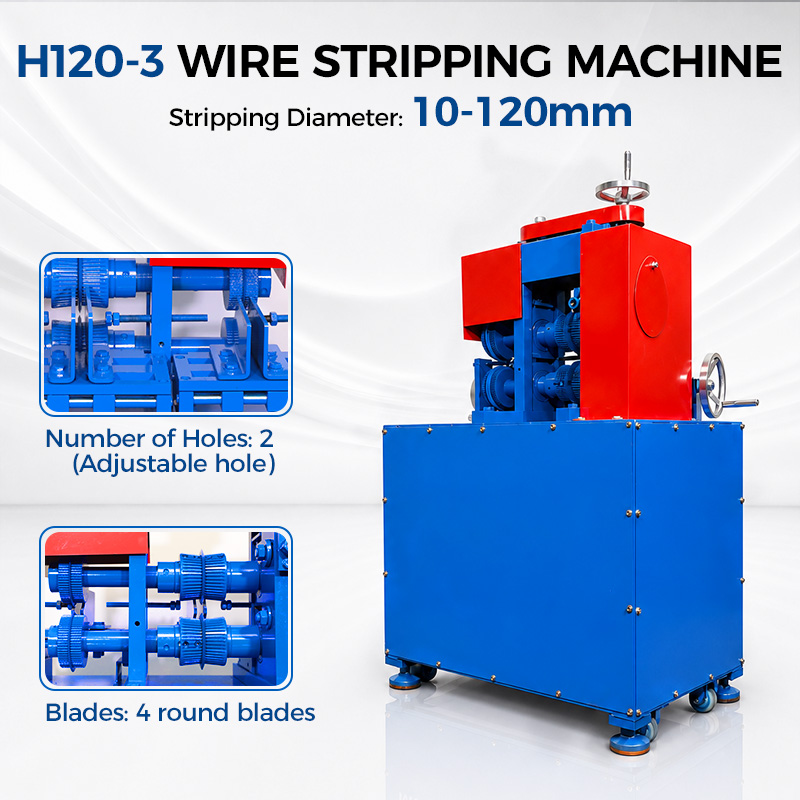
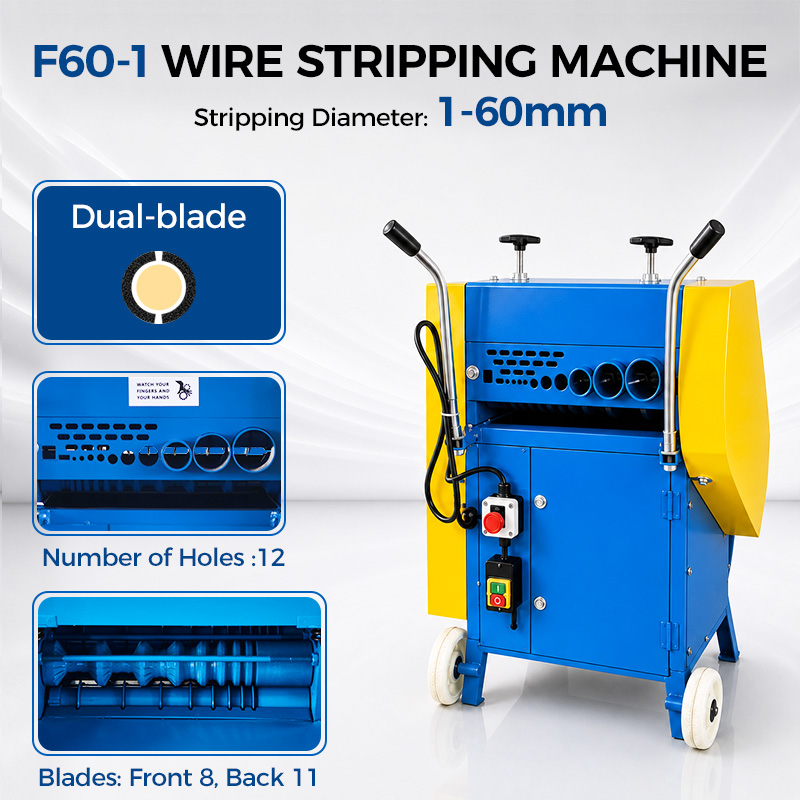
Customization Options: Depending on your specific needs, inquire about customization options, such as adjustable cutting sizes or additional processing capabilities, to tailor the machine to your operations. For instance, some machines may be designed to work effectively with a Wire Stripping Machine for enhanced material recovery.

Understanding these specifications will help you choose a tire shredding machine that meets your operational requirements and budget.

Get a Free Quote

Tell us about your recycling needs, and our team will recommend the right equipment and solution for your project.
0/1000