Evaluating Industrial Tire Shredders for Recycling

application/industrial-tire-shredder, application/industrial-tire-shredder, 
Inquiry
Inquiry

industrial tire shredder

Industrial tire shredders play a crucial role in the recycling process, particularly for waste tires that can otherwise pose significant environmental challenges. For B2B buyers, such as purchasing managers and engineers, the primary concerns often revolve around quality, efficiency, and the machine's applicability to specific recycling operations. This article provides insights into evaluating the quality of industrial tire shredders, addressing common problems, exploring their applications in recycling industries, comparing different models, and discussing the material advantages they offer.

Common Problems with Tire Shredders and Their Solutions

Tire shredders can encounter a variety of issues during operation, which may affect their efficiency and output quality. One common problem is blade wear and tear. Over time, the cutting blades can become dull, leading to inefficient shredding and increased energy consumption. Regular maintenance, including blade inspections and timely replacements, is crucial to mitigate this.

Another frequent issue is the presence of foreign materials mixed in with the tires, such as metal fragments or stones. These contaminants can damage the shredder and reduce its lifespan. Implementing pre-shredding processes like manual sorting or using magnetic separators can help eliminate these materials before they reach the shredder. For instance, a Wire Stripping Machine can effectively remove metal components before shredding.

Operational challenges, such as overheating, can also arise if the machine is pushed beyond its designed capacity. Buyers should ensure that the shredder is appropriately sized for their volume requirements and that it undergoes regular maintenance checks to avoid overheating issues.

Applications of Industrial Tire Shredders in Recycling Industries

Industrial tire shredders are essential in various recycling applications. Primarily, they are used to process waste tires for material recovery, where the shredded rubber can be repurposed into products such as rubber mulch, playground surfaces, or even new tires. The versatility of shredded rubber makes it a valuable commodity in multiple markets.

Additionally, tire shredders play a critical role in the production of tire-derived fuel (TDF). Shredded tires can be used as an alternative fuel source for cement kilns and power plants, providing a cost-effective and environmentally friendly option compared to traditional fossil fuels.

Moreover, the recycling of tires can also lead to the recovery of valuable metals, such as steel belts found within tires. This dual benefit of material recovery not only supports sustainability efforts but also contributes to the circular economy by reducing waste and promoting resource efficiency.

Comparing Different Models of Industrial Tire Shredders

When selecting an industrial tire shredder, it's essential to compare different models based on several criteria. Start by evaluating the shredding capacity, which can vary significantly between models. For instance, some models may be designed for small-scale operations with a capacity of 500 kg per hour, while others can handle several tons of material per hour.

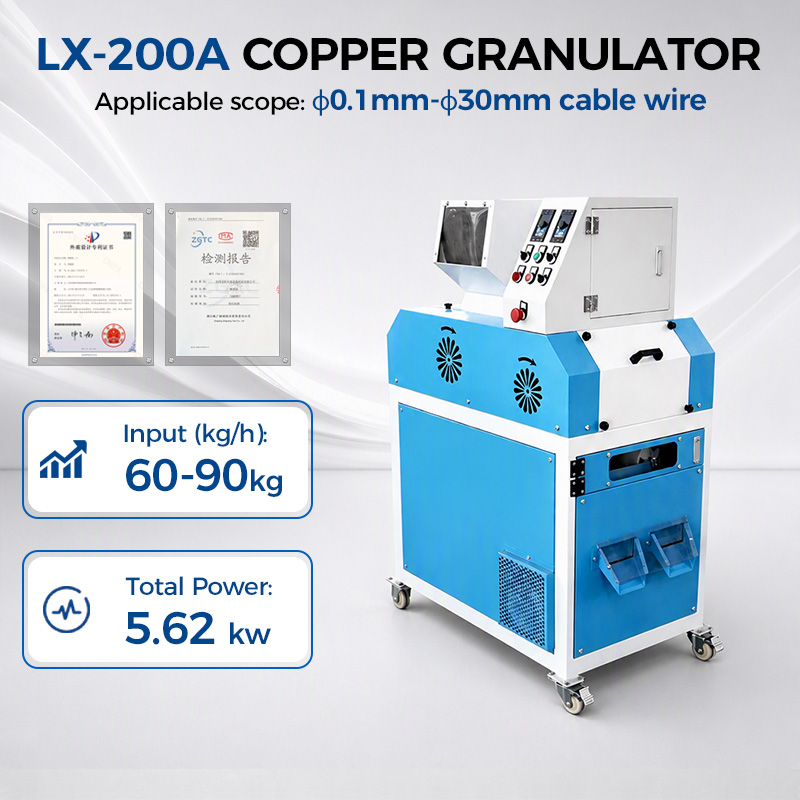
Consider the shredder's configuration, such as single-shaft versus dual-shaft designs. Single-shaft shredders are often more compact and easier to maintain, while dual-shaft models may offer greater efficiency and flexibility in handling a wider range of materials. A Copper Granulator can also be paired with shredders to optimize the recycling process.

Another critical factor is the ease of customization. Some manufacturers provide options for tailored features such as adjustable screen sizes and cutting speeds, allowing for more precise control over the shredding process. Buyers should also assess the availability of spare parts and technical support, as these can impact long-term operational efficiency.

Understanding the Material Advantages of Industrial Tire Shredders

The materials used in the construction of industrial tire shredders significantly influence their performance and longevity. High-quality steel, often used in blades and body construction, provides the necessary strength to withstand the mechanical stresses of shredding tough materials. Additionally, specific coatings may be applied to enhance wear resistance, extending the lifespan of the machine.

Another consideration is the design of components such as the feed hopper and discharge chute. These should be engineered to facilitate smooth material flow and minimize blockages, which can disrupt production. A well-designed shredder can also help reduce noise and vibration, creating a safer and more efficient working environment.

Lastly, the adaptability of the shredder to various tire types, including passenger, truck, and off-road tires, is essential. Buyers should confirm that the shredder's specifications align with their recycling goals, including the size of tires they will process and the desired output material characteristics. This ensures that the investment in a tire shredder will meet the intended operational requirements effectively.

How to Evaluate the Quality of Industrial Tire Shredders

When assessing the quality of industrial tire shredders, buyers should focus on several key aspects. First, consider the machine's construction quality, which directly impacts its durability and performance. Look for robust materials, such as hardened steel, which can withstand the mechanical stresses of shredding tough tire materials. Additionally, buyers may want to consider investing in a Electrostatic Separator to enhance their recycling capabilities.

Next, examine the technical specifications such as motor power, cutting capacity, and throughput rate. A higher motor power typically indicates better performance in shredding thicker or more resistant materials. For instance, a shredder with a motor power of 75 kW may offer a throughput of 2,000 kg per hour, which is suitable for medium-sized operations.

Additionally, it is essential to evaluate the manufacturer’s quality control processes. A reputable manufacturer, like Hangzhou Lansing Machinery Co., Ltd., should provide certifications such as ISO 9001, ensuring that the machines meet specific quality standards. Buyers should also inquire about warranty and after-sales support, which can provide peace of mind regarding the machine's longevity and operational performance.

Get a Free Quote

Tell us about your recycling needs, and our team will recommend the right equipment and solution for your project.
0/1000




