Choosing the Right Tyre Shredder for Your Business

application/tyre-shredder, application/tyre-shredder, 
Inquiry
Inquiry

tyre shredder

Choosing the right tyre shredder is critical for businesses involved in recycling and waste management. Tyre shredders are essential for reducing bulky tyres into manageable pieces, facilitating further processing such as granulation or incineration. As a B2B buyer, your main concerns will likely revolve around product specifications, cost efficiency, reliability, and maintenance. This article will guide you through essential considerations for selecting a tyre shredder, cost factors when sourcing in bulk, quality control standards in manufacturing, common issues you may encounter, and installation guidance to ensure optimal operation.

Cost Factors to Assess When Sourcing Tyre Shredders in Bulk

When sourcing tyre shredders, understanding the total cost of ownership is essential. Here are key cost factors to consider:

Unit Price: Bulk purchasing often allows for discounts. However, the initial purchase price should be evaluated against the shredders' efficiency and expected lifespan.

Operational Costs: These include electricity consumption, regular servicing, and replacement parts. Higher capacity machines may consume more energy but can provide savings through increased throughput.

Transport and Installation: Factor in the costs associated with shipping the equipment to your facility and the expenses related to installation. Some manufacturers provide installation services, which can help ensure the machine is set up correctly.

Warranty and Support: A longer warranty and robust after-sales support can indicate quality. Consider the potential costs of repairs or replacements if the shredder fails outside of warranty.

Training and Safety: If operators require training to use the equipment safely and effectively, include these costs in your budget.

Quality Control Standards in Tyre Shredder Manufacturing

Quality control is vital in the manufacturing of tyre shredders to ensure reliability and operational efficiency. Key quality control standards include:

Material Testing: Manufacturers should conduct rigorous testing of raw materials to ensure they meet specific strength and durability criteria. This often includes tensile strength testing and fatigue tests.

Process Controls: Adherence to standardized manufacturing processes helps maintain product consistency. This may involve monitoring production parameters and maintaining tolerances during machining.

Final Inspection: Before shipping, each unit should undergo a thorough inspection, including performance tests to confirm that it meets specified operational parameters.

Certifications: Ensure that the manufacturing facility complies with relevant industry standards, such as ISO 9001 for quality management systems, which can enhance trust in the equipment's reliability.

Feedback Mechanisms: A good manufacturer will have a system for collecting feedback from customers to continuously improve their products.

Common Tyre Shredder Problems and Effective Solutions

While tyre shredders are robust machines, issues can arise. Being aware of common problems and their solutions can save time and money:

Overheating: This can occur if the shredder is overloaded or if the motor is not powerful enough for the material being processed. Regularly monitor load levels and consider upgrading to a more powerful model if overheating persists.

Blade Wear: Dull blades can reduce efficiency and increase energy consumption. Implement a routine maintenance schedule to replace or sharpen blades as necessary.

Unusual Noises or Vibrations: These can indicate loose components or misalignments. Regular inspections can help identify and rectify these issues before they escalate.

Clogging: Material build-up can hinder performance. Implementing a pre-shredder can help reduce the size of incoming materials and prevent clogging.

Electrical Failures: Regularly check electrical connections and components to prevent failures. Use a qualified technician for any electrical issues to ensure safety.

Installation Guidance for Efficient Tyre Shredder Setup and Use

Proper installation is crucial for the effective operation of a tyre shredder. Here are some guidelines to ensure a smooth setup:

Site Preparation: Ensure that the installation area is appropriately sized and reinforced to support the weight of the shredder. Consideration should be given to ventilation, as shredders can generate heat.

Alignment: The shredder should be installed with proper alignment to prevent unnecessary wear on the components. Use leveling tools to ensure the equipment is straight and balanced.

Electrical Connections: Engage a certified electrician to handle electrical connections, ensuring compliance with local codes and safety standards. Confirm that voltage and phase match the shredder’s specifications.

Testing: After installation, conduct a run test to ensure all components are functioning correctly. Monitor the performance and make necessary adjustments.

Operator Training: Ensure that all operators are trained on the proper use and maintenance of the shredder to maximize efficiency and safety.

By following these guidelines, businesses can make informed decisions when purchasing a tyre shredder, ensuring they select the right equipment to meet their operational requirements. Working with a reliable manufacturer, such as Hangzhou Lansing Machinery Co., Ltd., can further enhance the purchasing experience, providing one-stop support from design to after-sales service.

What to Consider When Choosing a Tyre Shredder for Your Business

When evaluating a tyre shredder, several key factors should be taken into account:

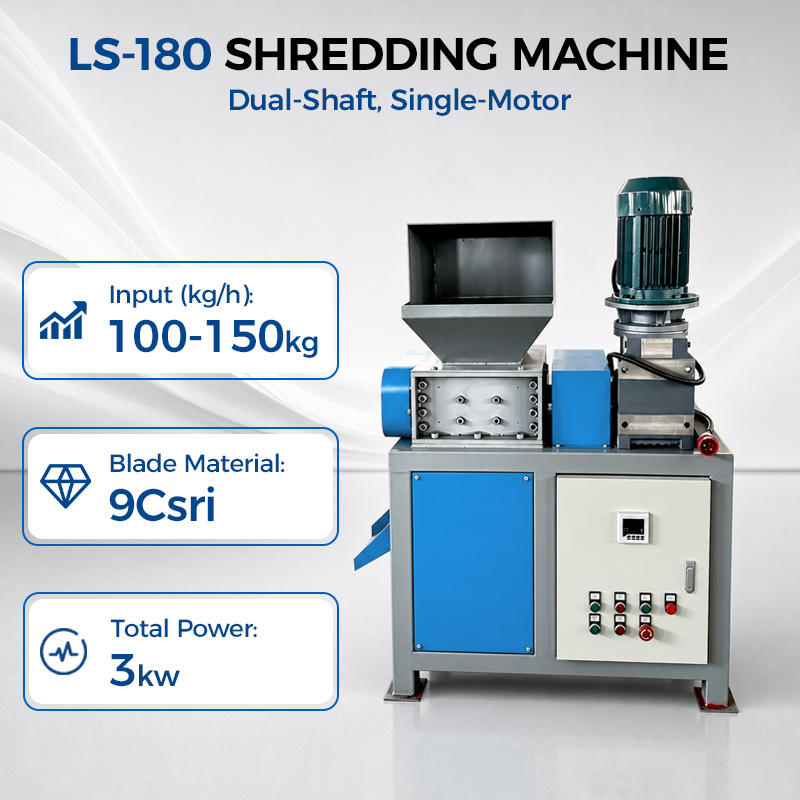
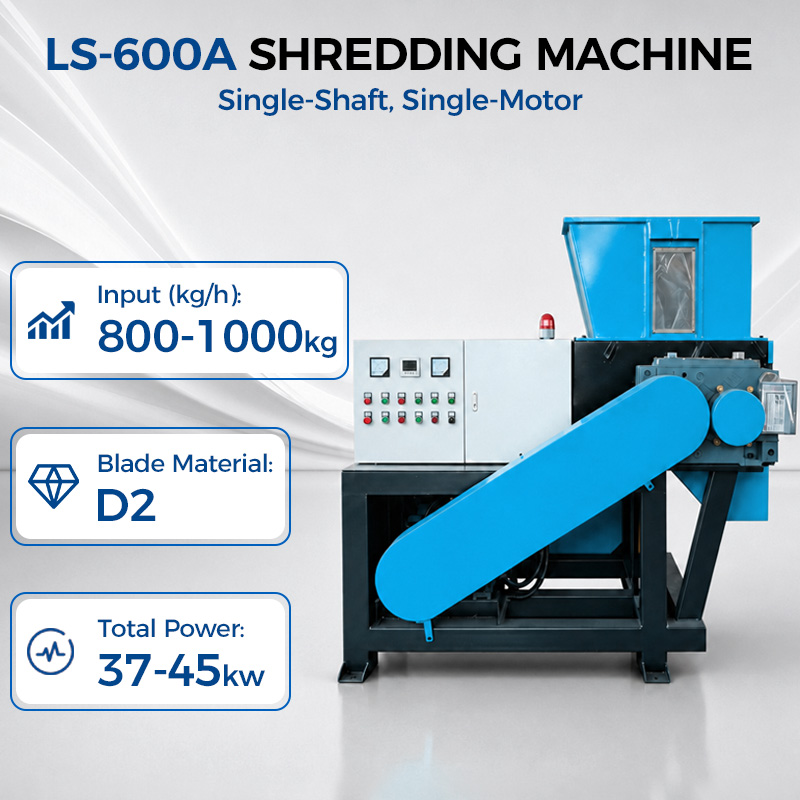
Capacity: Determine the volume of tyres your operation will handle. Shredders come in various sizes, with capacities ranging from small units processing a few hundred kilograms per hour to industrial-scale machines capable of managing several tonnes per hour.

Material Specification: The construction material of the shredder is crucial. High-quality steel is often preferred for its durability and resistance to wear. Additional features such as hardened blades will enhance longevity, especially when processing tough materials.

Motor Power: The motor's horsepower directly impacts the shredder's efficiency. A more powerful motor can handle denser materials without overheating, reducing downtime and maintenance costs.

Cutting Mechanism: Different shredders use various cutting technologies, such as single-shaft, two-shaft, or four-shaft systems. Each offers distinct advantages depending on the desired output size and processing speed. For example, the LS-600B 22 kW Dual-Shaft Shredder for Waste Pre-Processing is designed to handle heavy-duty tasks efficiently.

Safety Features: Ensure the shredder has built-in safety mechanisms, such as emergency stops and overload protection, to minimize risks to operators and equipment.

Customization Options: Consider whether the manufacturer offers customization to meet specific operational needs, such as different blade configurations or feed sizes.

Maintenance Requirements: Look for models that are easy to maintain, with accessible parts and a straightforward service manual to minimize downtime. The LE-1200 Electrostatic Copper-Plastic Separator with Dust Collection is an example of equipment that emphasizes easy maintenance and operation.

Get a Free Quote

Tell us about your recycling needs, and our team will recommend the right equipment and solution for your project.
0/1000