Choosing the Right Industrial Scrap Shredder

application/industrial-scrap-shredder, application/industrial-scrap-shredder, 
Inquiry
Inquiry

industrial scrap shredder

Industrial scrap shredders are vital equipment in the recycling process, specifically designed to reduce bulky materials like waste cables and metals into smaller, manageable pieces. For B2B buyers, such as purchasing managers and engineers, selecting the right industrial scrap shredder can significantly impact operational efficiency, material handling, and overall recycling effectiveness. This article will guide you through essential considerations, potential challenges, and applications relevant to industrial scrap shredders, empowering you to make well-informed purchasing decisions.

Key Factors to Consider

Several key factors come into play when determining the right industrial scrap shredder for your operation:

Type of Material: Ensure the shredder is designed to handle the specific types of scrap you process. For instance, a cable shredder may require different features compared to one designed for metal.

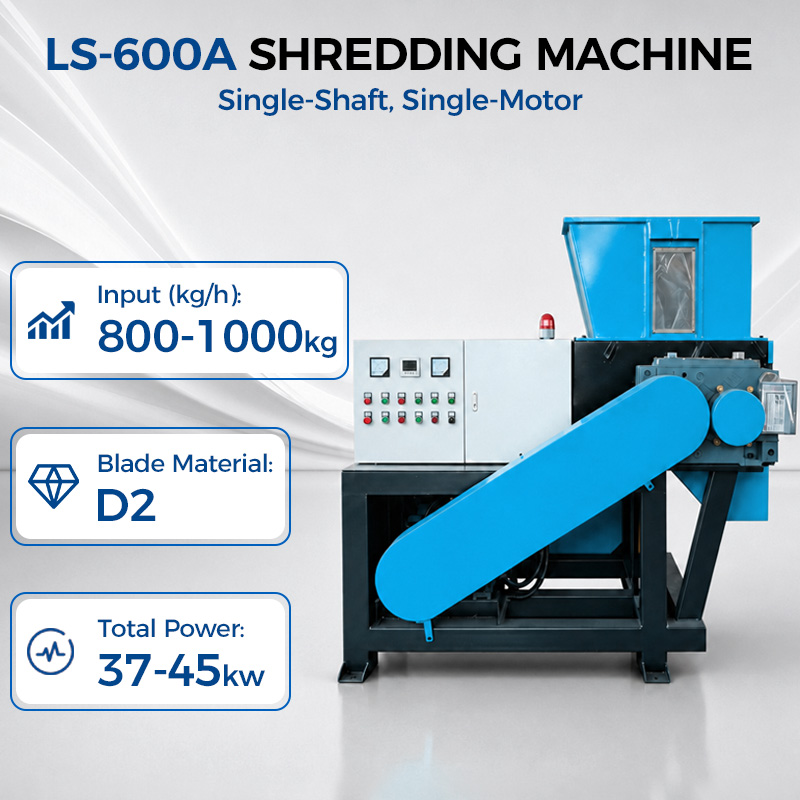
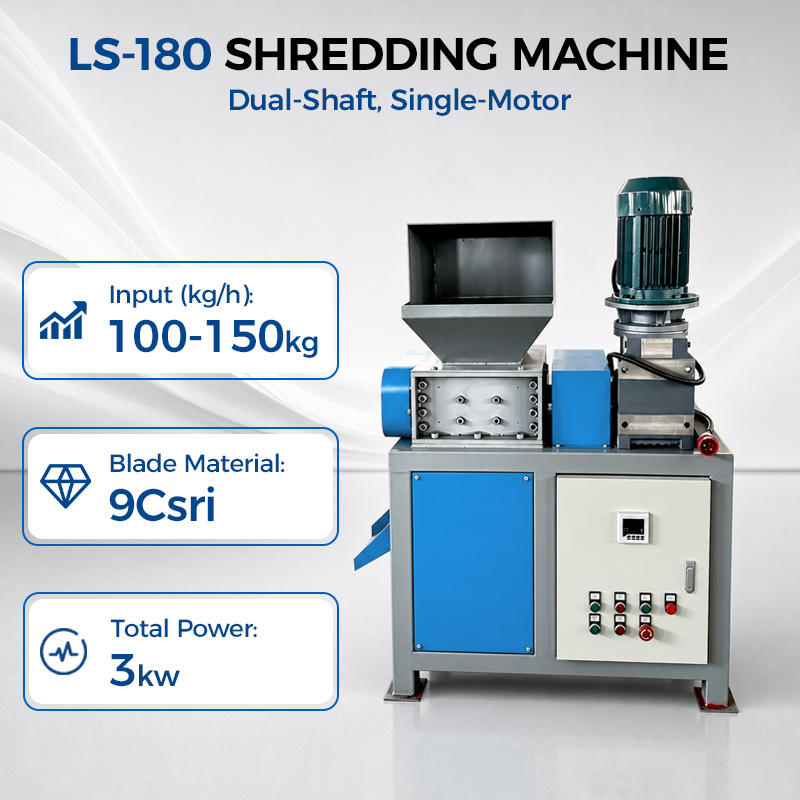
Shredding Technology: Different shredders employ various technologies, including single-shaft, double-shaft, and granulation shredders. Each has its advantages, depending on the desired output and material type.

Construction Quality: The durability of the shredder is paramount. Look for heavy-duty construction, quality materials, and robust components that can withstand continuous operation.

Safety Features: Given the industrial environment, safety features such as emergency stop buttons, overload protection, and dust control systems should not be overlooked.

Customization Options: Manufacturers like Hangzhou Lansing Machinery Co., Ltd. offer tailored solutions to meet specific operational needs, which can enhance efficiency and productivity. For example, the LS-600B 22 kW Dual-Shaft Shredder for Waste Pre-Processing provides customizable settings for different material types.

Cost Considerations When Purchasing an Industrial Scrap Shredder

Cost is a significant factor when investing in an industrial scrap shredder. Initial purchase price is just one aspect; buyers should also consider operational costs, maintenance expenses, and the potential for downtime.

Initial Costs: Understand the total cost of ownership, which includes installation, shipping, and any additional accessories required for operation.

Operational Costs: Evaluate energy consumption and the cost of replacement parts. A shredder with a higher upfront cost may yield lower operational expenses over time due to its efficiency and durability.

Maintenance: Factor in the frequency and cost of maintenance services. Machines that require specialized parts or services may lead to higher long-term expenses.

Return on Investment (ROI): Analyze how the shredder will contribute to your overall operational efficiency and material recovery rates. A well-chosen shredder can lead to significant savings and increased profitability over its lifespan.

Common Problems with Industrial Scrap Shredders and Their Solutions

Industrial scrap shredders can encounter several common issues that may impede their efficiency:

Jamming: If the materials are not fed properly, it can lead to jams. Ensure that operators are trained on correct feeding practices to minimize this risk.

Wear and Tear: Blades can wear down over time, affecting shredding efficiency. Regular inspections and timely replacements of cutting tools can prevent performance drops.

Overheating: Continuous operation can cause the machine to overheat. Implementing a cooling system and scheduling breaks can help maintain optimal operating temperatures.

Inconsistent Output Size: If the shredder produces inconsistent particle sizes, it may be due to improper settings or worn-out blades. Regular maintenance and calibration are essential to ensure the desired output.

Electrical Issues: Electrical failures can halt operations. Conduct regular electrical system checks and ensure all connections are secure to minimize this risk.

Applications of Industrial Scrap Shredders in Various Industries

Industrial scrap shredders find applications across multiple sectors due to their ability to efficiently process waste materials:

Recycling Facilities: Shredders are essential for breaking down scrap metals and cables, making them easier to sort and recycle.

Manufacturing: In manufacturing, shredders can process off-cuts and production waste, enabling companies to reclaim valuable materials.

Construction and Demolition: These shredders handle debris from construction sites, allowing for the recycling of metals, plastics, and other materials.

Automotive: Shredders are used to process end-of-life vehicles, recovering metals and plastics for reuse.

Electronics: In e-waste recycling, industrial scrap shredders efficiently handle complex materials, allowing for the recovery of metals and precious components.

Selecting the right industrial scrap shredder is crucial for maximizing recycling efficiency and reducing operational costs. By considering the factors outlined, buyers can ensure that they invest in equipment that meets their specific needs and supports their recycling goals.

How to Choose the Right Industrial Scrap Shredder for Your Needs

When selecting an industrial scrap shredder, first assess the types of materials you intend to process. Different shredders perform optimally with specific materials, whether they are cables, metals, or mixed waste. Understanding the physical characteristics of your scrap, such as thickness, density, and the presence of contaminants, will guide you in choosing a shredder that meets your needs.

Next, consider the shredder's capacity, which typically depends on the size and weight of the materials to be shredded. High-capacity models may be necessary for large-scale operations, while smaller units might suffice for less intensive applications. Additionally, examine the shredder’s output size and adjustability, as this can affect the subsequent recycling processes and material handling. For instance, the LE-500B Electrostatic Separator for Copper and Plastic Recovery is designed to enhance output efficiency for specific materials.

Lastly, think about the shredder's energy efficiency and maintenance requirements. A machine that consumes less energy while delivering the same output can lead to substantial cost savings over its lifetime. Regular maintenance is crucial; therefore, selecting a unit with easy access to components for repair and replacement will reduce downtime.

Get a Free Quote

Tell us about your recycling needs, and our team will recommend the right equipment and solution for your project.
0/1000