Key Considerations for Scrap Metal Crushers

application/scrap-metal-crusher, application/scrap-metal-crusher, 
Inquiry
Inquiry

scrap metal crusher

Choosing the right scrap metal crusher is crucial for businesses involved in metal recycling. These machines are designed to efficiently process various types of scrap metal, transforming them into more manageable sizes for further processing or repurposing. B2B buyers, such as purchasing managers, engineers, and product managers, often seek reliable equipment that meets specific operational needs, complies with industry standards, and delivers a good return on investment. This article will guide you through essential considerations when selecting a scrap metal crusher, supplier evaluation, key features to look for, common operational issues, and the industries that benefit most from these machines.

Finding Reliable Scrap Metal Crusher Suppliers

Identifying trustworthy suppliers is key to acquiring a quality scrap metal crusher. Here are several strategies for evaluating potential vendors:

Industry Reputation: Research the supplier's reputation within the industry. Look for reviews, testimonials, and case studies that indicate customer satisfaction and product reliability.

Experience and Expertise: Suppliers with extensive experience in manufacturing and selling recycling equipment are often more knowledgeable about product specifications and best practices. Consider suppliers who demonstrate a deep understanding of the materials and processes involved in metal recycling.

Customization Capabilities: Many businesses have unique requirements for their scrap metal processing. Evaluate suppliers that offer customizable solutions tailored to your specific operational needs. This may include modifications to capacity, size, or features based on your requirements.

Quality Assurance: Reliable suppliers should have robust quality control processes in place. Ask about their manufacturing certifications and testing procedures to ensure that their products meet industry standards.

After-Sales Support: Good after-sales service is vital for maintaining equipment performance. Inquire about the supplier’s support structure, including warranty terms, available spare parts, and maintenance services.

Essential Features of a Durable Scrap Metal Crusher

When selecting a scrap metal crusher, certain features can enhance durability and overall performance:

Heavy-Duty Construction: Look for crushers made from high-quality, durable materials that can withstand the stresses of continuous operation. Reinforced frames and high-strength steel components are indicators of a machine built for longevity.

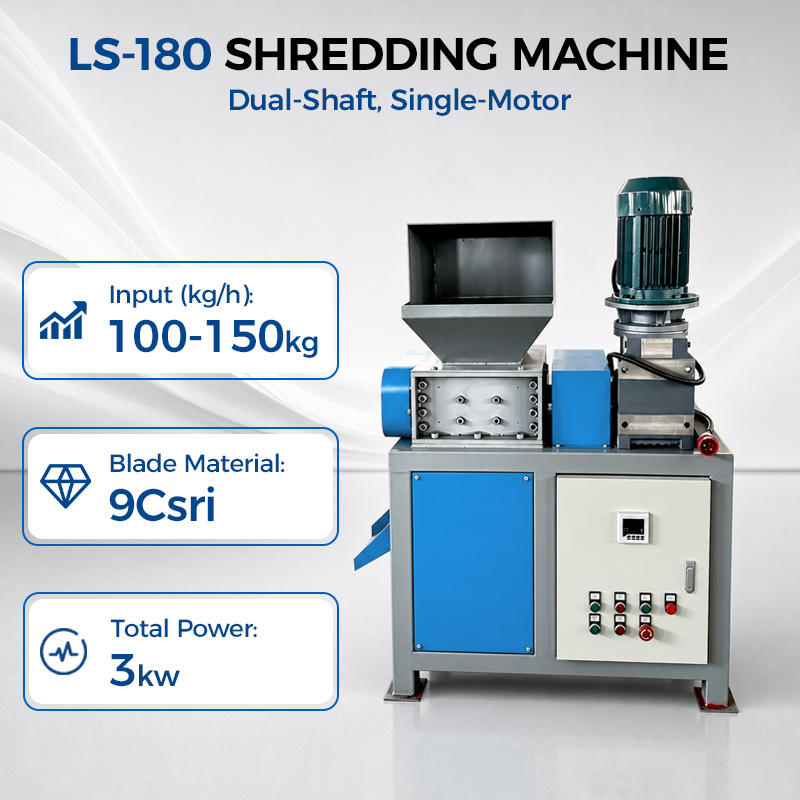
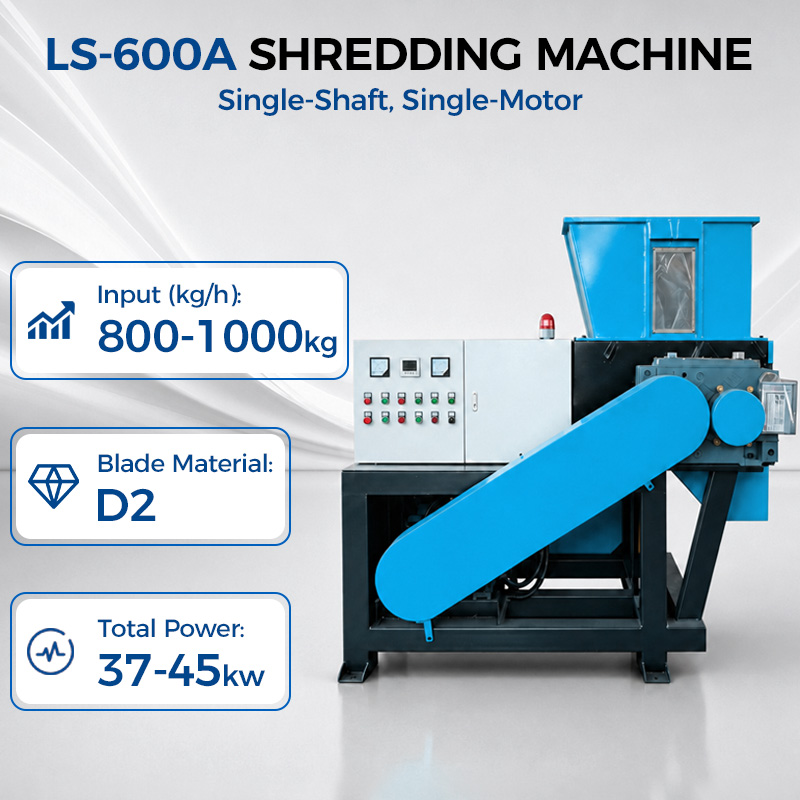
Advanced Crushing Technology: Modern scrap metal crushers often employ advanced technologies, such as hydraulic systems or high-torque motors, which can improve crushing efficiency and reduce energy consumption. Additionally, incorporating a Shredding Machine can complement the crushing process.

Ease of Maintenance: Machines designed for easy access to components can significantly reduce downtime. Features like removable panels and centralized lubrication systems can facilitate maintenance routines.

Noise Reduction Systems: Some models include noise reduction features to minimize operational noise, which can be beneficial in residential or urban settings where noise regulations may apply.

Mobility Options: Depending on your operation, a portable or mobile scrap metal crusher may be advantageous, allowing you to move the machine to different sites as needed.

Common Problems with Scrap Metal Crushers and Their Solutions

Despite their robust design, scrap metal crushers can face operational challenges. Here are some common issues and potential solutions:

Jamming: Jamming often occurs when oversized or unsuitable materials are fed into the machine. To mitigate this, operators should ensure that only approved materials are processed and conduct regular inspections to remove any foreign objects.

Wear and Tear: Components such as blades and hoppers can wear down over time. Implementing a regular maintenance schedule and replacing worn parts can help maintain efficiency and prolong the machine's lifespan.

Electrical Failures: Problems with motor or electrical systems can lead to operational downtime. Buyers should ensure that their crushers are equipped with reliable electrical components and consider investing in surge protectors to safeguard against power fluctuations.

Overheating: Continuous operation without adequate cooling can cause overheating. Ensuring that the machine has proper ventilation and is not overloaded can help prevent this issue.

Inconsistent Output Size: If the output size of crushed metal is inconsistent, it may indicate a need for blade recalibration or replacement. Regular checks and adjustments can help maintain the desired output specifications.

Where Scrap Metal Crushers Excel in Industry

Scrap metal crushers are invaluable across various industries, particularly those focused on recycling and materials recovery.

Metal Recycling Facilities: These facilities process large volumes of scrap metal, making efficient crushing a priority. Scrap metal crushers enable operators to reduce metal sizes, facilitating easier handling and transportation.

Manufacturing Industries: Manufacturers generating metal waste can benefit from on-site crushers, which allow for immediate recycling of scrap materials. This not only reduces waste disposal costs but also contributes to sustainability initiatives.

Automotive Salvage: The automotive industry produces significant amounts of scrap metal from vehicle dismantling. Crushers allow salvage yards to efficiently process metal components, maximizing recovery rates and profitability.

Construction and Demolition: Construction sites often generate metal waste from deconstruction projects. Crushers can quickly reduce this waste, allowing for easier recycling and compliance with waste management regulations.

Municipal Waste Management: Municipalities managing waste may utilize scrap metal crushers as part of their recycling programs, contributing to reduced landfill usage and promoting resource recovery.

By understanding the key specifications, supplier evaluation criteria, essential features, common issues, and industry applications, B2B buyers can make informed decisions when purchasing a scrap metal crusher. Ensuring that your equipment meets specific operational requirements will ultimately enhance productivity and profitability in metal recycling operations.

Key Specifications to Consider When Choosing a Scrap Metal Crusher

When selecting a scrap metal crusher, several specifications should be evaluated to ensure optimal performance and compatibility with your recycling operations.

Crushing Capacity: The capacity of a scrap metal crusher is measured in tons per hour (TPH). This figure indicates how much material the machine can process within a given time frame. Buyers should assess their processing needs and choose a model that can handle their expected workload without compromising efficiency.

Motor Power: The power of the motor directly influences the machine's performance. A higher motor power typically translates to better crushing efficiency. It's essential to match the motor power with the type and volume of scrap metal being processed.

Dimensions and Weight: The size and weight of the crusher can affect installation space and transportation costs. Buyers should consider the physical footprint and ensure that the machine fits within their operational layout while accounting for any necessary access for maintenance.

Material Specifications: Different scrap metals, such as aluminum, steel, or copper, may require specific crusher designs or materials to prevent wear and tear. Buyers should clarify the types of metal they will process and confirm that the crusher is suitable for those materials. For instance, a Copper Granulator may be needed for effective copper recycling alongside a scrap metal crusher.

Safety Features: Robust safety features, including emergency stop mechanisms and protective guards, are essential for safe operation. Buyers should prioritize machines that comply with international safety standards to mitigate workplace hazards.

Get a Free Quote

Tell us about your recycling needs, and our team will recommend the right equipment and solution for your project.
0/1000