Choosing Reliable Industrial Shredding Equipment

application/industrial-shredding-equipment, application/industrial-shredding-equipment, 
Inquiry
Inquiry

industrial shredding equipment

Industrial shredding equipment plays a crucial role in the recycling and waste management industries, helping organizations efficiently process materials such as waste cables and metals. For businesses seeking reliable solutions, understanding the various options and specifications is essential to ensure optimal performance and compliance with industry standards. This article will guide you through selecting the right industrial shredding equipment, evaluating quality, and understanding key specifications, installation guidance, and material advantages.

Common Problems with Shredding Equipment and Their Solutions

Common Problems with Shredding Equipment and Their Solutions

Quality is a key concern when investing in industrial shredding machinery. Buyers should look for several indicators of quality, including the manufacturer's reputation and customer reviews. It’s beneficial to select a supplier with a proven track record in the manufacturing and supply of shredding equipment.

Inspect the materials used in the construction of the shredder, as high-quality components will enhance durability and reduce maintenance costs. For instance, shredders made with hardened steel blades are typically more resilient and can withstand the rigors of continuous operation. Additionally, verify if the equipment meets relevant industry standards and certifications, which can provide assurance regarding its performance and safety. Choosing a reliable Copper Granulator can also contribute to effective material processing.

Cost Factors to Consider for Industrial Shredding Equipment Purchases

Cost Factors to Consider for Industrial Shredding Equipment Purchases

When evaluating industrial shredding equipment, several key specifications should be taken into account:

Blade Design: The configuration and number of blades affect the shredding efficiency and the size of the output material. Different applications may require different blade designs, so choose one that aligns with your material processing needs.

Motor Power: The power of the motor will determine the shredder's capability to handle tough materials. Ensure that the motor is powerful enough for your intended applications to avoid operational inefficiencies.

Dimensions and Weight: The shredder's size can impact installation and operational logistics. Ensure that you have sufficient space for the equipment and consider how its weight may affect transportation and setup.

Control Systems: Modern shredders may include advanced control systems for monitoring performance, which can improve efficiency and maintenance scheduling. Evaluate whether these features are necessary for your operations.

Safety Features: Look for safety mechanisms such as emergency stop buttons, automatic shut-off features, and protective guards to ensure safe operation.

Discuss these specifications with your supplier to confirm that they meet your expectations and operational requirements.

A Step-by-Step Guide

A Step-by-Step Guide

Proper installation of industrial shredding equipment is critical to its performance and longevity. When taking delivery of your shredder, consider the following steps for effective installation:

Site Assessment: Before installation, conduct a thorough assessment of the installation site to ensure it can accommodate the shredder's dimensions, weight, and power requirements.

Power Supply: Verify that the site has the appropriate electrical supply to support the shredder's motor. This may involve consulting with an electrician to ensure compatibility and safety.

Foundation Requirements: Shredders may require a solid foundation to minimize vibrations during operation. Determine if additional supports or modifications are needed to stabilize the equipment.

Training and Operation: Once installed, it’s essential to provide training for operators on the proper use and maintenance of the equipment to maximize its lifespan and efficiency.

Consulting with your manufacturer during the installation process can help address any specific requirements or challenges unique to your situation.

Comparing Top Manufacturers of Industrial Shredding Equipmen

The choice of materials used in the construction of shredding machines can significantly affect their performance and durability. Here are some common materials and their advantages:

Hardened Steel: Often used for blades and cutting mechanisms, hardened steel provides exceptional wear resistance, allowing shredders to maintain effectiveness even under heavy use.

Stainless Steel: This material is ideal for components exposed to corrosive environments, as it resists rust and degradation, thereby prolonging the machine's lifespan.

High-Density Polyethylene (HDPE): Some shredders incorporate HDPE in their components to reduce weight and improve rust resistance, particularly in non-load-bearing parts.

When selecting a shredder, consider the types of materials you will be processing and how they may interact with the shredder's components. For example, if your operation involves shredding materials that produce dust or particles, ensure that the machine's design minimizes exposure to these contaminants.

By understanding the material advantages of different shredding machines, you can make a more informed purchasing decision, ensuring that your chosen equipment aligns with your operational needs and environmental conditions. Investing in industrial shredding equipment requires careful consideration of various factors, including application requirements, quality evaluation, key specifications, installation guidance, and material advantages. By approaching these aspects thoughtfully, you can ensure you choose the right equipment for your business, ultimately enhancing your recycling and waste management processes.

Where to Source Reliable Industrial Shredding Equipment Suppliers

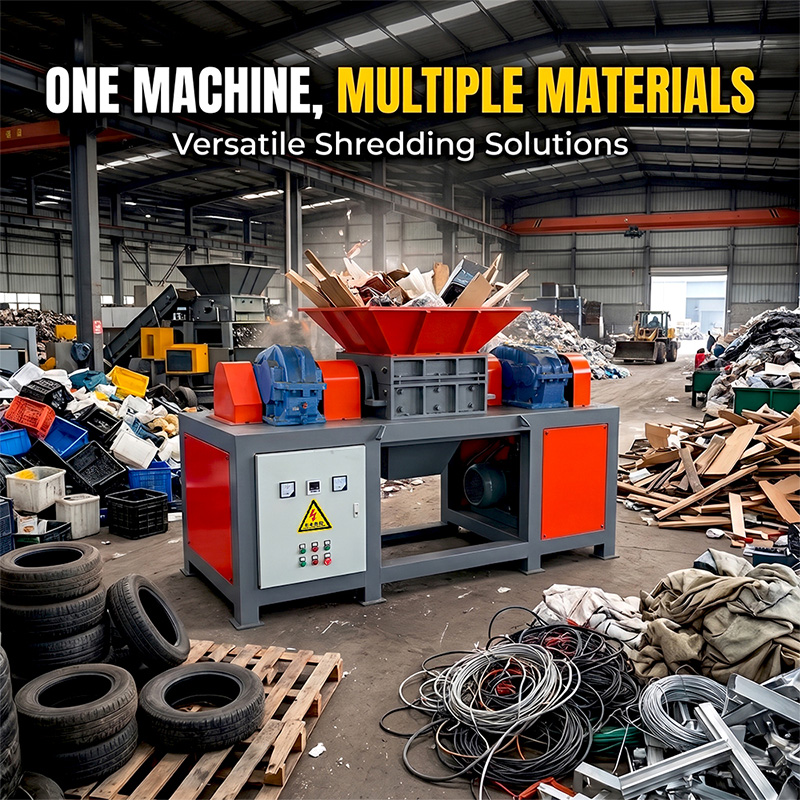
When selecting industrial shredding equipment, it’s vital to consider the specific application and materials you will be processing. Different shredders are designed for various tasks, ranging from general waste to specialized materials like cables or metals. Assess your waste volume, material type, and desired output size to narrow down your options. For instance, a Shredding Machine can be particularly effective for handling a variety of materials.

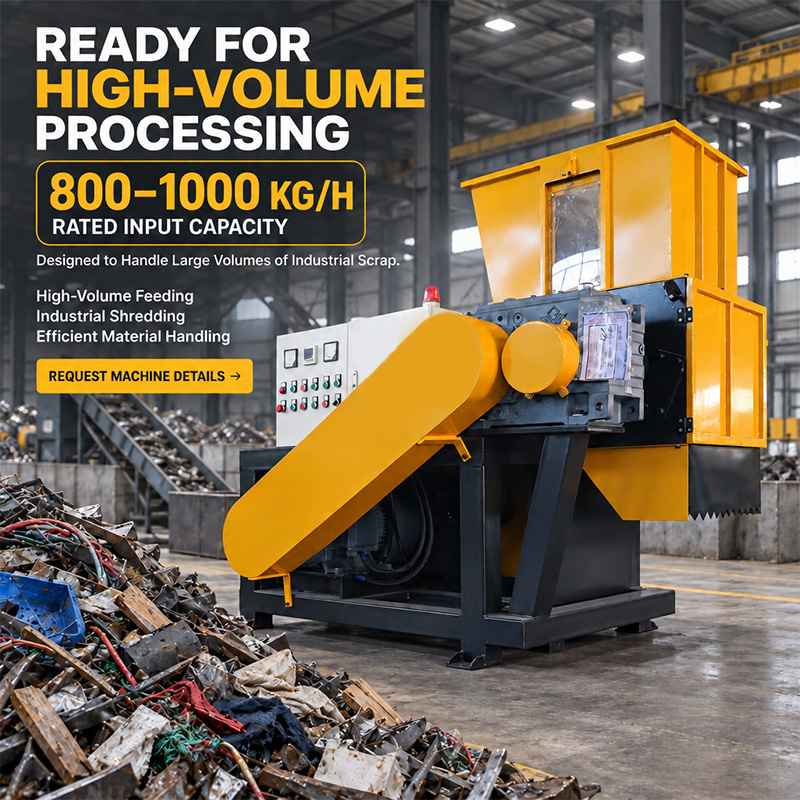
Additionally, consider the shredder's throughput capacity to ensure it meets your operational demands. For example, if you are processing large quantities of waste cables, you may require a high-capacity shredder that can handle significant input without compromising performance. Be sure to discuss these requirements with potential suppliers to find a model that aligns with your business needs.

Frequently Asked Questions

What materials can your industrial shredding equipment handle?

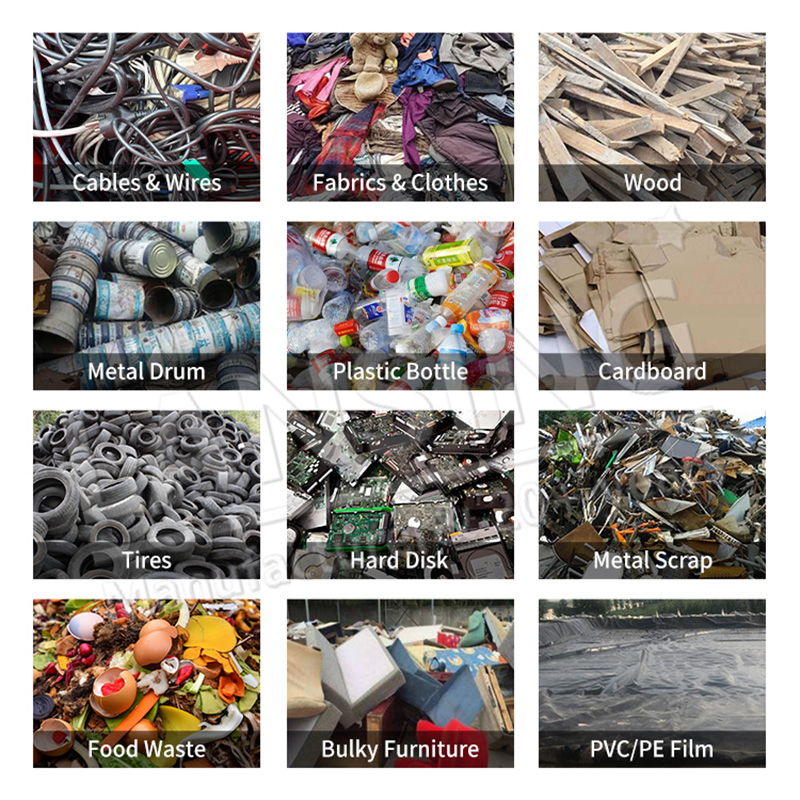
Our shredders process waste cables, metals, and mixed recyclable materials. We tailor specifications to material type and volume to ensure efficient and safe shredding.
Yes. We provide customized designs and equipment configurations to meet specific material, throughput, and site requirements, backed by our R&D and manufacturing teams.
We offer installation guidance, operator training, maintenance plans, spare parts supply, and remote or on-site technical support to ensure continuous operation.
Absolutely. We provide one-stop support from design to commissioning, including layout planning, equipment matching, and integration with existing recycling lines.
Our equipment comes with manufacturer warranty terms, quality-tested components, and proven reliability. Specific warranty duration and terms are provided in the sales agreement.

Get a Free Quote

Tell us about your recycling needs, and our team will recommend the right equipment and solution for your project.
0/1000