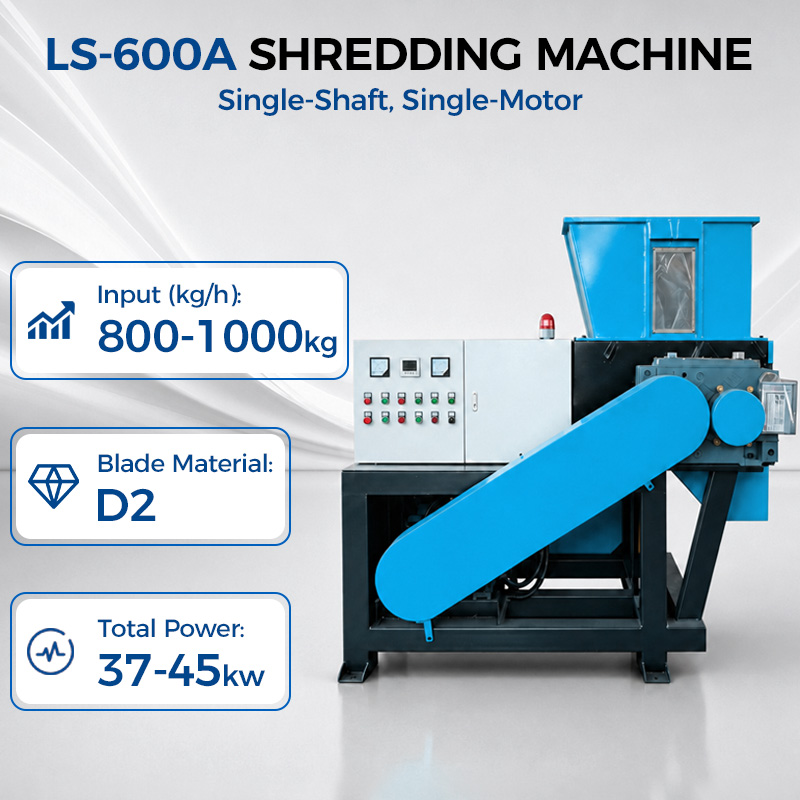
Choosing the Right Industrial Metal Shredder

application/industrial-metal-shredder, application/industrial-metal-shredder, 
Inquiry
Inquiry

industrial metal shredder

When it comes to optimizing waste management processes, an industrial metal shredder is a crucial piece of equipment for manufacturers and recyclers alike. These machines play a significant role in the recycling of metals and the reduction of waste materials, allowing companies to maximize resource recovery and minimize environmental impact. As you consider integrating an industrial metal shredder into your operations, it’s important to address key buyer concerns such as performance, durability, cost, and supplier reliability. This article will guide you through the essential aspects of selecting the right industrial metal shredder, ensuring you make an informed purchasing decision.

Key Specifications to Consider When Sourcing Metal Shredders

When sourcing an industrial metal shredder, several key specifications warrant your attention:

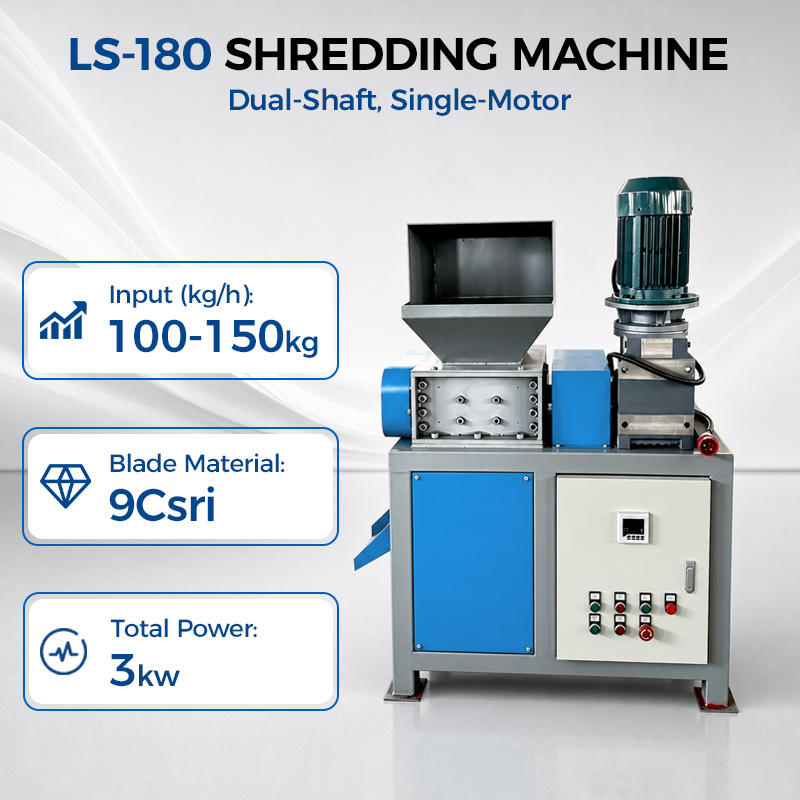
Motor Power: The motor's horsepower directly impacts the shredder's performance. A more powerful motor can handle tougher materials and higher throughput.

Cutting Mechanism: Different shredders utilize various cutting mechanisms, such as single-shaft, dual-shaft, or four-shaft designs. Each has its advantages, depending on the material type and desired output.

Blade Design: The configuration and material of the blades affect shredding efficiency and longevity. Look for blades made from high-strength materials that can withstand wear and tear.

Feed Opening Size: The dimensions of the feed opening will dictate the size of the materials you can process. Ensure it accommodates the largest pieces you plan to shred.

Safety Features: Safety is paramount in industrial operations. Look for features such as emergency stop buttons, safety guards, and overload protection to ensure safe operation.

Understanding these specifications can help you evaluate different models effectively and choose the one that aligns with your operational goals. For example, the LS-600B 22 kW Dual-Shaft Shredder for Waste Pre-Processing provides robust safety features and high performance.

Cost Factors to Consider for Bulk Orders of Metal Shredders

When planning for a bulk order of industrial metal shredders, various cost factors come into play. First, consider the initial purchase price. While it may be tempting to choose the lowest-cost option, it’s essential to account for the overall value provided by the equipment, including durability and maintenance costs.

Next, analyze shipping and handling expenses. Larger machines may incur higher freight costs, so it’s wise to factor these into the budget. Additionally, inquire about the manufacturer's warranty and after-sales support, as robust service agreements can mitigate future repair costs.

Finally, consider the potential for customization. If your applications require specific modifications, this could impact the overall cost. Discussing your needs with suppliers like Hangzhou Lansing Machinery Co., Ltd. can provide clarity on pricing structures and potential savings for bulk purchases.

Where to Find Reliable Suppliers for Industrial Metal Shredders

Finding a reliable supplier for industrial metal shredders is crucial for ensuring quality and ongoing support. Start by researching manufacturers with a solid track record and positive customer reviews. Look for companies that specialize in recycling equipment, as they will have the necessary expertise and understanding of the industry.

Trade shows and industry conferences also provide excellent opportunities to connect with suppliers and see their equipment in action. Engage with representatives to ask questions about their products and services.

Finally, consider suppliers that offer comprehensive after-sales support, including installation, training, and maintenance services. This can significantly enhance your experience and ensure your shredder operates efficiently from the outset.

Steps for Setting Up Your Metal Shredder

Setting up your industrial metal shredder requires careful planning to ensure optimal performance. Here are the essential steps to follow:

Location: Choose a suitable location within your facility that allows for ease of access and adequate space for feeding, processing, and removing materials.

Installation: Follow the manufacturer's installation guidelines carefully. Proper installation is crucial to ensure the shredder operates efficiently and safely.

Power Supply: Ensure that the shredder is connected to an appropriate power source. Verify that the voltage and amperage match the specifications outlined by the manufacturer.

Safety Checks: Before commencing operations, conduct a thorough safety inspection. Check for any loose components, verify emergency shut-off mechanisms, and ensure that all safety guards are in place.

Training: Train your staff on the proper operation and maintenance of the shredder. This will help reduce the risk of accidents and extend the lifespan of the equipment. For effective training, consider using resources from manufacturers like LX-400C 250-450kg/h Fully Enclosed Copper Wire Granulator.

Following these steps will help you integrate your industrial metal shredder smoothly into your operations, maximizing its efficiency and effectiveness.

How to Choose the Right Industrial Metal Shredder for Your Needs

Selecting the right industrial metal shredder involves understanding your specific operating requirements. First, consider the types of materials you will be processing. Different shredders are designed for various metal types, including ferrous and non-ferrous metals. Assessing the size, thickness, and density of the materials will help you determine the necessary shredder specifications.

Next, evaluate the shredder's capacity. High-capacity machines are ideal for large-scale operations, while smaller models may suffice for less intensive applications. For instance, the LE-500B Electrostatic Separator for Copper and Plastic Recovery is designed to handle various materials effectively. Additionally, consider the desired output size. Some shredders offer adjustable settings to achieve specific fragment sizes, which can be critical for downstream processes.

Lastly, examine the machine's durability and maintenance requirements. Investing in a shredder with high-quality construction, such as hardened steel components, can lead to longer operating life and reduced downtime for repairs. Consulting with manufacturers like Hangzhou Lansing Machinery Co., Ltd. can provide further insight into the right machine for your needs.

Get a Free Quote

Tell us about your recycling needs, and our team will recommend the right equipment and solution for your project.
0/1000