Choosing the Right Industrial Shredder for Metal

application/industrial-shredder-metal, application/industrial-shredder-metal, 
Inquiry
Inquiry

industrial shredder metal

Industrial shredders for metal processing play a crucial role in recycling and waste management. These machines are designed to break down various types of metal materials, making them easier to handle and recycle. For B2B buyers such as purchasing managers, engineers, and product managers, selecting the right industrial shredder for metal involves understanding the specifications, quality, and potential cost savings. This article will help you navigate the key considerations when choosing an industrial shredder, evaluate quality and durability, analyze cost implications, troubleshoot common problems, and outline a step-by-step approach to making an informed purchase.

How to Evaluate Quality and Durability in Metal Shredders

How to Evaluate Quality and Durability in Metal Shredders

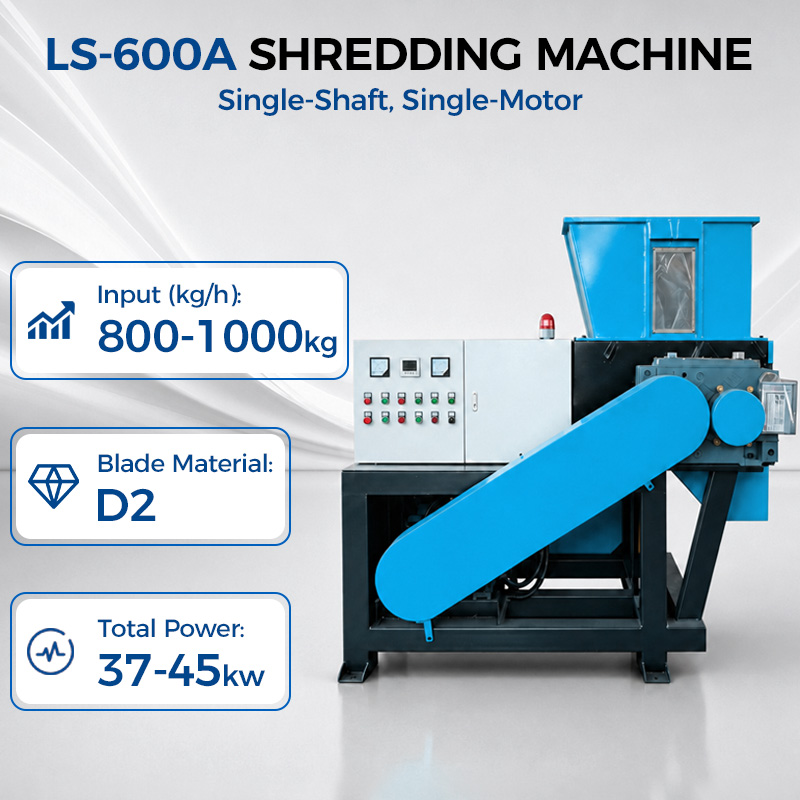
Quality and durability are paramount when evaluating industrial shredders, as they directly affect operational efficiency and maintenance costs. Look for machines constructed from high-grade materials, such as hardened steel for blades, which enhances longevity and reduces wear and tear. The design of the blades is also crucial; consider those with a robust geometry that can withstand the impact of shredding tough materials.

Manufacturers should provide information on their quality control processes, including testing protocols and certifications that ensure the equipment meets industry standards. Inquire about the warranty and after-sales service; a longer warranty period often indicates confidence in the product's durability. For instance, the LS-600B 22 kW Dual-Shaft Shredder for Waste Pre-Processing is known for its robust design and reliability.

Additionally, understand the maintenance requirements of the shredder. Regular maintenance routines, including blade sharpening and lubrication, are essential for maintaining performance. A reliable manufacturer will offer comprehensive service plans, ensuring that any issues can be promptly addressed, thus minimizing downtime.

Cost Savings on Industrial Shredders

Cost Savings on Industrial Shredders

Investing in an industrial shredder for metal can lead to significant cost savings in the long run. First, efficient shredding reduces waste disposal fees by maximizing the volume of material that can be processed. This is particularly important for businesses that generate large amounts of scrap metal.

Moreover, high-quality shredders often feature energy-efficient designs that reduce electricity costs. When evaluating potential savings, consider not just the initial purchase price but also the total cost of ownership, which includes maintenance, energy consumption, and potential downtime costs.

Another aspect to consider is the resale value of the shredder. Machines from reputable manufacturers typically retain their value better than lower-quality options. This can be an important factor if your needs change or if you plan to upgrade in the future.

Common Problems with Industrial Metal Shredders and Their Solutions

Common Problems with Industrial Metal Shredders and Their Solutions

Despite their robust design, industrial metal shredders can encounter various issues. One common problem is blade wear, which can lead to reduced shredding efficiency. Regular inspection and maintenance of blades are essential to avoid this issue. Ensure that you have a plan for timely blade replacements and sharpening, and consider investing in high-quality blades that require less frequent maintenance.

Another frequent issue is operational jams caused by foreign objects or oversized materials. To mitigate this, operators should be trained to recognize and prevent jams, and the shredder should be equipped with safety features that allow for quick shutdown in case of a blockage.

Power fluctuations can also affect shredder performance. Ensure that your facility's electrical supply is stable, and consider installing surge protection devices to safeguard the equipment. Working closely with the manufacturer for troubleshooting support can also help resolve issues quickly and efficiently.

A Step-by-Step Approach

To make an informed decision when purchasing an industrial shredder for metal, follow this step-by-step approach:

Define Your Requirements: Assess the types of metals you’ll process, the volume needed, and any specific capabilities like customization.

Research and Compare Manufacturers: Look for manufacturers with a strong reputation for quality and reliability. Evaluate their product offerings and support services.

Request Specifications and Quotes: Gather detailed specifications, pricing, and lead times from multiple suppliers. Ensure that all necessary features are included in the quotes.

Evaluate Samples: If possible, request a demonstration or sample shredding service to assess the machine's performance in real-world conditions.

Review Warranty and Support Options: Understand the warranty terms and after-sales support available. A reliable support system can significantly impact long-term satisfaction.

Finalize Your Purchase: Once you’ve chosen a supplier, prepare a detailed purchase order that includes all agreed specifications. Ensure that you have clear terms regarding delivery and installation.

By following this structured approach, you can confidently select an industrial shredder that meets your operational needs and provides long-term value. In summary, investing in an industrial shredder for metal is a critical decision that requires careful consideration of various factors, including specifications, quality, cost savings, and potential issues. By understanding these elements and following a systematic purchasing process, you can ensure that you make an informed choice that aligns with your business objectives.

What to Consider When Choosing an Industrial Shredder for Metal

When selecting an industrial shredder for metal, several factors must be evaluated to ensure it meets your operational needs. First, consider the type of metal you will be shredding—whether it's ferrous or non-ferrous, as this can influence the required power and blade design. The shredder’s capacity, typically measured in tons per hour, should align with your processing requirements. Additionally, you may want to consider machines like the LE-500B Electrostatic Separator for Copper and Plastic Recovery for effective metal separation.

Moreover, think about the dimensions of the shredder and how it will fit into your existing operational layout. The machine’s footprint, along with its height and width, can impact installation and maintenance procedures. Additionally, the power requirements, such as the horsepower of the motor, will affect energy consumption and operating costs.

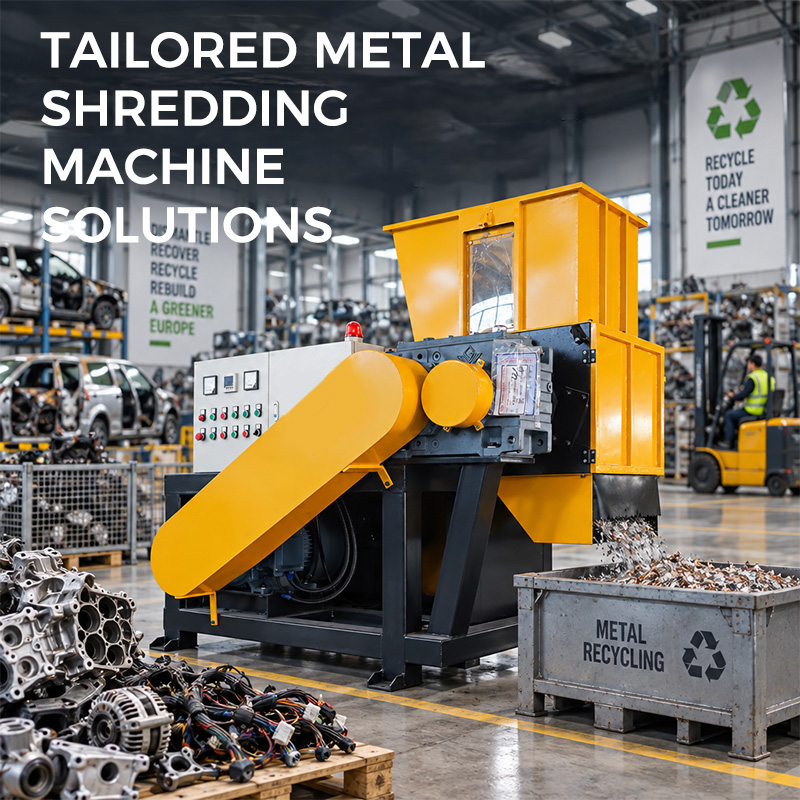
Customization options are also vital. Depending on your processing needs, you may require specific blade configurations or additional features like a magnetic separator for ferrous materials or an advanced control system for efficiency monitoring. Always discuss your specific requirements with the manufacturer to ensure the machine can be tailored to your needs.

Get a Free Quote

Tell us about your recycling needs, and our team will recommend the right equipment and solution for your project.
0/1000