Understanding Industrial Shredder Machines for Buyers

application/industrial-shredder-machine, application/industrial-shredder-machine, 
Inquiry
Inquiry

industrial shredder machine

Understanding industrial shredder machines is essential for businesses involved in recycling and waste management. These machines play a crucial role in reducing waste materials like cables and metals into smaller, manageable pieces. As a purchasing manager or product specialist, your primary concerns may include machine specifications, reliability, and how well the equipment meets your operational needs. This article will provide in-depth insights into industrial shredder machines, helping you make informed purchasing decisions.

Wholesale Purchasing Guide for Industrial Shredder Machines

Wholesale Purchasing Guide for Industrial Shredder Machines

When purchasing industrial shredder machines in bulk, consider the following steps to ensure a successful procurement process:

Define Your Requirements: Clearly outline the specifications you need, including shredding capacity, power, and material compatibility. This will help streamline communication with suppliers.

Request Multiple Quotations: Reach out to several manufacturers, including Hangzhou Lansing Machinery Co., Ltd., to compare prices and features. This will aid in identifying the best value for your investment.

Inquire About Customization: If your operation requires specific features or sizes, discuss customization options with potential suppliers. A reliable manufacturer should be able to accommodate your unique needs.

Check Minimum Order Quantities (MOQ): Different manufacturers may have varying MOQs. Ensure you can meet these requirements based on your purchasing strategy.

Review Lead Times: Understand the production and delivery timelines. This is crucial for planning your operations and ensuring that the shredder will be available when needed.

Evaluate After-Sales Support: Confirm the level of support offered post-purchase, including installation assistance, maintenance, and availability of spare parts.

Following these guidelines will help you navigate the wholesale purchasing process effectively, ensuring you acquire the right industrial shredder machine for your business.

Common Problems with Industrial Shredders and Their Solutions

Common Problems with Industrial Shredders and Their Solutions

Industrial shredders can encounter various issues that may affect their performance. Here are some common problems along with practical solutions:

Overheating: This can occur due to excessive material feed or lack of maintenance. Solution: Regularly clean the machine and monitor the feed rate. Implementing a cooling system may also help.

Dull Blades: Worn blades can lead to inefficient shredding and increased energy consumption. Solution: Schedule routine blade maintenance or replacement to ensure optimal cutting performance.

Jamming: This can happen if inappropriate materials are fed into the shredder. Solution: Implement strict material sorting procedures and educate operators on acceptable materials.

Vibration and Noise: Excessive vibration can indicate misalignment or loose components. Solution: Perform regular inspections and tighten any loose parts to maintain proper operation.

Electrical Failures: Electrical issues can disrupt operation. Solution: Ensure regular inspections of electrical components and consider investing in a surge protector to guard against power spikes.

Understanding these common problems and their solutions not only helps in maintaining the shredder’s efficiency but also extends its lifespan.

Where to Source Reliable Suppliers of Industrial Shredder Machines

Where to Source Reliable Suppliers of Industrial Shredder Machines

Finding reliable suppliers for industrial shredder machines is critical for ensuring product quality and after-sales support. Here are several strategies:

Industry Trade Shows: Attend trade shows dedicated to recycling and waste management. These events provide opportunities to meet manufacturers, see machines in action, and ask questions directly.

Online Marketplaces: Websites like Alibaba or Made-in-China can help you find manufacturers and read reviews from previous buyers. However, ensure to verify the credibility of suppliers before committing.

Industry Associations: Joining associations related to recycling and waste management can provide access to a network of reputable suppliers and industry insights.

Direct Manufacturer Contact: Reach out to manufacturers like Hangzhou Lansing Machinery Co., Ltd., known for their integrated manufacturing and global sales capabilities. Direct communication can clarify specifications, customization options, and support.

Referrals: Seek recommendations from industry peers who have experience with industrial shredders. Their insights can guide you to trustworthy suppliers.

By leveraging these resources, you can identify reliable suppliers that meet your specific needs for industrial shredders, including options for Wire Stripping Machines that complement your shredding processes.

Cost Factors to Consider When Buying Industrial Shredders in Bulk

Cost is a significant factor in purchasing industrial shredder machines. Here are key aspects to consider:

Unit Price: The base price of the machine is the most obvious cost. However, it's essential to compare features and specifications to determine overall value rather than just the lowest price.

Customization Costs: If you require specific modifications to the shredder, be sure to account for these additional costs in your budget.

Shipping and Handling: Bulk purchases may incur higher shipping costs. Discuss logistics with suppliers to understand all associated expenses, including customs duties if importing.

Installation Fees: Some manufacturers offer installation services, which may be an additional cost. Ensure to factor this into your total budget.

Maintenance and Spare Parts: Evaluate the long-term costs associated with maintenance and the availability of spare parts. Machines that are easier and cheaper to maintain may offer better value over time.

Operational Costs: Consider energy consumption and efficiency. Machines that consume less power can lead to lower operational costs in the long run.

Warranty and Support: A robust warranty and reliable after-sales support can save costs associated with repairs and downtime. Always clarify warranty terms before making a purchase.

By understanding these cost factors, you can develop a realistic budget for your industrial shredder machines and make informed purchasing decisions.

Understanding Industrial Shredder Machine Specifications for Buyers

When evaluating industrial shredder machines, it's important to understand key specifications that directly impact performance and suitability for your application. Key specifications include:

Shredding Capacity: Measured in tons per hour, this indicates how much material a shredder can process. A higher capacity is essential for operations dealing with large volumes of waste.

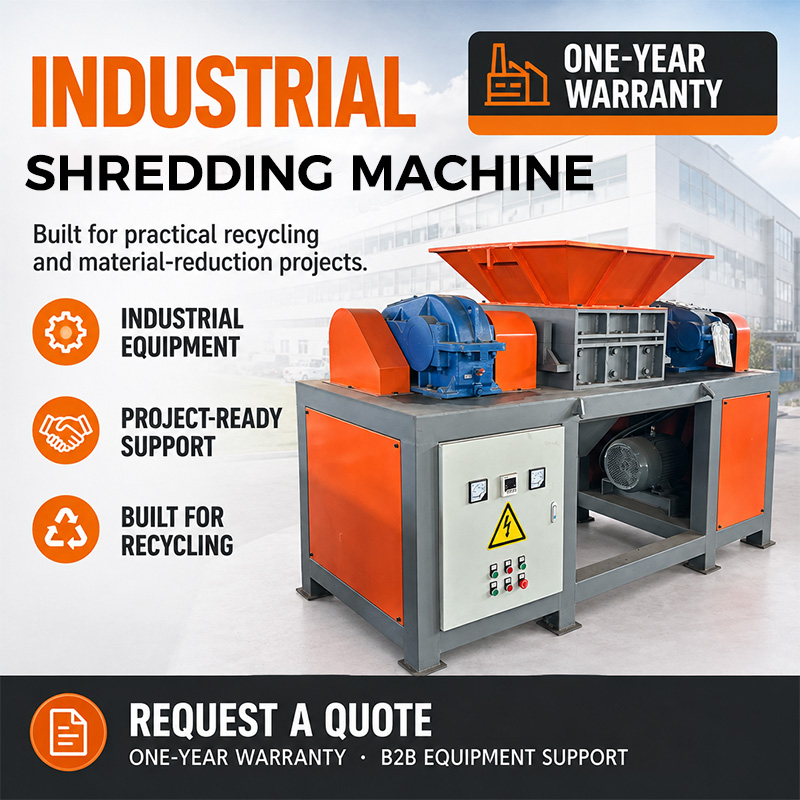
Cutting Mechanism: There are various cutting technologies, including single-shaft, double-shaft, and multi-shaft shredders. Each has its advantages depending on the type of material being processed. For example, double-shaft shredders are often used for tougher materials like metals and thick cables, such as those handled by a Shredding Machine.

Power Requirements: The motor power, typically measured in horsepower (HP), affects the shredding efficiency. Ensure the shredder’s power aligns with your operational needs to avoid underperformance.

Material Compatibility: Verify the materials that the shredder can handle, such as plastics, metals, or mixed materials. This ensures you select a machine that can process your specific waste types effectively. For instance, some machines are specifically designed for processing copper, like the Copper Granulator.

Dimensions and Weight: Consider the physical size and weight of the machine for installation and operational purposes. Larger machines may require more space and heavier foundations.

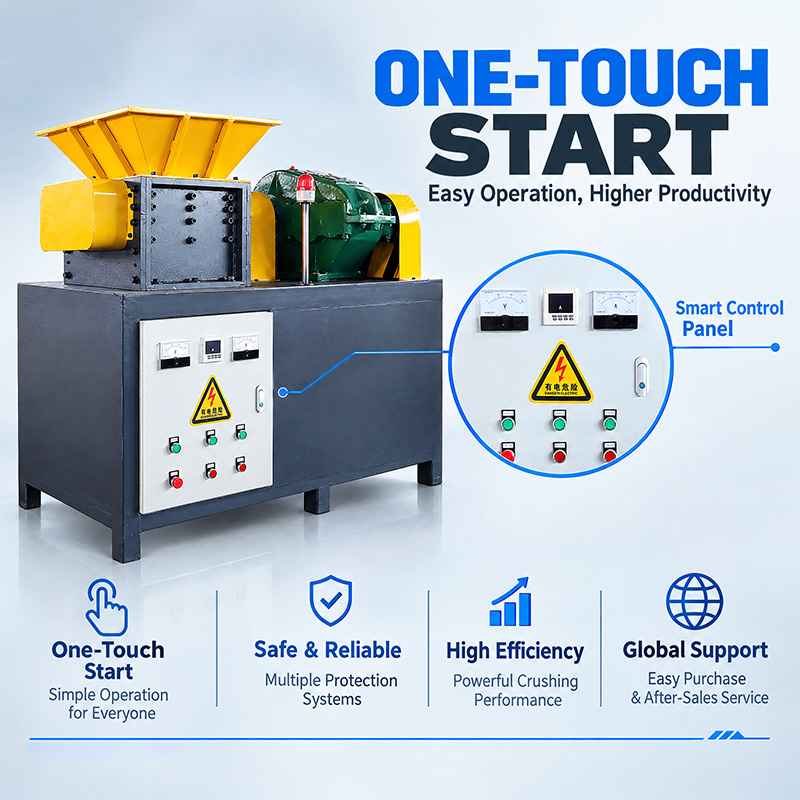
Safety Features: Look for machines equipped with emergency stop buttons, overload protection, and safety guards to ensure safe operation.

Understanding these specifications helps you assess whether a shredder meets your operational requirements and can efficiently manage your waste materials.

Get a Free Quote

Tell us about your recycling needs, and our team will recommend the right equipment and solution for your project.
0/1000