Choosing the Right Metal Scrap Shredder for Your Needs

application/metal-scrap-shredder, application/metal-scrap-shredder, 
Inquiry
Inquiry

metal scrap shredder

When considering a metal scrap shredder, businesses must focus on reliability, efficiency, and suitability for their specific recycling needs. A metal scrap shredder is essential in the recycling industry, designed to reduce bulky scrap metal into manageable sizes for processing and recycling. For purchasing managers and industrial buyers, understanding the key factors in selecting the right machine is critical for optimizing operations and ensuring a good return on investment. This article will guide you through the essential considerations for choosing a metal scrap shredder, how to evaluate suppliers, and what cost factors affect your purchasing decisions.

Key Specifications to Evaluate in Metal Scrap Shredders

Key Specifications to Evaluate in Metal Scrap Shredders

When purchasing a metal scrap shredder, it's important to gather comprehensive product specifications. Buyers should request details on the shredder’s dimensions, weight, and power requirements, as well as its operational features like noise levels and energy efficiency. Understanding the material construction of the shredder itself is essential; robust construction can lead to enhanced longevity, while lighter materials may impact performance. The LE-1200 Electrostatic Copper-Plastic Separator with Dust Collection is a great example of a well-constructed machine for specific recycling tasks.

Another important aspect to consider is the shredder’s maintenance requirements. Manufacturers often provide guidelines on routine maintenance schedules, spare parts availability, and after-sales support. Establishing a good relationship with your supplier can provide ongoing support, ensuring your shredder continues to operate at peak efficiency.

Before finalizing your purchase, it's advisable to request a sample or demonstration of the shredder in action. This allows buyers to assess the machine’s performance and capabilities directly, providing insight into how it will operate within your facility.

Where to Source Reliable Metal Scrap Shredders for Your Business

Where to Source Reliable Metal Scrap Shredders for Your Business

Finding a trustworthy supplier for metal scrap shredders involves thorough research. Start by exploring industry-specific trade shows and exhibitions where manufacturers showcase their latest equipment. Online platforms and directories can also provide a list of reputable suppliers. Look for companies with strong industry reputations, positive customer reviews, and a solid track record in after-sales support.

Additionally, consider suppliers that offer customization options tailored to your specific needs. Hangzhou Lansing Machinery Co., Ltd., for instance, specializes in providing customized solutions for recycling equipment, which can be particularly beneficial for businesses with unique processing requirements.

Networking with industry peers can also yield valuable recommendations for reliable suppliers. Engaging with forums and industry associations can help identify established players known for their quality and service.

Common Problems with Metal Scrap Shredders and Their Solutions

Common Problems with Metal Scrap Shredders and Their Solutions

When evaluating the cost of metal scrap shredders for bulk orders, several factors come into play. The initial purchase price is important, but it’s vital to consider the total cost of ownership, which includes installation, maintenance, and operational costs over the shredder's lifespan.

Volume discounts can significantly affect pricing; many suppliers offer better rates for larger orders. Additionally, consider the shipping costs, which may vary based on the supplier's location and your delivery requirements. It’s also wise to inquire about warranty terms and service agreements that can protect your investment.

Lastly, energy efficiency should not be overlooked. A shredder that consumes less energy can lead to substantial cost savings over time, making it a more economical choice in the long run.

Applications of Metal Scrap Shredders in Various Industries

To effectively source metal scrap shredders for your upcoming projects, begin by defining your specific needs. Consider the volume of scrap you expect to process, the type of materials, and any specific processing requirements. This will help narrow down the options available.

Once you have a clear understanding of your requirements, start reaching out to potential suppliers. Prepare a detailed request for quotation (RFQ) that includes specifications such as desired capacity, expected operational environment, and any customization needs. Providing as much detail as possible will help suppliers offer more accurate quotations.

During the sourcing process, don’t hesitate to ask for references or case studies from the supplier to evaluate their previous work. This can give you insights into their reliability and the effectiveness of their equipment in similar applications.

Finally, once you receive quotations, compare them not just on price but also on the value offered. This includes the quality of the machinery, the level of customer support provided, and any additional services like training or installation assistance. A model like the LX-400B 150-350kg/h Copper Wire Granulator with Cooling System might offer added value through its enhanced features.

By taking these steps, you can ensure that you select the right metal scrap shredder for your business, enhancing your recycling operations and maximizing efficiency.

What to Consider When Choosing a Metal Scrap Shredder for Wholesale

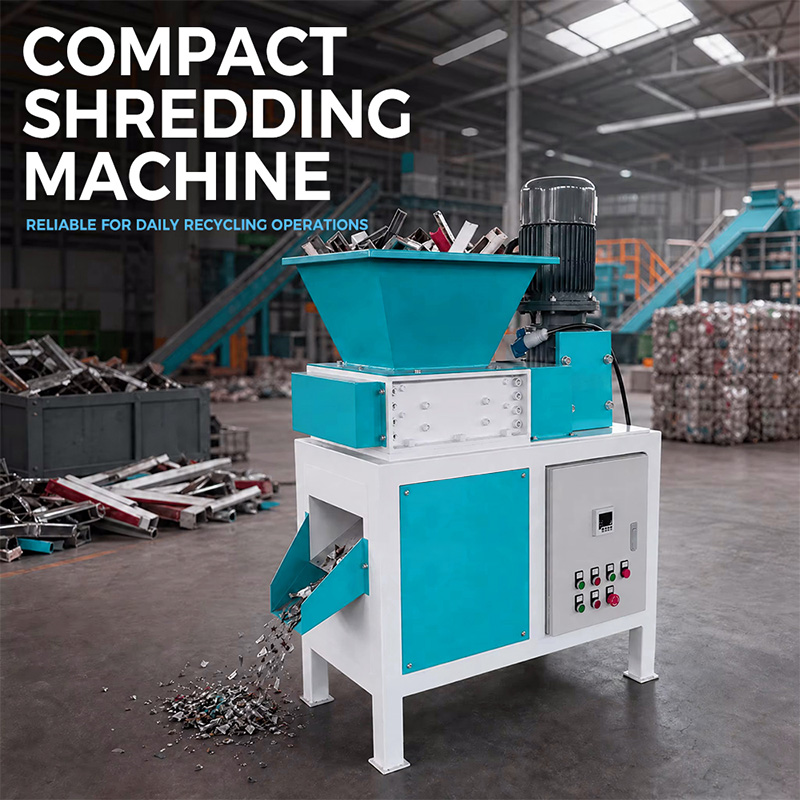
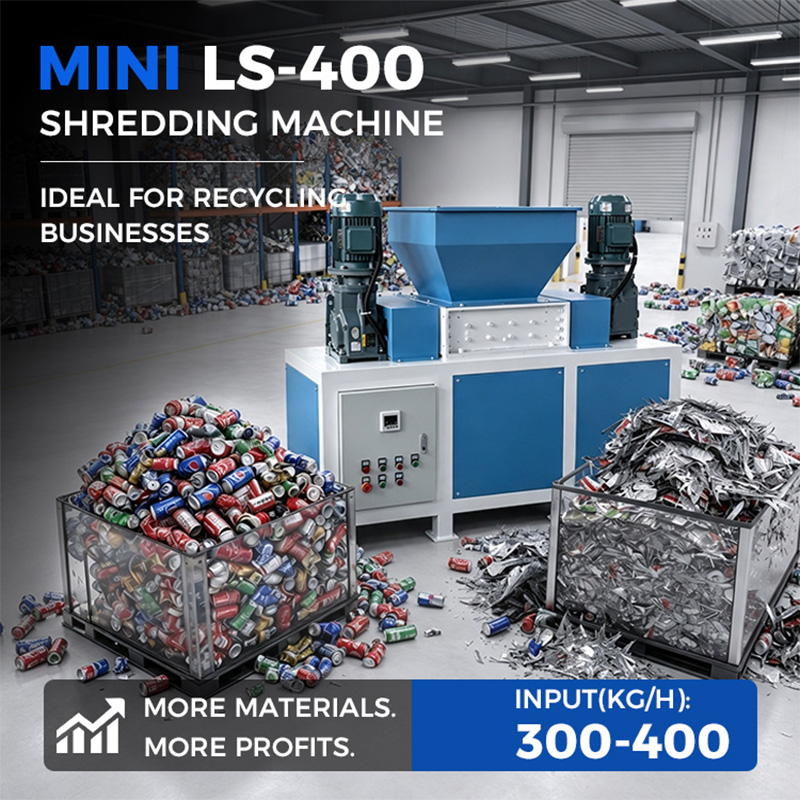
Selecting a metal scrap shredder involves several key considerations that impact performance, durability, and efficiency. First, assess the types of materials you intend to shred. Different shredders are designed for specific types of metal, such as ferrous or non-ferrous materials. The shredder’s capacity, measured in tons per hour, is another crucial factor. A model with higher throughput might be essential for larger operations, while smaller businesses may opt for models with lower capacities to match their processing needs. For instance, the LS-600B 22 kW Dual-Shaft Shredder for Waste Pre-Processing can handle larger volumes effectively.

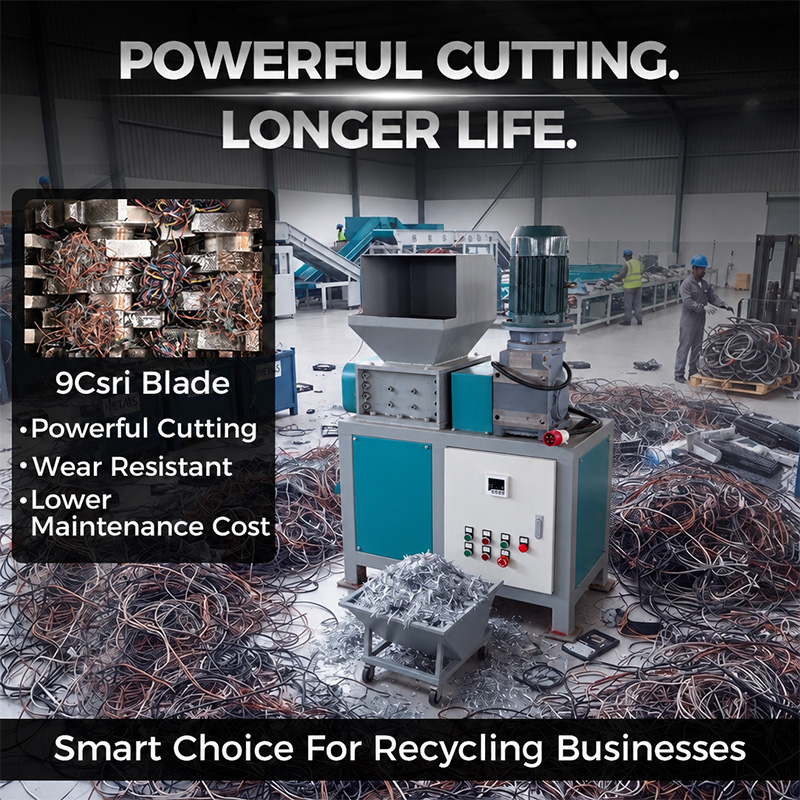
Additionally, consider the shredder’s cutting technology. Features such as blade material, configuration, and the ability to adjust cutting size can significantly affect shredder performance. For instance, high-carbon steel blades may offer better durability and longer service life, while adjustable blade configurations can allow for versatility in processing various scrap sizes.

Quality assurance is also vital when choosing a shredder; check whether the supplier adheres to recognized industry standards and certifications. This can provide confidence in the machine's design and operational safety, reducing potential downtime and maintenance costs.

Get a Free Quote

Tell us about your recycling needs, and our team will recommend the right equipment and solution for your project.
0/1000