Reliable Copper Wire Chopper Granulators for Recycling

application/copper-wire-chopper-granulator, application/copper-wire-chopper-granulator, 
Inquiry
Inquiry

copper wire chopper granulator

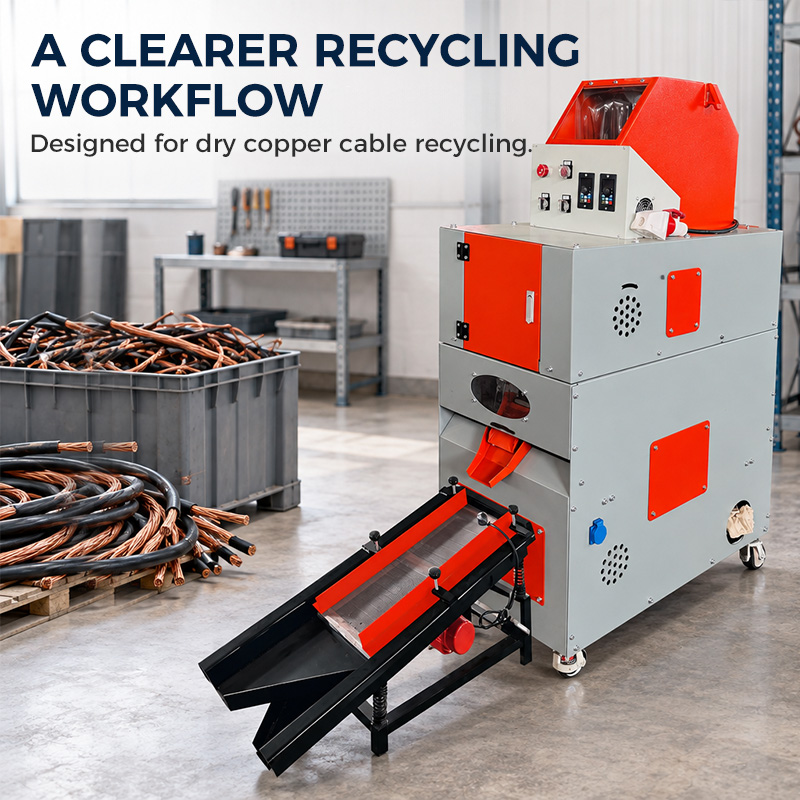
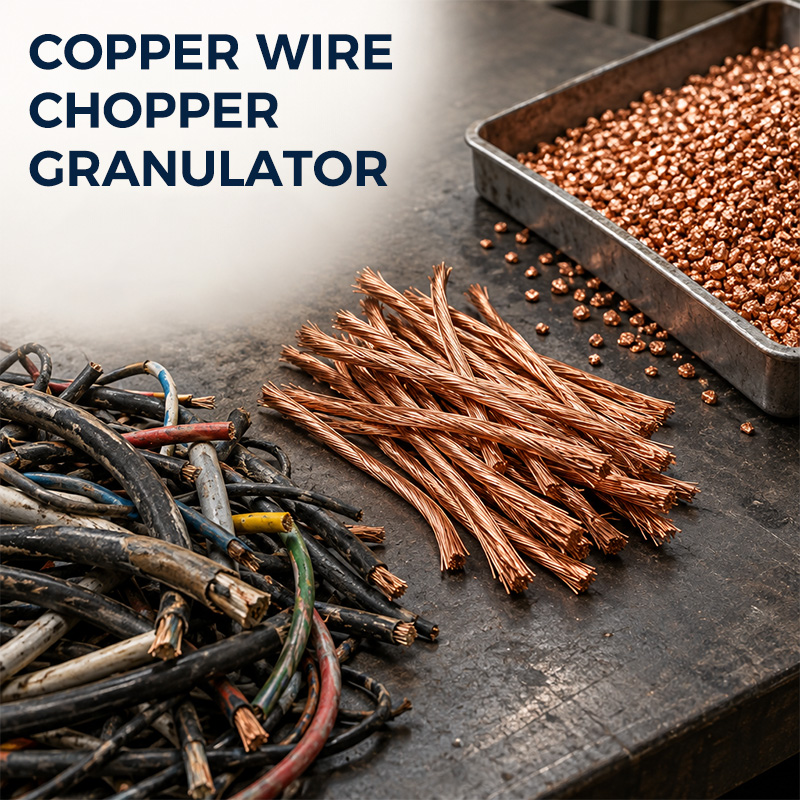
Copper wire chopper granulators are essential machines designed to efficiently process waste cables, converting them into valuable materials for recycling. As a B2B buyer, understanding the nuances of these granulators is crucial for making informed purchasing decisions. This article addresses key considerations such as quality evaluation, sourcing strategies, common operational issues, applications, and comparison criteria that can help purchasing managers, distributors, and engineers in their decision-making process.

Where to Source Reliable Copper Wire Chopper Granulators Wholesale

Where to Source Reliable Copper Wire Chopper Granulators Wholesale

Sourcing copper wire chopper granulators can be done through several channels:

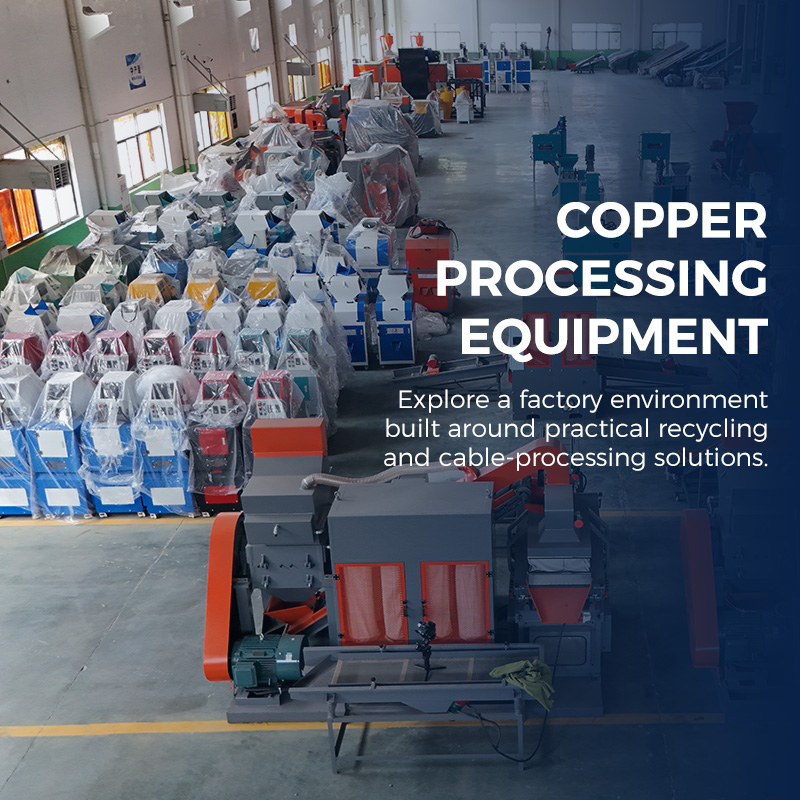
Manufacturers: Directly purchasing from manufacturers like Hangzhou Lansing Machinery Co., Ltd. offers the advantage of customized solutions and potential cost savings on bulk orders. Manufacturers often have a comprehensive understanding of their products and can provide insights into specific configurations.

Distributors: Established distributors can offer a variety of brands and models, providing a broader selection. When choosing a distributor, check their reputation and the range of services they provide, including after-sales support.

Trade Shows and Expos: Attending industry-specific trade shows can provide opportunities to view machines in action, speak with manufacturers, and compare different models firsthand. This can also facilitate networking opportunities with suppliers and industry professionals.

Online Marketplaces: Platforms like Alibaba or Made-in-China can connect buyers with suppliers globally. However, it’s crucial to verify the credibility of the seller through reviews, ratings, and possibly third-party inspections.

Common Problems with Copper Wire Chopper Granulators and Solutions

Common Problems with Copper Wire Chopper Granulators and Solutions

Understanding common issues that arise with copper wire chopper granulators can help mitigate downtime and enhance productivity:

Clogging: This can occur if the feed material contains excessive moisture or insulation residue. Adopting a pre-shredding process can help ensure that the material is dry and free from contaminants before entering the granulator. For effective pre-shredding, machines like the MINI LS-400 Dual-Shaft Cable and Scrap Shredder can be very beneficial.

Blade Wear and Tear: Over time, blades will dull, affecting cutting efficiency. Regular maintenance, including blade sharpening and replacement, is essential. Buyers should establish a routine maintenance schedule and keep a stock of replacement blades.

Electrical Failures: Electrical components can fail due to overload or improper installation. It’s vital to ensure that the machine is correctly rated for the electrical supply and periodically check connections and components for wear.

Vibration Issues: Excessive vibration can indicate misalignment or imbalance within the machine. Regularly inspecting the installation site and ensuring that the granulator is level can prevent these issues.

Applications of Copper Wire Chopper Granulators in Recycling Projects

Applications of Copper Wire Chopper Granulators in Recycling Projects

Copper wire chopper granulators play a vital role in various recycling projects:

E-Waste Recycling: As electronic devices reach the end of their life cycle, they often contain valuable metals, including copper. Chopper granulators help efficiently recover these metals from waste cables.

Automotive Recycling: Old vehicles often contain a significant amount of copper wiring. Chopper granulators facilitate the recycling of these materials, contributing to sustainable practices within the automotive industry.

Construction and Demolition: During the demolition of buildings, copper wiring is frequently removed. Granulators help process this scrap efficiently, making it easier to reclaim valuable materials.

Industrial Applications: Factories and manufacturing plants generate scrap copper from various processes. A copper wire chopper granulator can streamline the recycling of this material, promoting sustainable practices in manufacturing.

Comparing Different Copper Wire Chopper Granulators for Your Needs

When comparing different copper wire chopper granulators, consider the following factors:

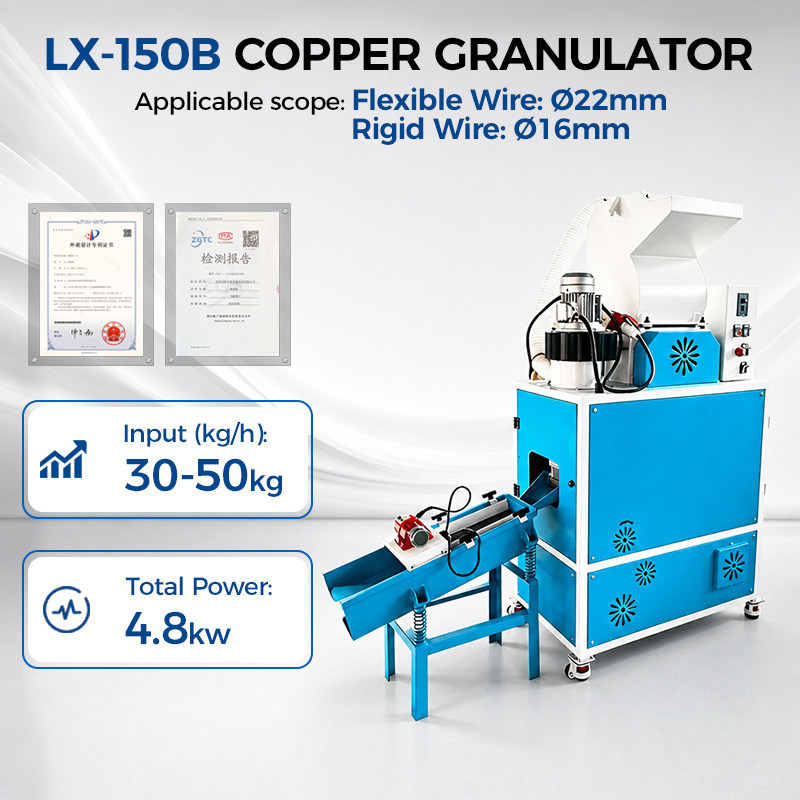
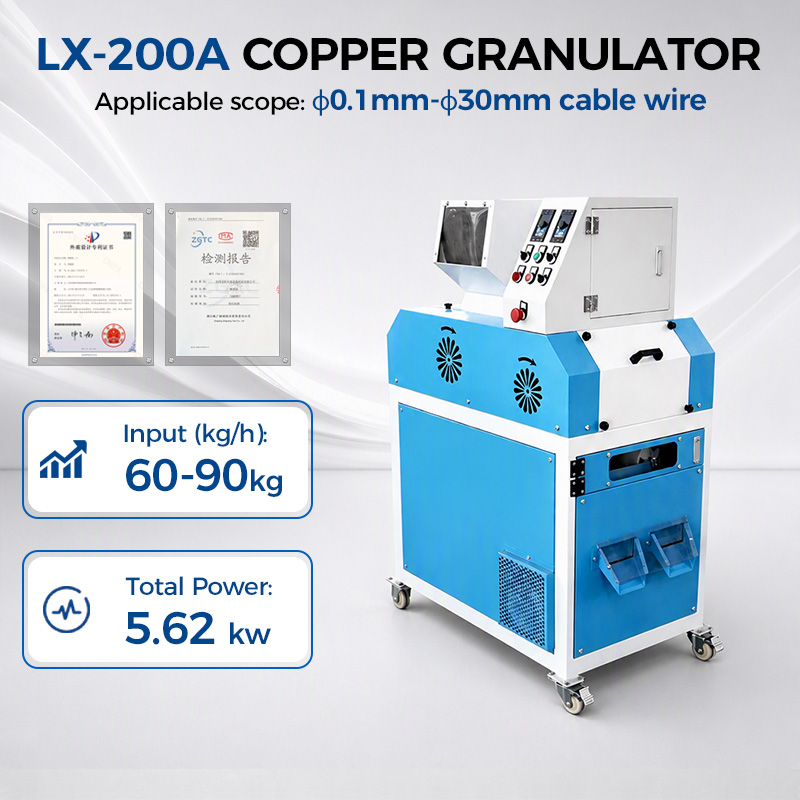
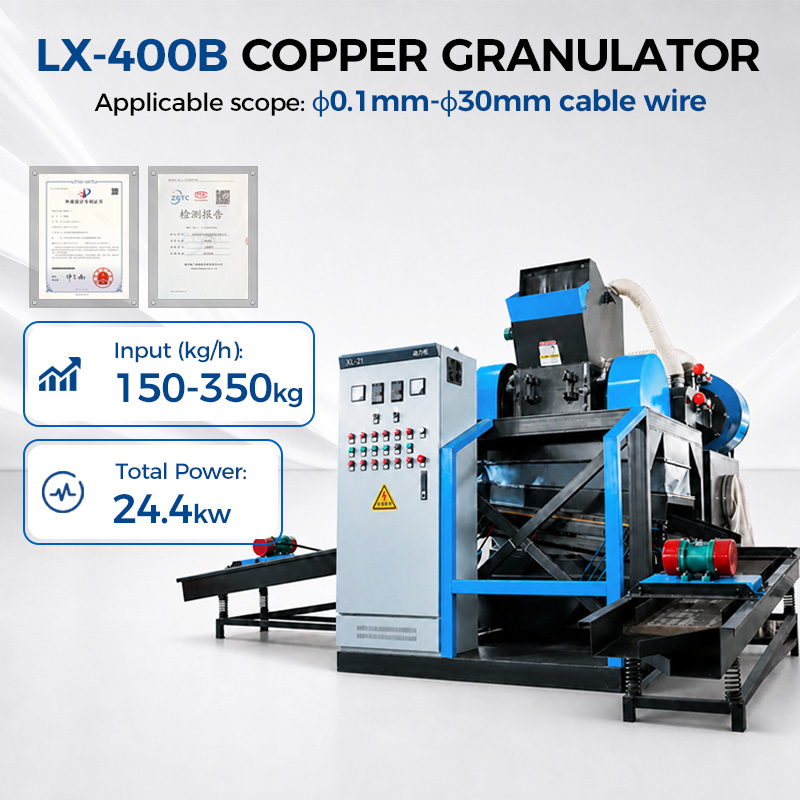
Specifications: Look closely at the technical specifications, including power consumption, processing capacity, and dimensions. Ensure the model fits within your operational space and meets your production needs.

Customization Options: Some manufacturers, including Hangzhou Lansing Machinery Co., Ltd., may offer customization options tailored to specific applications. Discuss your operational requirements to see if the manufacturer can modify the machine to suit your needs.

Warranty and Support: Evaluate the warranty period and the level of customer support provided by the manufacturer. A longer warranty and responsive support can provide peace of mind in case of operational issues.

User Reviews and Case Studies: Research user feedback and case studies to understand how different models perform in real-world applications. This information can be invaluable in identifying potential strengths and weaknesses of specific machines.

Total Cost of Ownership: Beyond the initial purchase price, consider factors such as energy costs, maintenance expenses, and the expected lifespan of the equipment. A lower initial cost may not always result in savings over time if the machine requires frequent repairs or consumes excessive energy.

By thoroughly evaluating these aspects, buyers can make informed decisions when selecting a copper wire chopper granulator that meets their specific needs and operational goals.

How to Evaluate the Quality of Copper Wire Chopper Granulators

When assessing the quality of copper wire chopper granulators, several key specifications should be considered:

Material Construction: High-quality granulators are typically constructed from durable steel, which enhances longevity and resistance to wear. Buyers should inquire about the gauge and type of steel used, as this can significantly impact the machine's durability and performance.

Cutting Efficiency: Examine the blade types and materials used in the granulator. High-speed steel (HSS) or tungsten carbide blades tend to offer better cutting performance and longevity. The design of the blades should ensure a consistent and uniform cut, which is crucial for effective processing.

Production Capacity: Buyers should consider the granulator’s processing capacity, typically measured in kilograms per hour. This figure should align with the buyer’s operational needs. An undersized machine can lead to bottlenecks, while an oversized unit might result in unnecessary capital expenditure.

Power Consumption: Evaluate the energy efficiency of the granulator. Machines that consume less power while maintaining high output can lead to significant cost savings in the long run. For instance, models like the LX-300A 100-150kg/h Copper Wire Granulator for Scrap Cables are designed with energy efficiency in mind.

Quality Control Processes: Understand the manufacturer’s quality control protocols. A reputable manufacturer will have stringent testing procedures in place to ensure that each unit meets performance standards before shipment.

Get a Free Quote

Tell us about your recycling needs, and our team will recommend the right equipment and solution for your project.
0/1000