Key Specifications of Copper Chopper Machines

application/copper-chopper-machine, application/copper-chopper-machine, 
Inquiry
Inquiry

copper chopper machine

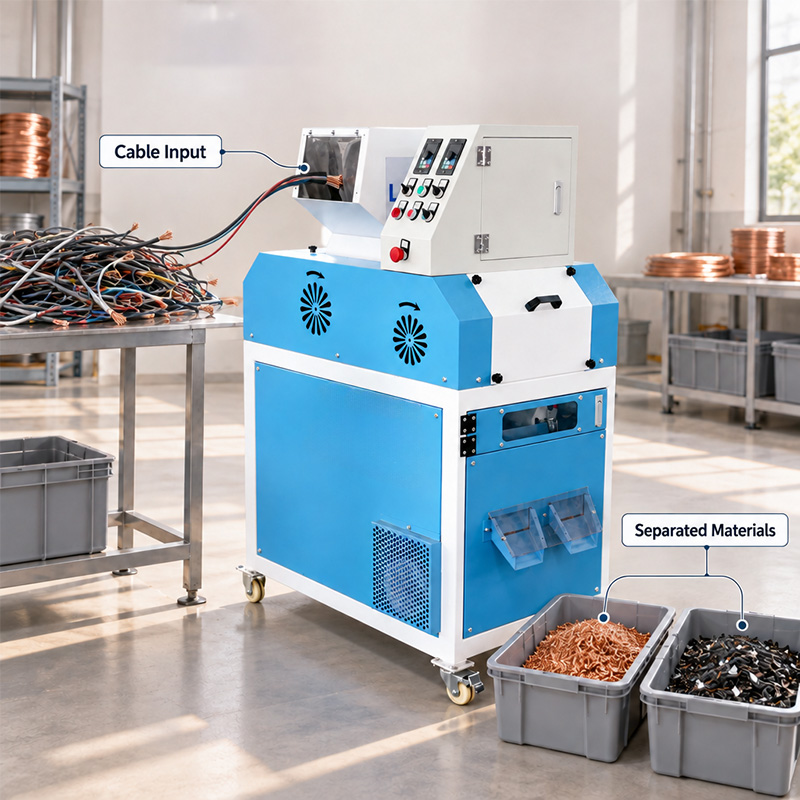
A copper chopper machine is a specialized piece of equipment designed to efficiently process and recycle copper from various waste materials, such as cables and wires. For B2B buyers, the primary concerns when considering a copper chopper machine include its specifications, cost factors, and operational reliability. This article will provide an in-depth understanding of key specifications, cost considerations, common operational issues, applications within the recycling industry, and practical tips for wholesale purchasing.

Understanding the Cost Factors of Copper Chopper Machines for Bulk Orders

Understanding the Cost Factors of Copper Chopper Machines for Bulk Orders

The cost of copper chopper machines can vary significantly based on several factors. When purchasing in bulk, it's essential to consider the following:

Unit Price: The basic price per unit will often decrease with larger orders due to economies of scale. However, this may not be the only cost to consider.

Shipping and Handling: For bulk orders, shipping costs can add up quickly. Buyers should inquire about shipping options, potential discounts for bulk shipments, and any additional handling fees.

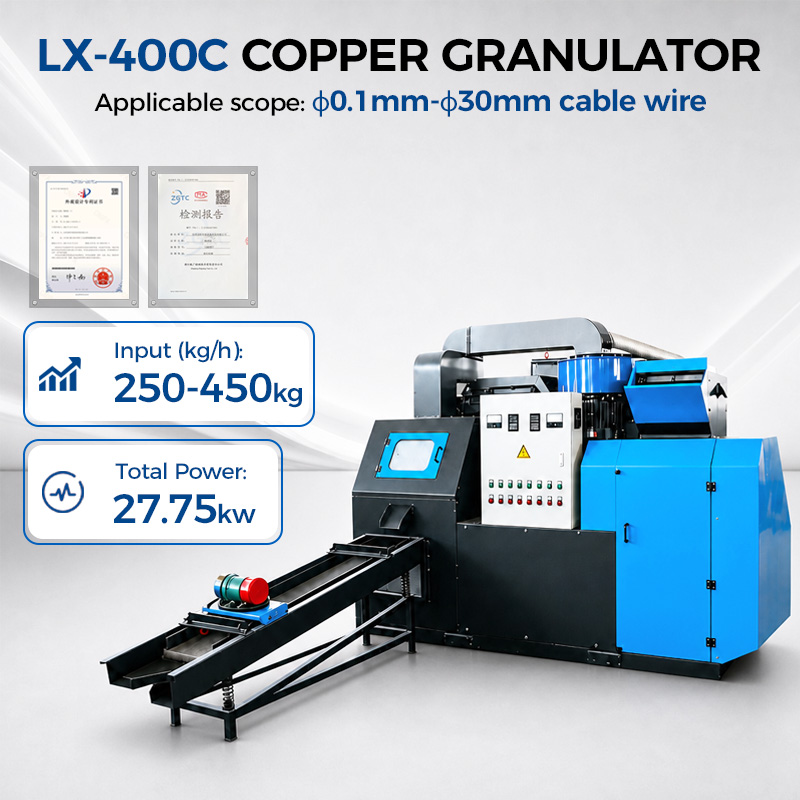
Customization Costs: If custom features are required, these can increase the overall cost. It’s advisable to get detailed quotes that break down the costs associated with customization, particularly if considering options like the LX-400C 250-450kg/h Fully Enclosed Copper Wire Granulator.

Payment Terms: Different suppliers may offer various payment terms, which can affect cash flow. Understanding these terms upfront can help in budgeting for the purchase.

Operational Costs: Consideration should also be given to the operational costs associated with each machine, including energy consumption, maintenance, and parts replacement over time. A machine with a lower initial cost may incur higher operational expenses, affecting the total cost of ownership.

By understanding these cost factors, buyers can make informed financial decisions and ensure they are getting the best value for their investment.

Common Problems with Copper Chopper Machines and Their Solutions

Common Problems with Copper Chopper Machines and Their Solutions

Despite their efficiency, copper chopper machines can encounter operational issues. Here are some common problems and their solutions:

Jamming: This is one of the most frequent issues, often caused by oversized materials or improper feeding. To prevent jamming, operators should ensure that materials are adequately prepared and fed according to the machine’s specifications.

Wear and Tear of Blades: Over time, blades can dull or sustain damage, leading to reduced efficiency. Regular maintenance and timely replacement of blades are crucial for maintaining optimal performance.

Motor Overload: If the machine is subjected to excessive loads, the motor may overheat or fail. Ensuring the motor is appropriately rated for the intended workload can prevent this issue.

Electrical Issues: Faulty wiring or electrical components can lead to operational failures. Regular inspections and maintenance of electrical systems can help identify and rectify potential issues before they escalate.

Inconsistent Output: Variability in the output size of processed materials can occur due to changing material types or machine settings. Calibration adjustments and regular testing can help maintain consistent output quality.

By recognizing these common problems and implementing preventative measures, buyers can enhance the longevity and reliability of their copper chopper machines.

Applications of Copper Chopper Machines in the Recycling Industry

Applications of Copper Chopper Machines in the Recycling Industry

Copper chopper machines play a vital role in the recycling industry by enabling the efficient recovery of copper from various waste sources. Here are some common applications:

Cable Recycling: One of the most prominent uses of copper chopper machines is in cable recycling. These machines can effectively strip copper from insulated cables, allowing for the recovery of high-purity copper for resale.

Electronic Waste Processing: In addition to cables, these machines can process other electronic waste that contains copper, such as circuit boards and connectors. This application helps reduce electronic waste and recover valuable metals.

Automotive Recycling: Copper is commonly found in automotive wiring and components. Chopper machines can efficiently extract copper from scrap vehicles, contributing to sustainable automotive recycling practices. The MINI LS-400 Dual-Shaft Cable and Scrap Shredder is a great example of machinery used in this process.

Construction and Demolition Waste: Copper chopper machines can also be employed to recycle copper from construction debris, like plumbing and electrical wiring, further supporting green building initiatives.

Industrial Scrap: Many industries generate copper scrap in various forms. Chopper machines can handle this scrap efficiently, facilitating its recycling into new products.

These applications highlight the versatility and importance of copper chopper machines in promoting sustainable recycling practices across multiple sectors.

Wholesale Purchasing Tips for Copper Chopper Machines for Distributors

For distributors looking to purchase copper chopper machines in bulk, several strategies can enhance the purchasing experience:

Request Detailed Quotations: When approaching suppliers, request comprehensive quotes that include all potential costs—unit price, shipping, customization, and any additional fees. This transparency helps in comparing offers from different manufacturers.

Evaluate Supplier Reputation: Research potential suppliers to ensure they have a solid reputation in the industry. Look for reviews, testimonials, and case studies that demonstrate their reliability and product performance.

Inspect Samples: Before finalizing a bulk order, request a sample machine to evaluate its performance and quality. Testing the machine under operational conditions can help confirm its suitability.

Negotiate Terms: Don’t hesitate to negotiate payment terms, delivery schedules, and warranty agreements. A favorable agreement can enhance the overall value of the purchase.

Plan for After-Sales Support: Consider the level of after-sales support offered by the supplier. Reliable support can be invaluable for addressing any issues that arise post-purchase.

By following these tips, distributors can make informed purchasing decisions and establish successful long-term relationships with manufacturers of copper chopper machines.

Key Specifications for Choosing the Right Copper Chopper Machine

When selecting a copper chopper machine, buyers should evaluate several key specifications that can significantly impact performance and suitability for specific recycling tasks.

Processing Capacity: This refers to the amount of material the machine can process within a given time frame, typically expressed in kilograms per hour. Understanding your volume needs will help you choose a machine that can keep up with production demands.

Motor Power: The power of the motor affects the efficiency and effectiveness of the chopper. A higher wattage motor typically means better performance, especially when processing tougher materials. Buyers should consider the type of copper waste they will be processing to ensure the machine’s motor power is adequate.

Cutting Mechanism: The design and material of the cutting blades are crucial for achieving optimal results. Blades made from high-carbon steel or other durable materials can enhance longevity and cutting efficiency. Buyers should inquire about the blade design to ensure it matches their recycling requirements.

Dimensions and Weight: Space considerations in your facility will dictate the size of the machine you can accommodate. Additionally, the weight can affect the machine's stability during operation.

Safety Features: Safety is paramount in any industrial setting. Features such as emergency stop buttons, safety guards, and overload protection should be standard. Ensure the machine complies with local safety regulations.

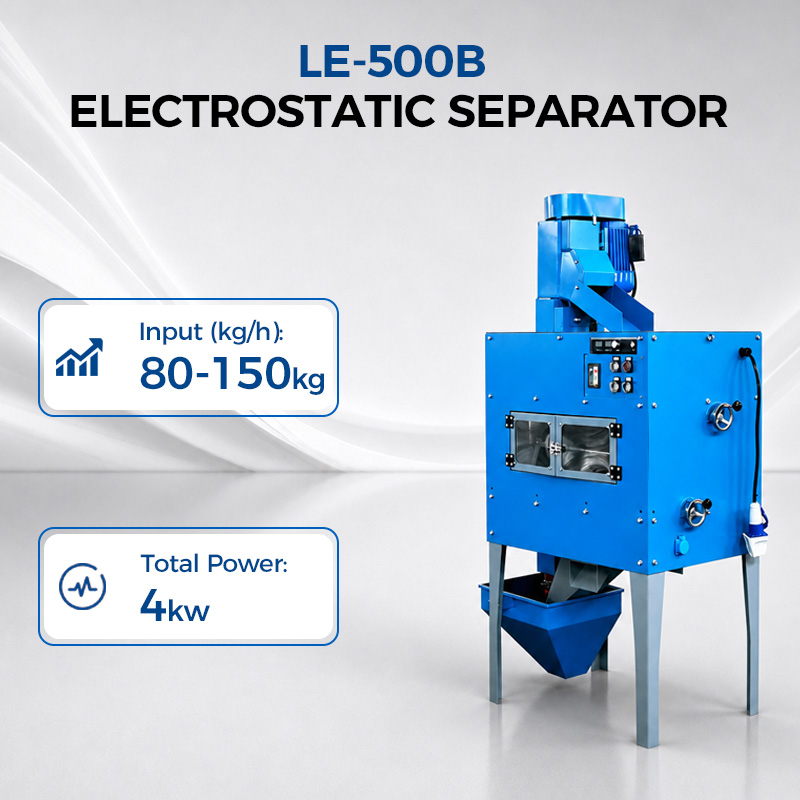
Custom Features: Depending on the specific needs of the recycling operation, buyers may require custom features such as adjustable cutting sizes or specialized feeding mechanisms. Discussing customization options with the manufacturer can lead to a more efficient operation. For instance, the LE-500B Electrostatic Separator for Copper and Plastic Recovery offers such customizable options.

Understanding these specifications helps buyers evaluate various copper chopper machines and select the most suitable option for their recycling needs.

Get a Free Quote

Tell us about your recycling needs, and our team will recommend the right equipment and solution for your project.
0/1000