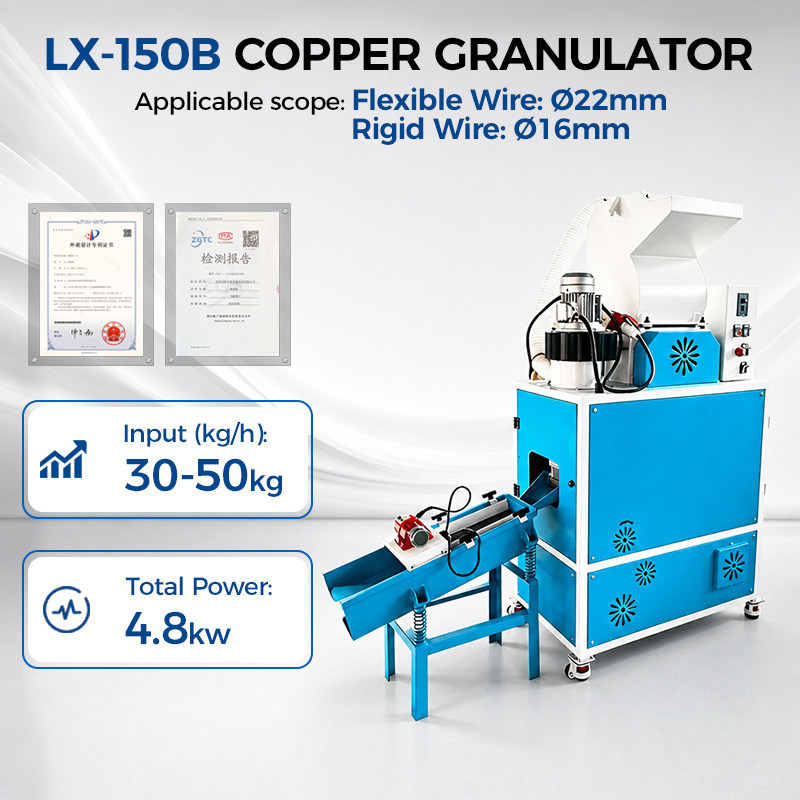
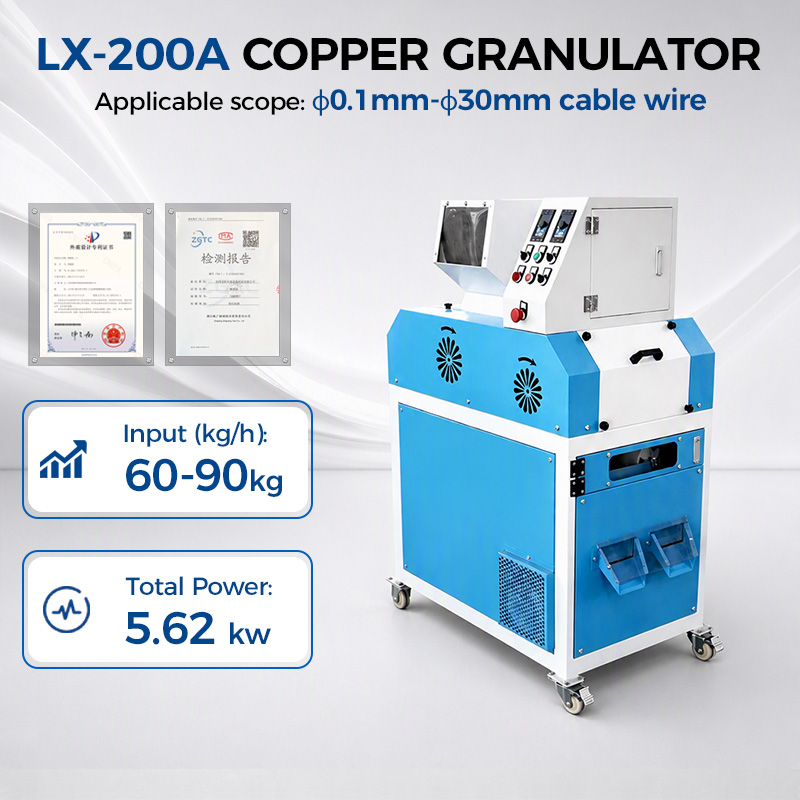
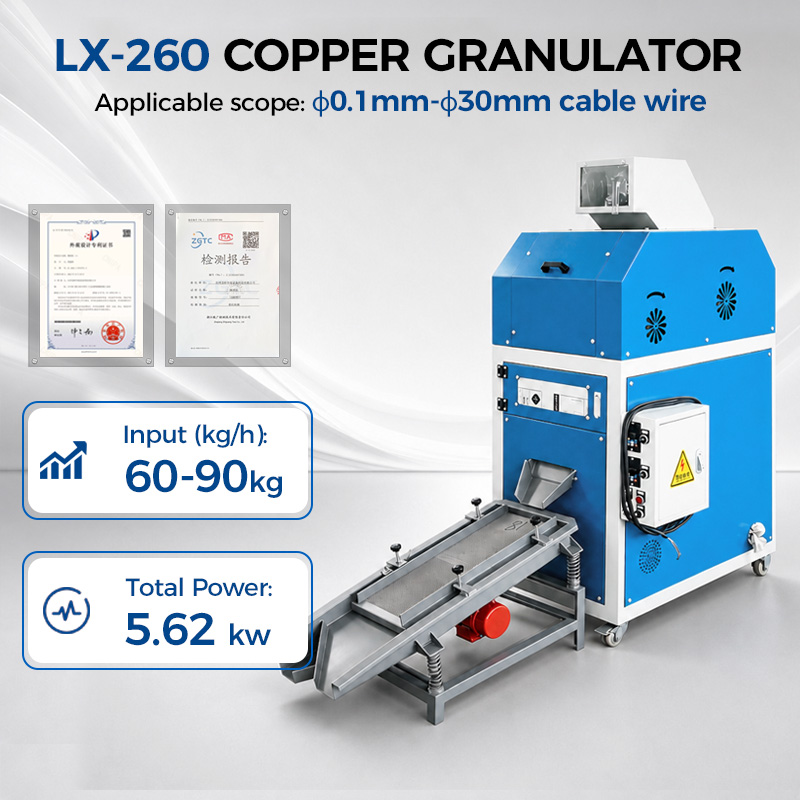
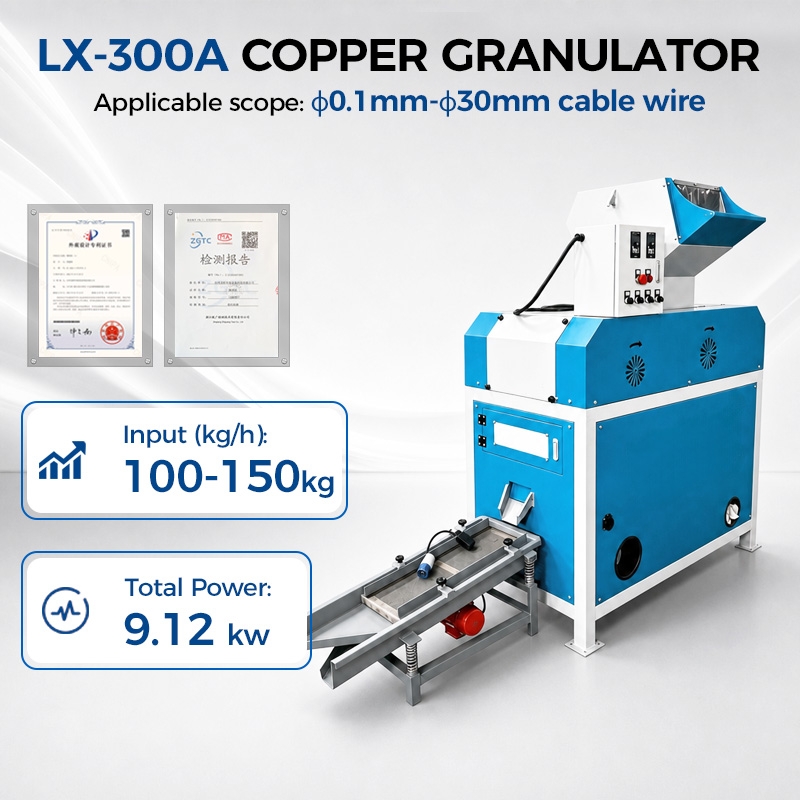
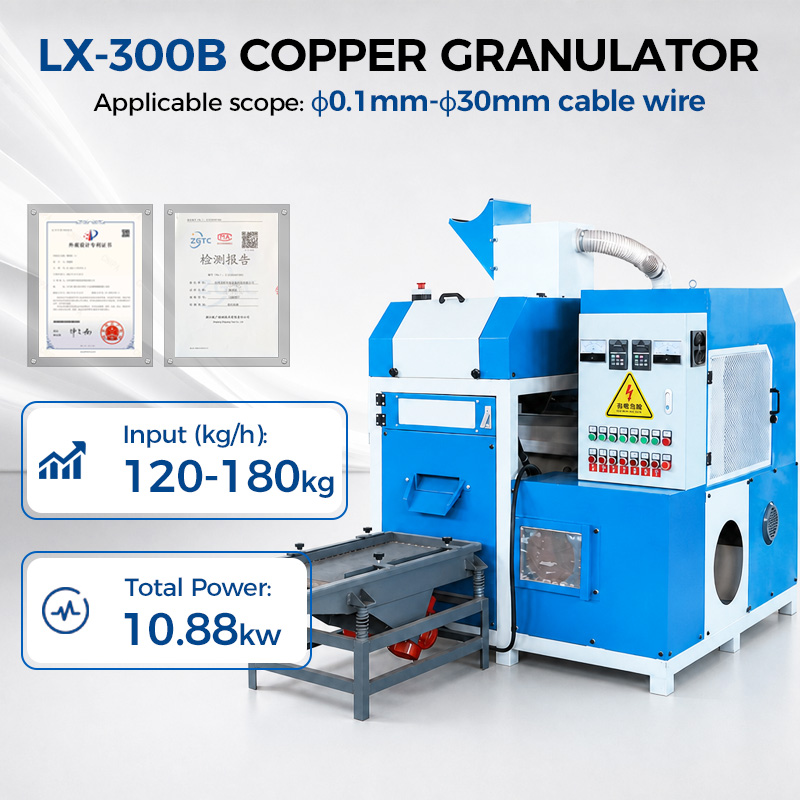
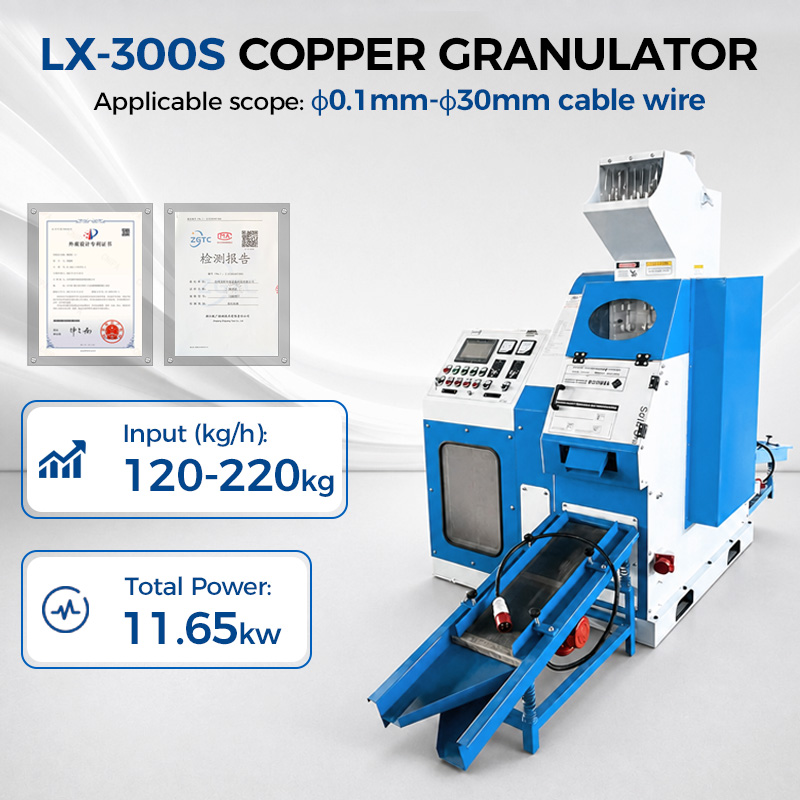
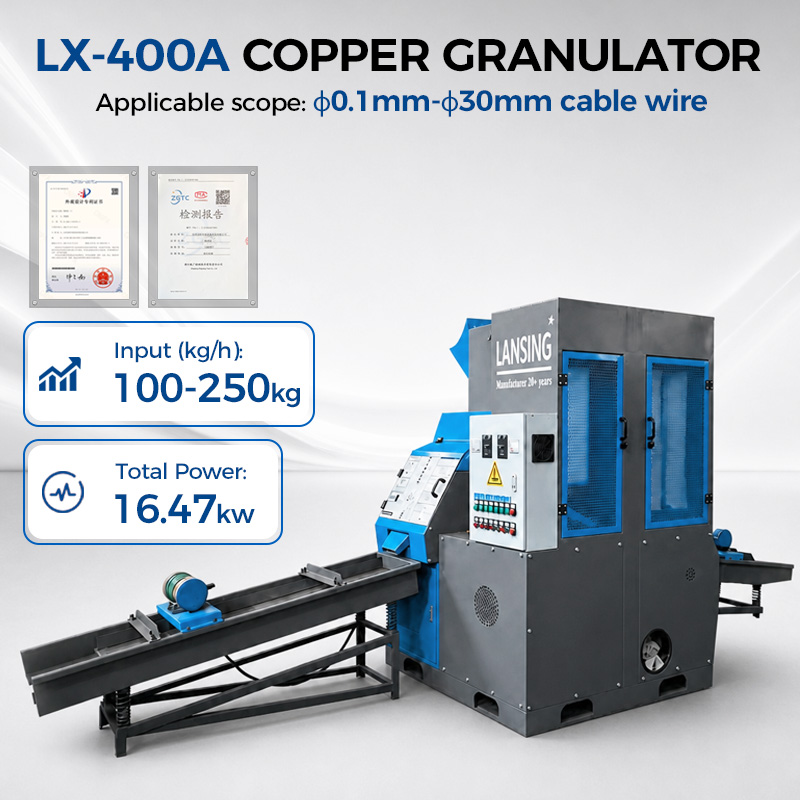
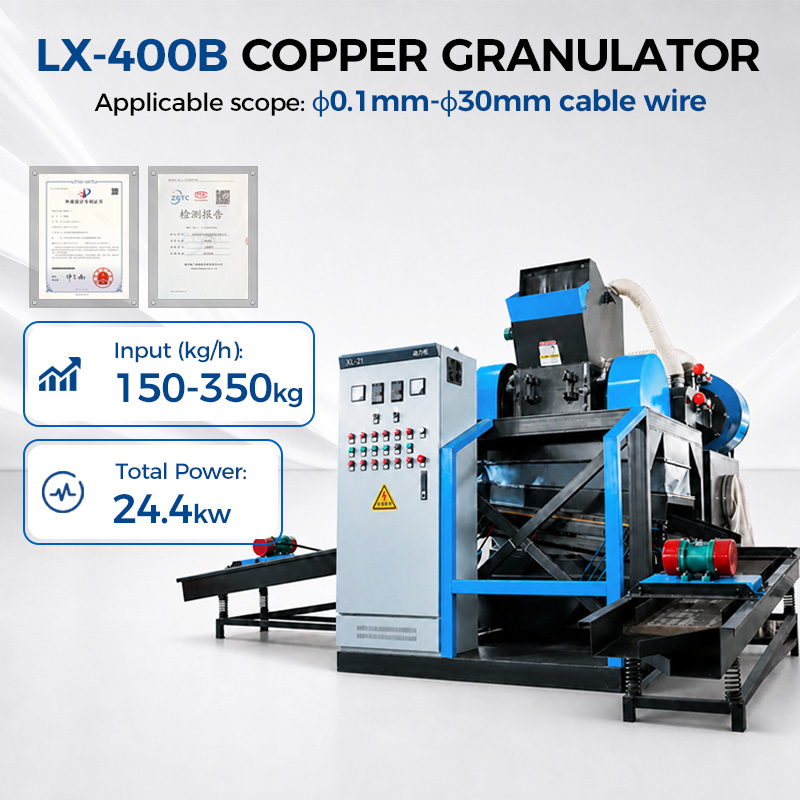
Key Specifications for Copper Cable Granulators

application/copper-cable-granulator, application/copper-cable-granulator, 
Inquiry
Inquiry

copper cable granulator

Copper cable granulators are specialized machines designed to efficiently recycle copper from waste cables and other metal products. For B2B buyers such as purchasing managers and industrial engineers, understanding the key specifications and operational guidelines for copper cable granulators is crucial. This article will provide insights into evaluating these machines, the advantages of copper in recycling, quality control measures in manufacturing, and performance evaluations. By gaining a better understanding of these factors, you will be better equipped to make informed purchasing decisions.

Installation Guidelines for Efficient Copper Cable Granulator Use

Installation Guidelines for Efficient Copper Cable Granulator Use

Proper installation of a copper cable granulator is crucial for its performance and longevity. Here are key guidelines to follow:

Site Preparation: Ensure that the installation site is prepared to accommodate the granulator's dimensions, including adequate space for maintenance access. The ground should be level and sturdy enough to support the weight of the machinery.

Electrical Requirements: Confirm that the electrical supply matches the machine's specifications. Utilize a qualified electrician to ensure that all wiring adheres to local codes and standards.

Ventilation and Dust Extraction: Install adequate ventilation systems to manage dust generated during operation. This not only protects the operator but also enhances the machine's efficiency.

Calibration and Testing: After installation, calibrate the machine according to the manufacturer’s specifications. Run initial tests to ensure that it operates correctly and efficiently.

Training for Operators: Provide thorough training for all operators on the machine’s functionalities, safety procedures, and maintenance requirements to maximize efficiency and safety during operation.

By adhering to these installation guidelines, you can help ensure that your copper cable granulator operates at peak efficiency from the start.

Advantages of Copper in Cable Recycling Applications

Advantages of Copper in Cable Recycling Applications

Copper is a highly sought-after material in recycling due to its numerous advantages:

High Conductivity: Copper's excellent electrical conductivity makes it ideal for various electrical applications. Recycling copper maintains its properties, ensuring it can be reused in high-performance applications.

Sustainability: Recycling copper reduces the need for mining new copper, significantly lowering the environmental impact associated with extraction processes. This makes it a more sustainable choice in manufacturing.

Economic Value: The market demand for recycled copper is high, often fetching prices close to that of newly mined copper. This economic incentive encourages efficient recycling practices.

Versatility: Recycled copper can be used in numerous applications, including electrical wiring, plumbing, and construction materials, making it a valuable commodity in various industries.

Reduced Waste: By recycling copper, businesses can significantly reduce their waste footprint while contributing to a circular economy.

These advantages not only enhance the profitability of recycling operations but also support sustainable practices in the manufacturing and industrial sectors.

Quality Control Measures for Copper Cable Granulator Manufacturing

Quality Control Measures for Copper Cable Granulator Manufacturing

Quality control is essential in the manufacturing of copper cable granulators to ensure reliability and efficiency. Key measures include:

Material Inspection: All raw materials should undergo rigorous testing to verify that they meet established quality standards. This includes checking for defects in structural components and ensuring that electrical components are reliable.

In-Process Quality Checks: Implement continuous monitoring throughout the manufacturing process. This can involve checking tolerances, dimensions, and assembly integrity to detect any potential issues early.

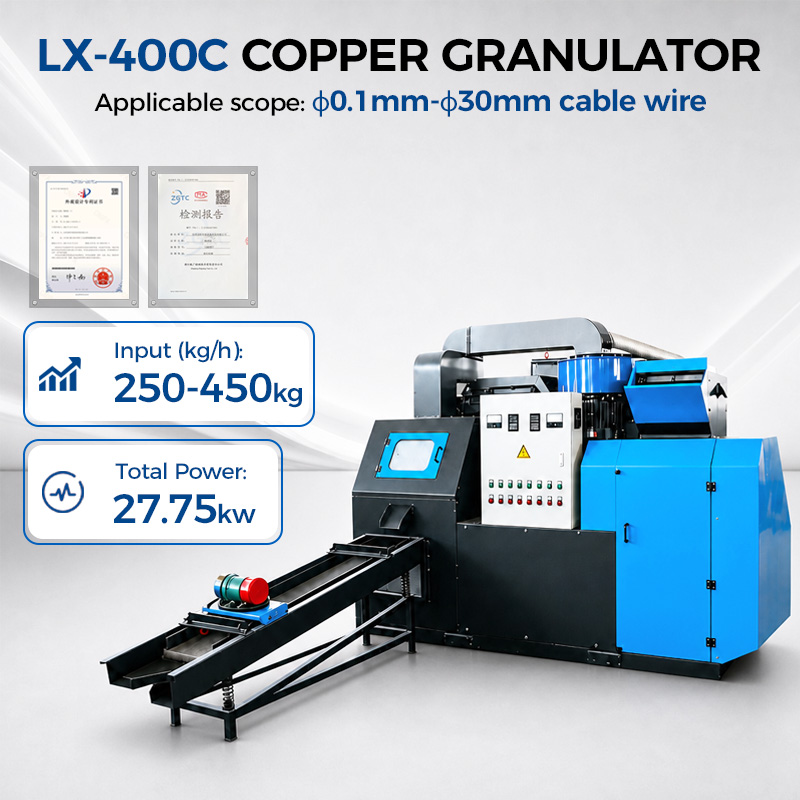
Testing of Finished Products: Before shipment, completed granulators should be subjected to performance testing to ensure they meet specified operational parameters. This might include testing for throughput capacity and separation efficiency. Machines like the LX-400C 250-450kg/h Fully Enclosed Copper Wire Granulator are notable examples of effective granulators.

Compliance with Industry Standards: Ensure that the manufacturing processes align with relevant industry standards and certifications. This may include ISO certifications or compliance with electrical safety regulations.

Customer Feedback Loop: Establish a system for collecting and analyzing customer feedback to identify areas for improvement in both product design and manufacturing processes.

By implementing these quality control measures, manufacturers can enhance product reliability and customer satisfaction.

Evaluating Performance of Copper Cable Granulators

To effectively evaluate the performance of copper cable granulators, consider the following factors:

Throughput Rate: Assess the granulator's ability to process cables efficiently within a specific timeframe. High throughput rates are essential for maximizing productivity.

Separation Efficiency: Evaluate the effectiveness of the granulator in separating copper from insulation and other materials. A high purity level in the recovered copper enhances its market value.

Operational Consistency: Monitor the machine’s performance over time to identify any fluctuations in processing ability. Consistency in output indicates reliability.

Maintenance Requirements: Consider the frequency and complexity of maintenance needed to keep the granulator running efficiently. Machines that require less downtime for maintenance can be more cost-effective in the long run.

User Experience: Gather feedback from operators regarding the ease of use and functionality of the granulator. A user-friendly design can significantly improve operational efficiency.

By carefully evaluating these performance metrics, you can select a copper cable granulator that meets your operational needs and contributes to your overall recycling efficiency.

Key Specifications to Evaluate in Copper Cable Granulators

When selecting a copper cable granulator, several key specifications should be carefully evaluated to ensure optimal performance and suitability for your recycling needs.

Processing Capacity: It's essential to consider how many kilograms of cable the granulator can process per hour. This capacity should align with your operational requirements to avoid bottlenecks in recycling.

Granulation Size: Different applications may require varying granulation sizes. Check if the machine can be adjusted to produce the desired particle size, as this can impact the efficiency of further processing or resale value.

Power Consumption: Evaluate the energy efficiency of the granulator. Machines with lower power consumption can lead to cost savings in the long run.

Separation Technology: Look for machines that utilize advanced separation techniques, such as air separation or water separation, which can enhance the purity of the recycled copper and reduce contamination from other materials. For example, the LE-1200 Electrostatic Copper-Plastic Separator with Dust Collection is known for its effective separation technology.

Material Compatibility: Ensure that the granulator can handle the specific types of cables you intend to process, including different insulation materials and wire gauges.

Safety Features: Safety mechanisms, such as emergency stop buttons and protective covers, are vital for ensuring safe operation.

By assessing these specifications, you can make a more informed choice that aligns with your operational needs and budget.

Get a Free Quote

Tell us about your recycling needs, and our team will recommend the right equipment and solution for your project.
0/1000