Choosing the Right Cable Granulator for Recycling

application/cable-granulator, application/cable-granulator, 
Inquiry
Inquiry

cable granulator

A cable granulator is essential equipment for recycling waste cables and metals, transforming these materials into valuable raw resources. For purchasing managers and engineers, understanding the intricacies of cable granulators helps ensure the selection of the right machine for efficient and effective recycling processes. This article addresses key considerations when choosing a cable granulator, including specifications, quality standards, supplier reliability, and common operational challenges.

Key Specifications to Consider When Sourcing Cable Granulators

When sourcing cable granulators, several key specifications warrant careful consideration:

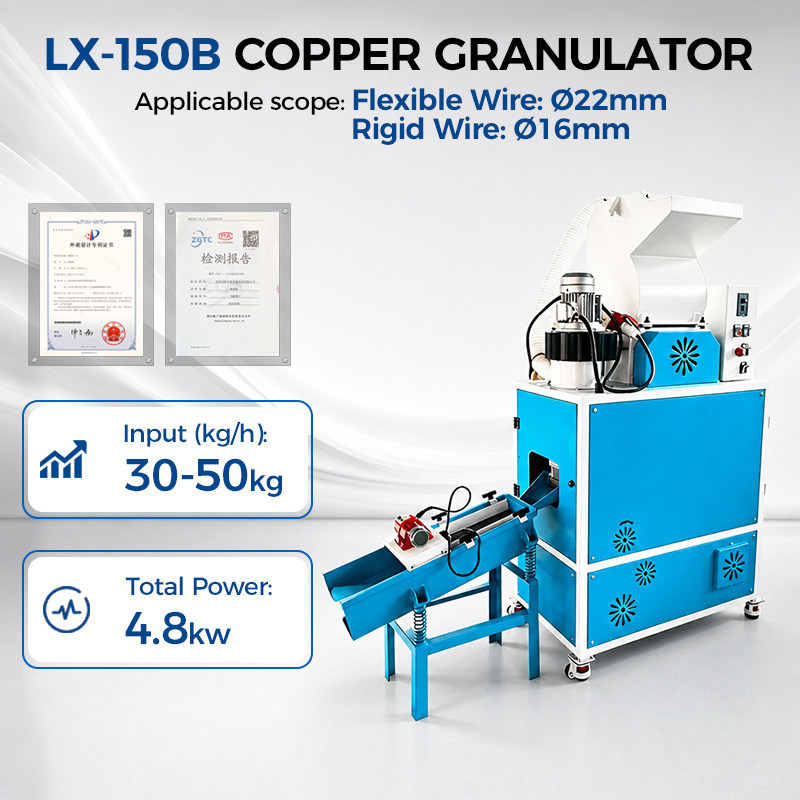
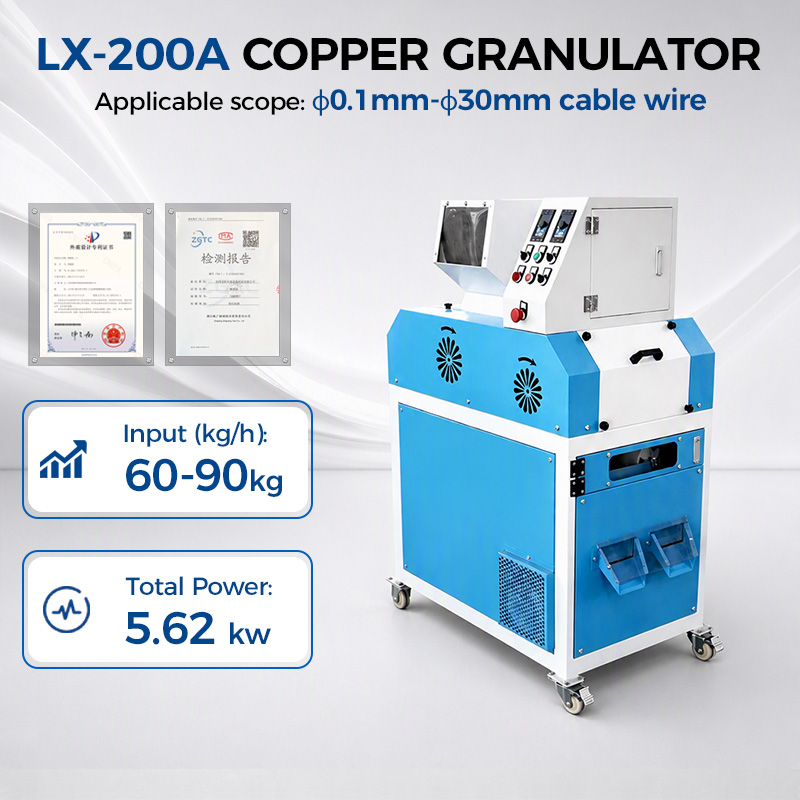
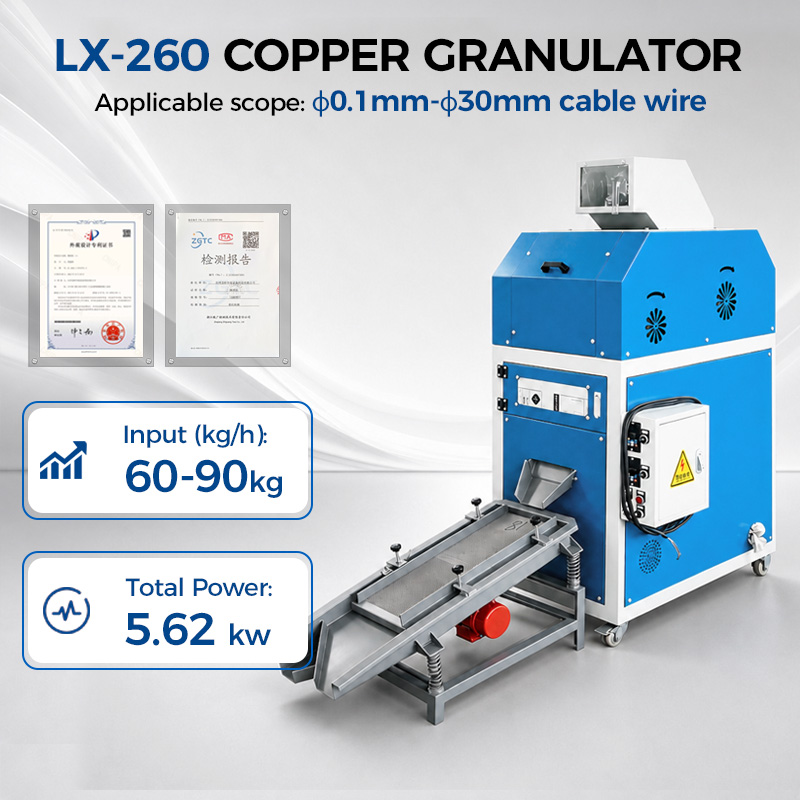
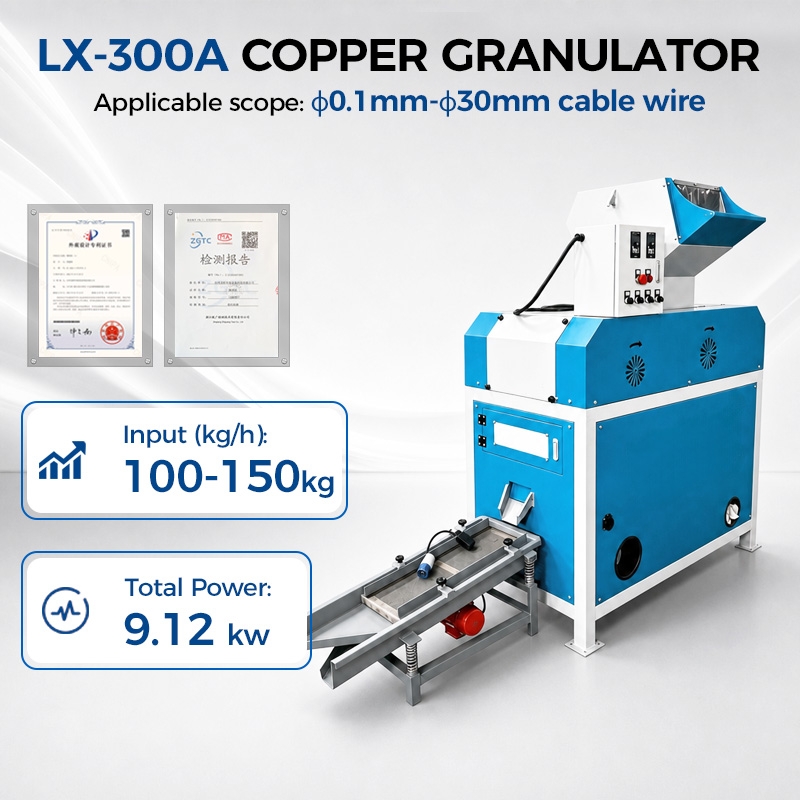
Power Rating: The motor's power rating affects the granulator's efficiency and processing capacity. A higher power rating typically translates to better performance, particularly when dealing with thicker cables.

Granulation Size: The output size of the granulated material is crucial for downstream processing. Ensure that the granulator can produce the required granule size for your specific application, as this may affect the efficiency of subsequent separation processes.

Blade Material and Design: The durability and design of the blades impact the granulator's longevity and efficiency. High-quality, wear-resistant materials help reduce maintenance costs and downtime.

Noise Levels: Consideration of noise levels is also important, especially in environments where noise regulations are enforced. Look for models specifically designed for quieter operation.

Safety Features: Ensure that the granulator includes adequate safety mechanisms, such as emergency stop buttons and safety guards, to protect operators during operation.

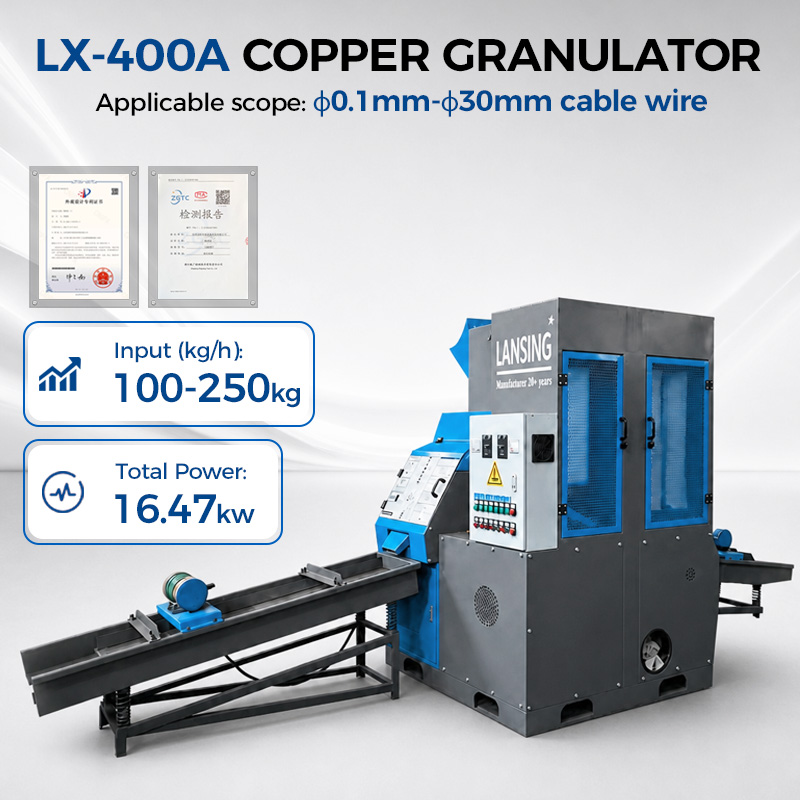
By prioritizing these specifications, buyers can effectively assess which cable granulator will best meet their production demands and operational constraints. One notable model is the LX-400A 100-250kg/h Copper Wire Granulator with Dual Screening, known for its efficiency and reliability.

Understanding the Quality Standards of Cable Granulators

Quality standards are critical when evaluating cable granulators. Buyers should look for equipment that complies with relevant industry certifications, such as ISO or CE marks, which indicate adherence to international safety and quality benchmarks.

Quality control processes during manufacturing, including regular inspections and testing of components, can also provide assurance of a granulator's reliability and performance. It’s advisable to inquire about the manufacturer's quality assurance protocols to ensure that their machines are built to withstand the rigors of continuous operation.

Additionally, understanding the expected lifespan and warranty offerings can help buyers gauge the long-term value of their investment. A well-constructed cable granulator backed by a strong warranty demonstrates a manufacturer’s confidence in their product's durability.

Where to Find Reliable Suppliers for Cable Granulators in Bulk

Finding reliable suppliers for cable granulators is essential for businesses looking to purchase in bulk. One effective approach is to attend industry trade shows and exhibitions, where manufacturers showcase their latest products and innovations. This provides an opportunity to engage directly with suppliers, ask questions, and evaluate their offerings firsthand.

Online directories and B2B marketplaces can also serve as valuable resources for identifying potential suppliers. Look for vendors with a solid reputation and positive reviews from previous customers. Engaging with industry associations can provide insights and recommendations for trustworthy manufacturers.

When evaluating suppliers, it’s important to consider their experience in the market, particularly in your specific industry. A manufacturer like Hangzhou Lansing Machinery Co., Ltd., known for its integrated manufacturing and R&D capabilities, can offer tailored solutions and comprehensive support, making them a reliable choice for bulk purchases.

Common Problems with Cable Granulators and Effective Solutions

While cable granulators are robust machines, users may encounter common operational challenges. Understanding these issues and their solutions can enhance operational efficiency:

Jamming: A common problem in granulators, jamming can occur if the input material is not appropriately sized or if foreign objects are introduced. To mitigate this, ensure that cables are pre-processed to remove any impurities and are cut to manageable lengths before feeding them into the granulator.

Inconsistent Output Sizes: Variability in output size can result from dull blades or incorrect settings. Regular maintenance and timely replacement of worn blades are essential to maintain consistent granulation quality. Additionally, recalibrating the machine based on the type of material being processed can help achieve the desired output size.

Excessive Noise or Vibration: High noise levels or excessive vibration may indicate mechanical issues. Regular inspections and maintenance checks can help identify problems early. Ensuring that the granulator is installed on a stable, level surface can also reduce vibration during operation.

Electrical Failures: Electrical issues can disrupt operations. Implementing a regular maintenance schedule that includes checking electrical connections and components can prevent unexpected downtime.

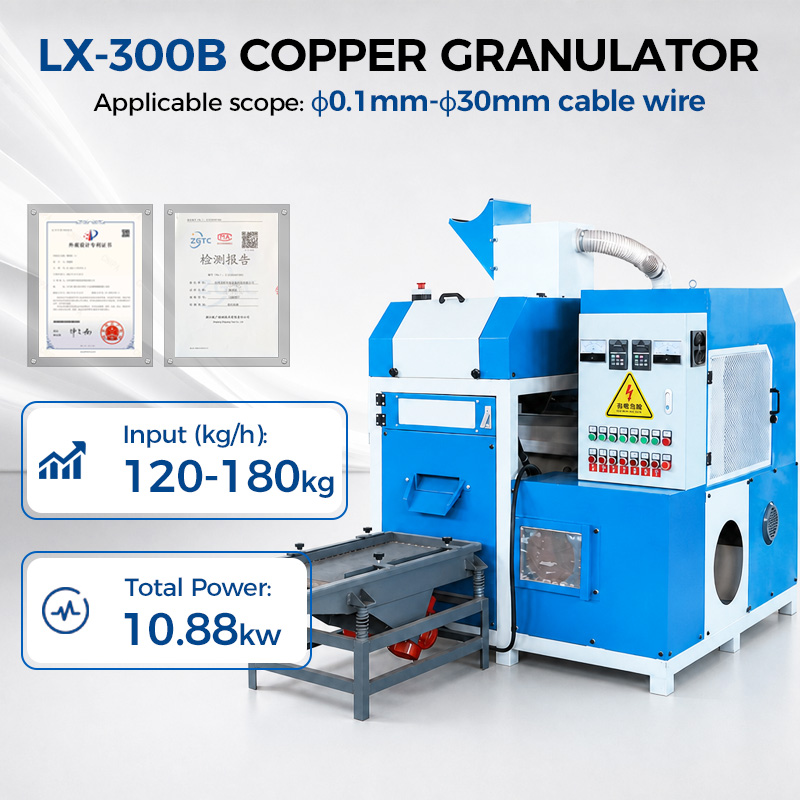
By being proactive and addressing these common issues, companies can enhance the reliability and efficiency of their cable granulators, ensuring smooth operations and maximizing returns on investment. LX-300B 120-180kg/h Copper Wire Granulator with Air Separation is an excellent choice for those looking to boost operational efficiency.

Selecting the right cable granulator for your manufacturing needs involves careful consideration of specifications, quality standards, and supplier reliability. By being aware of common operational challenges and their solutions, B2B buyers can make informed decisions that enhance their recycling processes and overall production efficiency.

Choosing the Right Cable Granulator for Your Manufacturing Needs

Selecting the right cable granulator hinges on understanding the specific requirements of your manufacturing operation. Key factors to consider include the type of cables being processed (e.g., copper, aluminum), the granulator's processing capacity, and the desired output size.

For instance, a granulator designed for copper cables might require different blade configurations compared to one used for aluminum. Additionally, the granulator's throughput capacity, typically measured in kilograms per hour, should align with your production goals. It’s crucial to evaluate whether the machine can handle peak loads without compromising performance.

Moreover, consider customization options. Many manufacturers, like Hangzhou Lansing Machinery Co., Ltd., offer tailored solutions that can accommodate unique production processes or specific material types. Engaging with a supplier to discuss your operational needs will help ensure that the machine you choose is well-suited for your application. For example, the LE-500B Electrostatic Separator for Copper and Plastic Recovery is an excellent option for those focusing on copper recycling.

Get a Free Quote

Tell us about your recycling needs, and our team will recommend the right equipment and solution for your project.
0/1000