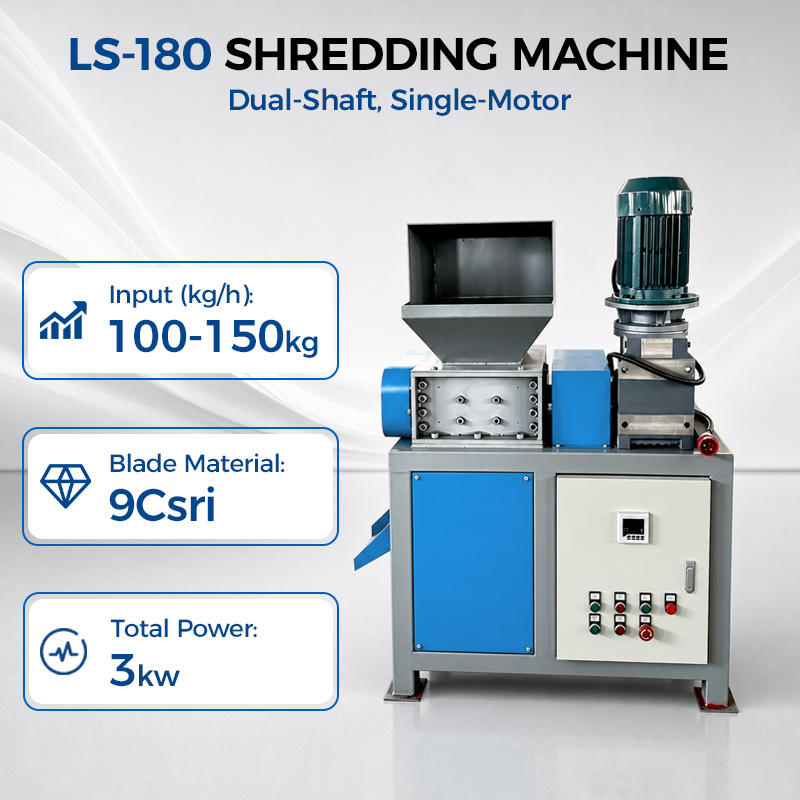
Choosing the Right Cable Shredder Machine

application/cable-shredder-machine, application/cable-shredder-machine, 
Inquiry
Inquiry

cable shredder machine

Choosing the right cable shredder machine is crucial for businesses focused on recycling waste cables and metals effectively. These machines are designed to break down various types of cables, allowing for the recovery of valuable materials like copper and aluminum. B2B buyers often face concerns regarding machine efficiency, durability, and compatibility with their existing operations. This article aims to provide insights into selecting the appropriate cable shredder machine, comparing models for wholesale purchasing, and understanding key specifications and quality control standards.

How to Compare Cable Shredder Machines for Wholesale Purchasing

When comparing cable shredder machines for wholesale purchasing, focus on several critical factors to ensure you make an informed decision. First, evaluate the machine's technical specifications, such as motor power, blade material, and cutting capacity. Machines equipped with high-quality steel blades tend to offer better durability and longer operational life, which is vital for minimizing downtime and maintenance costs.

Next, assess the manufacturer’s reputation and customer reviews. A reliable manufacturer, like Hangzhou Lansing Machinery Co., Ltd., with a history of producing reliable recycling equipment, can offer insights into the performance and longevity of their machines. When possible, request demonstrations or visit operational sites to see the machines in action. For instance, their Copper Granulator has received positive feedback for its efficiency.

Lastly, consider the total cost of ownership, which includes purchase price, maintenance, and operational costs. This holistic view can help you avoid selecting a lower-cost option that may incur higher expenses in the long run due to inefficiencies or frequent repairs.

Key Specifications to Consider in Cable Shredder Machines

Several key specifications are critical when evaluating cable shredder machines:

Motor Power: The horsepower of the motor directly affects the machine's shredding capacity. A higher motor power can handle tougher materials and larger volumes more efficiently.

Cutting Chamber Dimensions: The size of the cutting chamber will determine the maximum cable size that can be processed. Ensure that it aligns with the types of cables your business deals with.

Blade Configuration: Shredders can have different blade setups, such as single or dual shaft designs. Dual shaft shredders typically offer better material processing and can handle a wider variety of cable types.

Throughput Rate: This specification indicates how much material the shredder can process in a given time frame. Higher throughput rates are beneficial for larger operations.

Safety Features: Look for machines equipped with safety interlocks, emergency stop buttons, and overload protection to ensure safe operation.

Understanding these specifications will assist you in selecting a cable shredder machine that meets your business requirements and operational goals.

Understanding the Quality Control Standards for Cable Shredders

Quality control is paramount when investing in cable shredder machines. High-quality machines are often built to meet international standards, which can include ISO certifications and compliance with local safety regulations. During the manufacturing process, rigorous testing should be conducted to assess performance, durability, and safety.

As a buyer, it is advisable to inquire about the quality control processes employed by the manufacturer, such as material inspections, performance testing, and final assembly checks. Additionally, consider requesting certificates of compliance, which can assure you of the machine’s reliability and safety during operation.

Maintaining a focus on quality standards can prevent costly operational issues and ensure that the machinery performs optimally throughout its lifespan.

Common Problems with Cable Shredder Machines and Their Solutions

While cable shredder machines are designed for durability, users may encounter common issues that can affect performance. Here are a few problems and their potential solutions:

Overheating: If a shredder overheats, it may indicate that the motor is overworked or that there is a blockage in the cutting chamber. Regular maintenance, including cleaning and checking for worn parts, can help mitigate this issue.

Poor Cutting Performance: Dull blades can lead to inefficient shredding. Regularly inspecting and sharpening or replacing blades as needed will maintain cutting efficiency. Using a Wire Stripping Machine for preliminary processing can also enhance results.

Electrical Issues: Electrical failures can stem from faulty wiring or overload conditions. Ensuring that the machine is installed according to electrical standards and routinely checked by a qualified technician can prevent these problems.

Material Jamming: Cables that are too thick or dense can cause jams. To avoid this, operators should follow the manufacturer’s guidelines on maximum cable thickness and type.

By being aware of these common problems and having a proactive maintenance strategy, buyers can ensure that their cable shredder machines operate smoothly and effectively for years to come.

Choosing the Right Cable Shredder Machine for Your Business Needs

When selecting a cable shredder machine, it’s essential to consider the specific needs of your business. Factors such as the types of cables you handle, the volume of material processed, and the desired output quality play significant roles in your choice. For instance, if your operations focus on high volumes of mixed cables, a heavy-duty industrial shredder with a higher throughput capacity may be necessary. Additionally, exploring options like the Shredding Machine can provide further insights into the capabilities you may need.

Additionally, consider the machine's power source, size, and installation requirements. A compact unit might be suitable for smaller operations, while larger facilities may benefit from more robust machines with advanced features like automated feeding systems and variable speed controls. Understanding your operational workflow and the types of materials processed will help in selecting a machine that optimizes efficiency and productivity.

Get a Free Quote

Tell us about your recycling needs, and our team will recommend the right equipment and solution for your project.
0/1000