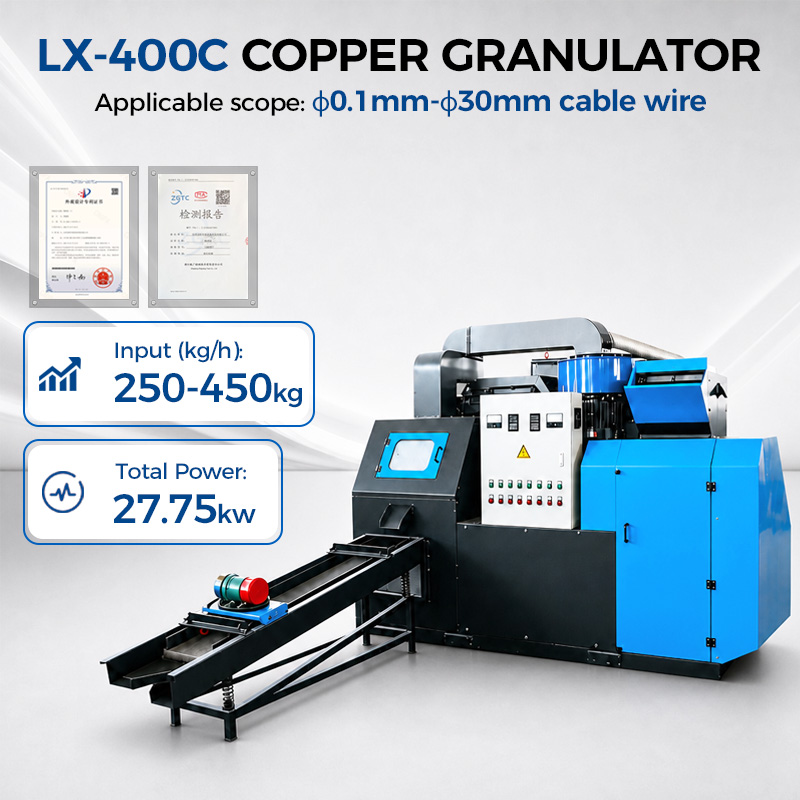
Copper Cable Granulator Machine: Features and Benefits

application/copper-cable-granulator-machine, application/copper-cable-granulator-machine, 
Inquiry
Inquiry

copper cable granulator machine

Copper cable granulator machines are specialized equipment designed to efficiently separate and recycle copper from waste cables. As B2B buyers in manufacturing, engineering, or recycling sectors, understanding how to evaluate these machines is crucial. Key concerns typically include machine efficiency, durability, and support services. This article will provide valuable insights on evaluating copper cable granulator machines, addressing common problems, and understanding quality control measures to help you make an informed purchasing decision.

Installation Guidance for Your Copper Cable Granulator Purchase

Proper installation is crucial to ensure optimal performance of your copper cable granulator machine. Here are some essential guidelines:

Site Preparation: Before installation, ensure that the site is prepared with sufficient space, proper flooring, and necessary utilities such as electricity and water supply. Verify that the area is free from obstructions to allow for smooth operation.

Professional Installation: While some manufacturers may provide installation services, others may require you to consult with a qualified technician. Ensure that the installer is experienced with copper cable granulator machines to avoid any operational issues.

Calibration: After installation, the machine needs to be calibrated according to the specifications provided by the manufacturer. This process ensures that the machine operates at optimal capacity and efficiency.

Safety Measures: Implement necessary safety measures during installation, such as proper grounding and emergency shut-off mechanisms. Ensure that staff members are trained on safety procedures associated with operating the machine.

Following these installation guidelines will help you maximize the efficiency and lifespan of your copper cable granulator machine.

Common Problems with Copper Cable Granulators and Their Solutions

Like any industrial machinery, copper cable granulators may encounter issues during operation. Here are some common problems and their potential solutions:

Poor Separation Quality: If the machine is not effectively separating copper from insulation, check for blade wear and calibration. Dull blades can lead to inefficient separation, so regular maintenance is essential.

Overheating: Machines may overheat due to excessive load or insufficient cooling. Ensure the machine is not overloaded beyond its processing capacity and check that cooling systems are functioning properly.

Electrical Failures: Electrical issues can cause machines to malfunction. Regularly inspect wiring and connections for signs of wear or damage. Consult with an electrician if persistent electrical problems arise.

Noise and Vibration: Excessive noise or vibration can indicate mechanical issues. Check for loose components or misalignment in the machine. Regular maintenance checks can help identify and rectify these problems early.

By being aware of these common issues and their solutions, you can maintain optimal performance and reduce downtime with your copper cable granulator.

Quality Control Measures in Manufacturing Copper Cable Granulators

Quality control is crucial in the manufacturing of copper cable granulators to ensure reliability and performance. Here are some essential quality control measures:

Material Inspection: Before production, raw materials should be thoroughly inspected to ensure they meet specified quality standards. This includes checking for material integrity and consistency.

In-Process Testing: Regular in-process inspections during manufacturing can identify defects early. This includes checks on weld quality, assembly accuracy, and alignment of components.

Final Performance Testing: Once assembled, machines should undergo rigorous testing to verify their performance against specifications. This includes running the machine at maximum capacity to ensure it meets efficiency and separation standards.

Documentation and Certification: Maintaining detailed records of quality inspections and tests conducted can help track manufacturing standards and compliance. Certifications from recognized bodies can also provide assurance of quality to buyers.

Implementing these quality control measures not only enhances product reliability but also builds trust with potential buyers.

Benefits of Using Copper Cable Granulators in Your Recycling Projects

Investing in copper cable granulators offers numerous benefits for recycling projects:

Increased Recovery Rates: The primary advantage of using these machines is the high recovery rate of copper, which translates to better profitability for recycling operations.

Environmental Impact: Recycling copper reduces the need for mining, which has a significant environmental footprint. By using copper cable granulators, businesses contribute to sustainability and waste reduction.

Cost-Effective Operation: Although the initial investment in a copper cable granulator may be substantial, the reduced operational costs due to efficiency and energy savings can lead to a favorable return on investment over time.

Versatility: Many copper cable granulators can handle various types of cables, making them adaptable to different recycling needs. This flexibility is particularly beneficial for businesses dealing with mixed materials.

Support Services: Companies like Hangzhou Lansing Machinery Co., Ltd. provide comprehensive support, from installation to after-sales service, ensuring you get the most out of your copper cable granulator.

Understanding these benefits can help you justify the investment in copper cable granulators and enhance your recycling operations.

Key Specifications to Evaluate in Copper Cable Granulator Machines

When selecting a copper cable granulator machine, several key specifications should be carefully evaluated:

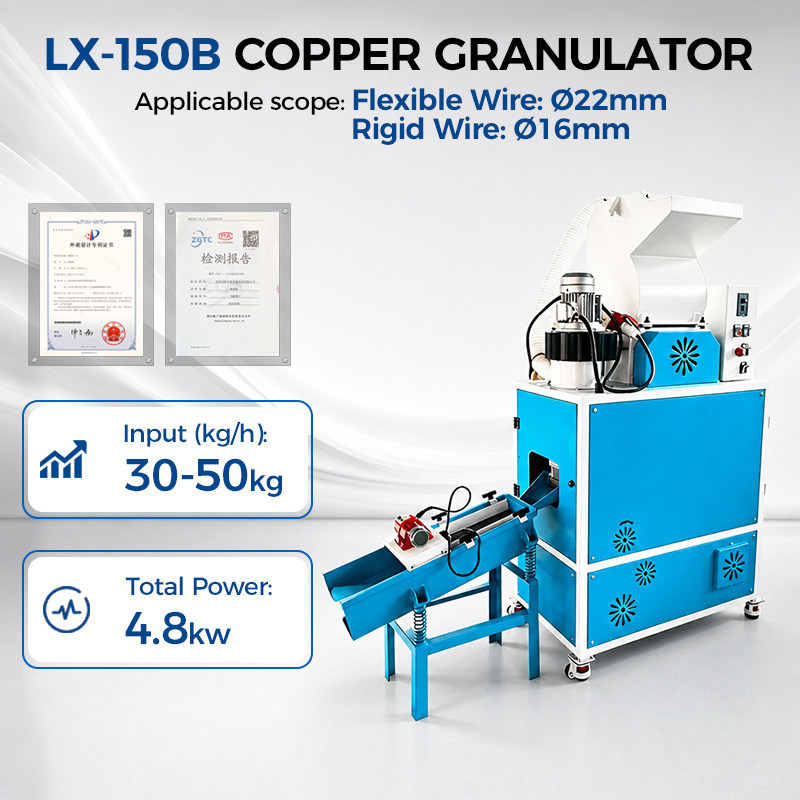
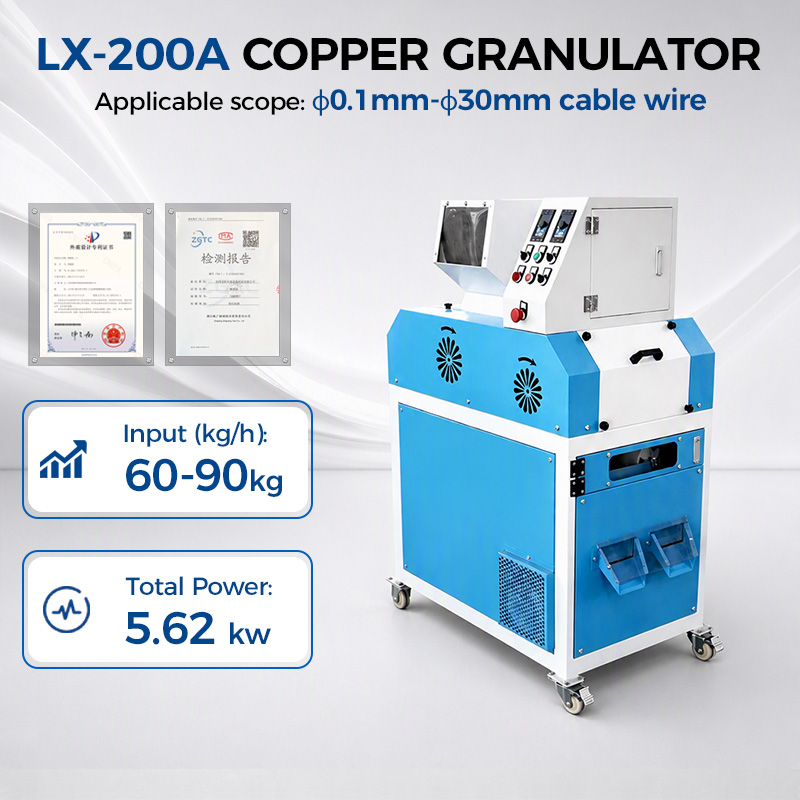
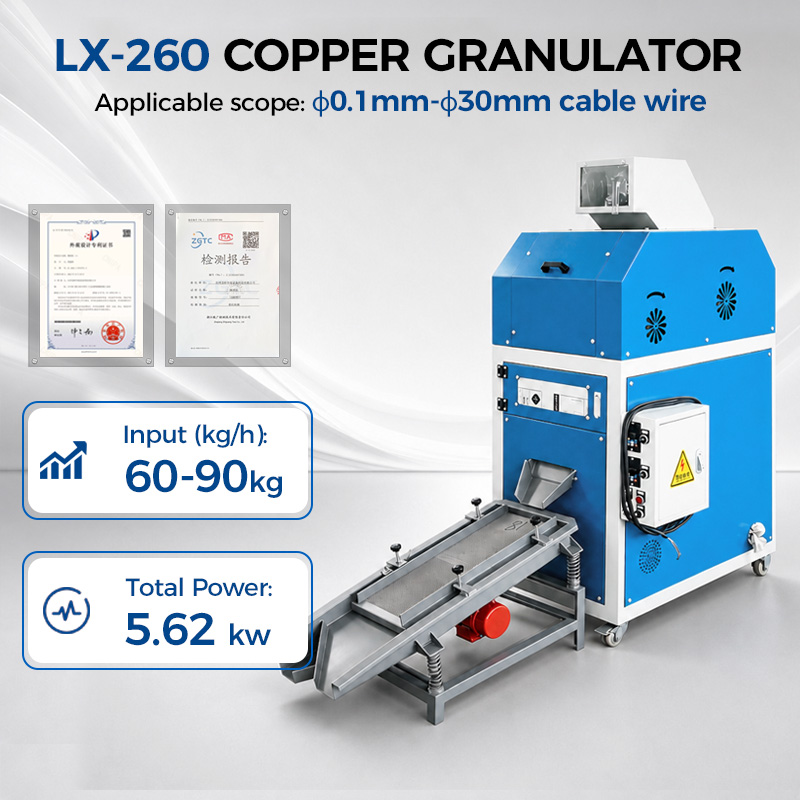
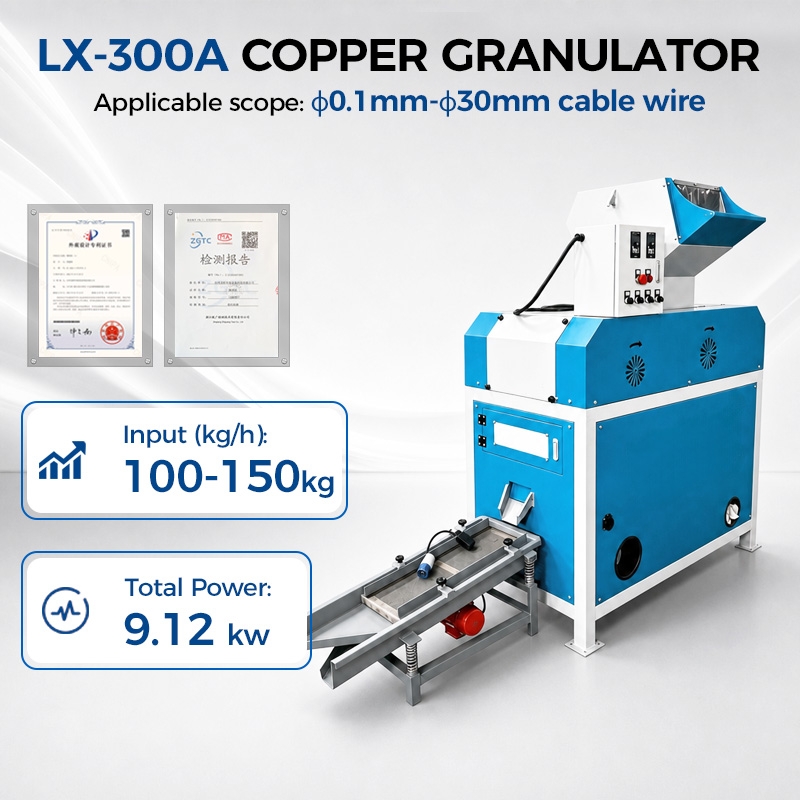
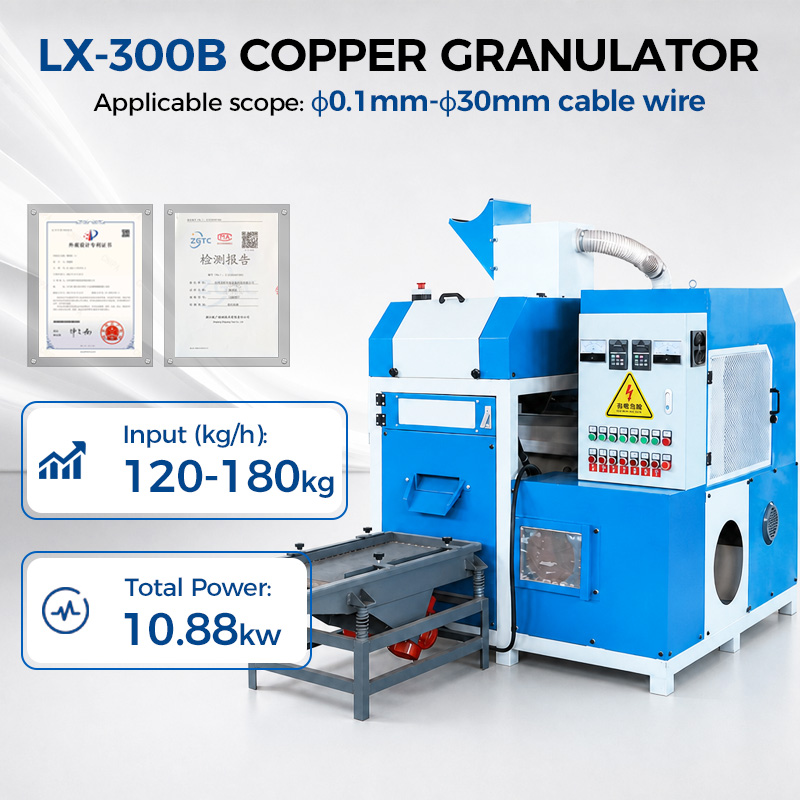
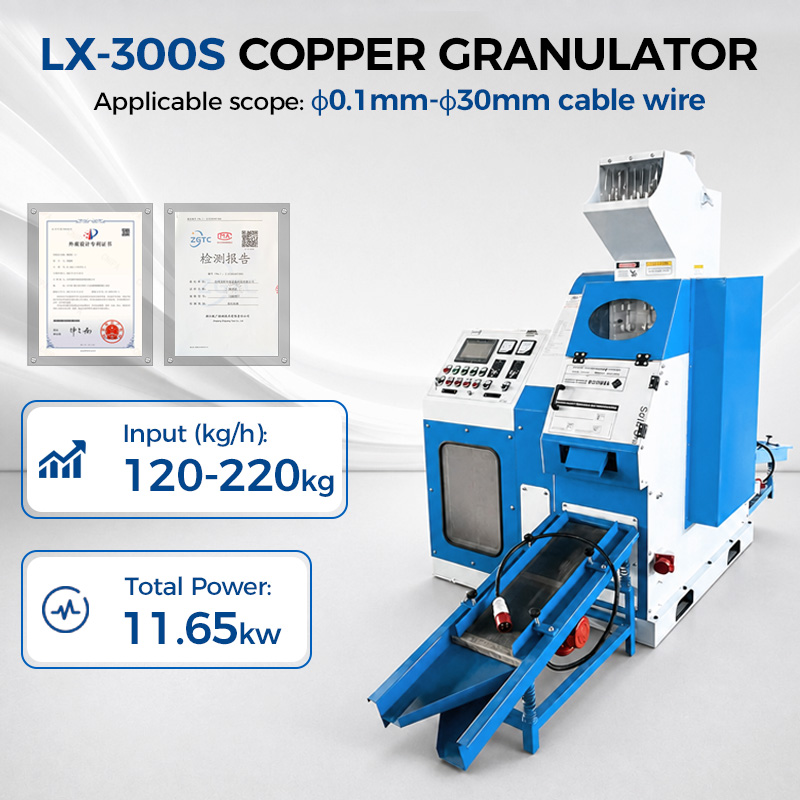
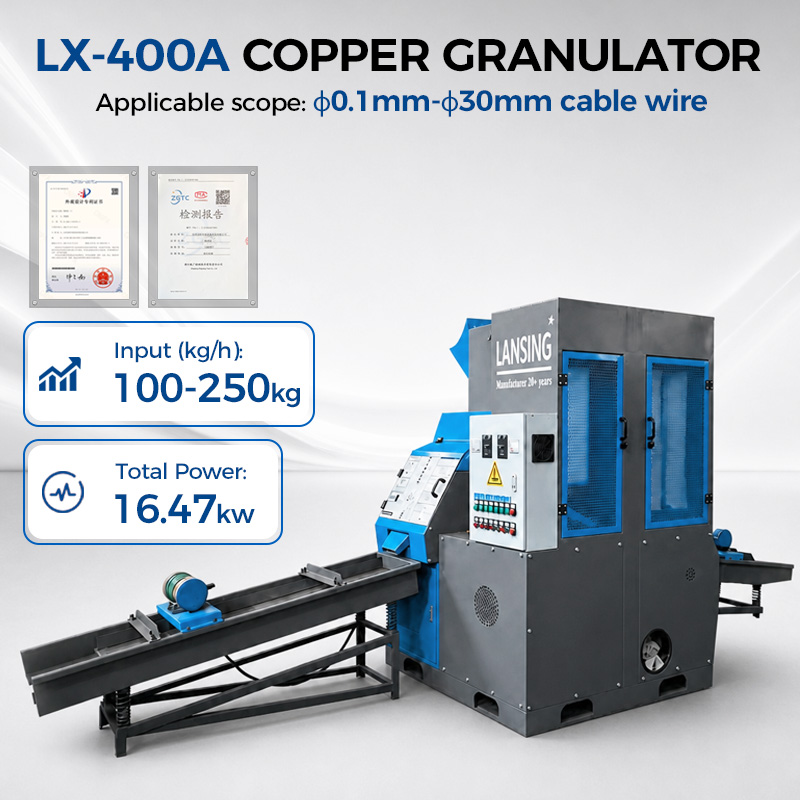
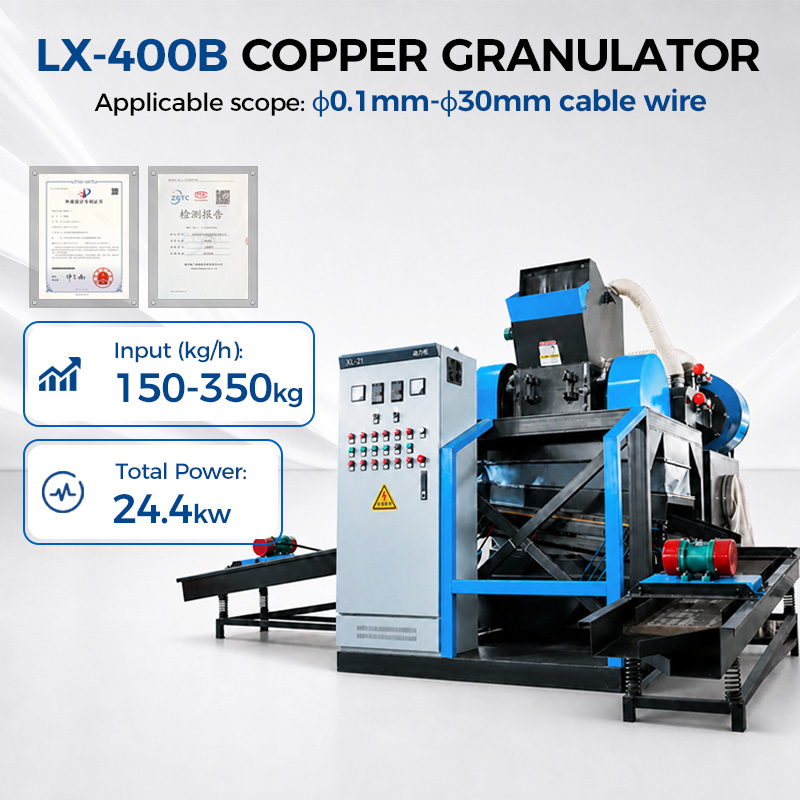
Processing Capacity: This refers to the amount of cable the machine can process per hour. High-capacity machines, such as the Copper Granulator, are essential for large-scale operations but may require more substantial upfront investment.

Separation Efficiency: Look for the machine's ability to separate copper from insulation. A separation efficiency of over 99% is often considered optimal, as this maximizes the recovery of valuable copper while minimizing waste.

Power Consumption: Efficient machines should have a lower energy consumption rate. This affects operational costs over time, and machines that require less power can significantly reduce your total expenses.

Size and Dimensions: Ensure the machine fits within your operational space. Larger machines might provide higher throughput but could require more installation area and additional handling equipment.

Material Quality: The construction material of the granulator impacts its durability and maintenance needs. Machines made from high-quality steel or other durable materials typically have longer lifespans and lower maintenance costs.

Control System: Advanced control systems can enhance operational efficiency. Look for machines equipped with PLC (Programmable Logic Controller) for better monitoring and automation capabilities.

Understanding these specifications will help you assess the suitability of copper cable granulator machines for your recycling projects.

Get a Free Quote

Tell us about your recycling needs, and our team will recommend the right equipment and solution for your project.
0/1000