Choosing the Right Copper Cable Stripper for Efficiency

application/copper-cable-stripper, application/copper-cable-stripper, 
Inquiry
Inquiry

copper cable stripper

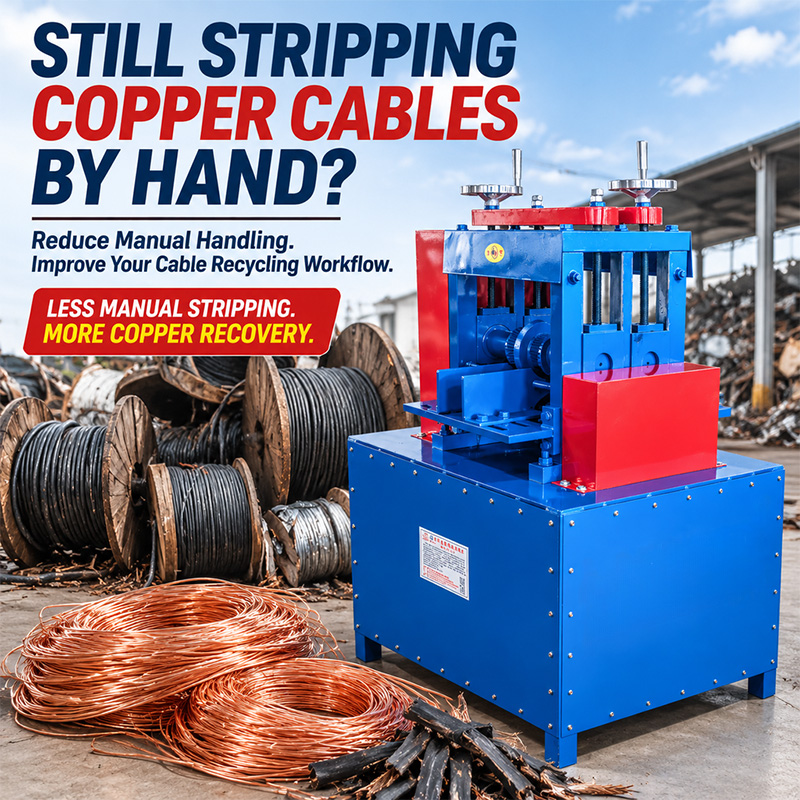
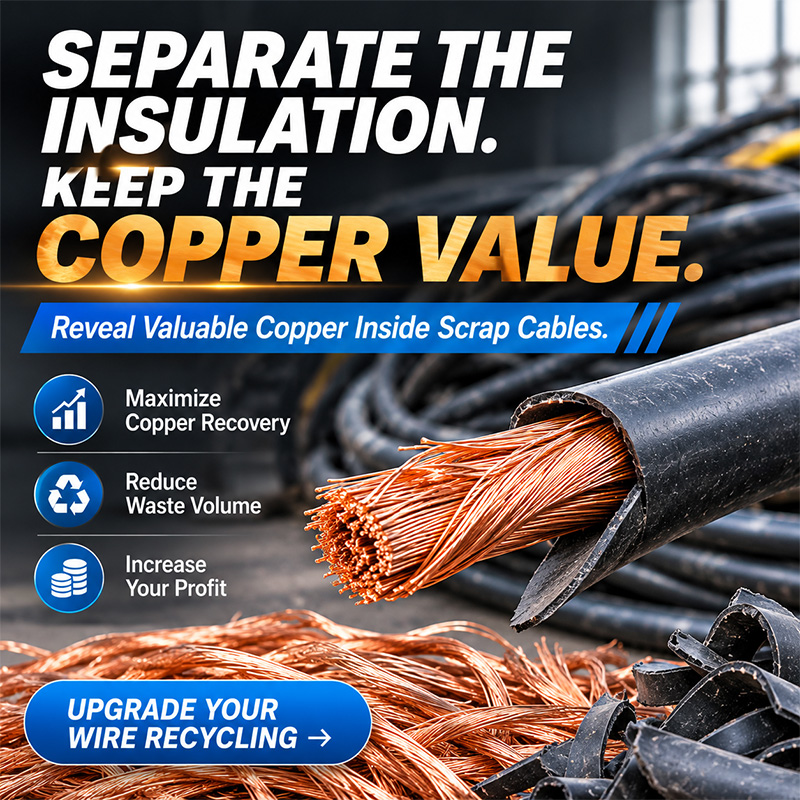
A copper cable stripper is an essential tool in the recycling and manufacturing industries, designed to efficiently remove insulation from copper cables, allowing for the recovery of valuable metal. For B2B buyers, key concerns often include the machine's efficiency, reliability, and suitability for specific cable types. This article aims to guide purchasing managers and engineers through the selection process, outlining critical specifications, potential issues, and the importance of material quality, ensuring informed decisions when sourcing copper cable strippers.

Key Specifications to Consider When Sourcing Copper Cable Strippers

Key Specifications to Consider When Sourcing Copper Cable Strippers

When sourcing copper cable strippers, several key specifications should be evaluated to ensure optimal performance:

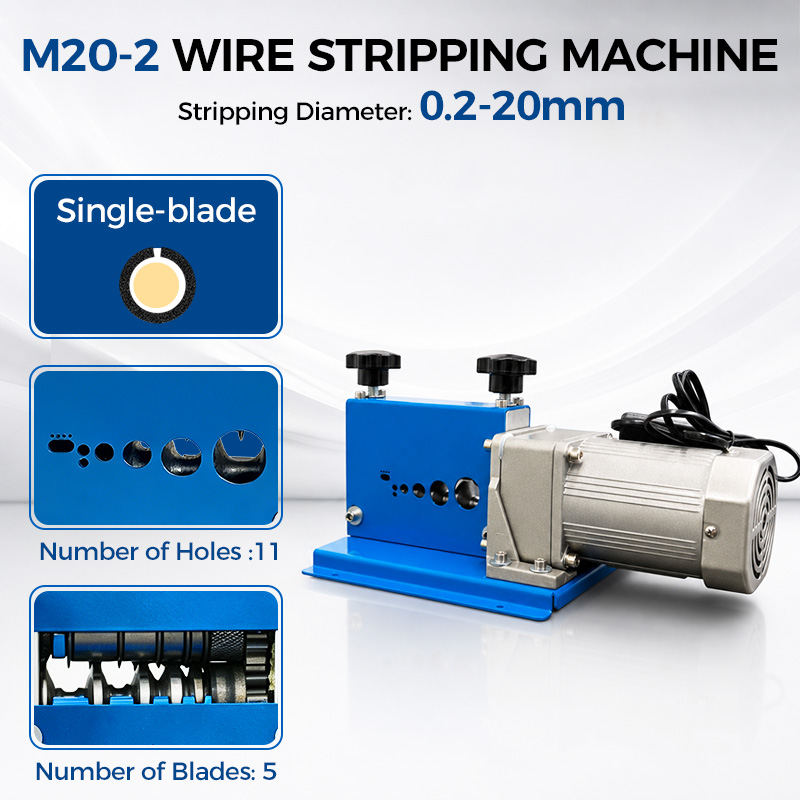
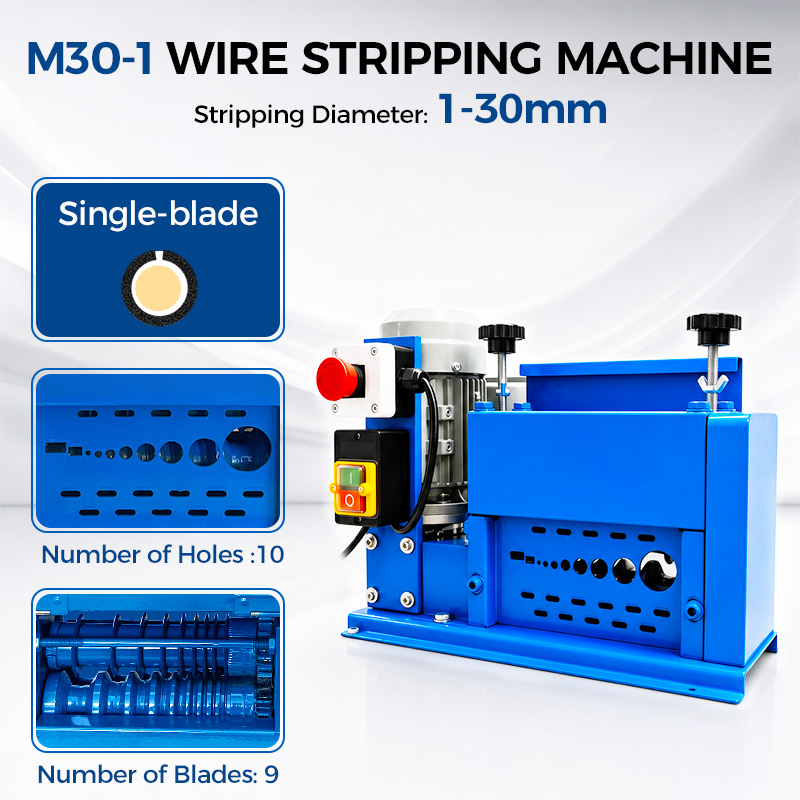
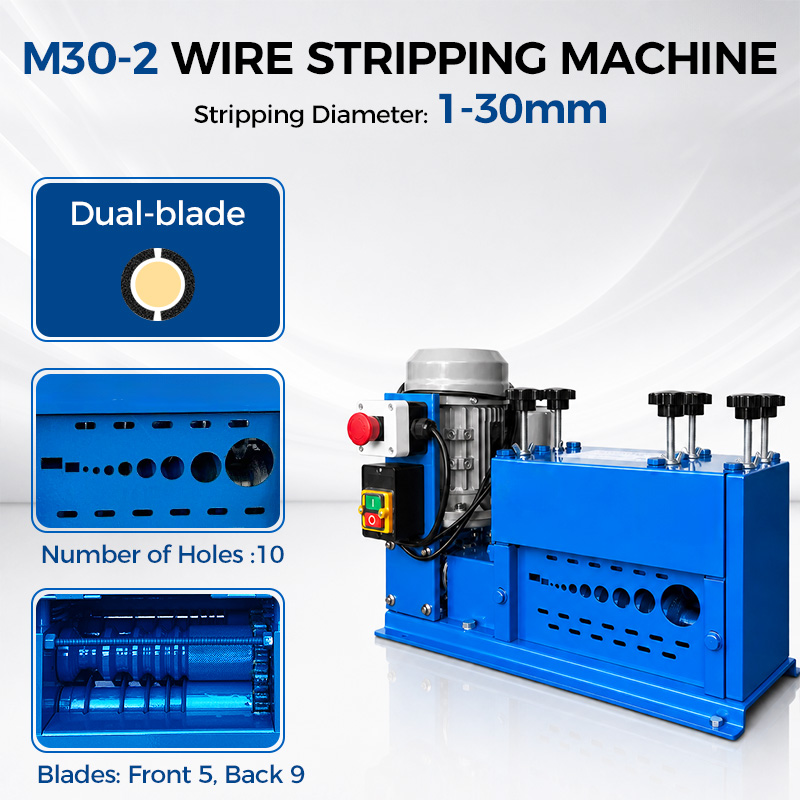
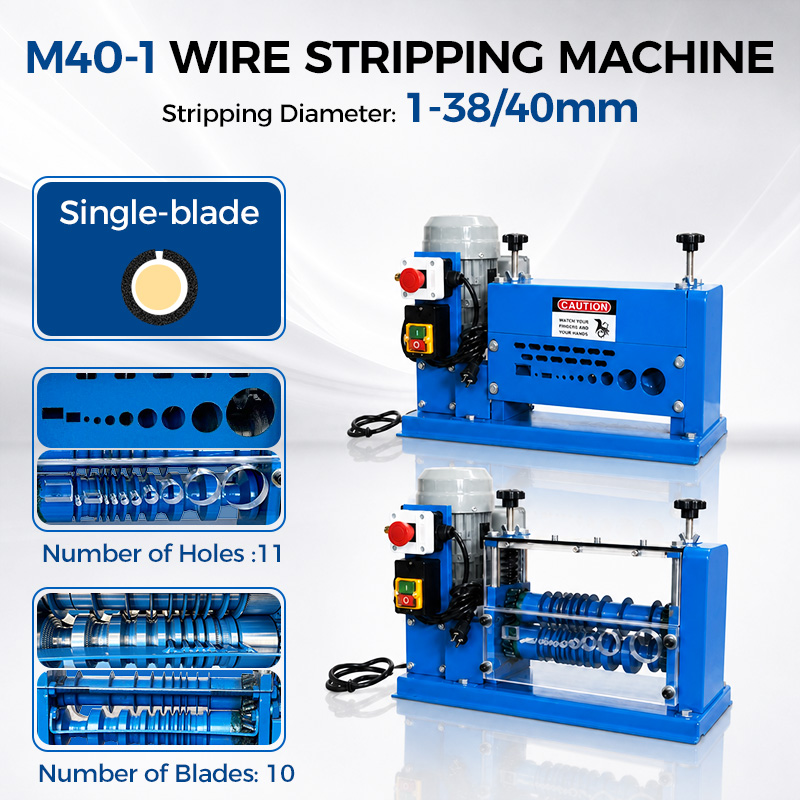
Cutting Capacity: This specification indicates the maximum diameter of cables the machine can strip. Selecting a stripper with appropriate cutting capacity is crucial to handle your specific cable types effectively.

Stripping Speed: Measured in feet or meters per minute, stripping speed affects overall productivity. A higher speed allows for more cables to be processed in less time, crucial for larger operations.

Power Source: Copper cable strippers can be powered by electricity, hydraulics, or manual operation. Choose a power source that aligns with your facility's capabilities and operational preferences.

Material Specifications: The build quality of the stripper itself matters. Look for machines constructed from high-quality materials that can withstand the rigors of daily use without compromising performance.

Adjustability: Some models offer adjustable blade settings, which can be beneficial for processing different cable sizes without needing multiple machines. For example, the LS-400A 11 kW Dual-Shaft Industrial Shredder is designed for versatility in handling various cable types.

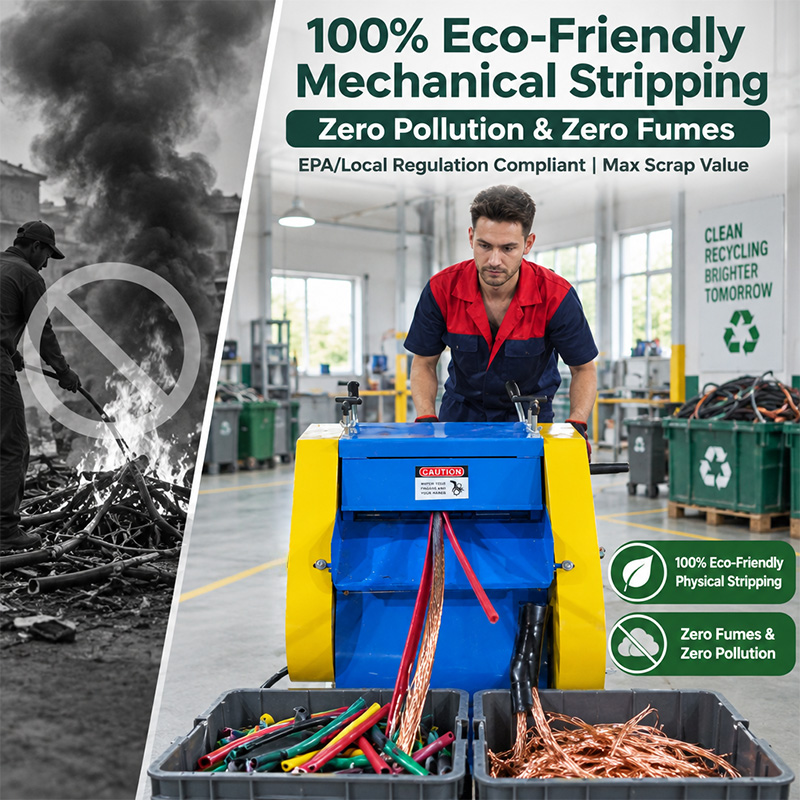
Safety Features: Ensure that the equipment includes necessary safety features, such as emergency shut-off switches and protective covers, to safeguard operators.

By carefully considering these specifications, buyers can select the most suitable copper cable stripper to meet their operational needs.

Where to Find Reliable Suppliers for Copper Cable Strippers

Where to Find Reliable Suppliers for Copper Cable Strippers

Finding a reliable supplier for copper cable strippers is crucial for ensuring quality and performance. Start by researching manufacturers known for their expertise in recycling equipment. Industry trade shows and exhibitions provide excellent opportunities to meet suppliers and view their products firsthand. Additionally, online marketplaces and industry-specific directories can be valuable resources for comparing different manufacturers.

It's also advisable to seek recommendations from industry peers or networks. First-hand testimonials can provide insights into a supplier's reliability, product quality, and customer service. When evaluating suppliers, consider their experience in the field, the certifications they hold, and their track record in delivering consistent performance.

Lastly, always request samples or demonstrations before making a bulk purchase. Testing the equipment in your operational environment can highlight any potential issues and ensure the machine meets your expectations.

Common Problems with Copper Cable Strippers and Their Solutions

Common Problems with Copper Cable Strippers and Their Solutions

Copper cable strippers, while beneficial, can present several common issues that buyers should be aware of:

Inconsistent Stripping Quality: This can occur if the blades are dull or improperly aligned. Regular maintenance and blade replacement are vital to maintaining consistent performance. Buyers should establish a routine inspection schedule to address this.

Jamming: Cables can jam in the machine if they are too thick or if the cutting mechanism is not functioning correctly. Ensuring the machine is suitable for the cable types being processed can help mitigate this. Operators should be trained to identify early signs of jamming to prevent damage.

Power Issues: If the machine fails to start or operates intermittently, it may be due to electrical issues. Regularly check power connections and ensure proper electrical supply to avoid downtime.

Wear and Tear: Over time, components may wear out, affecting the machine's performance. Implementing a preventive maintenance program that includes regular inspections can help identify wear before it leads to failures.

Operator Error: Inadequate training can result in operational mistakes. Providing comprehensive training for all operators can significantly reduce errors and enhance productivity.

Addressing these common issues proactively can extend the life of the equipment and improve overall operational efficiency.

Why Material Quality Matters in Copper Cable Strippers

The material quality of a copper cable stripper directly impacts its performance, durability, and maintenance requirements. High-quality materials can withstand the mechanical stresses involved in stripping cables, ensuring longevity and consistent performance. Here are key aspects of material quality to consider:

Blade Material: The blades should be made from high-strength steel or alloy to maintain sharpness and resist wear. Poor-quality blades can dull quickly, leading to reduced efficiency and increased operational costs.

Frame Construction: A robust frame made from heavy-duty materials such as reinforced steel enhances stability and minimizes vibrations during operation. This is crucial for achieving precise cuts and maintaining safety during use.

Corrosion Resistance: Strippers used in recycling operations may be exposed to moisture and contaminants. Using materials with corrosion resistance ensures that the equipment remains functional over time, reducing maintenance needs.

Thermal Resistance: For electric-powered strippers, materials that can withstand high temperatures without degrading are essential. This prevents overheating and potential failure during extended use.

Ergonomics: Well-designed machines that incorporate ergonomic materials can enhance operator comfort, reducing fatigue and the risk of injury during prolonged use.

Investing in high-quality materials not only prolongs the life of the copper cable stripper but also ensures that it performs effectively throughout its operational lifespan. When sourcing, buyers should inquire about the materials used in the construction of the machines and seek transparency from manufacturers regarding their sourcing and production processes. Additionally, consider models like the LX-400C 250-450kg/h Fully Enclosed Copper Wire Granulator for enhanced efficiency and material handling.

Choosing the Right Copper Cable Stripper for Your Wholesale Needs

When selecting a copper cable stripper for wholesale needs, consider your specific operational requirements. Factors such as the types of cables processed, volume of material, and desired output quality will influence your choice. For instance, if you primarily handle thicker cables, a stripper with adjustable cutting blades may be necessary to accommodate varying sizes. Additionally, assess the stripping speed and efficiency, as these will directly impact your productivity and operational costs.

It's also important to consider the machine's compatibility with your existing equipment. Ensure that the chosen copper cable stripper can integrate seamlessly into your workflow, minimizing the need for extensive modifications. Finally, review the manufacturer's reputation and after-sales support options, as reliable service and maintenance can significantly reduce downtime.

Frequently Asked Questions

What is a copper cable stripper used for?

A copper cable stripper removes insulation from copper wires and cables for recycling and material recovery, improving efficiency and reducing manual labor in cable processing.
Our copper cable stripper supports a range of cable diameters from fine wires to medium-sized cables; specific models cover different ranges—contact us with your cable specs for a tailored recommendation.
Yes. It’s designed for recycling operations, enabling efficient separation of copper from insulation and boosting recovery rates, with options for integration into broader recycling workflows.
Yes. We offer customized solutions, design support, manufacturing, and global after-sales service to ensure the machine meets your operational needs and runs reliably.
Routine maintenance includes blade inspection, cleaning, and lubrication. Follow provided safety guidelines, use protective equipment, and schedule regular servicing to maintain performance and operator safety.

Get a Free Quote

Tell us about your recycling needs, and our team will recommend the right equipment and solution for your project.
0/1000