Choosing the Right Copper Wire Granulator

application/copper-wire-granulator, application/copper-wire-granulator, 
Inquiry
Inquiry

copper wire granulator

When it comes to recycling waste cables and metals, a copper wire granulator is an essential piece of equipment that ensures efficient separation and recovery of valuable materials. Selecting the right granulator can significantly impact operational efficiency and profitability. This article will address key considerations for purchasing, installing, and maintaining copper wire granulators, as well as common issues and their solutions, to help purchasing managers and engineers make informed decisions.

Installation Guidance for Efficient Copper Wire Granulator Use

Installation Guidance for Efficient Copper Wire Granulator Use

Proper installation of your copper wire granulator is crucial for optimal performance. Here are some essential guidelines to ensure efficient setup and operation:

Site Preparation: Ensure your installation site has adequate space for the granulator, along with any associated equipment like conveyors or shredders. The area should also have appropriate electrical and water connections, depending on the model.

Level Ground: The granulator should be placed on level ground to avoid operational issues. Uneven surfaces can lead to improper functioning and increased wear on components.

Ventilation and Dust Control: Ensure that the installation area has proper ventilation to manage dust generated during operation. This can help maintain a safe working environment and prevent equipment damage.

Electrical and Safety Compliance: Verify that your installation complies with local electrical codes and safety regulations. This includes ensuring that the granulator is properly grounded and that all safety guards are in place.

Understanding Cost Factors in Copper Wire Granulator Purchases

Understanding Cost Factors in Copper Wire Granulator Purchases

When budgeting for a copper wire granulator, several cost factors should be taken into account to avoid unexpected expenses:

Initial Purchase Price: The cost of the granulator itself can vary significantly based on its capacity, features, and manufacturer. Higher-quality models typically come with advanced technology that can improve efficiency and output quality.

Operational Costs: Consider the ongoing costs associated with running the granulator, including energy consumption, maintenance, and replacement parts. Efficient models may have higher upfront costs but can lead to savings over time through reduced operational expenses.

Installation and Training: Factor in the costs associated with installation and employee training. Proper training ensures that operators can maximize the granulator's capabilities while minimizing the risk of errors or damage.

Warranty and Support: Evaluate the warranty and after-sales support offered by the manufacturer. A robust warranty can save costs on repairs, and good support can help resolve operational issues quickly, minimizing downtime.

Common Problems with Copper Wire Granulators and Their Solutions

Common Problems with Copper Wire Granulators and Their Solutions

Despite their efficiency, copper wire granulators can encounter common issues that may disrupt operations. Here are some typical problems and their solutions:

Clogs and Jamming: Clogs can occur when non-conforming materials are fed into the granulator. Regularly inspect the input material and utilize pre-shredding to prevent larger items from causing blockages.

Inconsistent Output Quality: If the granulator produces inconsistent output quality, check the settings for screen size and cutting speed. Adjust these parameters based on the type of cable being processed to achieve optimal results.

Wear and Tear: Over time, components such as blades and screens can wear out, affecting performance. Establish a regular maintenance schedule that includes checking and replacing worn parts to ensure efficient operation.

Electrical Issues: Electrical failures may lead to downtime. Regularly inspect the electrical connections and components for signs of wear. Have a qualified technician address any issues that arise promptly.

Applications of Copper Wire Granulators in the Recycling Industry

Copper wire granulators play a vital role in the recycling industry, providing significant benefits across various applications:

Cable Recycling: These granulators are primarily used to recycle waste cables, which can contain valuable metals. By effectively separating copper from insulation, they enable the recovery of materials that can be reused in manufacturing.

Electronic Waste Processing: In addition to cables, granulators can process other forms of electronic waste, including circuit boards and small appliances. This helps in recovering metals while ensuring that harmful materials are disposed of responsibly.

Environmental Impact: Utilizing copper wire granulators contributes to a reduction in landfill waste and the environmental impact associated with mining new materials. This aligns with the growing demand for sustainable recycling practices.

Industrial Applications: Many industries, including construction, automotive, and electronics, benefit from the recycling of copper and other metals. Efficient granulators help these sectors manage waste effectively while recovering valuable resources.

Understanding the intricacies of copper wire granulators—from selection and installation to cost considerations and common issues—equips purchasing managers and engineers with the knowledge needed to make informed decisions. By focusing on operational efficiency and quality output, businesses can enhance their recycling processes and contribute to a more sustainable future.

How to Choose the Right Copper Wire Granulator for Your Needs

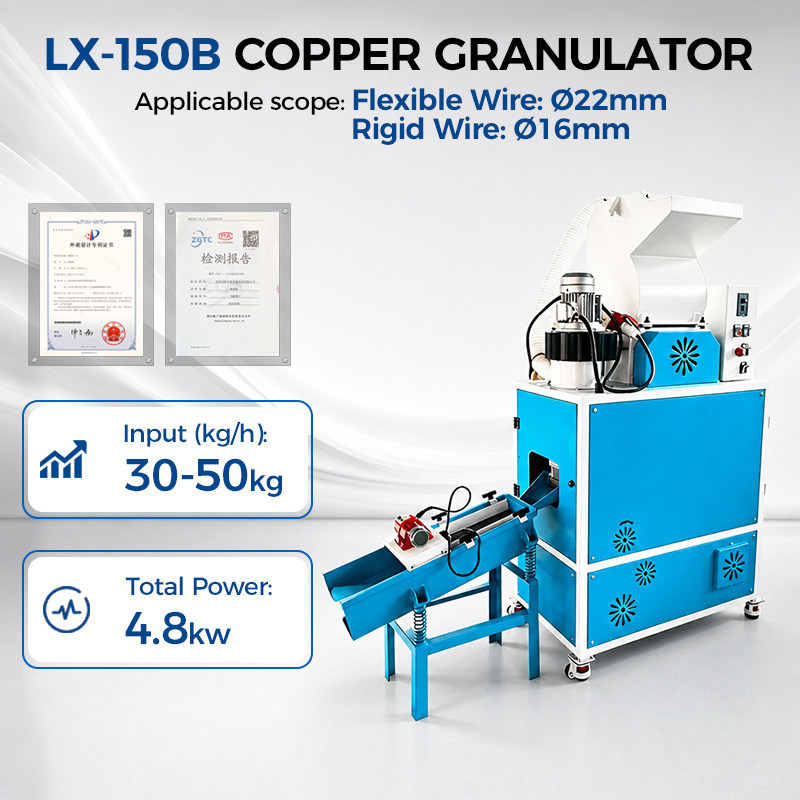
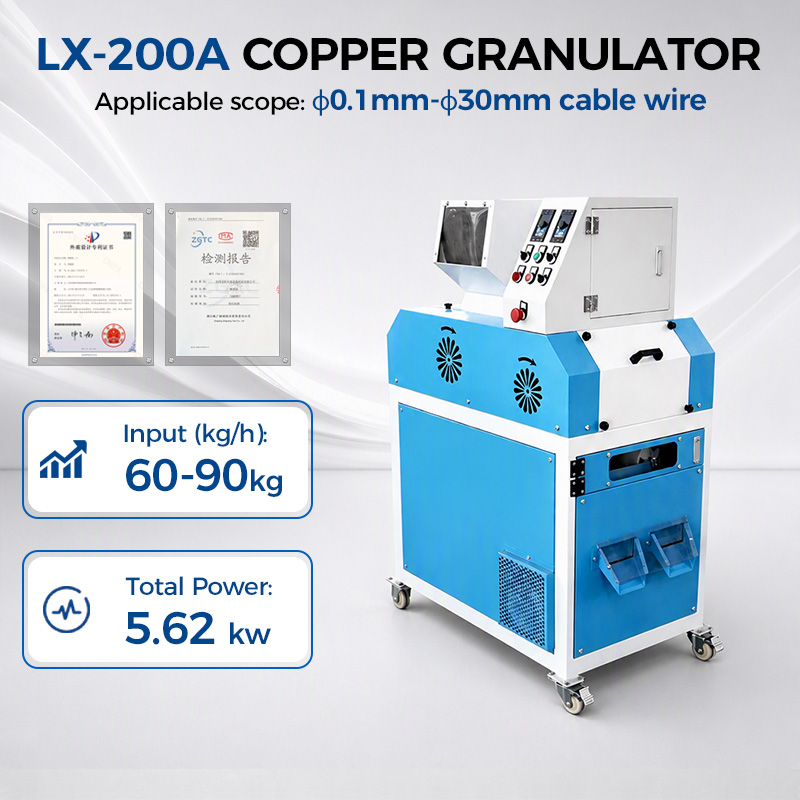
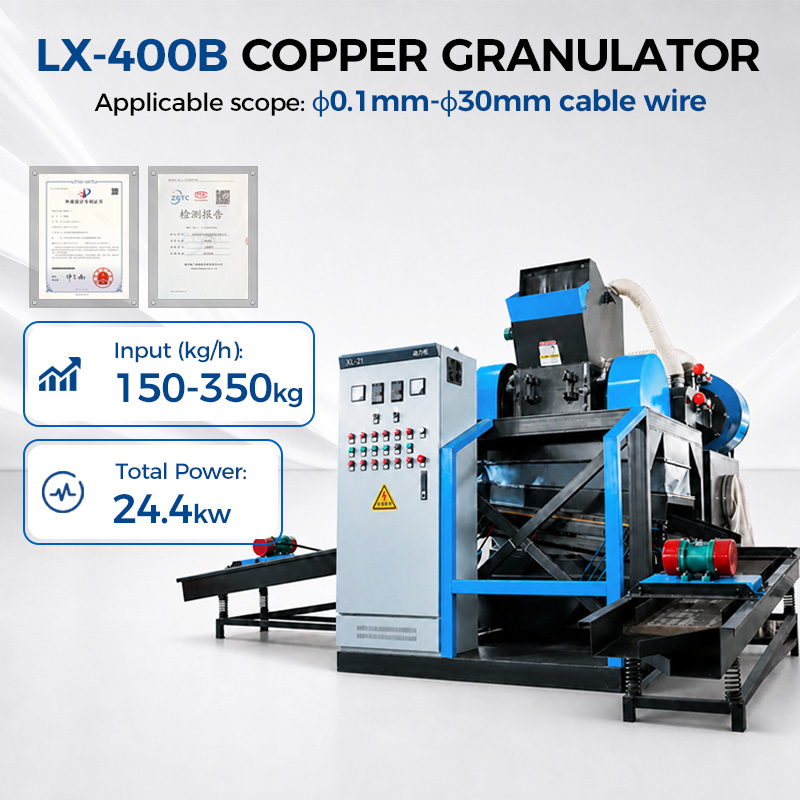
Selecting the appropriate copper wire granulator involves understanding your specific processing needs. Key factors to consider include the type and volume of cables you intend to process, the desired output quality, and the granulator's capacity.

Cables Types and Sizes: Different granulators are designed for various cable types, such as insulated copper, aluminum, or mixed wires. Ensure the model you choose can efficiently handle the specific types of cables you will be recycling.

Processing Capacity: Look for a granulator that meets your production volume requirements. This includes the throughput rate, usually expressed in kilograms per hour. For instance, lower-capacity models might be suitable for small operations, while high-capacity models are better suited for larger industrial applications.

Output Quality: The granulator should produce a clean separation of copper from insulation. Check for features such as adjustable screens and cutting knives that can help achieve the desired purity level in the final product.

Customization Options: Manufacturers often provide customization options to suit specific operational needs. Discuss your requirements with suppliers to find a granulator that fits your workflow. Additionally, incorporating a shredding machine can enhance the efficiency of the separation process.

Get a Free Quote

Tell us about your recycling needs, and our team will recommend the right equipment and solution for your project.
0/1000