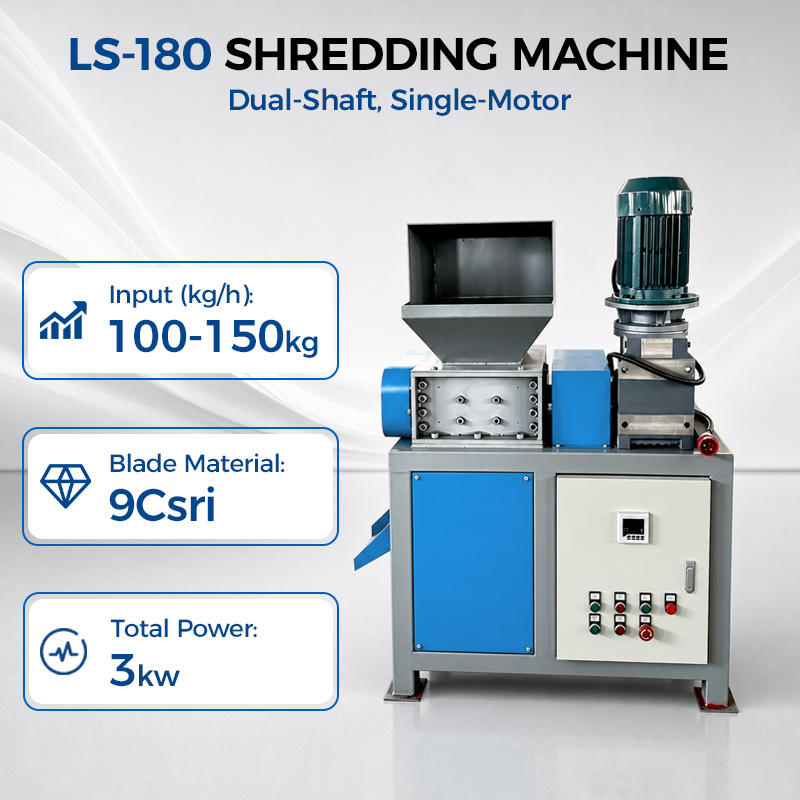
Tyre Shredding Machines for Efficient Recycling

application/tyre-shredding-machine, application/tyre-shredding-machine, 
Inquiry
Inquiry

tyre shredding machine

Tyre shredding machines are essential in the recycling industry, specifically designed to process used tyres into smaller, manageable pieces. These machines not only facilitate the recycling of tyre materials but also help in reducing environmental waste. For B2B buyers, especially purchasing managers and distributors, understanding the specifications, installation requirements, and applications of tyre shredding machines is crucial in making informed purchasing decisions. This article will outline the key aspects to consider when evaluating tyre shredding machines, addressing buyer concerns and providing practical insights.

Installation Guidance for Efficient Use of Tyre Shredding Machines

Proper installation of tyre shredding machines is vital for maximizing efficiency and ensuring operational longevity. Here are key considerations for buyers:

Site Preparation: Before installation, the site must be prepared to accommodate the machine's dimensions and weight. This includes ensuring a stable, level foundation and adequate space for maintenance access.

Electrical and Mechanical Connections: Buyers should ensure that the necessary electrical connections are in place and that they meet the machine’s power requirements. It’s advisable to engage qualified electricians for this aspect to avoid future operational issues.

Operator Training: Proper training for operators is crucial for the safe and efficient use of the machine. Manufacturers often provide training sessions or manuals; utilizing these resources can significantly enhance operational efficiency and safety.

Routine Maintenance: Establishing a maintenance schedule post-installation can help in prolonging the life of the machine. Regular checks on blades, belts, and electrical systems can prevent costly downtime and repairs.

Testing Before Full Operation: After installation, conduct a test run with a small batch of tyres to ensure the machine operates as expected. This can help identify any potential issues before scaling up operations.

Following these guidelines will help buyers achieve efficient operations right from the start.

Applications of Tyre Shredding Machines in Industrial Recycling

Tyre shredding machines play a pivotal role in various industrial recycling applications. Understanding their uses can help buyers appreciate their value:

Material Recovery: Shredded tyres can be processed further to recover valuable materials such as rubber, steel, and fiber. These materials can then be reused in various industries, including construction, automotive, and manufacturing. For example, Shredding Machines are often utilized in these processes.

Alternative Fuel Production: Shredded tyre materials can serve as an alternative fuel source in cement kilns and other industrial processes, contributing to energy efficiency and waste reduction.

Landscaping and Playground Surfaces: The rubber granulate produced from tyre shredding can be used in landscaping, playground surfaces, and athletic tracks, providing safe, durable solutions for various applications.

Environmental Remediation: Utilized in landfill covers or erosion control, shredded tyres help mitigate environmental impact while repurposing waste materials.

Composite Material Production: Shredded rubber can be incorporated into composite materials, enhancing properties like durability and flexibility for use in various applications.

These applications illustrate the versatility and importance of tyre shredding machines in the recycling industry, showcasing their potential to contribute to sustainability efforts.

What to Look For

When evaluating tyre shredding machines, buyers should consider several factors beyond just specifications:

Manufacturer Reputation: Researching the manufacturer's background, including their experience and client testimonials, can provide insights into the reliability and quality of their machines.

Customization Options: Many manufacturers offer customization to meet specific processing needs. Inquire about available options to ensure the machine aligns with your operational requirements.

After-sales Support: Effective after-sales support, including maintenance services and technical assistance, is essential for minimizing downtime and ensuring the machine operates efficiently over time.

Compliance with Regulations: Ensure that the machine meets local and international regulatory standards for safety and environmental impact, which can affect operational legality and marketability.

Cost versus Value: While price is a critical factor, buyers should assess the overall value offered by the machine, including its efficiency, durability, and potential for return on investment.

By focusing on these considerations, buyers can make well-rounded decisions that extend beyond initial costs.

Benefits of Bulk Ordering Tyre Shredding Machines for Distributors

For distributors, bulk ordering tyre shredding machines presents several strategic advantages:

Cost Savings: Purchasing in bulk often leads to significant cost reductions per unit, enabling distributors to enhance their profit margins.

Stable Supply: Maintaining a consistent inventory of tyre shredding machines allows distributors to meet customer demand promptly, ensuring they do not miss potential sales.

Negotiation Leverage: Bulk orders typically provide leverage for better pricing and terms during negotiations with manufacturers, benefiting the distributor's financial planning.

Streamlined Logistics: Coordinated shipping for bulk orders can simplify logistics, reducing transportation costs and improving supply chain efficiency.

Market Positioning: By offering a reliable supply of tyre shredding machines, distributors can strengthen their market position and solidify relationships with customers, leading to repeat business.

Understanding these benefits allows distributors to make strategic decisions regarding their inventory and supplier relationships, ultimately optimizing their operations.

Understanding Tyre Shredding Machine Specifications for Wholesale Buyers

When considering tyre shredding machines, buyers should familiarize themselves with several key specifications that directly impact performance and suitability for specific applications.

Capacity: This refers to the volume of tyres that the machine can process within a given timeframe. Buyers should assess their operational needs to select a machine that meets their processing requirements without being under or over-capacity.

Power Requirements: The energy consumption of the machine is an important consideration. Machines with higher power ratings often offer better efficiency and throughput but may also incur higher operational costs.

Cutting Mechanism: Tyre shredding machines typically utilize various cutting technologies, including rotary blades or granulators. Understanding the differences in these mechanisms can help buyers select a machine that aligns with their desired output size and quality. For instance, a Copper Granulator may be used in conjunction with tyre shredding machines for specific recycling processes.

Material Durability: The construction materials used in the machine are crucial for longevity. High-quality, wear-resistant materials can reduce maintenance costs and downtime.

Dimensions and Weight: Knowing the physical dimensions and weight of the machine is essential for installation planning. Ensure that the facility can accommodate the machine’s size and that necessary infrastructure is in place.

Safety Features: Look for machines equipped with safety features such as emergency stops, safety guards, and overload protection. These features not only protect operators but also reduce liability risks for businesses.

Understanding these specifications will empower wholesale buyers to make informed decisions tailored to their recycling operations.

Get a Free Quote

Tell us about your recycling needs, and our team will recommend the right equipment and solution for your project.
0/1000