Choosing the Right Mini Electrostatic Separator

application/mini-electrostatic-separator, application/mini-electrostatic-separator, 
Inquiry
Inquiry

mini electrostatic separator

Mini electrostatic separators are specialized devices designed to efficiently separate materials based on their electrostatic properties. Commonly used in recycling processes, these machines are essential for separating metals from plastics, particularly in waste cable and electronic recycling. As a B2B buyer, you may have concerns regarding the selection, specifications, and operational efficiency of mini electrostatic separators. This article will help you understand how to choose the right equipment, evaluate its quality, and identify common issues and applications within the recycling industry, ensuring you make an informed purchasing decision.

Key Specifications to Consider When Sourcing Mini Electrostatic Separators

Key Specifications to Consider When Sourcing Mini Electrostatic Separators

When sourcing mini electrostatic separators, several key specifications should be prioritized:

Separation Efficiency: This specification indicates the machine's ability to distinguish between different materials. Look for separators with high efficiency ratings, as this directly impacts your recycling yield.

Dimensions and Weight: Ensure the separator fits within your facility's layout. The weight may also affect installation logistics, so confirm the handling and transport requirements before purchase.

Power Consumption: A lower power requirement not only reduces operating costs but can also influence your facility's overall energy efficiency. Compare the power ratings of different models.

Material Construction: The materials used in the separator's construction will determine its durability and longevity. Ensure that the components are resistant to wear and corrosion, especially if processing aggressive materials.

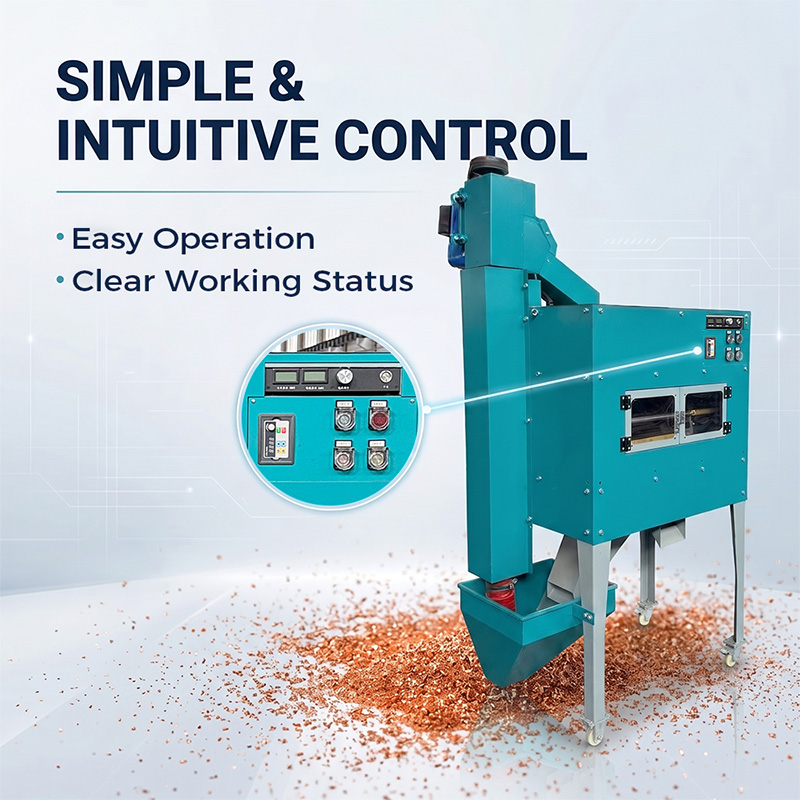
Control Systems: Advanced control systems can enhance the operator's ability to monitor and adjust the machine settings in real-time, which can improve efficiency and output quality.

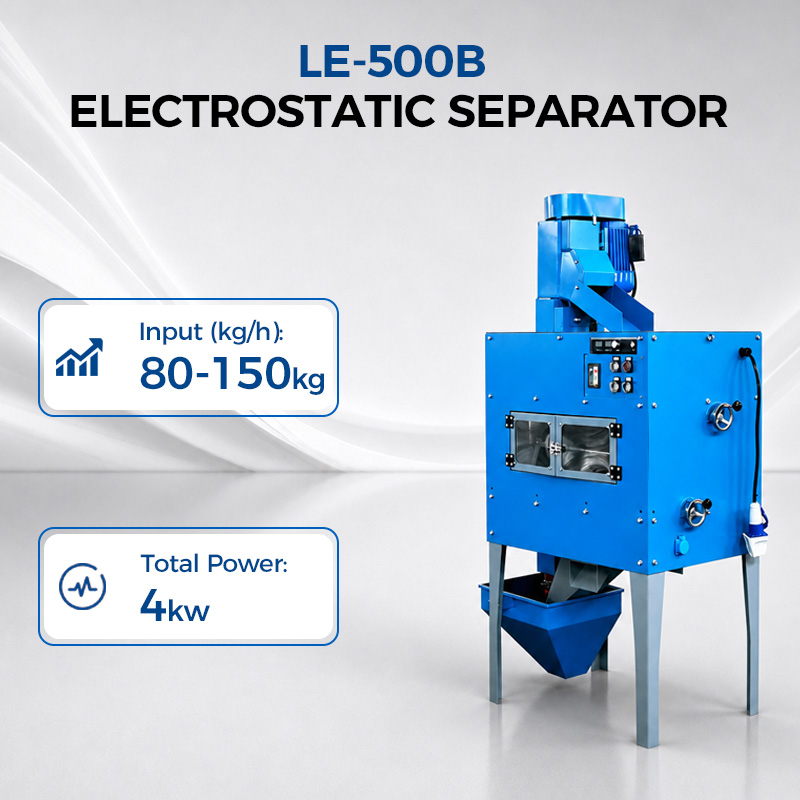
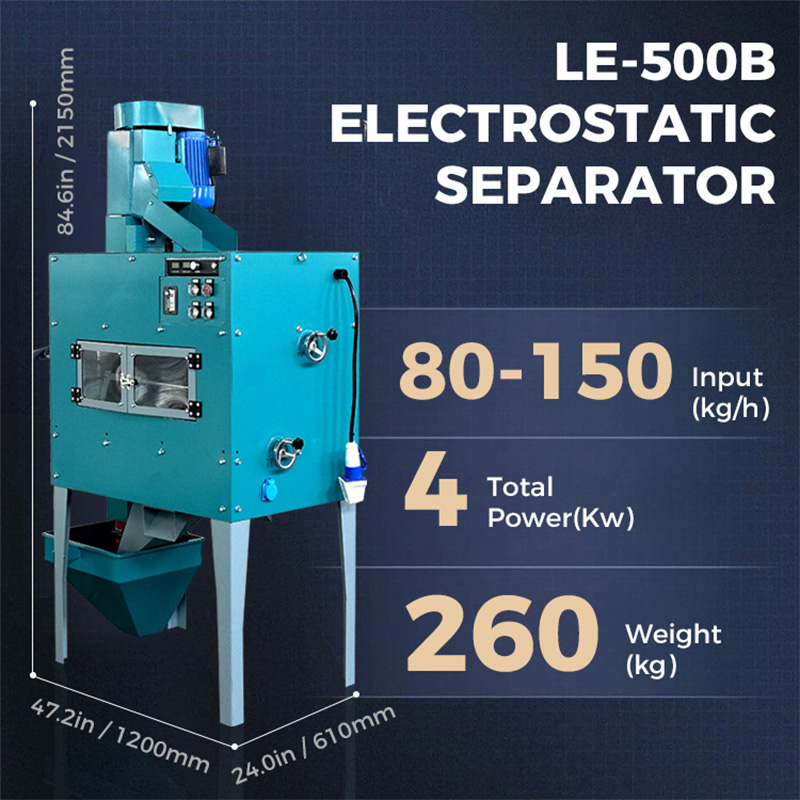
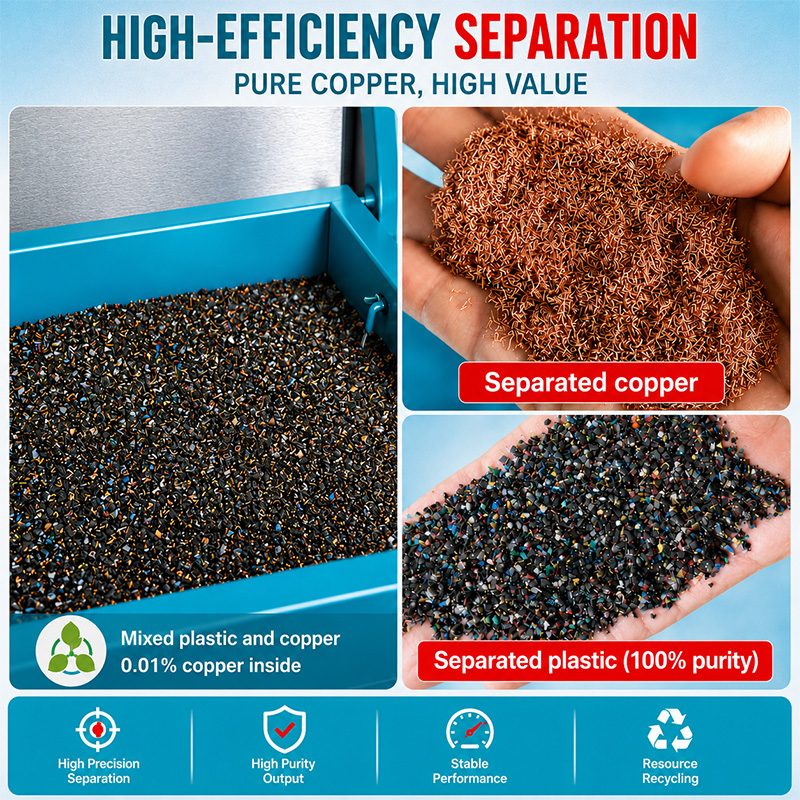
Evaluating these specifications will help you choose a mini electrostatic separator that meets your operational demands while maintaining quality and efficiency. For instance, the LE-500B Electrostatic Separator for Copper and Plastic Recovery is a great option that combines efficiency with advanced features.

Evaluating the Quality of Mini Electrostatic Separators for Wholesale Purchase

Evaluating the Quality of Mini Electrostatic Separators for Wholesale Purchase

Quality assessment is crucial when considering mini electrostatic separators for wholesale purchase. Begin by reviewing the manufacturer's track record and reputation in the industry. Look for established companies with a history of producing reliable machinery. Certifications and compliance with international quality standards, such as ISO 9001, can also indicate a commitment to quality.

Requesting machine samples or detailed technical documentation can provide insights into the separator's performance and reliability. Consider testing a sample in your operational environment to assess its effectiveness personally.

Additionally, inquire about the manufacturer's quality control processes. Understanding how they monitor production and handle quality issues will provide confidence in their products. Establish a dialogue with previous customers to gather feedback on their experiences with the equipment and the supplier's support services.

Common Problems with Mini Electrostatic Separators and Their Solutions

Common Problems with Mini Electrostatic Separators and Their Solutions

Despite their efficiency, mini electrostatic separators can face several common problems. Awareness of these issues can help you mitigate them during operation:

Material Blockage: One frequent challenge is the blockage of materials within the separator. This can often be resolved by ensuring proper feeding techniques and spacing to prevent jams. Regular maintenance and cleaning of the separator will also help.

Insufficient Separation: If the separator is not effectively distinguishing between materials, this could indicate a need for adjustments in the machine settings or a possible malfunction. Regular calibration and checks on the electrostatic charging mechanisms are essential to maintain optimal performance.

Electrostatic Discharge Issues: If materials are not charging correctly, it may affect separation efficiency. Investigate the humidity levels in the processing area, as excessive moisture can impact electrostatic processes. Adjusting environmental conditions may improve performance.

Wear and Tear: Over time, components may wear out, affecting the separator's efficiency. Establishing a routine maintenance schedule to inspect and replace worn parts is critical to prolonging the machine's lifespan.

By understanding these common problems and their solutions, you can proactively manage your mini electrostatic separator's performance and efficiency. Consider integrating robust options such as the LS-600B 22 kW Dual-Shaft Shredder for Waste Pre-Processing to enhance your setup.

Applications of Mini Electrostatic Separators in the Recycling Industry

Mini electrostatic separators play a vital role in various applications within the recycling industry. Their primary use is in the separation of non-ferrous metals from plastic and other materials, particularly in waste cable recycling. Here are some key applications:

Electronic Waste Recycling: The growing volume of electronic waste presents a significant opportunity for mini electrostatic separators. They effectively recover valuable metals such as copper and aluminum, which can be reused in new products.

Cable Recycling: In the cable recycling process, mini electrostatic separators help to isolate metal components from insulating materials. This separation increases the profitability of recycling operations by ensuring that high-value metals are efficiently recovered.

Plastics Recycling: These separators can also be used to improve the quality of recycled plastics by removing contaminants, thereby enhancing the material’s marketability.

Mining and Minerals Processing: Beyond recycling, mini electrostatic separators are employed in the processing of minerals and ores to separate valuable materials from waste.

Understanding these applications can help you identify how a mini electrostatic separator can enhance your recycling operations and improve overall efficiency. Options like the LX-400A 100-250kg/h Copper Wire Granulator with Dual Screening can also provide additional benefits in your operations.

How to Choose the Right Mini Electrostatic Separator for Your Needs

Selecting the appropriate mini electrostatic separator involves understanding your specific recycling requirements. Begin by assessing the types of materials you intend to process. Different separators are optimized for various materials, such as copper, aluminum, or plastics. Consider the machine's throughput capacity, which should align with your production goals. Additionally, factor in the available space for installation, as some models may require more room for operation than others.

It is also vital to evaluate the separator's energy efficiency. A machine that consumes less power while delivering the required output will reduce operational costs. Customization capabilities are another important aspect. If your operation requires specific configurations or features, discuss these needs with your supplier to ensure the machine can be tailored to your requirements.

Get a Free Quote

Tell us about your recycling needs, and our team will recommend the right equipment and solution for your project.
0/1000