Guide to High Tension Electrostatic Separators

application/high-tension-electrostatic-separator, application/high-tension-electrostatic-separator, 
Inquiry
Inquiry

high tension electrostatic separator

High tension electrostatic separators are essential equipment in the recycling industry, designed to effectively separate conductive and non-conductive materials, particularly in the processing of waste cables and metals. For purchasing managers and engineers, selecting the right separator can be a critical decision, influencing both operational efficiency and material recovery rates. This article will guide you through the key considerations for choosing a high tension electrostatic separator, its features, investment considerations, installation guidance, and its various applications in industry.

Comparing High Tension Electrostatic Separator Specifications for Bulk Orders

High tension electrostatic separators come with a variety of features tailored to enhance their performance:

High Voltage Power Supply: A quality separator should have a reliable high voltage supply, typically ranging from 20 kV to 100 kV, which is critical for effective separation.

Electrode Configuration: The design of the electrodes influences how materials interact with the electric field. Look for designs that maximize the surface area for better efficiency.

Control Systems: Advanced control systems that allow for real-time monitoring and adjustments can significantly improve operational efficiency and safety.

Durable Construction: Given the harsh conditions in recycling environments, separators should be constructed from high-quality, corrosion-resistant materials to ensure longevity.

Ease of Maintenance: Features that facilitate quick maintenance without the need for extensive downtime can enhance operational efficiency.

What to Consider When Sourcing High Tension Electrostatic Separators

Investing in a high tension electrostatic separator involves not only the purchase price but also ongoing operational costs. Factors to consider include:

Initial Costs: While premium models may have higher upfront costs, they often provide better efficiency and durability, leading to lower long-term costs.

Operational Efficiency: Calculate how the separator will impact your overall processing cost per ton. Higher recovery rates can justify a higher initial investment.

Energy Consumption: Assess the energy requirements of the separator. Efficient models can significantly reduce your energy costs over time.

Maintenance Costs: Regular maintenance is crucial for optimal performance. Evaluate the expected maintenance intervals and associated costs.

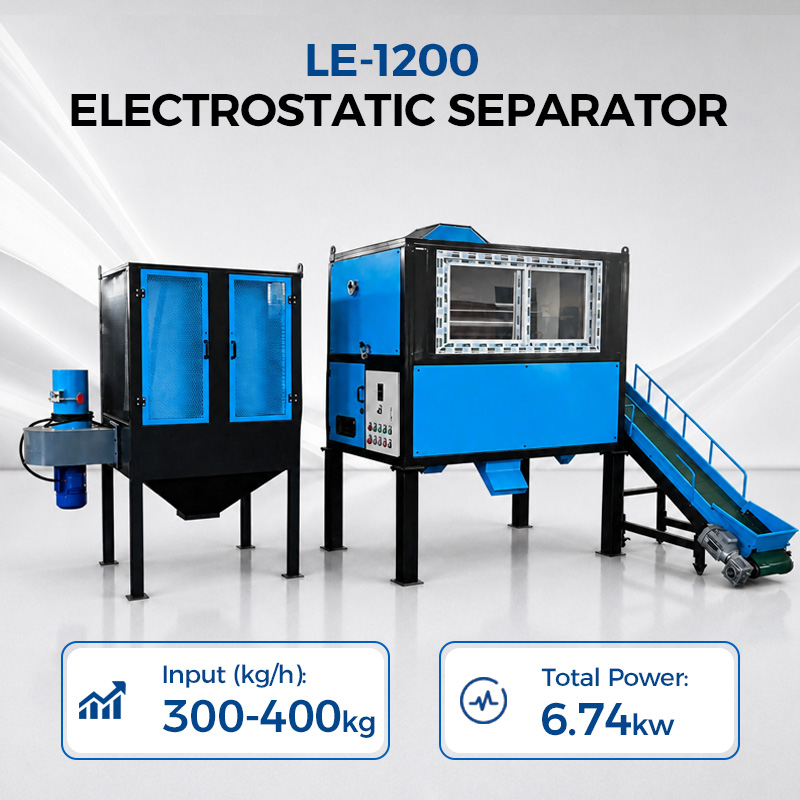
Return on Investment (ROI): Consider the potential ROI based on increased recovery rates and reduced operational costs. A well-chosen separator, like the LE-1200 Electrostatic Copper-Plastic Separator with Dust Collection, can pay for itself within a few operational cycles.

Wholesale Purchasing Tips for High Tension Electrostatic Separators

Proper installation is key to maximizing the performance of high tension electrostatic separators. Here are some essential considerations:

Site Preparation: Ensure that the installation site meets the specific requirements for electrical supply, space, and ventilation. A clear pathway for incoming and outgoing materials is also crucial.

Alignment and Leveling: Accurate alignment and leveling of the separator are critical for achieving optimal performance. An unlevel installation can lead to uneven material flow and reduced efficiency.

Electrical Connections: Engage qualified professionals for electrical installation to ensure compliance with safety standards. Proper grounding and shielding are essential to prevent electrical hazards.

Testing: Before full-scale operation, conduct thorough testing with sample materials to ensure the separator functions as intended. Adjustments may be necessary based on initial performance data.

Training: Provide adequate training for staff on safe operation and maintenance of the equipment to minimize risks and maximize efficiency.

Where to Find Reliable Suppliers of High Tension Electrostatic Separators

High tension electrostatic separators are widely used across various industries, particularly in recycling applications:

Cable Recycling: In the recycling of waste cables, these separators effectively separate copper or aluminum from plastic insulation, significantly improving metal recovery rates.

Mineral Processing: The separators are also employed in the mining industry to enhance the purity of metal ores by separating valuable minerals from gangue.

Plastic Recycling: They can be used to separate different types of plastics by exploiting differences in electrical conductivity, thereby improving recycling efficiency.

Waste Management: Municipal waste facilities utilize these separators to recover metals from mixed waste streams, contributing to sustainability efforts.

Electronics Recycling: With the rise of electronic waste, high tension electrostatic separators play a critical role in recovering precious metals from discarded electronic devices.

Selecting the right high tension electrostatic separator requires a thorough understanding of your processing needs, investment implications, and installation requirements. By focusing on the specific features and capabilities of available units, including options like the LX-300B 120-180kg/h Copper Wire Granulator with Air Separation, you can enhance operational efficiency and maximize material recovery in your recycling processes.

How to Choose a High Tension Electrostatic Separator

When selecting a high tension electrostatic separator, the first step is to assess the specific materials you will be processing. Factors such as the type of waste cables, their composition, and the target purity levels must be evaluated. Consider the following aspects:

Material Types: Ensure the separator can handle the specific types of metals and insulating materials you work with. Different separators may be optimized for various material combinations.

Separation Efficiency: Look for separators with documented performance metrics regarding recovery rates and separation efficiency. This will directly impact the profitability of your recycling operation.

Capacity Requirements: Consider the volume of materials you plan to process. The separator’s throughput must align with your operational capacity to avoid bottlenecks.

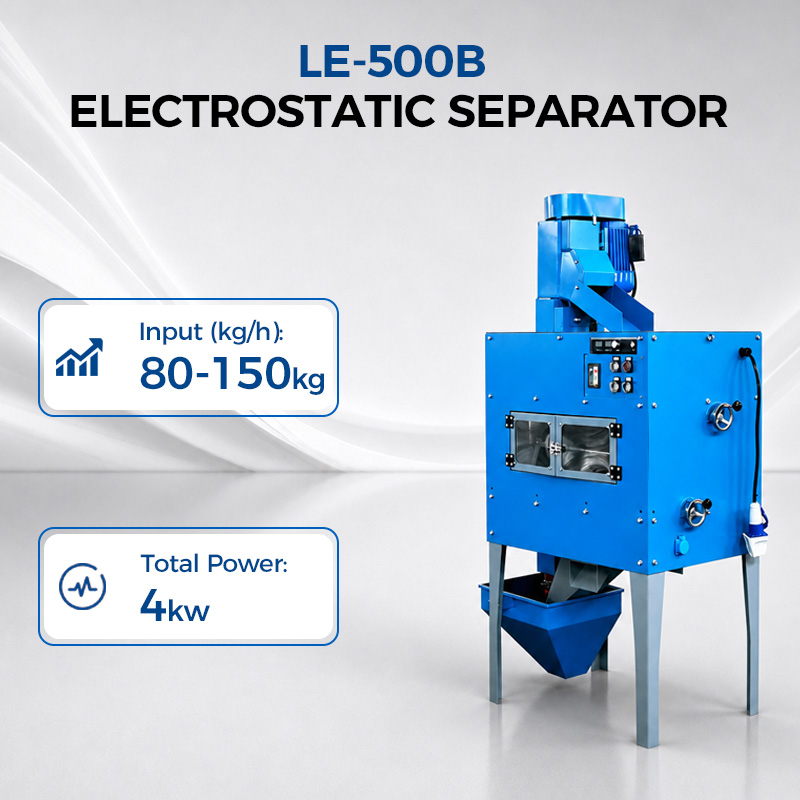
Customization Options: If your processing needs are unique, inquire about customization capabilities. Tailored solutions, such as the LE-500B Electrostatic Separator for Copper and Plastic Recovery, can enhance efficiency and recovery rates.

Technical Support and Service: Choose a supplier that offers robust after-sales support, including installation assistance and troubleshooting.

Get a Free Quote

Tell us about your recycling needs, and our team will recommend the right equipment and solution for your project.
0/1000