Electrostatic Separation Equipment for Efficient Recycling

application/electrostatic-separation-equipment, application/electrostatic-separation-equipment, 
Inquiry
Inquiry

electrostatic separation equipment

Electrostatic separation equipment is a crucial technology in recycling and mineral processing, allowing for the efficient separation of materials based on their electrical properties. As industries increasingly seek sustainable solutions, understanding how to select, source, and implement this equipment becomes vital for purchasing managers, engineers, and decision-makers. This article will provide insights into choosing the right electrostatic separation equipment, sourcing it wholesale, evaluating costs, adhering to best practices, and exploring its applications across various industries.

Where to Source Reliable Electrostatic Separation Equipment Wholesale

Finding a reliable source for electrostatic separation equipment involves a few key steps. Start by researching manufacturers known for their expertise in recycling technology. Look for companies that offer comprehensive solutions, from equipment design to after-sales service, as they are often more invested in the quality of their products and customer satisfaction.

Trade fairs and industry exhibitions can also be excellent venues to connect with manufacturers and distributors, allowing you to see the equipment in action and ask specific questions about its capabilities. Additionally, online platforms that specialize in industrial equipment can provide comparisons between different manufacturers and models, helping you make an informed decision.

When sourcing wholesale, consider the minimum order quantity (MOQ) as this can vary significantly between suppliers. It’s advisable to request sample units or detailed product specifications before placing larger orders to evaluate performance and compatibility with your existing processes.

Cost Factors to Consider When Purchasing Electrostatic Separation Equipmen

The cost of electrostatic separation equipment can vary widely based on several factors. Initially, consider the upfront purchase price, which may be influenced by the equipment's specifications, capacity, and customization options. Higher-capacity machines or those with advanced technology may entail a higher initial investment but could lead to lower operational costs over time.

Operational costs are another critical factor. This includes energy consumption, maintenance, and potential downtime during operation. Machines that require less frequent maintenance and are energy-efficient can significantly reduce long-term costs. Additionally, inquire about warranty and service agreements, as these can impact the overall cost of ownership.

Shipping and installation costs should also be factored into your budget. Ensure that the quoted price includes all logistics and that you understand any additional fees related to installation or training. Engaging with a manufacturer that offers comprehensive support can mitigate unexpected costs and streamline the entire process.

Best Practices

To maximize the efficiency and longevity of your electrostatic separation equipment, adhering to best practices is essential. First, ensure that the machine is installed according to the manufacturer’s specifications. Proper installation is key to achieving optimal performance and avoiding unnecessary wear and tear.

Regular maintenance is crucial; establish a schedule for inspections and servicing to address wear on components like the separation plates or electrical systems. Keeping the equipment clean from dust and debris can also improve performance and extend its lifespan.

Training your team on the proper operation of the equipment is another best practice. Well-trained operators can identify potential issues early and ensure that the equipment is used within its optimal parameters. This not only enhances safety but also optimizes the separation process.

Applications of Electrostatic Separation Equipment in Various Industries

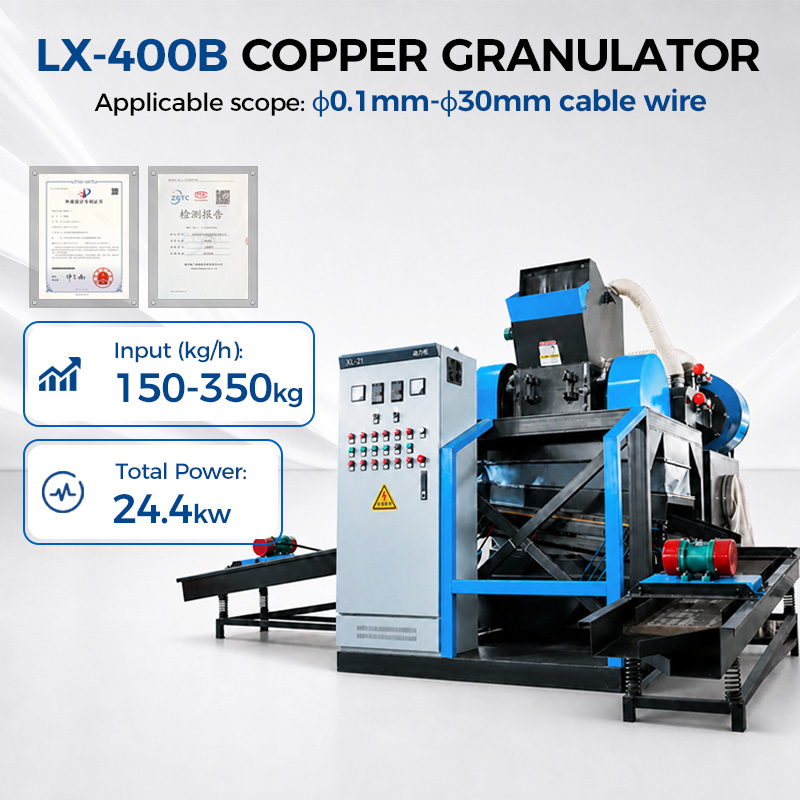
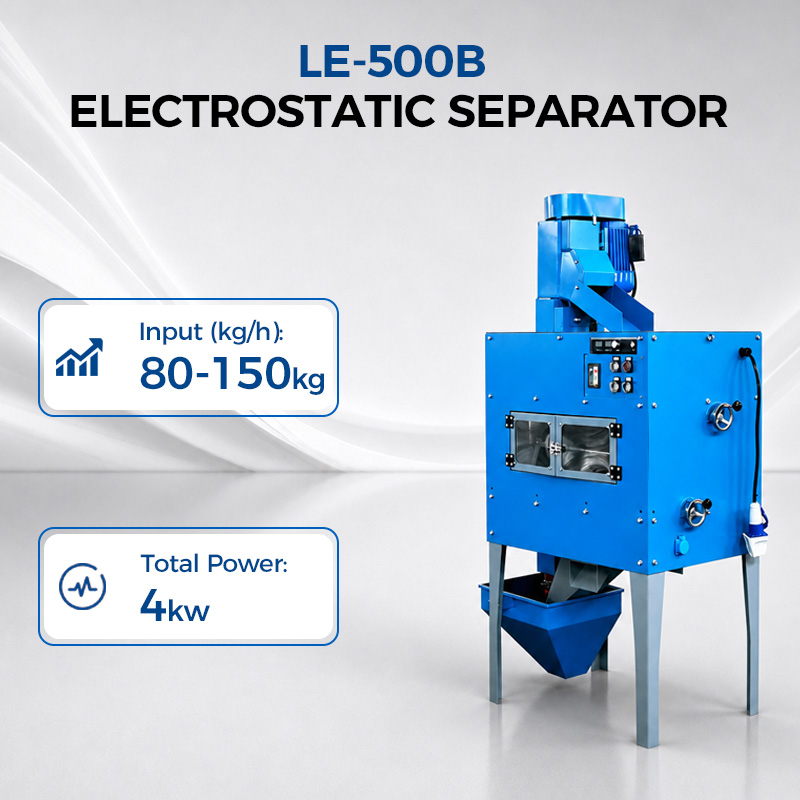
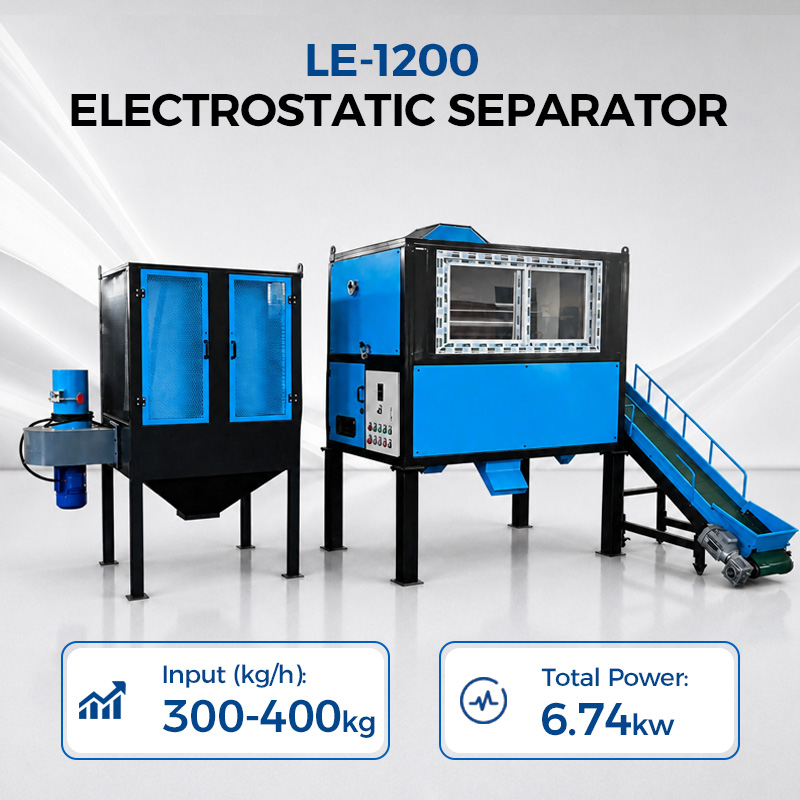
Electrostatic separation equipment has a wide range of applications across various industries, particularly in recycling and mineral processing. In the recycling sector, it is commonly used to separate metals from plastics in waste streams, which is vital for recovering valuable materials and reducing landfill waste. This technology allows for the efficient separation of aluminum and copper from insulated cables, ensuring that these materials can be recycled effectively using systems like copper granulators.

In the mining industry, electrostatic separation is employed to process ores and minerals, extracting valuable components while minimizing environmental impact. This method is particularly useful for separating heavy minerals like zircon and rutile from lighter materials in sand mining operations.

Additionally, the technology finds applications in the electronics industry, where it is used to recover precious metals from electronic waste. As regulations around e-waste become more stringent, the demand for efficient separation methods like electrostatic separation continues to grow.

By understanding the specific applications of electrostatic separation equipment, B2B buyers can better align their purchasing decisions with the operational goals of their industries, ultimately supporting sustainability and efficiency in their processes.

In summary, selecting the right electrostatic separation equipment requires careful consideration of material characteristics, production capacity, and compliance with industry standards. Sourcing reliable equipment involves thorough research and engagement with reputable manufacturers. Understanding cost factors and implementing best practices can lead to successful integration and operation, while recognizing the diverse applications of this technology can enhance decision-making for B2B buyers.

Choosing the Right Electrostatic Separation Equipment for Your Needs

When selecting electrostatic separation equipment, it is essential to consider several factors to ensure optimal performance and efficiency. The first step is to assess the specific materials you intend to separate. Electrostatic separation is particularly effective for non-ferrous metals and plastic recycling, making it crucial to identify the material characteristics, such as particle size and conductivity.

Next, evaluate the production capacity required. Different models of electrostatic separators offer varying throughput rates, so match the equipment capacity to your operational needs to avoid bottlenecks or underutilization. Additionally, consider the machine's design and whether it can be customized to fit unique processing conditions. Customization can include adjustments to the separation process, such as modifying the electrical field strength or the configuration of the separation chamber. For instance, integrating a shredding machine can enhance the efficiency of material preparation before separation.

Finally, ensure the equipment meets relevant industry standards and certifications, which can be crucial for compliance and quality assurance. Engaging with a reputable manufacturer like Hangzhou Lansing Machinery Co., Ltd. can provide insights into these requirements and help align your needs with available solutions.

Get a Free Quote

Tell us about your recycling needs, and our team will recommend the right equipment and solution for your project.
0/1000